

Melbourne:
A Guide to Wheelchair-Accessible Public Transportation
Melbourne, Australia, is a vibrant and bustling city known for its cultural diversity, stunning architecture, and world-class public transportation system. For wheelchair users and travelers with mobility challenges, getting around the city can be a smooth and enjoyable experience—thanks to Melbourne’s commitment to accessibility. However, it’s important to note that not all services are fully accessible, especially when it comes to older infrastructure. In this guide, we’ll explore the wheelchair accessibility of Melbourne’s public transportation options, including trams, trains, buses, and V/Line regional services, and provide tips for navigating the city with ease.
Trams: The Heart of Melbourne’s Transport

Melbourne’s iconic tram network is one of the largest in the world, and it’s a fantastic way to explore the city. While many trams are wheelchair accessible, not all trams in Melbourne are equipped for wheelchair users. The newer low-floor trams are fully accessible, featuring level boarding, wide doors, and designated spaces for wheelchairs and mobility aids. However, older trams still in operation often have steps and no ramps, making them inaccessible for wheelchair users. The Melbourne City Circle Tram is not wheelchair accessible due to its older design, which includes large steps to board the tram, making it difficult for people with mobility issues to use.
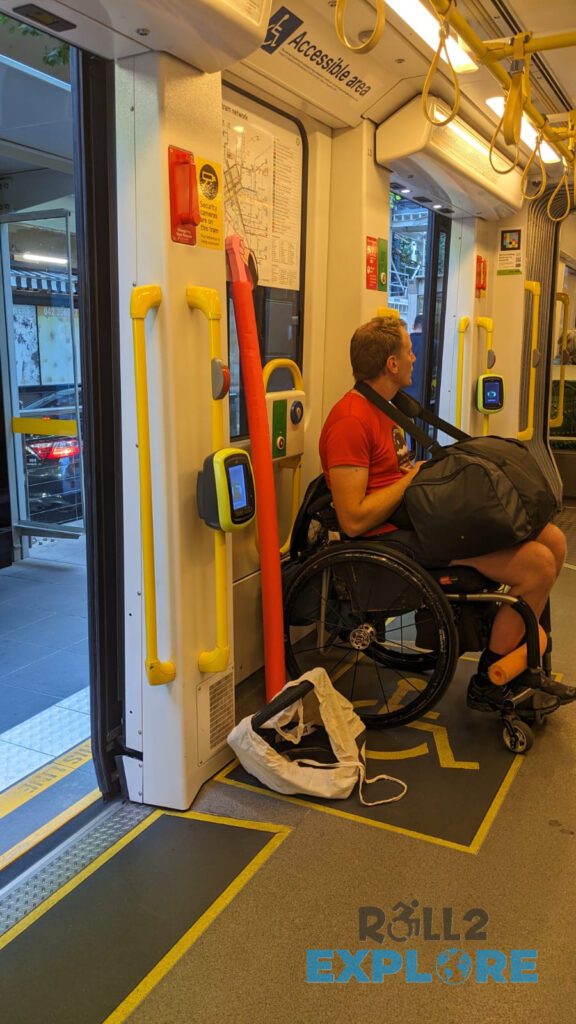
- Fully Accessible Routes: Routes 11, 19, 96, and 109 are serviced exclusively by low-floor trams, and some stops along these routes provide level access. However, it’s worth noting that high-floor trams may occasionally be used during unforeseen circumstances, such as accidents or maintenance requirements.
- Mixed Accessibility Routes: Routes 5, 6, 16, 48, 58, 72, and 86 are serviced by a mix of low-floor and high-floor trams. If you’re using these routes, it’s a good idea to check the tram type before boarding.
- Accessible Stops (Super Stops): Look for stops marked with the wheelchair symbol. These stops have ramps or level access to low-floor trams.
- Free Tram Zone: Within the city center, trams are free for everyone, making it easy to hop on and off as you explore.
- Plan Ahead: Use the PTV (Public Transport Victoria) app or website to check which trams on your route are low-floor and accessible.
Trains: Connecting Melbourne’s Suburbs
Melbourne’s train network is another accessible option for getting around the city and its suburbs. Most train stations are equipped with ramps, lifts, and accessible toilets, making it easier for wheelchair users to navigate the system.

- Accessible Stations: Over 80% of Melbourne’s train stations are wheelchair accessible. Look for stations marked with the accessibility symbol on the PTV map.
- Onboard Features: Trains have designated spaces for wheelchairs, and staff are available to assist with boarding if needed.
- Plan Ahead: Use the PTV Journey Planner to find accessible routes and stations.
Buses: Reaching Every Corner of the City
Melbourne’s bus network complements the tram and train systems, providing access to areas not served by other modes of transport. Most buses are low-floor and wheelchair accessible, with ramps and designated spaces for mobility aids.
- Accessible Routes: Check the PTV website or app to confirm which bus routes are accessible.
- Driver Assistance: Bus drivers are trained to assist wheelchair users with boarding and securing their chairs.
- Night Network: For late-night travel, Melbourne’s Night Network offers accessible buses on select routes.
V/Line: Exploring Regional Victoria
For those looking to venture beyond Melbourne, V/Line provides regional train and coach services across Victoria. V/Line trains are generally wheelchair accessible, with designated spaces for wheelchairs and accessible boarding options at most major stations.
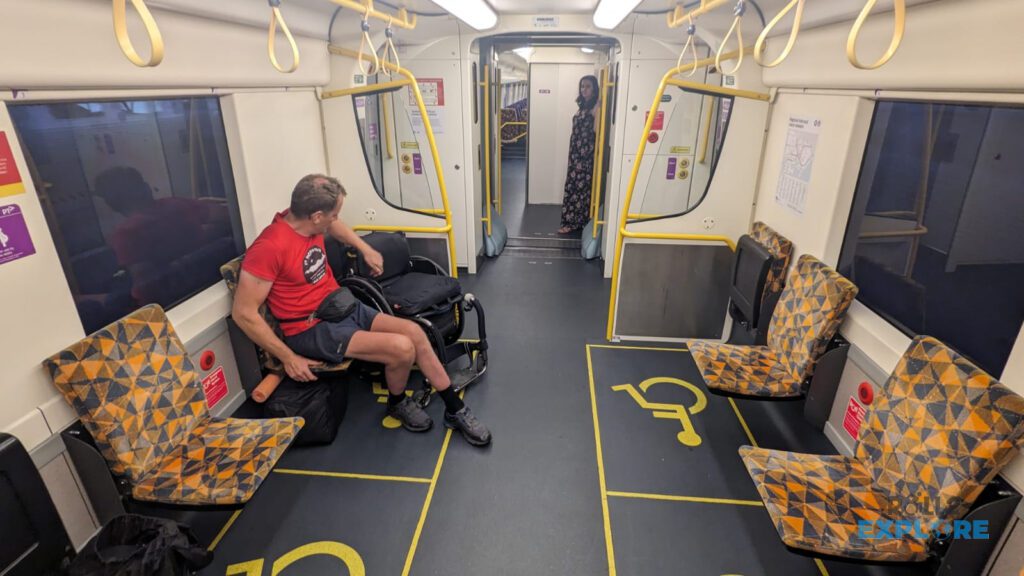
- Accessible Stations: Many V/Line stations, especially in larger towns, are equipped with ramps, lifts, and accessible facilities.
- Onboard Features: Trains have spacious areas for wheelchairs, and staff are available to assist with boarding and alighting.
- Coaches: While some V/Line coaches are accessible, not all are equipped for wheelchair users. It’s essential to check accessibility when booking your trip.
Myki Card: Your Key to Melbourne’s Transport
To use Melbourne’s public transportation, you’ll need a Myki card. This reusable smart card can be purchased at train stations, convenience stores, or online. Concession fares are available for eligible travelers, including those with disabilities.
- How to Use: Tap on and off when boarding and exiting trams, trains, or buses.
- Accessible Myki Machines: Most stations have Myki vending machines at accessible heights.
Tips for Wheelchair Users Traveling in Melbourne
- Use the City of Melbourne’s Access Map: The Access Map is an invaluable tool for wheelchair users. It provides detailed information about mobility-friendly public transport options, accessible routes, and facilities in the central city area. Use this map to plan your journey with confidence.
- Plan Ahead: Use the PTV Journey Planner to map out accessible routes and check for any service disruptions. Pay special attention to tram routes, as not all trams are wheelchair accessible.
- Ask for Help: Station staff and drivers are trained to assist wheelchair users—don’t hesitate to ask for support.
- Explore the Free Tram Zone: Take advantage of the free tram services in the city center to visit popular attractions like Federation Square, Queen Victoria Market, and the Melbourne Museum. Just ensure you’re boarding a low-floor tram.
- Stay Informed: Follow PTV on social media or download their app for real-time updates on accessibility and service changes.
Final Thoughts
Melbourne’s public transportation system is designed to be inclusive and accessible, but it’s important to be aware of its limitations, particularly with older trams that lack ramps. While the newer low-floor trams, accessible trains, buses, and V/Line services make it easier for wheelchair users to explore the city and beyond, planning ahead is key to ensuring a smooth journey.
Despite these challenges, Melbourne remains a welcoming and dynamic destination for travelers with mobility challenges. With a little preparation, you can enjoy everything this vibrant city has to offer, from its iconic laneways to its stunning waterfront.