
Exploring Bali with a Wheelchair:
Part 1 – Arrival, Sanur, and Ubud Adventures
Bali, the Island of the Gods, is a dream destination for many travelers. Its lush landscapes, vibrant culture, and warm hospitality make it a must-visit. But what’s it like to explore Bali in a wheelchair? My partner and I recently embarked on a journey to find out. As a wheelchair user, Nick faced some challenges, but we also discovered that Bali has plenty of accessible gems to offer. Here’s the first part of our itinerary, focusing on accessibility, accommodations, and dining experiences.
Day 1 & 2: Grand Mega Resort & Spa Bali
We landed at Ngurah Rai International Airport (DPS) in the evening, tired but excited. After clearing customs, we headed straight to Grab Lounge (read more about transportation in Bali here) and ordered an online taxi to our first accommodation was the Grand Mega Resort & Spa Bali in Kuta. At about 360.000 IDR per night, it was a budget-friendly choice. The resort had its pros and cons when it came to accessibility:
- Pros:
- The staff were incredibly helpful and always willing to assist Nick.
- The hotel was easy to navigate, with lifts and ground-floor breakfast service.
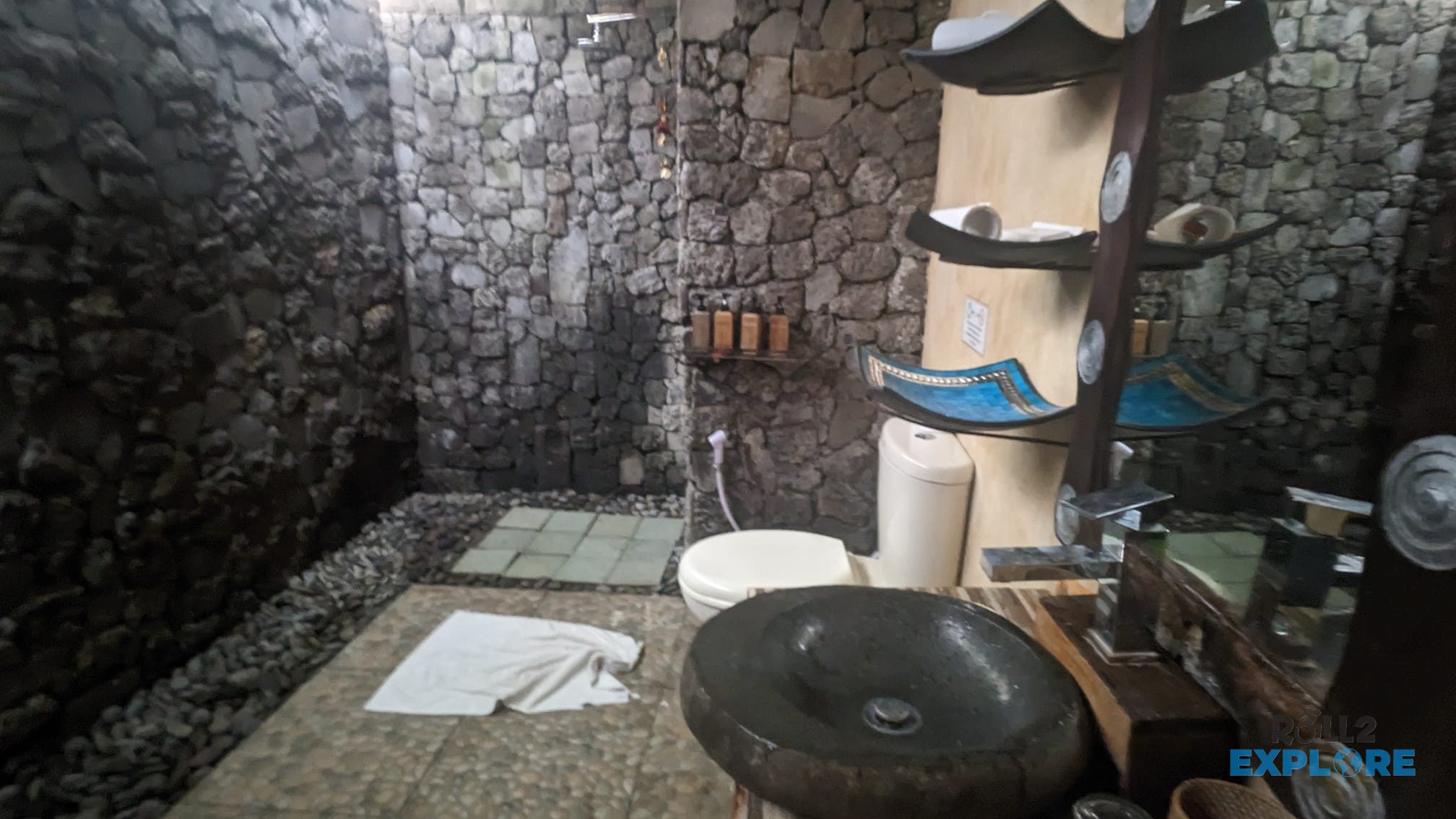
- The room and shower were spacious enough for a wheelchair, though the toilet was a bit tight.
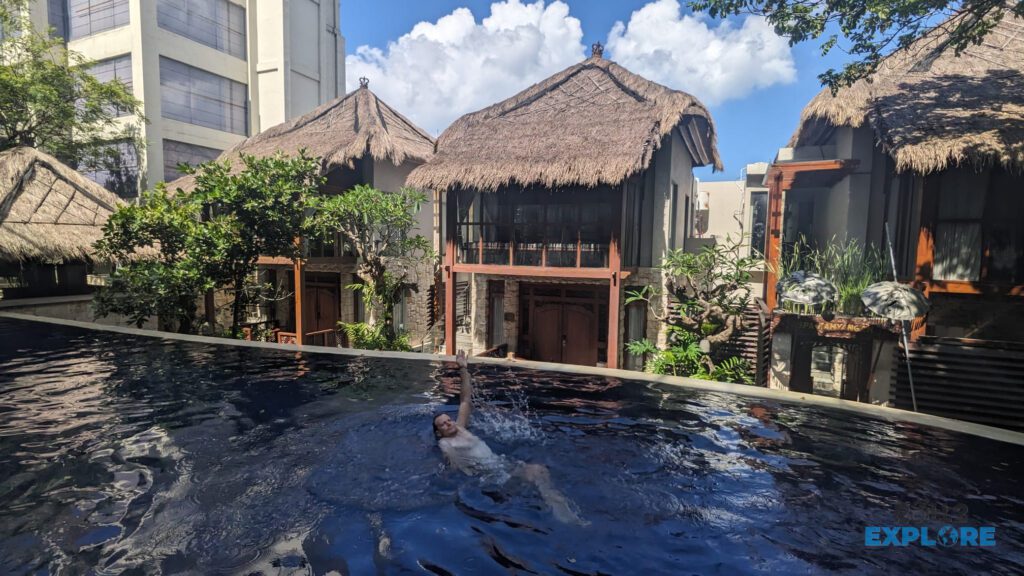
- The pool was accessible without steps, making it a relaxing spot for Nick to unwind.
- Cons:
- The facilities were quite old and worn.
- There was one big step at the entrance, but the staff were quick to assist.
We chose this hotel because it was relatively close to the airport and it was officialy marked as wheelchair accessible. However, we would not recommend it as it does not have designated wheelchair accessible rooms and this information is misleading. Moreover, the room furnishings were very old and worn out.
For dinner we chose a cheap local eatery Warung Fajar Chinese Food Muslim. This humble eatery was our first taste of Balinese hospitality. While the entrance had a small slope with a tiny drainage hole, Nick managed to navigate it without too much trouble. The food was delicious, fresh, and incredibly affordable (meals ranged from 12,000 to 27,000 IDR). The only downside was the limited seating space—only three tables—but it was a great start to our trip.
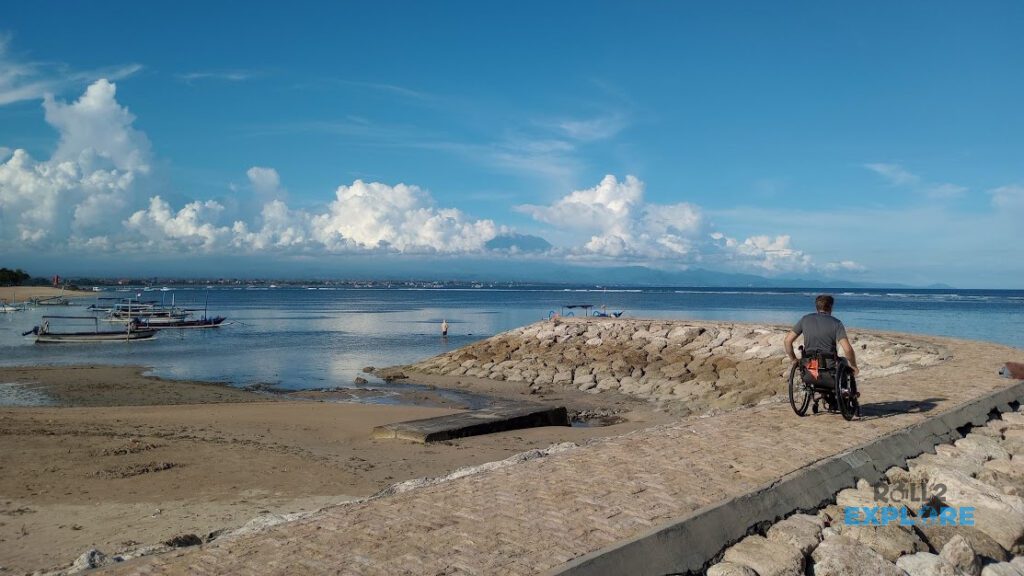
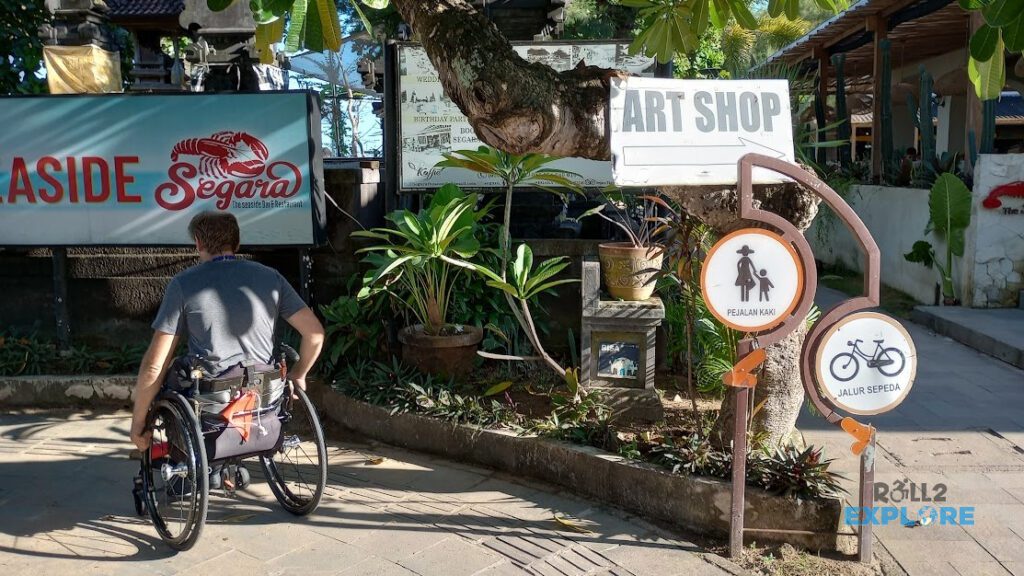
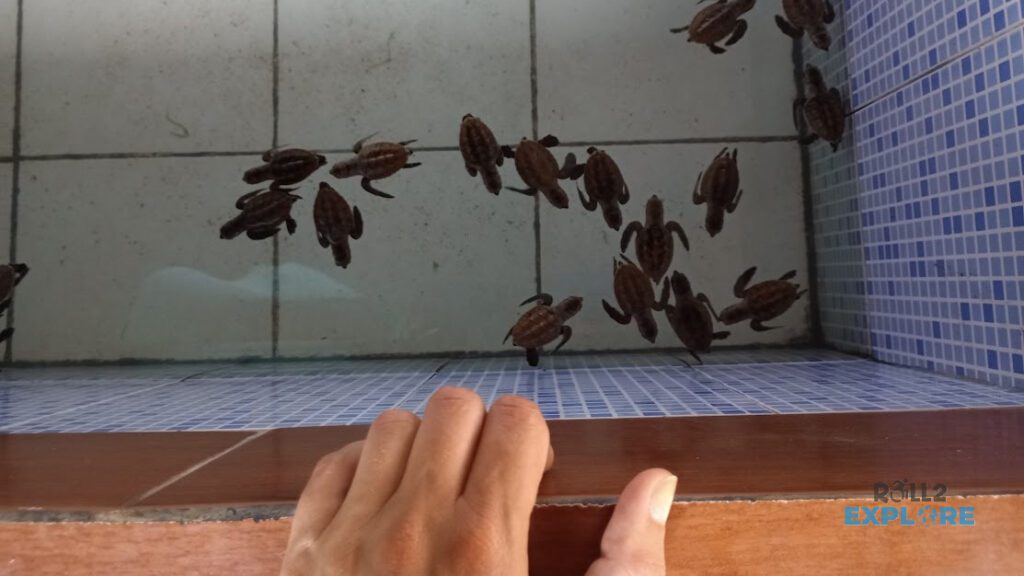
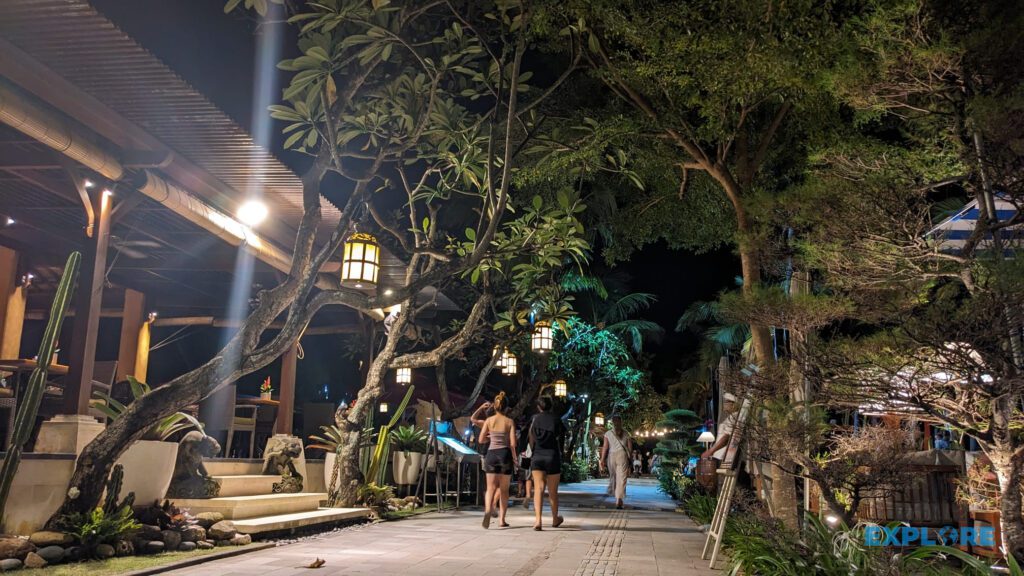
On our first full day, we took a wood and soap carving class in Sanur (more on that in a separate post!). For lunch, we visited Kayumanis Seaside Restaurant, a beachfront spot with direct access from the Sanur boardwalk. While there was one step to navigate, the staff were more than happy to help. The boardwalk itself was a highlight—flat, scenic, and perfect for a leisurely roll. We made a quick stop at a turtle sanctuary (one step to enter) and the modern Artotel, which had a ramp for easy access.
Dinner was another visit to Warung Fajar Chinese Food Muslim, where we enjoyed the same tasty, affordable meals.
Days 3-6: Senetan Villas & Spa Resort
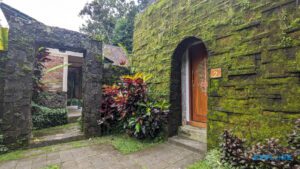
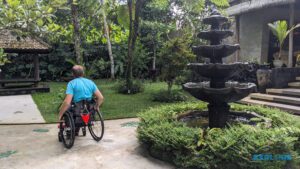
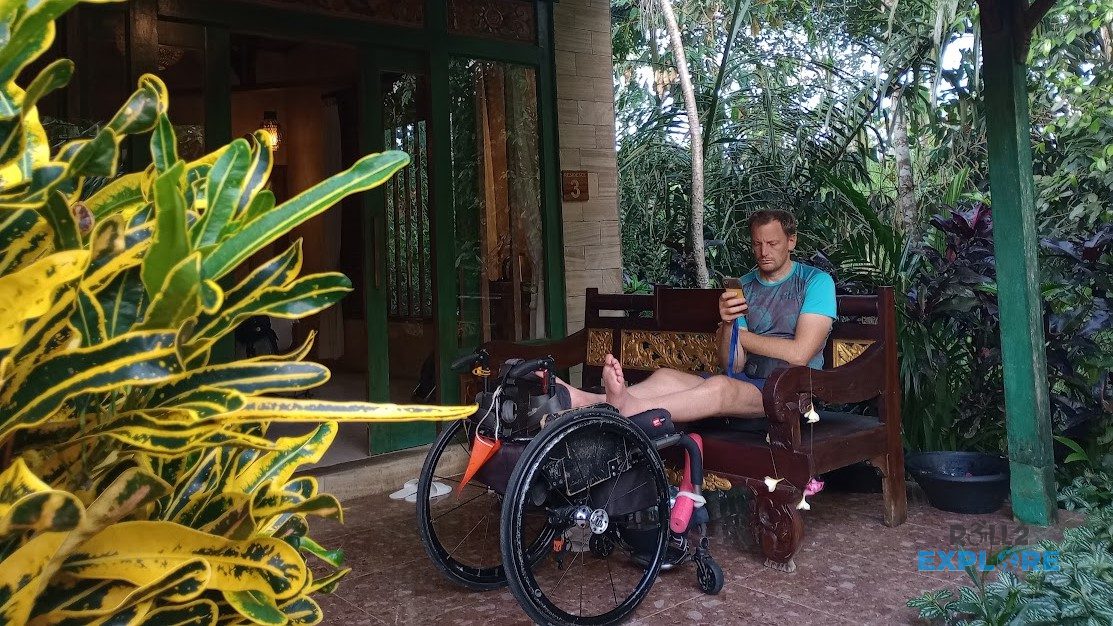
Next, we moved to Senetan Villas & Spa Resort in Ubud. This 5-star resort was a step up in luxury, costing around 415.000 IDR per night. While the staff were amazing and went above and beyond to assist, the resort’s accessibility was a mixed bag:
- Pros:
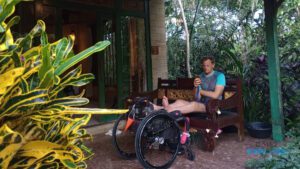
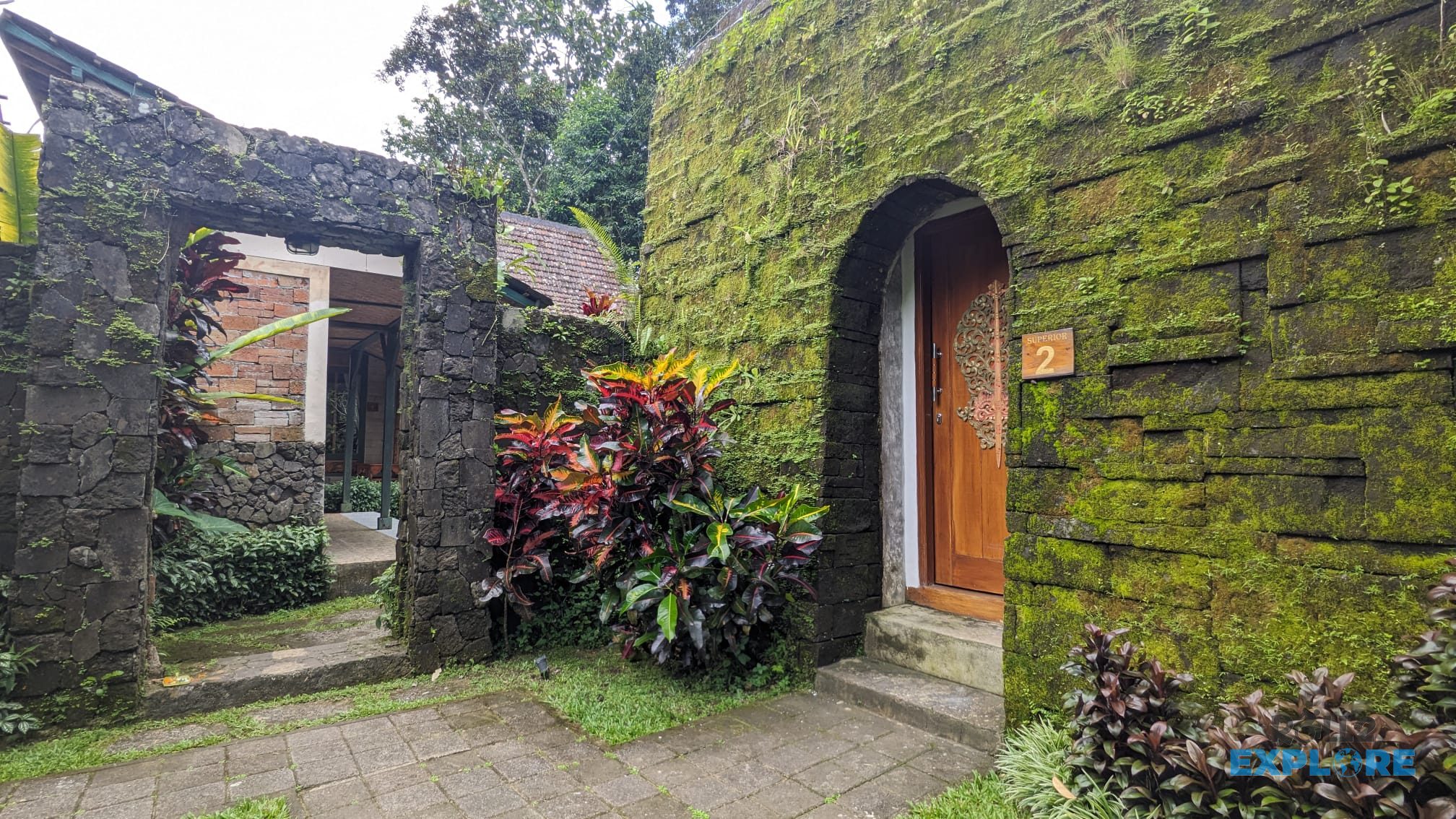
- The staff created a temporary ramp out of an old door to help Nick navigate the steps to the reception and villas. It was a bit dodgy, but it worked!
- The villas were spacious and beautifully designed.
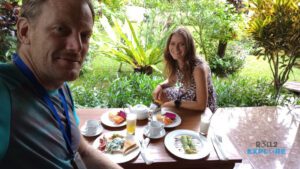
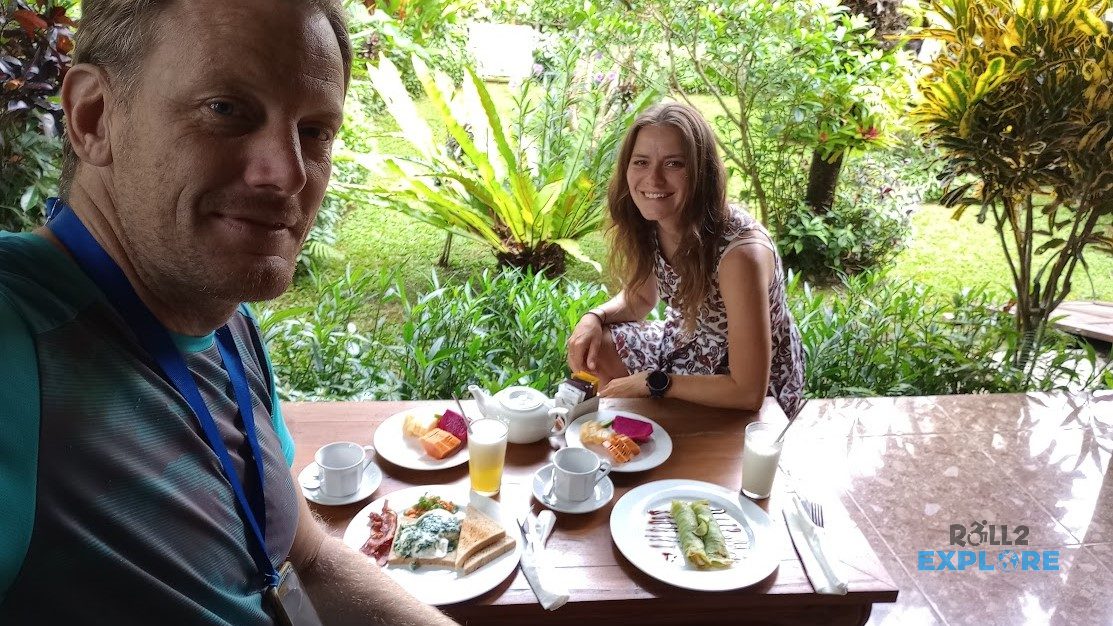
- The food and service were exceptional, and room service was free of charge.
- The resort offered a complimentary shuttle to Ubud three times a day, which was a huge bonus.
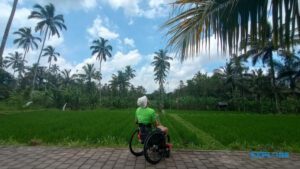
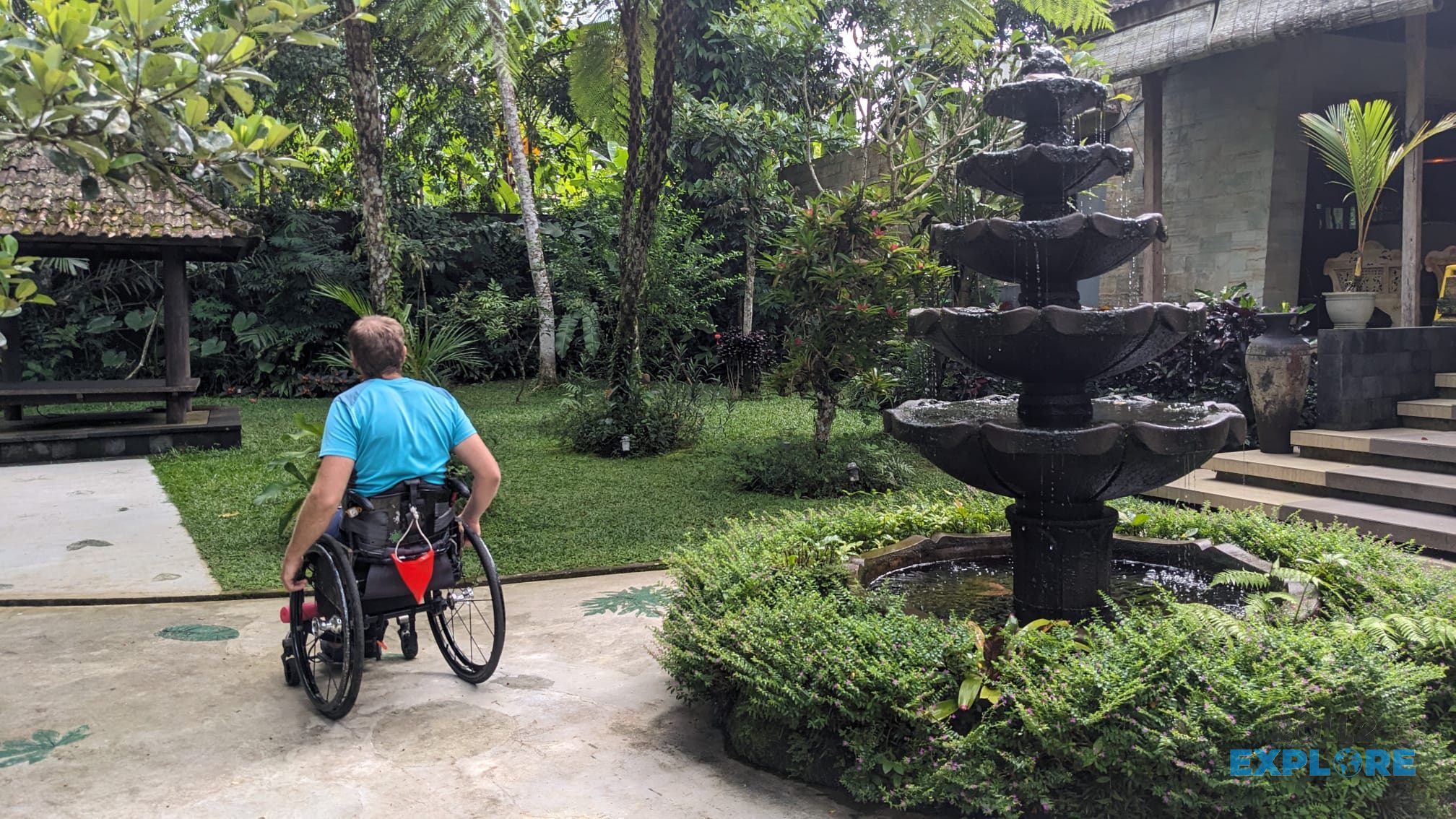
- The location was stunning, nestled in a lush green area that felt like a tropical paradise. The serene surroundings made it a perfect place to relax and unwind.
- Cons:
- There were steps to the reception, villas, and restaurant, limiting Nick’s independence.
- Nick needed my help to move around the resort, which wasn’t ideal.
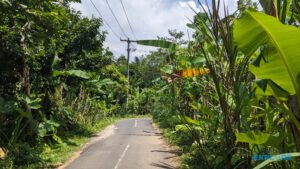

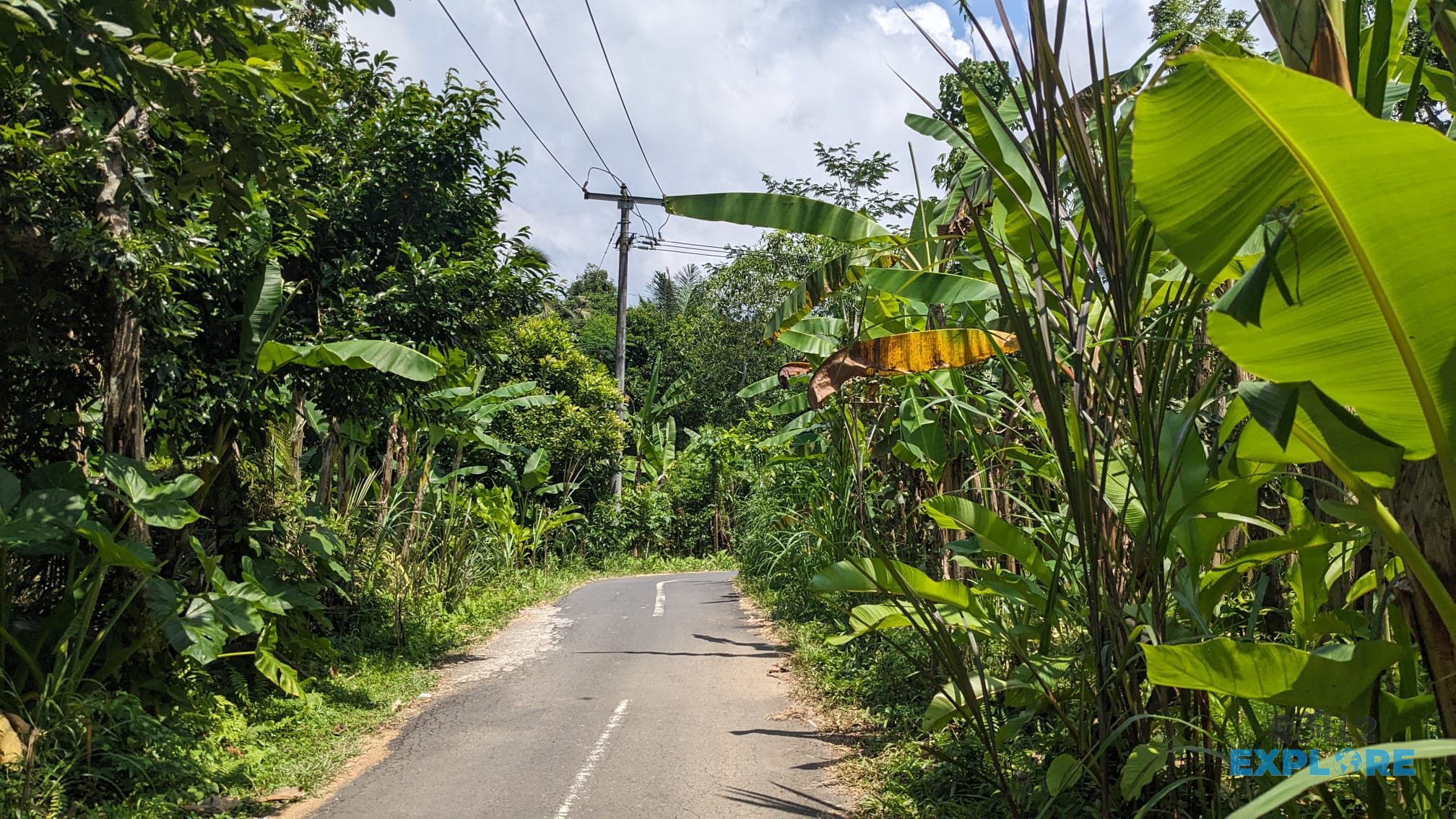
On our first day in Ubud, we had lunch at Citrus Berry, a charming café with three steps at the entrance. The staff were quick to assist Nick, and the food was worth the effort. We then explored Ubud’s local market and discovered an accessible toilet at the Monkey Forest (though we didn’t visit the forest itself). In Ubud (like in most of Bali) it’s easier to stroll on the road than on the pavement as the sidewalks are uneven and very often obstructed e.g. with scooters.
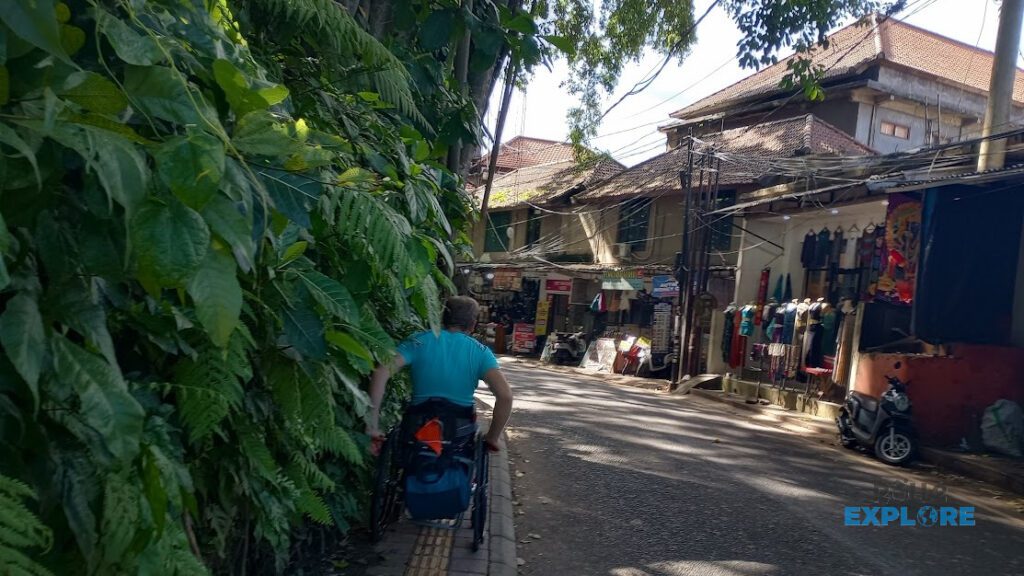
In Ubud, as in much of Bali, navigating the streets in a wheelchair often means it’s easier to roll on the road rather than the pavement. The sidewalks, while present, are frequently uneven, cracked, or obstructed by parked scooters, street vendors, or other obstacles. This makes the pavement challenging and sometimes unsafe for wheelchair users. On the other hand, the roads, though busier, tend to be smoother and more predictable. Of course, this requires extra caution due to traffic, but with attentive maneuvering and the generally slower pace of vehicles in Ubud, it’s often the more practical option.
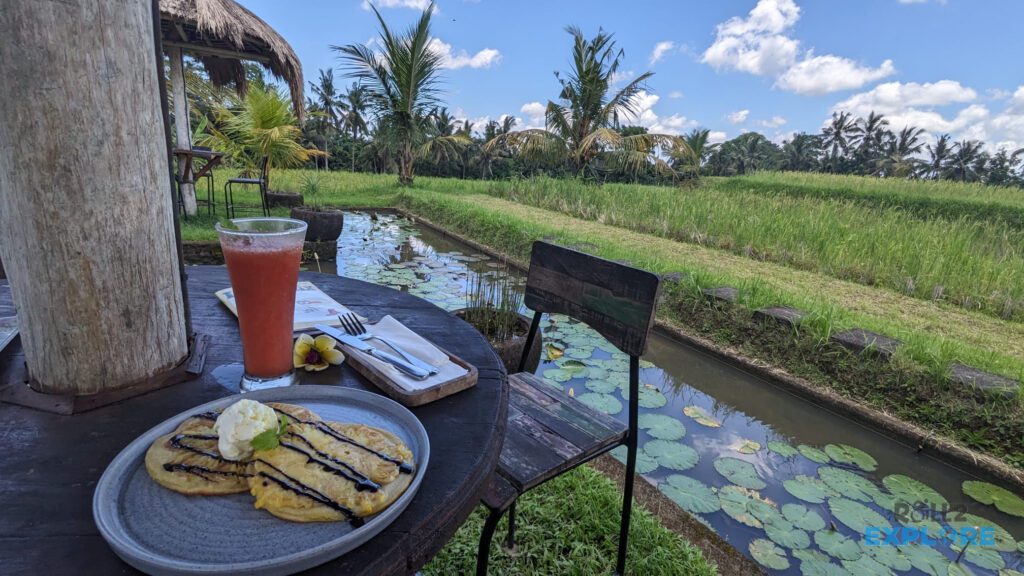
For the next two days, I explored Ubud solo while Nick relaxed at the resort. I did the Sweet Orange Walk and the Campuhan Ridge Walk, both of which were stunning but not fully wheelchair-friendly. I especially enjoyed pineapple pancakes at Bamboo Kitchen. It’s a picturesque place but not wheelchair accessible. For lunch, I grabbed takeaway from Warung Boga Sari, a cozy spot set in a temple. While it was a bit tricky to navigate in a wheelchair, Nick would manage with some effort.
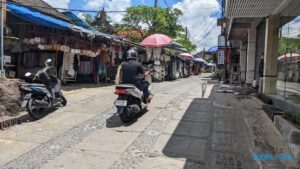
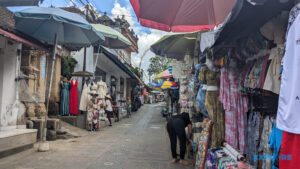
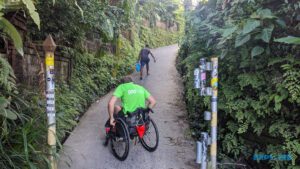
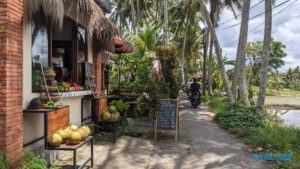
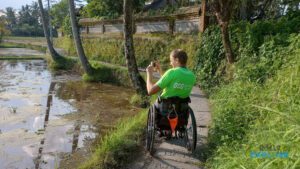
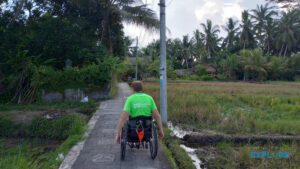
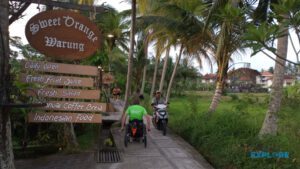

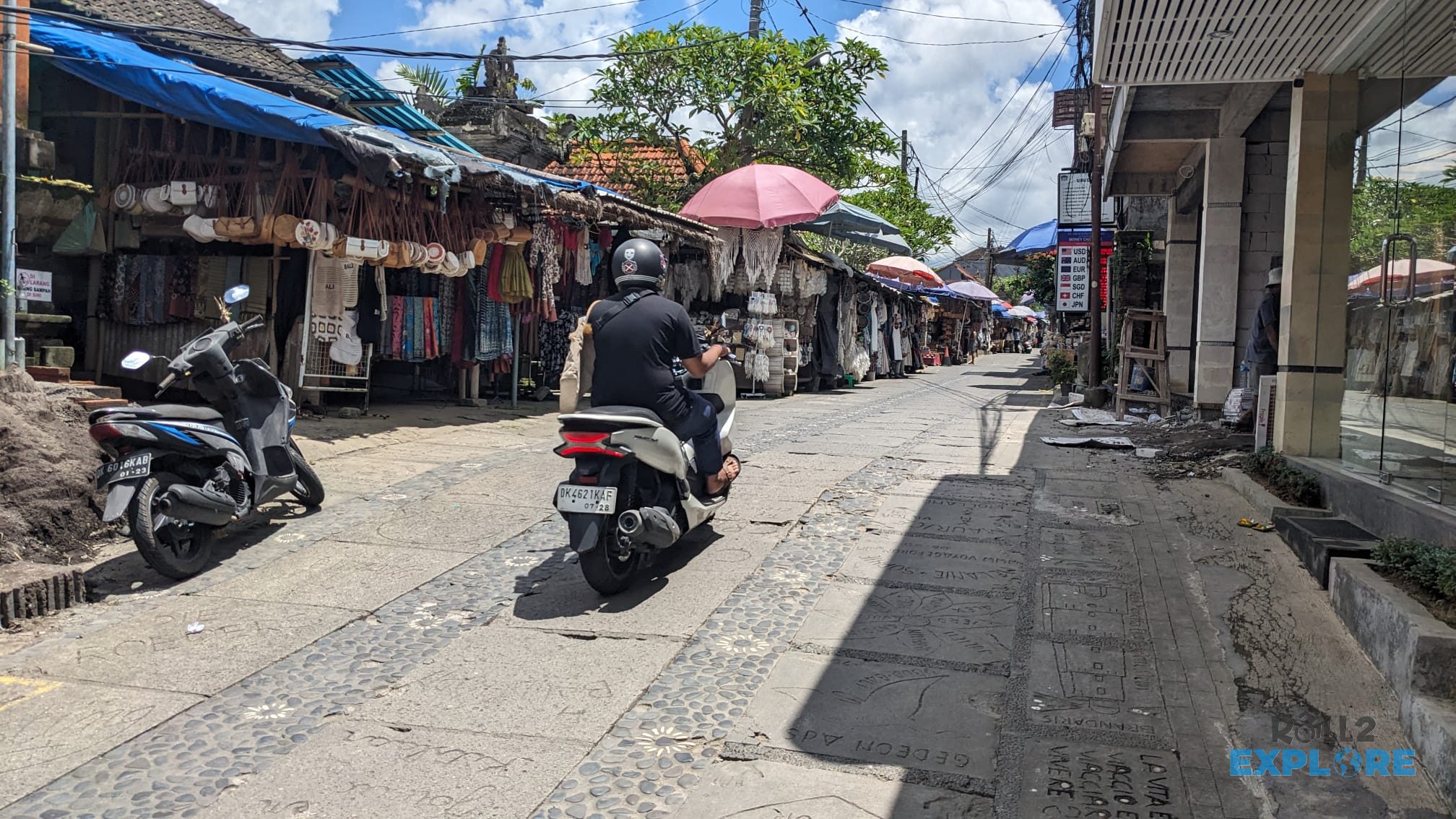
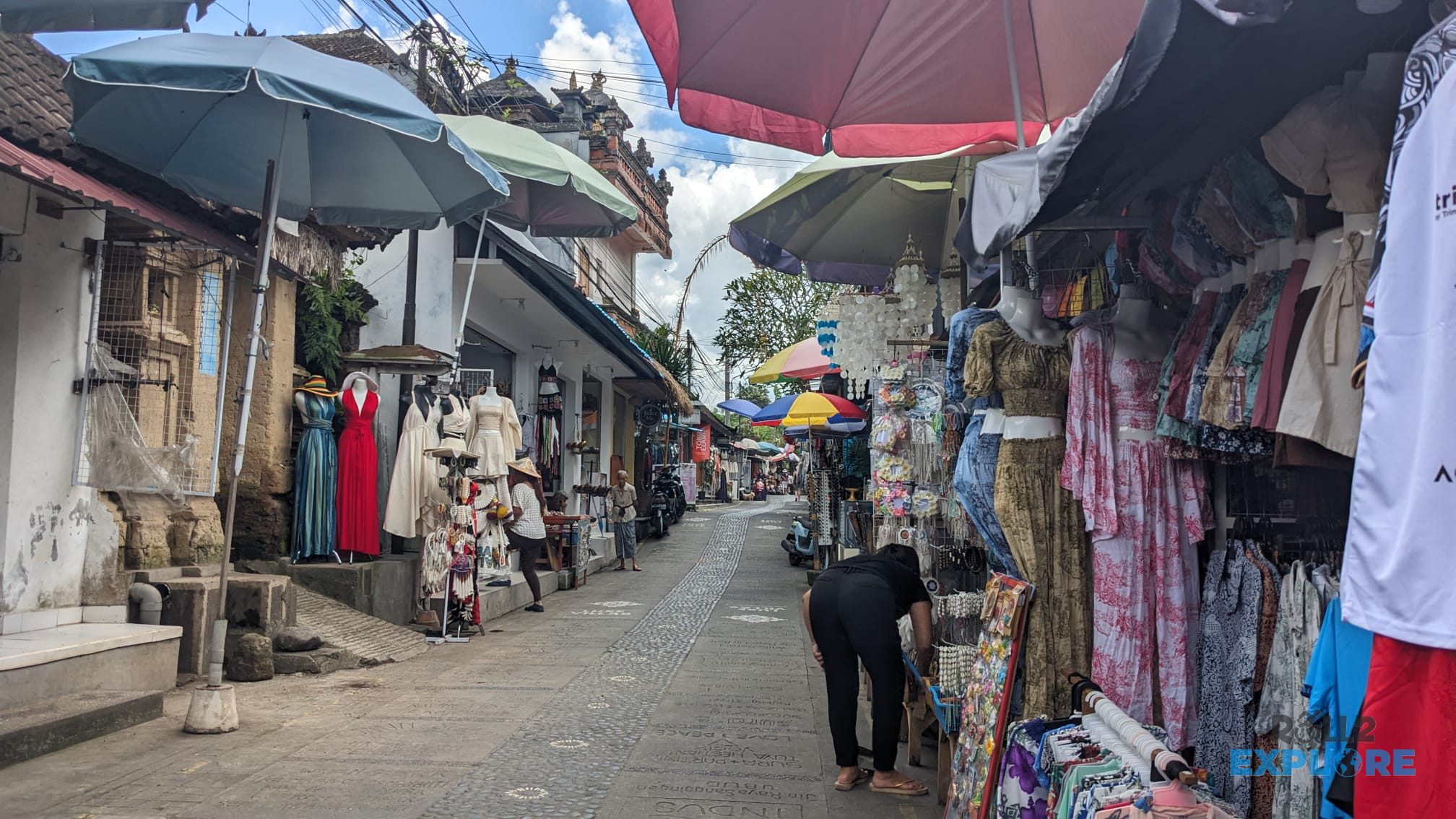
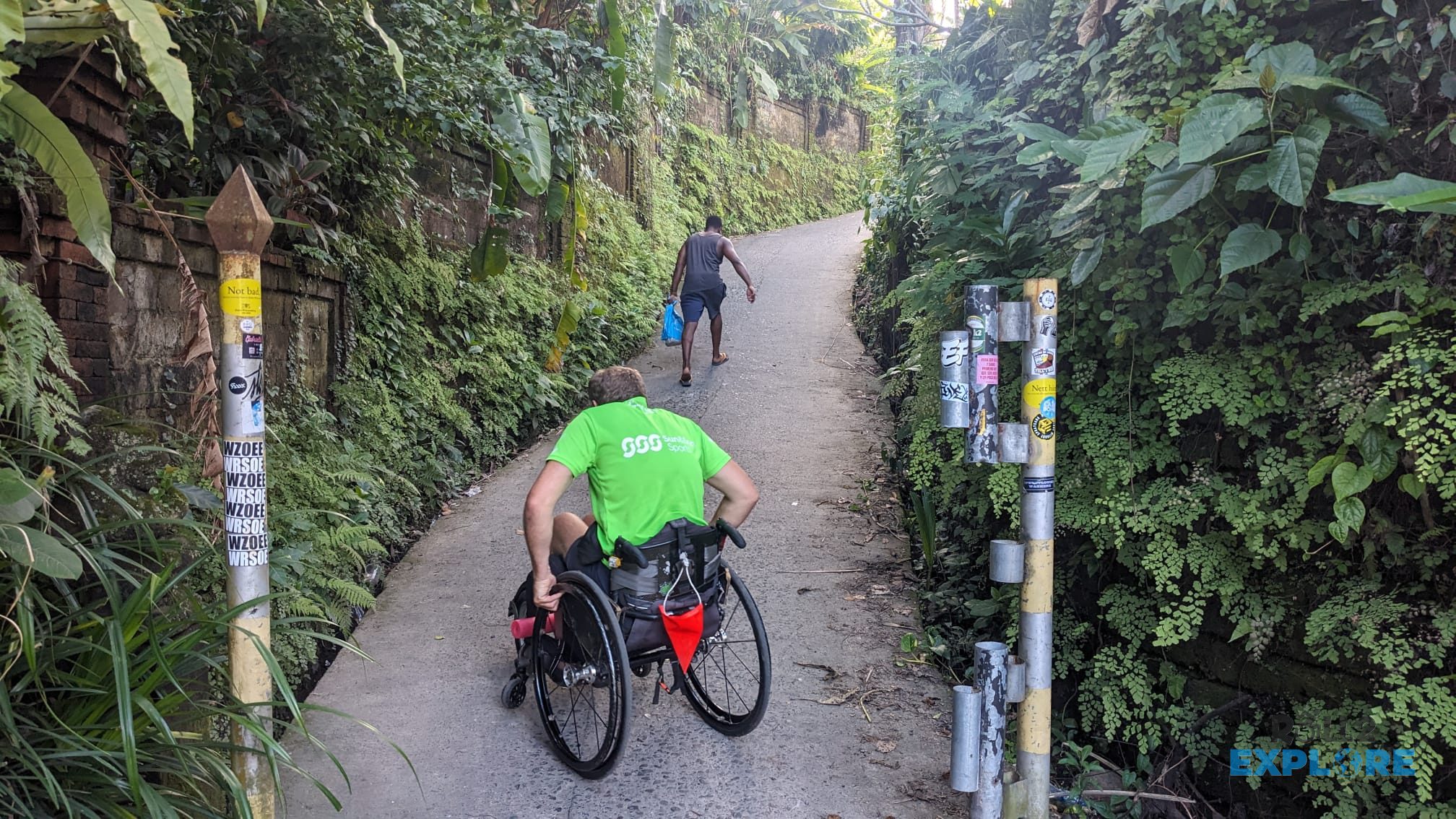
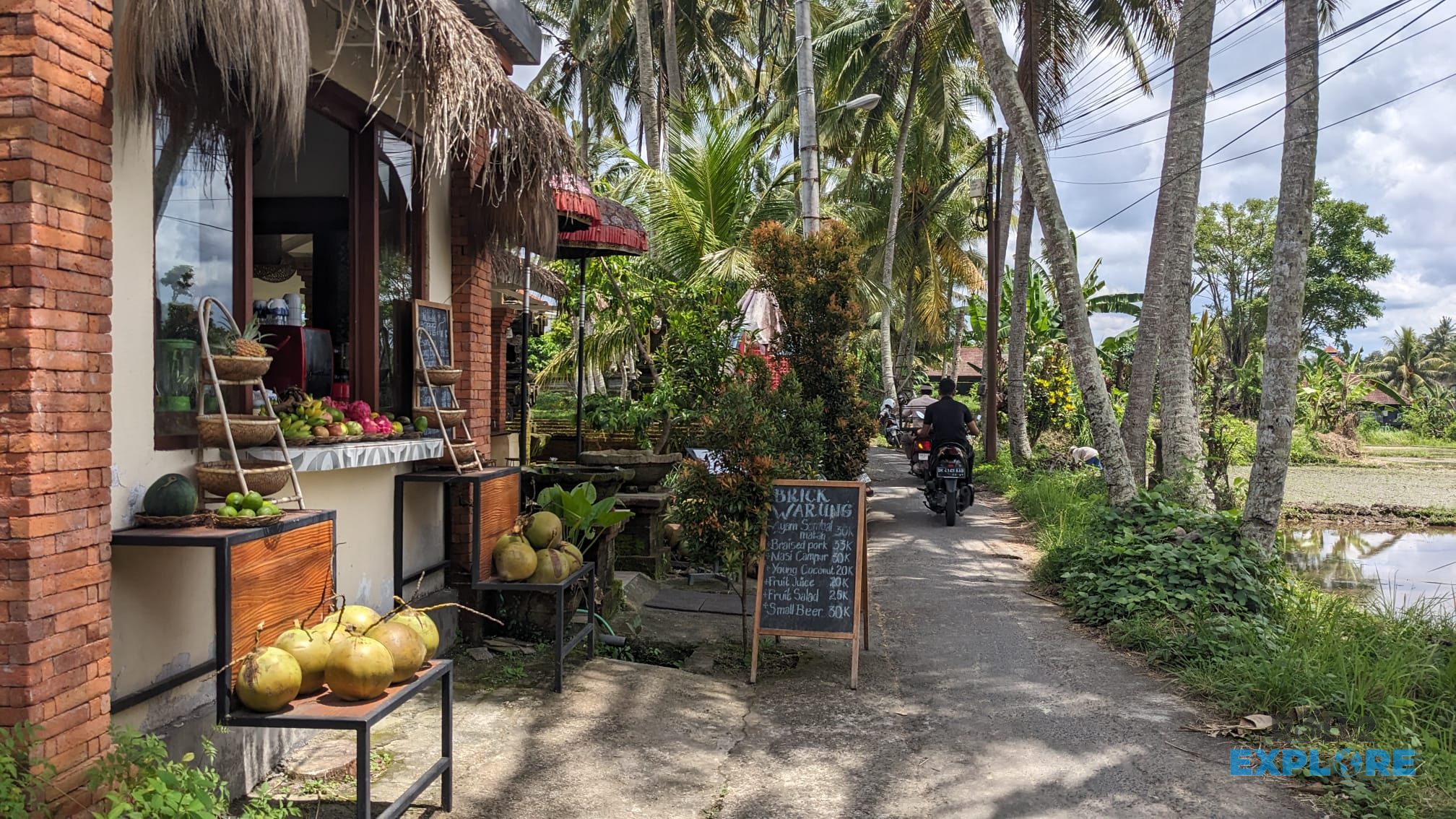
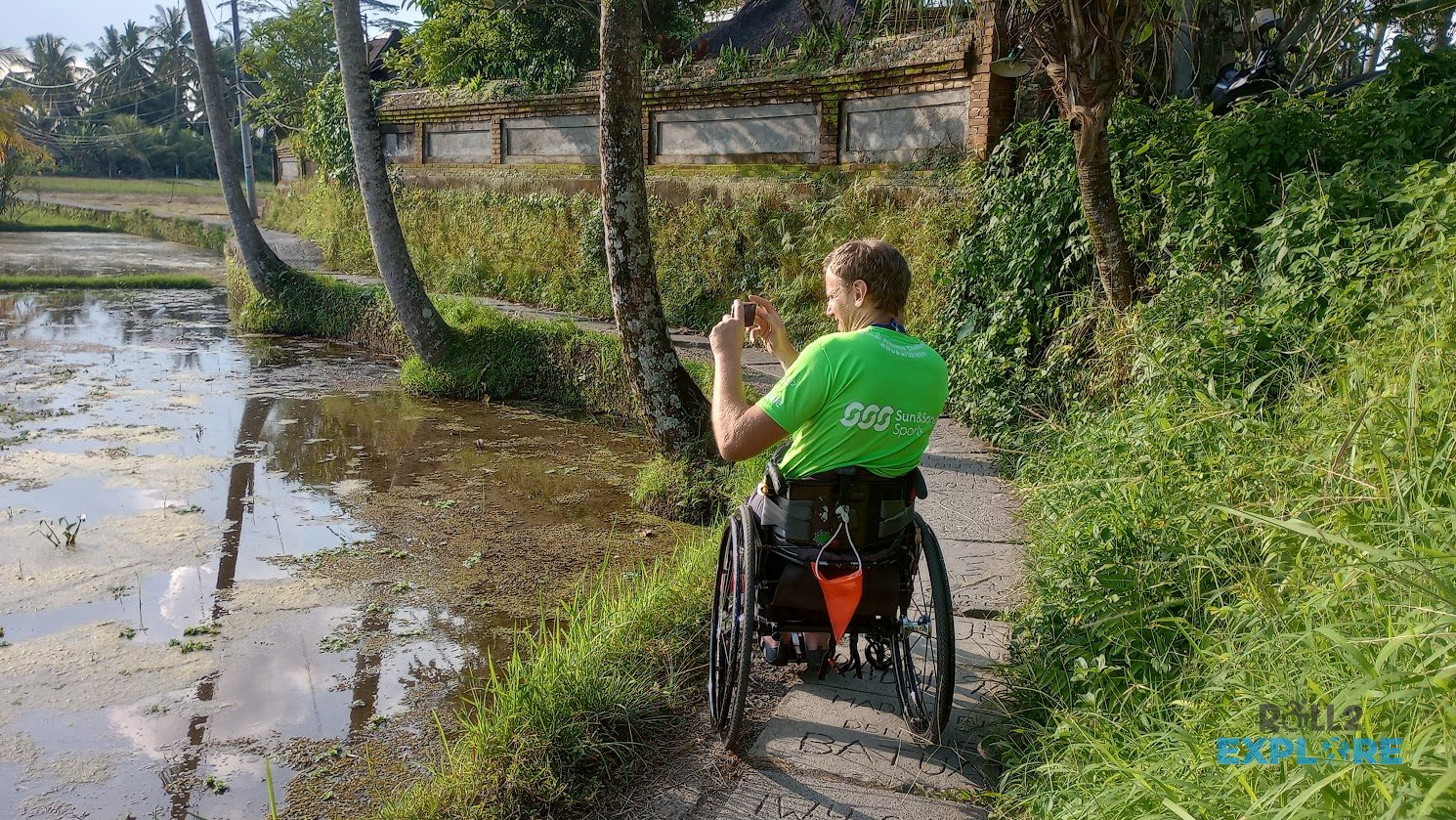
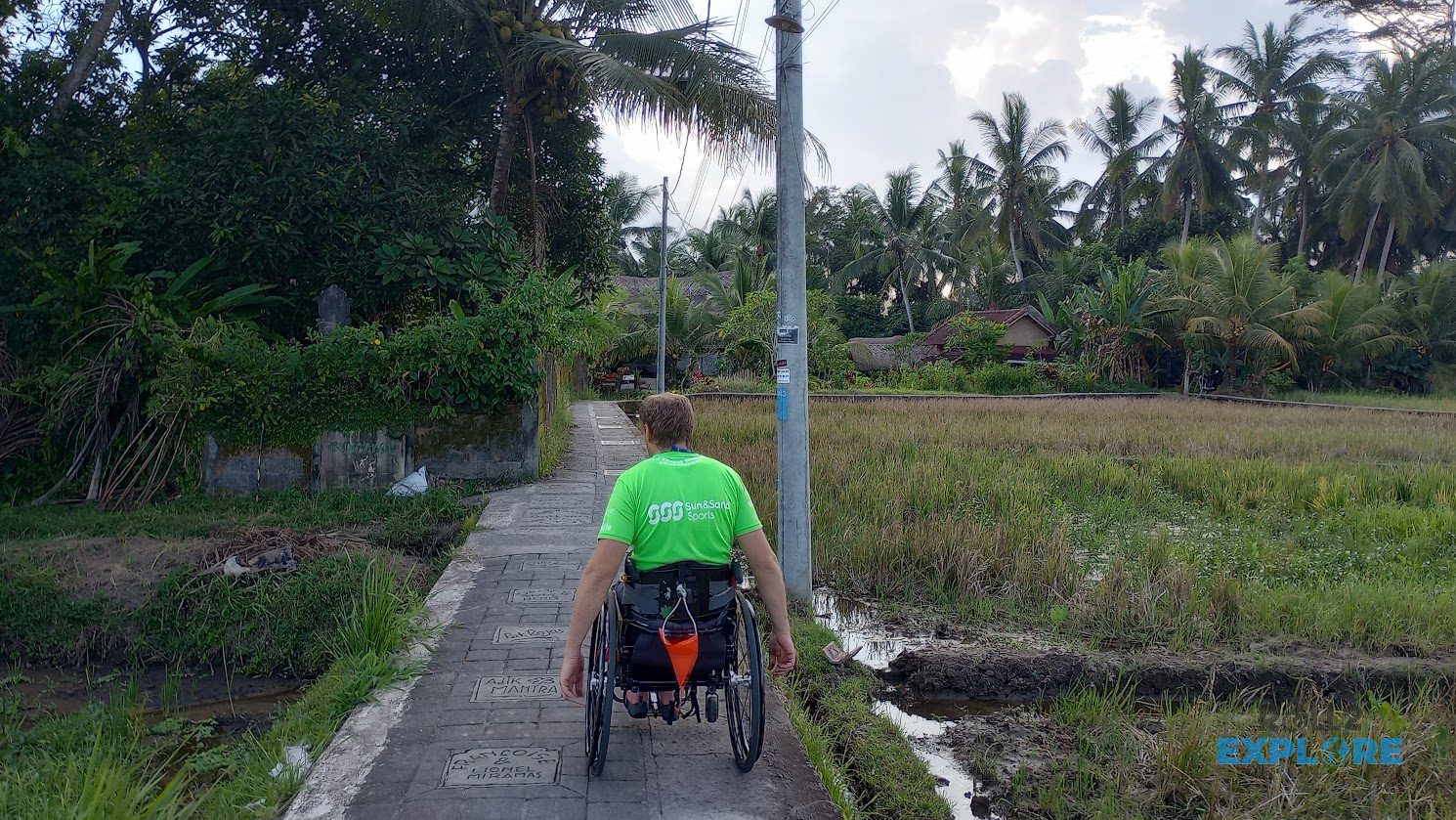
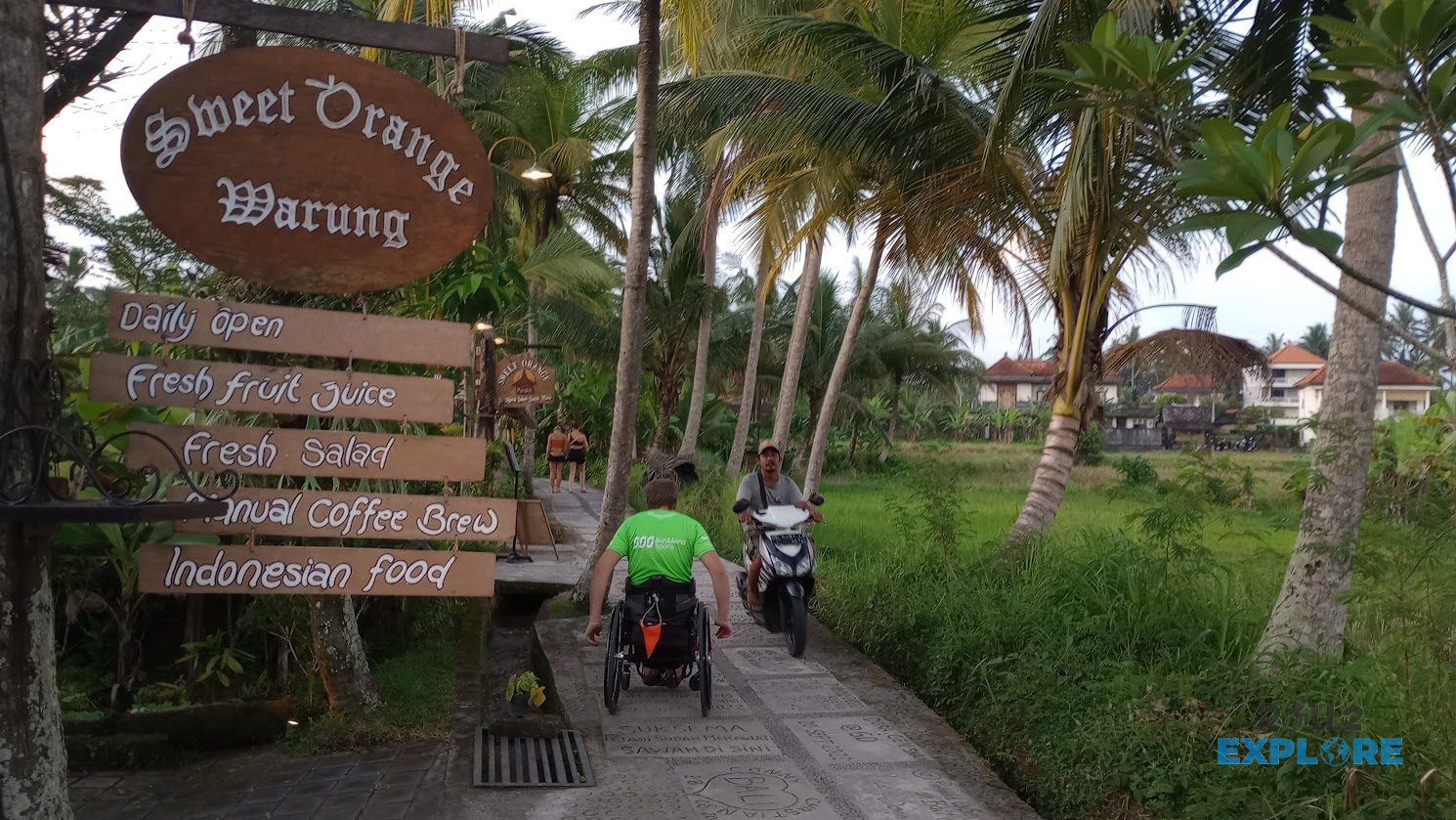
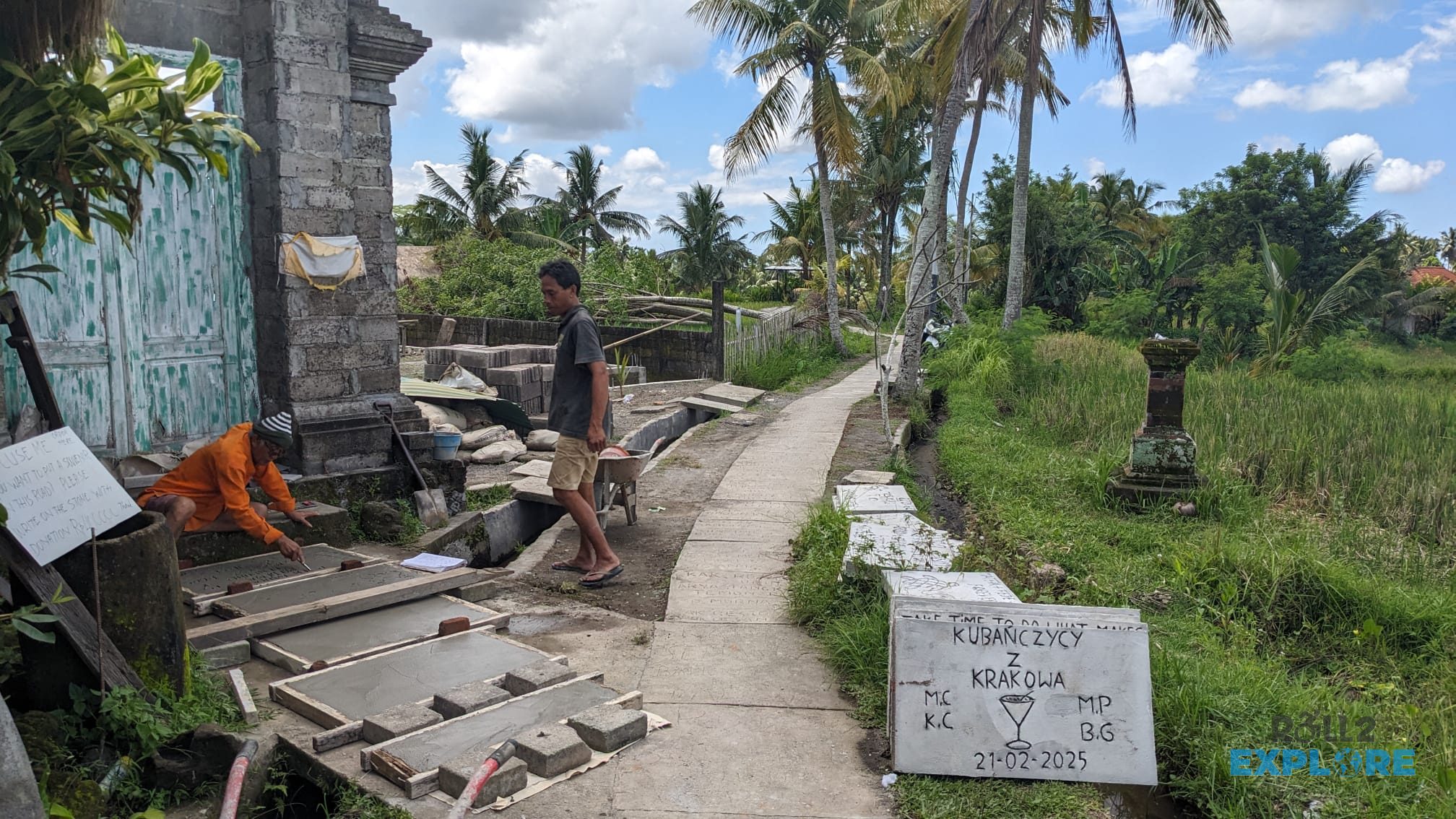
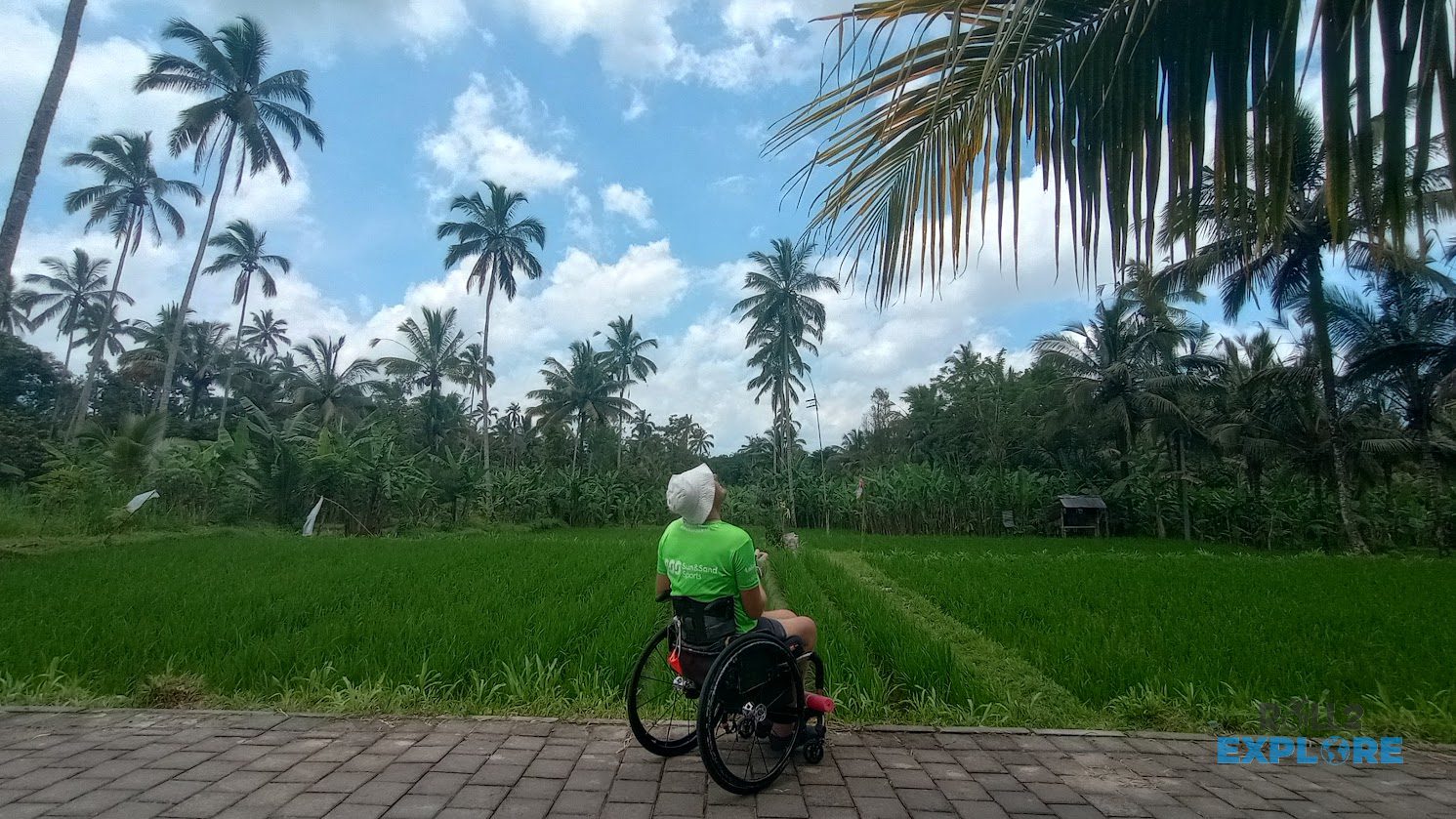
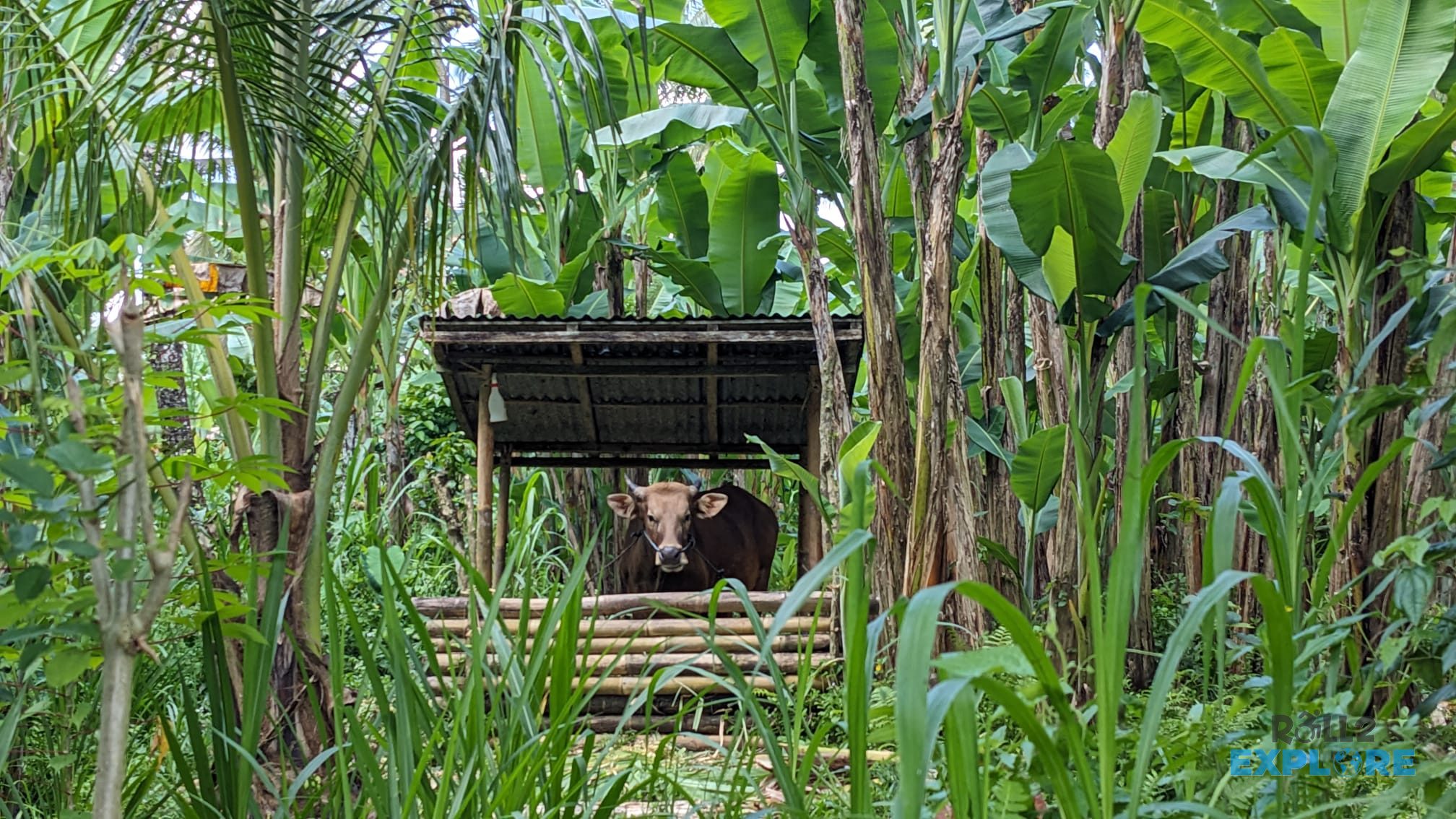
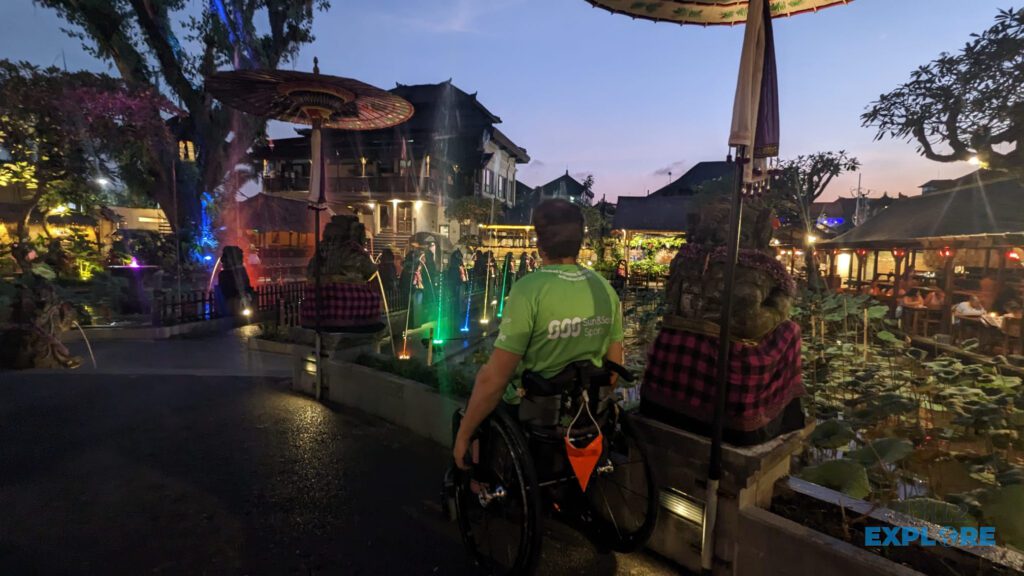
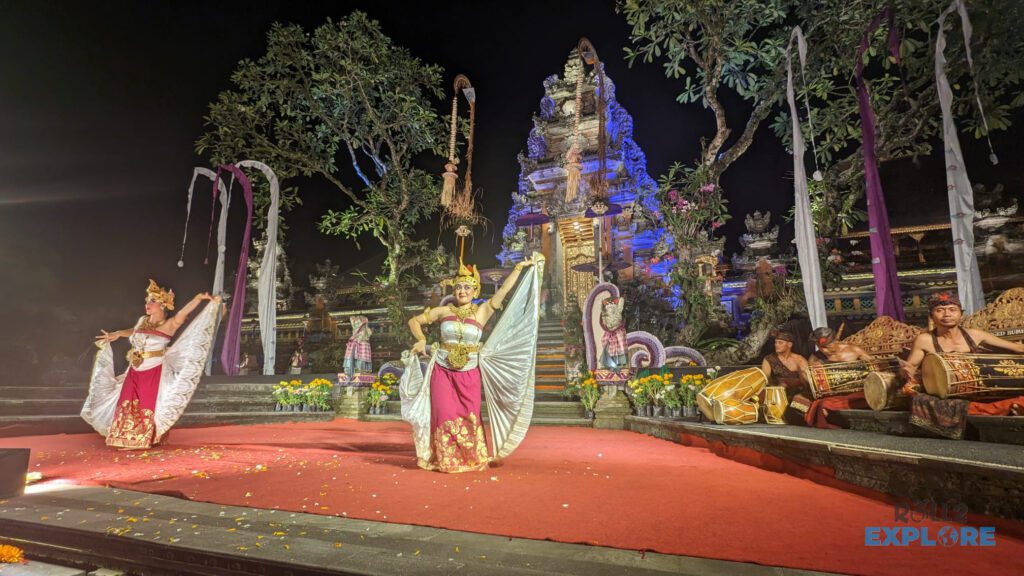
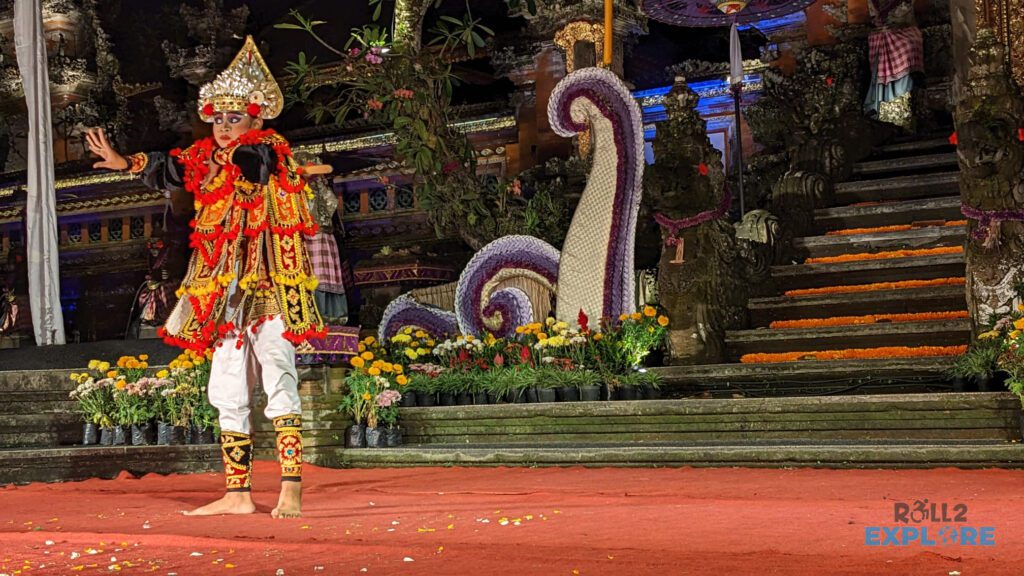
On our final day in Ubud, we embarked on the Sweet Orange Walk together. The walk begins on Kajeng Street, winding through stalls filled with colorful souvenirs. After a short, steep section, the path continues until you reach a turnoff to the left, leading into the picturesque rice fields. While the rice field path was slightly uneven, Nick thoroughly enjoyed the peaceful stroll. We capped off the day with dinner at Sweet Orange Warung, which had a step-free section, making it easy for Nick to join. After dinner, we retraced our steps to attend a Joged dance show at Lotus Palace. Although the show required assistance to navigate the steps, it was a memorable cultural experience.

Final Thoughts on Accessibility in Bali (So Far)
Bali is a destination that requires a lot of planning for wheelchair users, but it’s possible to enjoy your holidays here in a wheelchair without spending a lot of money and hiring private drivers. While many places have steps or uneven paths, the Balinese people are incredibly kind and willing to help. We found that communication and a bit of creativity (like the makeshift ramp at Senetan Villas) can go a long way. Stay tuned for the next part of our journey!
Have you traveled to Bali with a wheelchair? Share your experiences and tips in the comments below!