
Our 10 Wheelchair-Accessible & Budget-Friendly
Favorites in Seoul
Seoul surprised us with its mix of modernity and tradition, all while being remarkably accessible. From free cultural gems to smooth subway rides (with a few caveats), here’s why South Korea’s capital deserves a spot on every adaptive traveler’s list.
1. Incheon Airport’s Hidden Gems
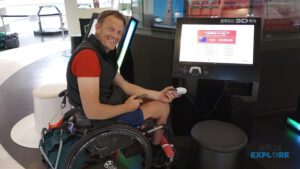
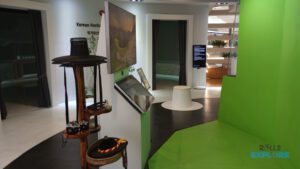
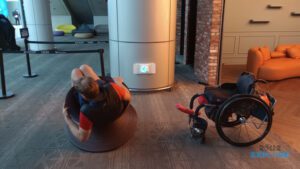
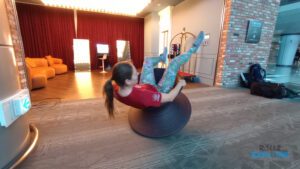
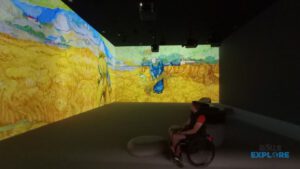
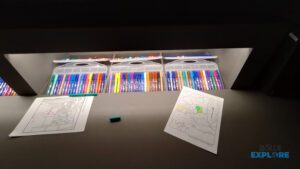
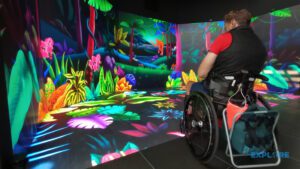
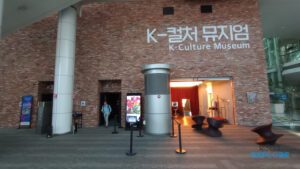
📌 Why we love it: Skip the layover boredom! The airport’s K-Culture Museum (free entry) dazzles with interactive screens showcasing K-pop and traditional arts. Nearby, the Korean Heritage Visitor Centre lets you “fly” a drone over Korean landmarks or experience traditional festivals via VR (VR Zone is not wheelchair-accessible), pose in hanbok photos, and collect stamps in your special passport for prizes. The airport offers a lot of different free exhibitions and performances, check out their website.
♿ Accessibility: Both venues have no steps, wide aisles; accessible restrooms are located nearby.
2. Strolling Through History at Seoul’s Palaces and Shrines
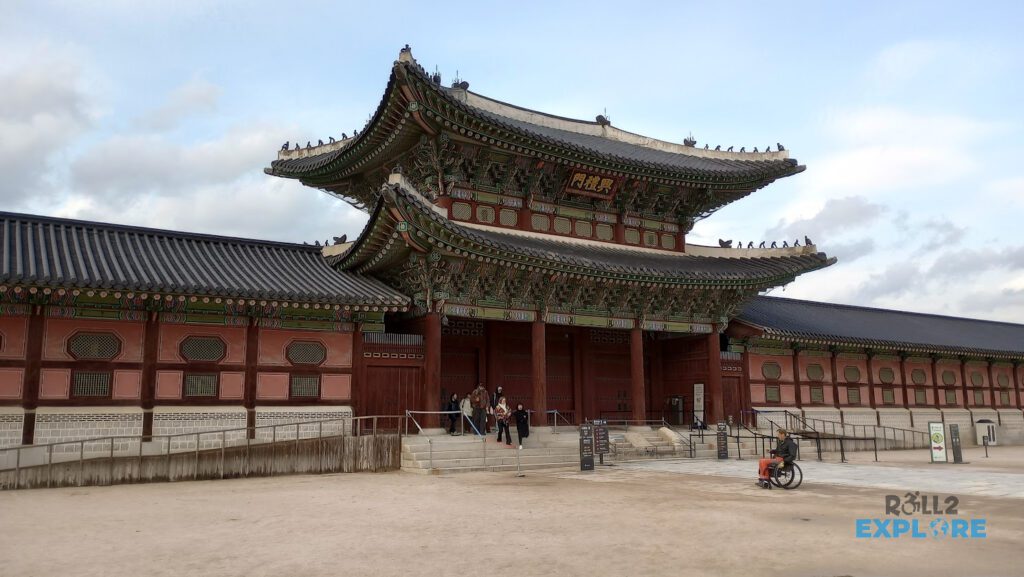
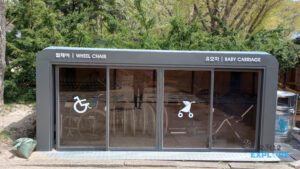
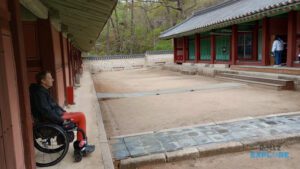
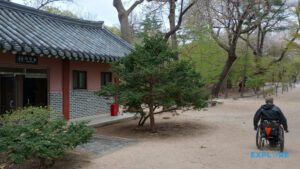
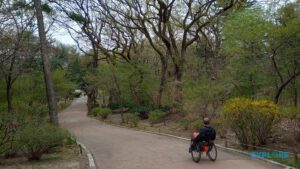
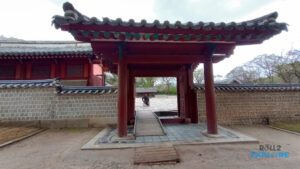
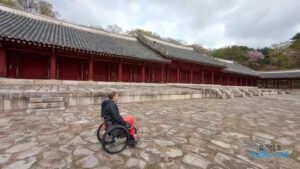
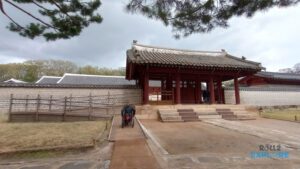
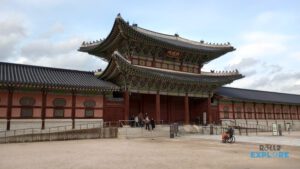
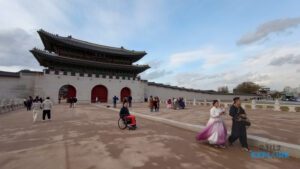
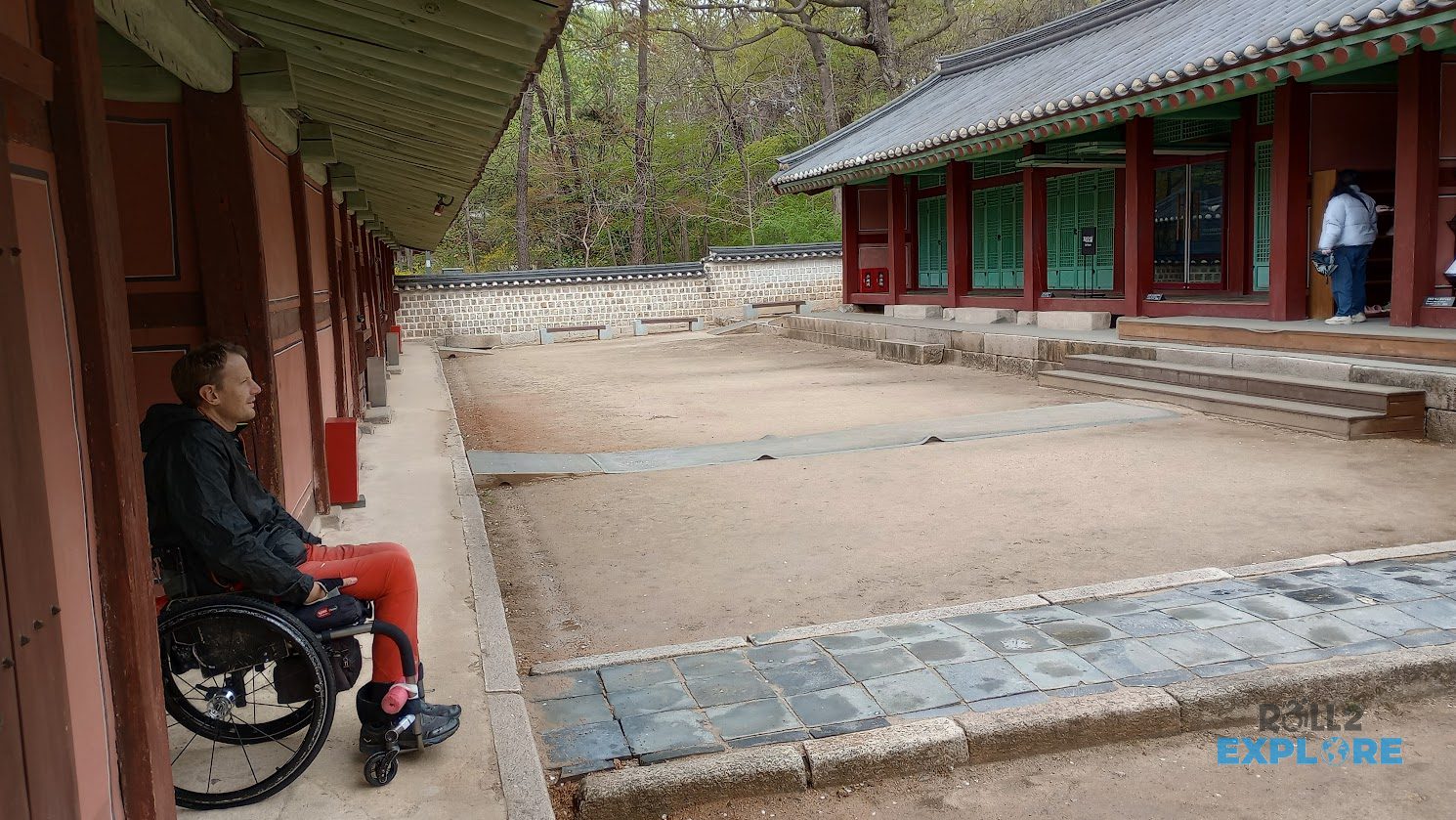
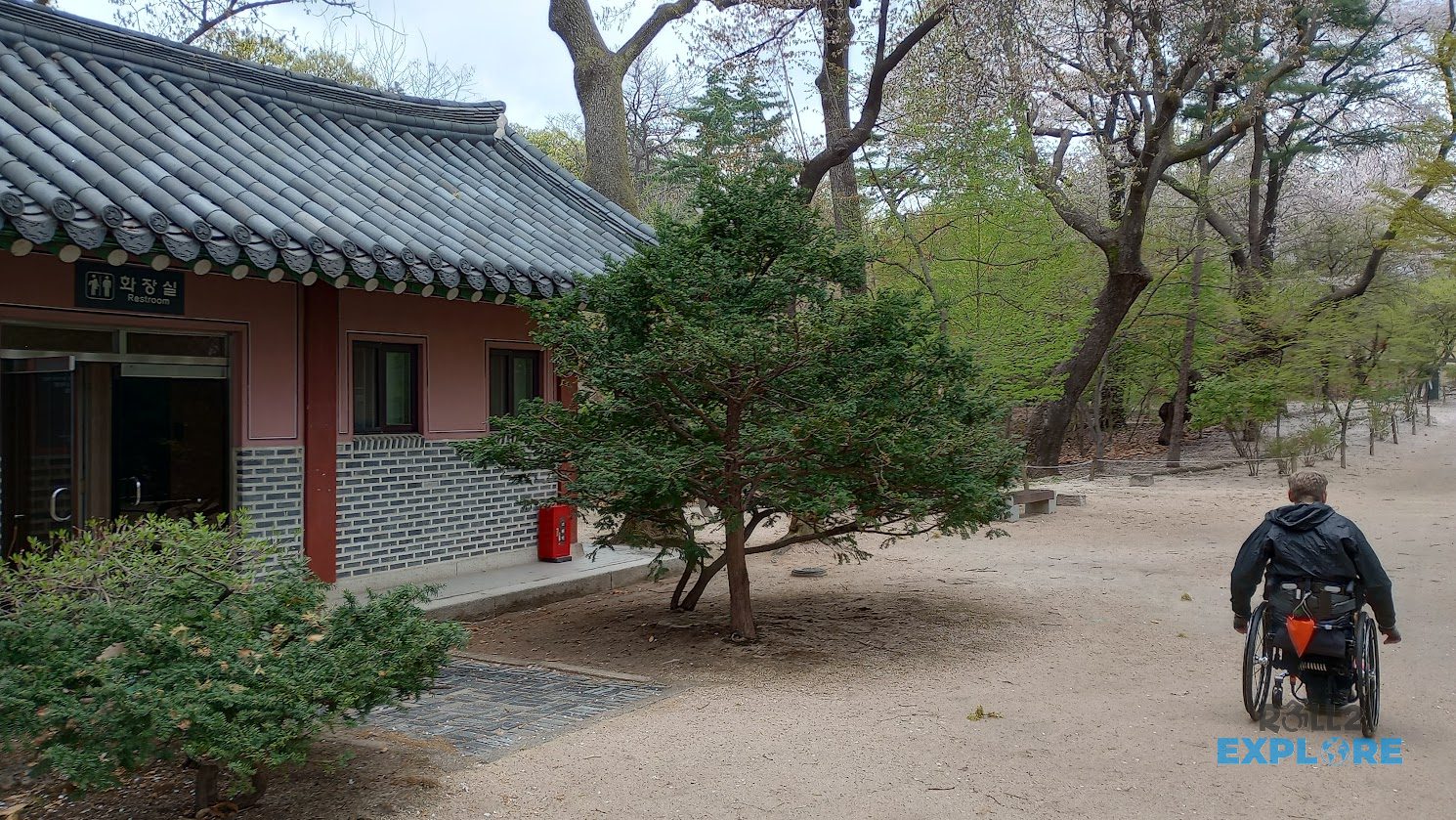
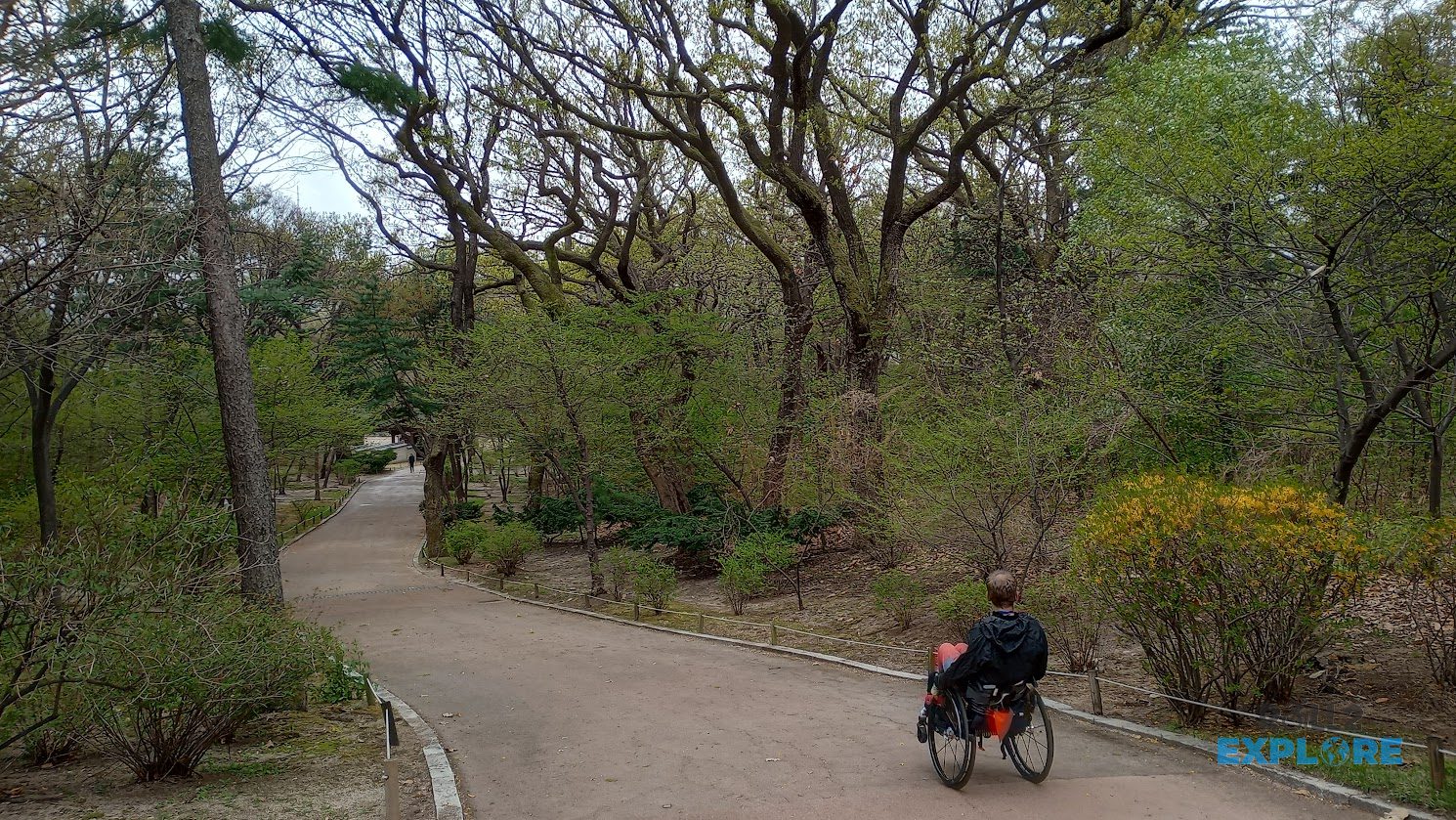
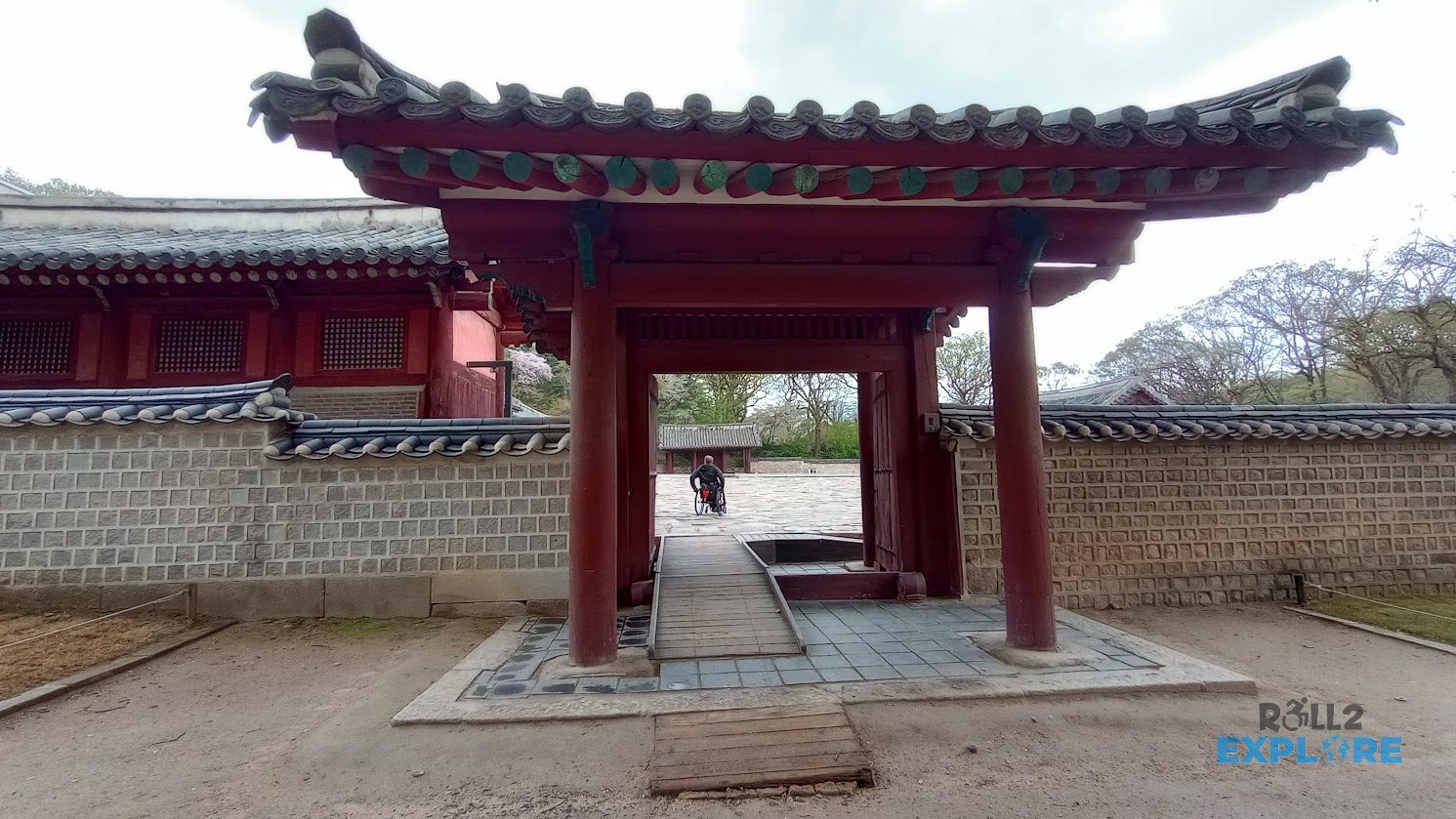
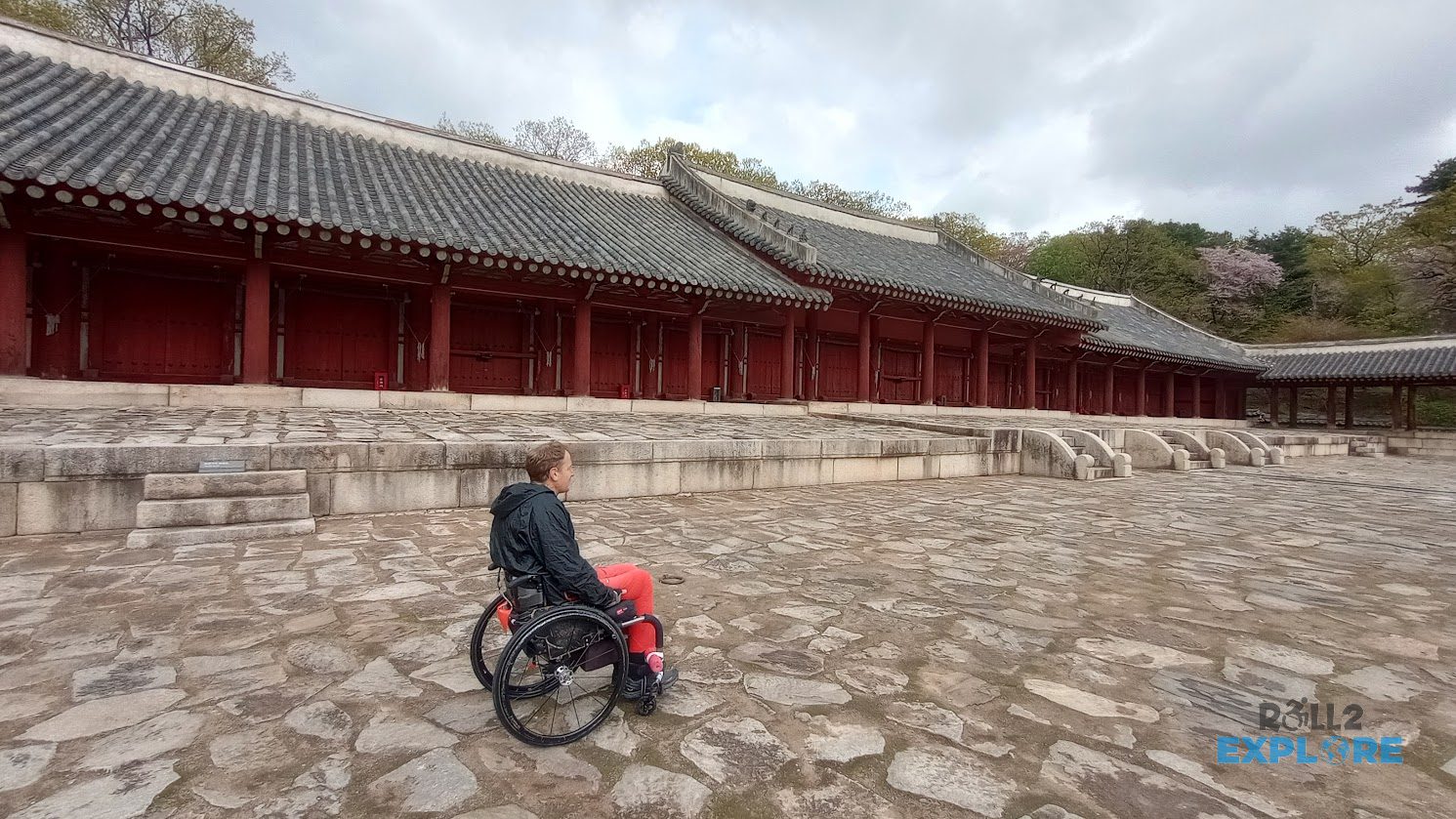
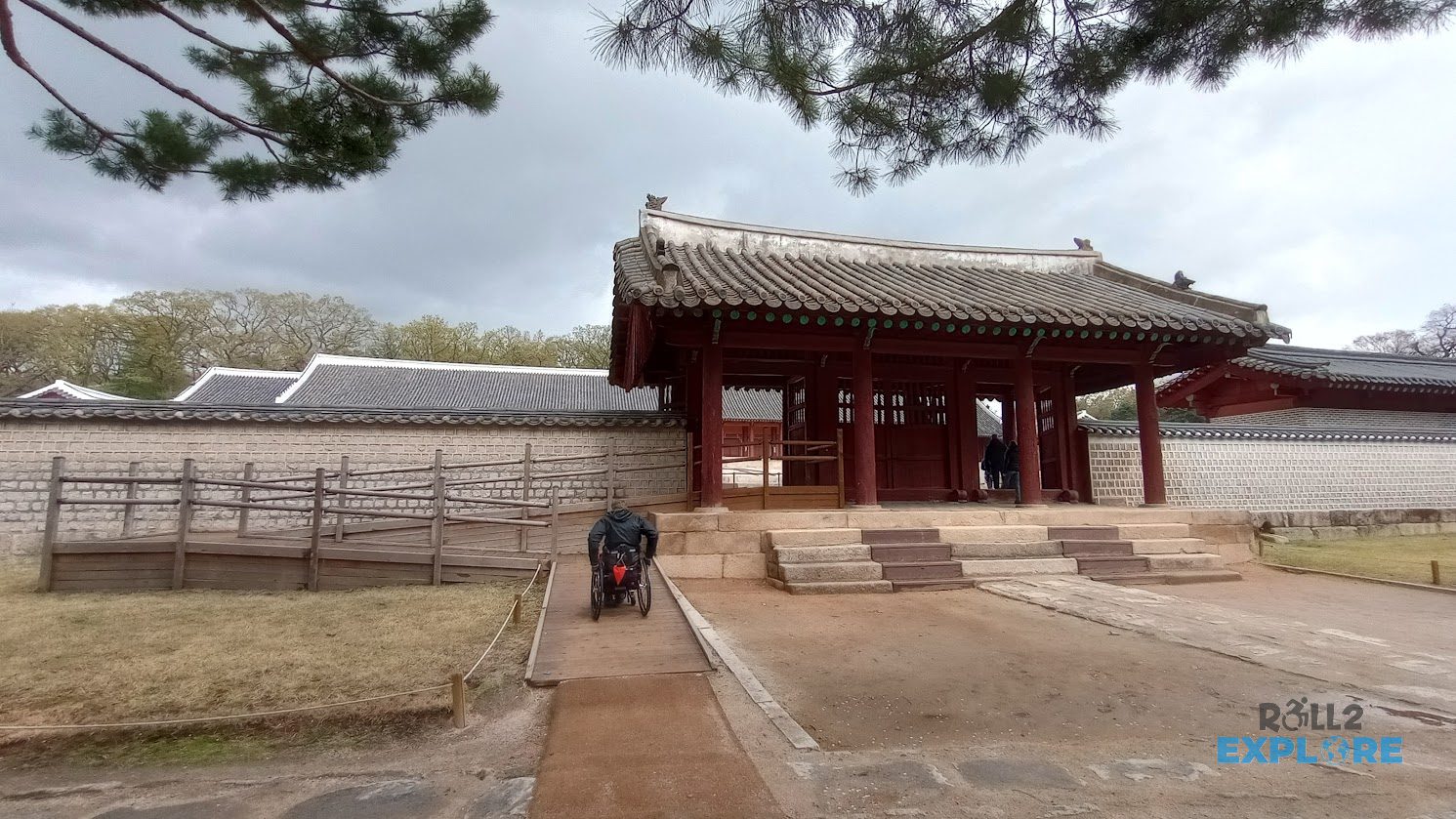
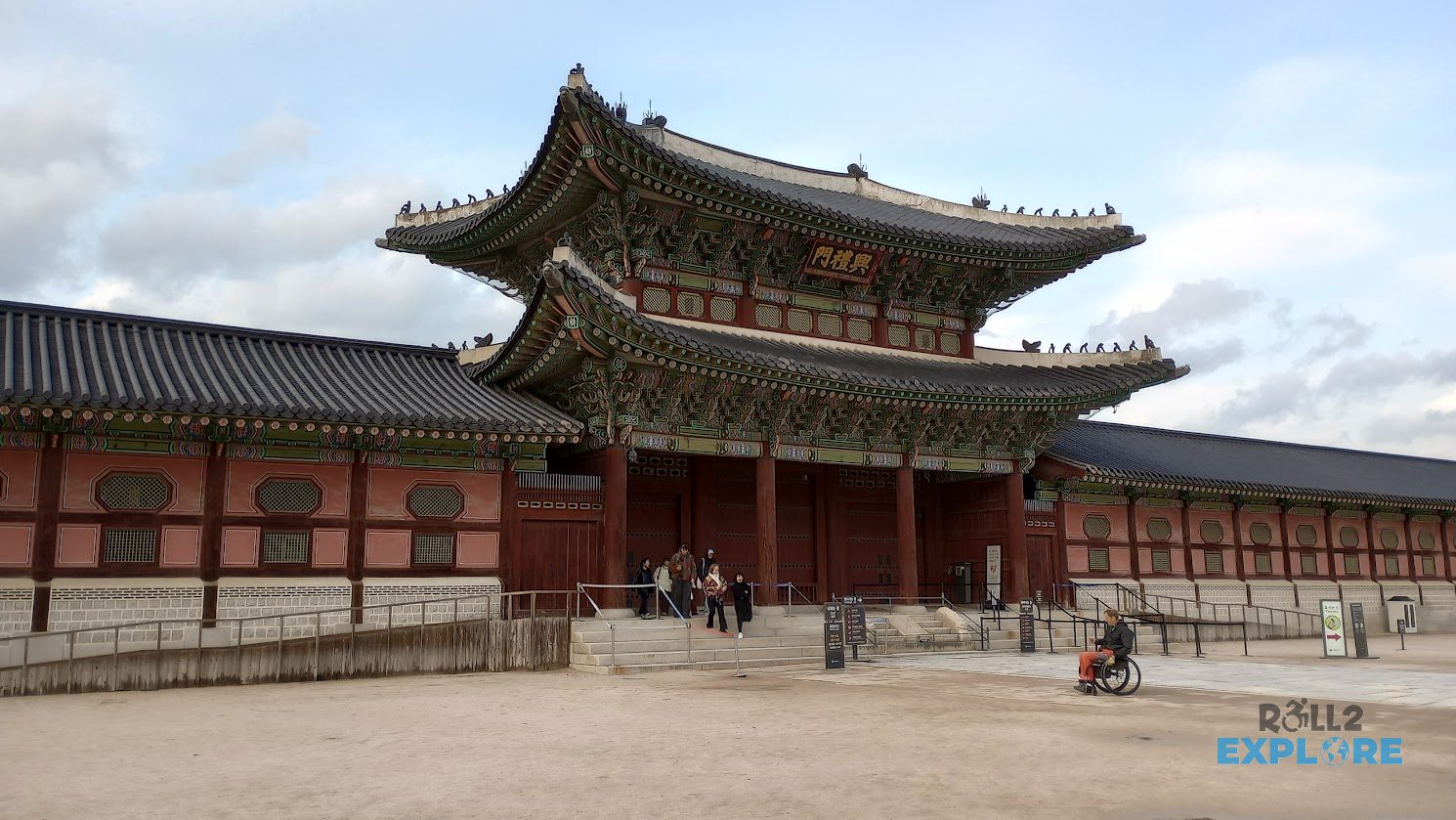
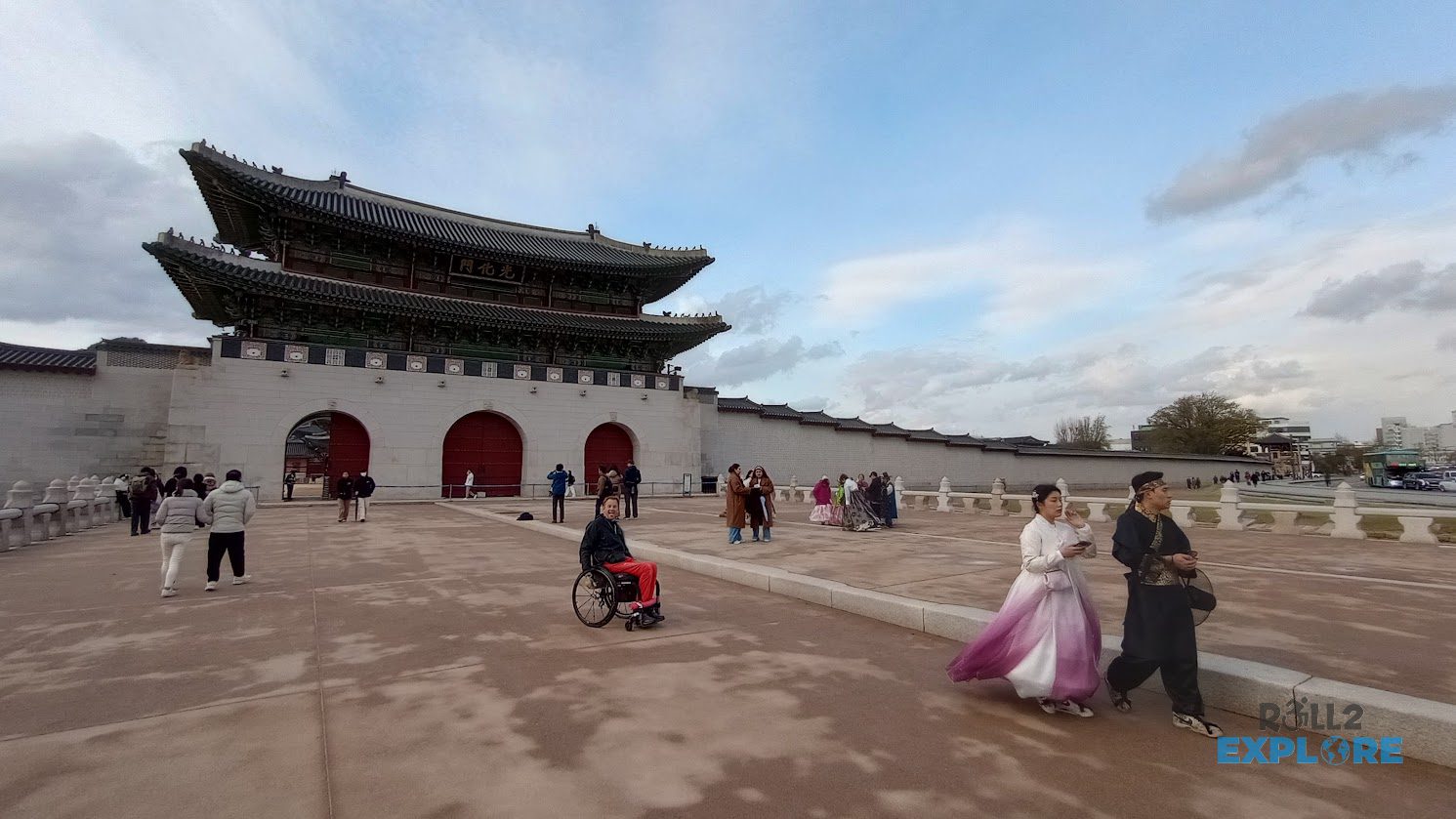
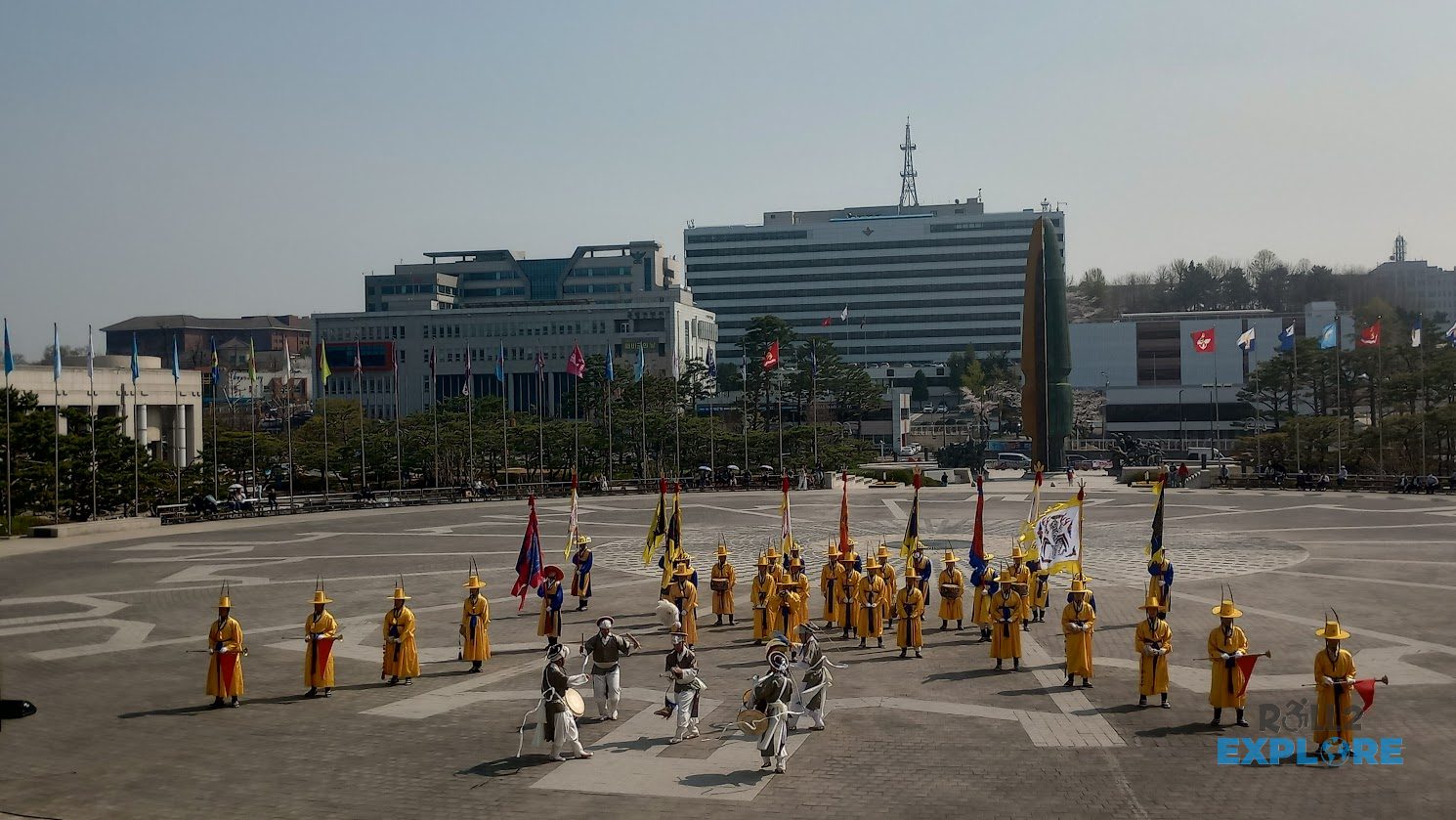
📌 Why we loved it: We loved exploring Jongmyo Shrine’s serene grounds, where compacted gravel paths (manageable for wheelchairs, sometimes a bit steep) weave through ancient pine trees and peaceful courtyards. Nearby, Gyeongbokgung Palace dazzles with its 10am and 2pm changing of the guard ceremony (free). Afterward, follow the main central pathway—once reserved for royalty—to admire the throne hall and mountain backdrop.
♿ Accessibility:
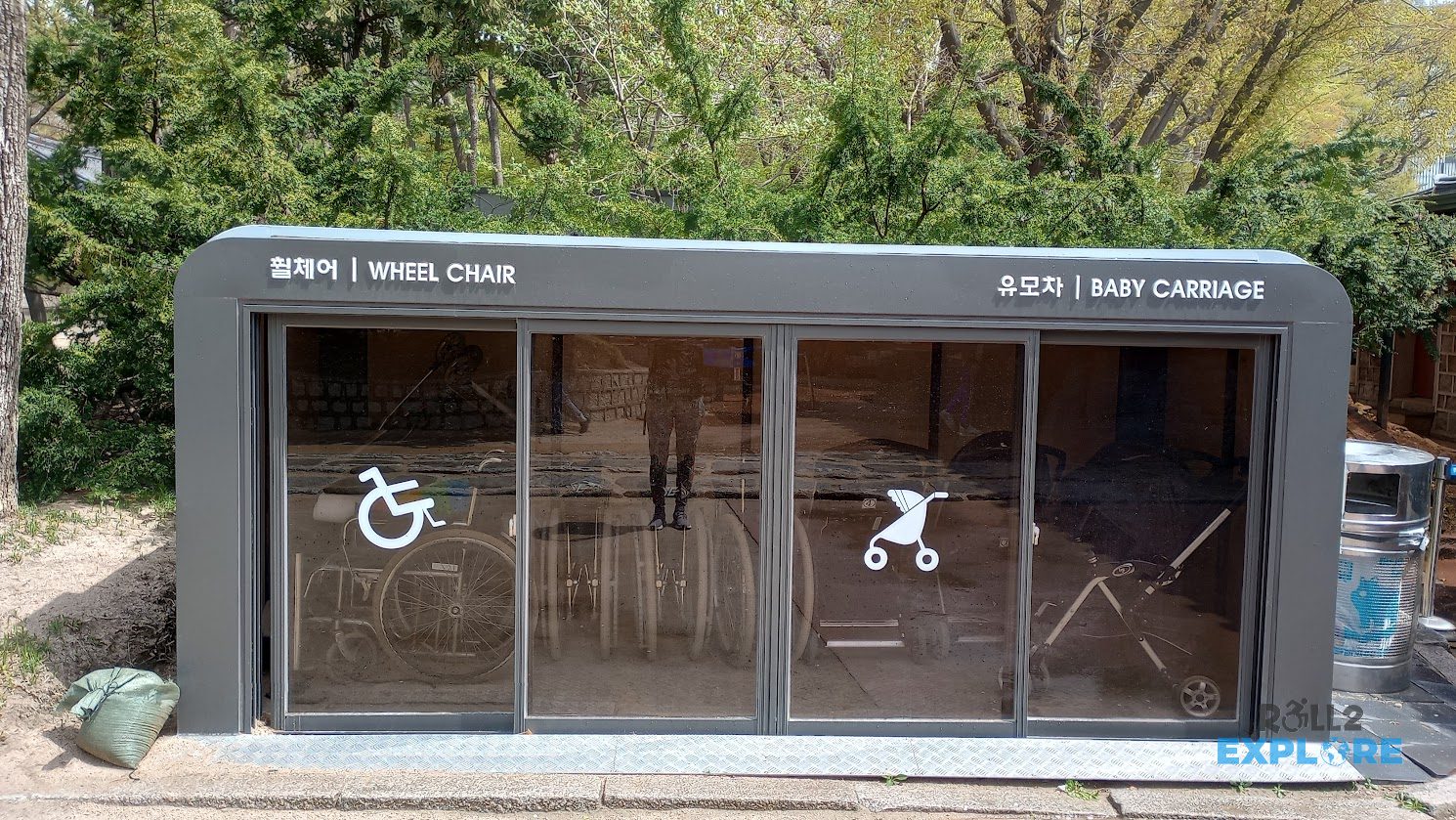
- Ramps at main entrances and throughout the palaces, but expect unpaved paths in courtyards.
- Wheelchair rentals available.
- Accessible restrooms near ticket offices.
3. Free Sips at Hansik Space E:eum
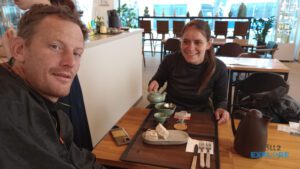
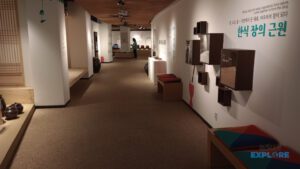
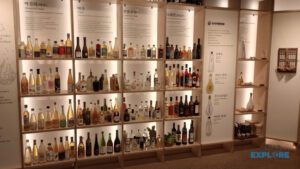
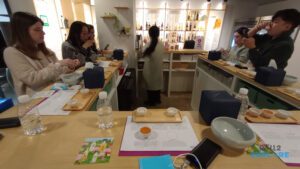
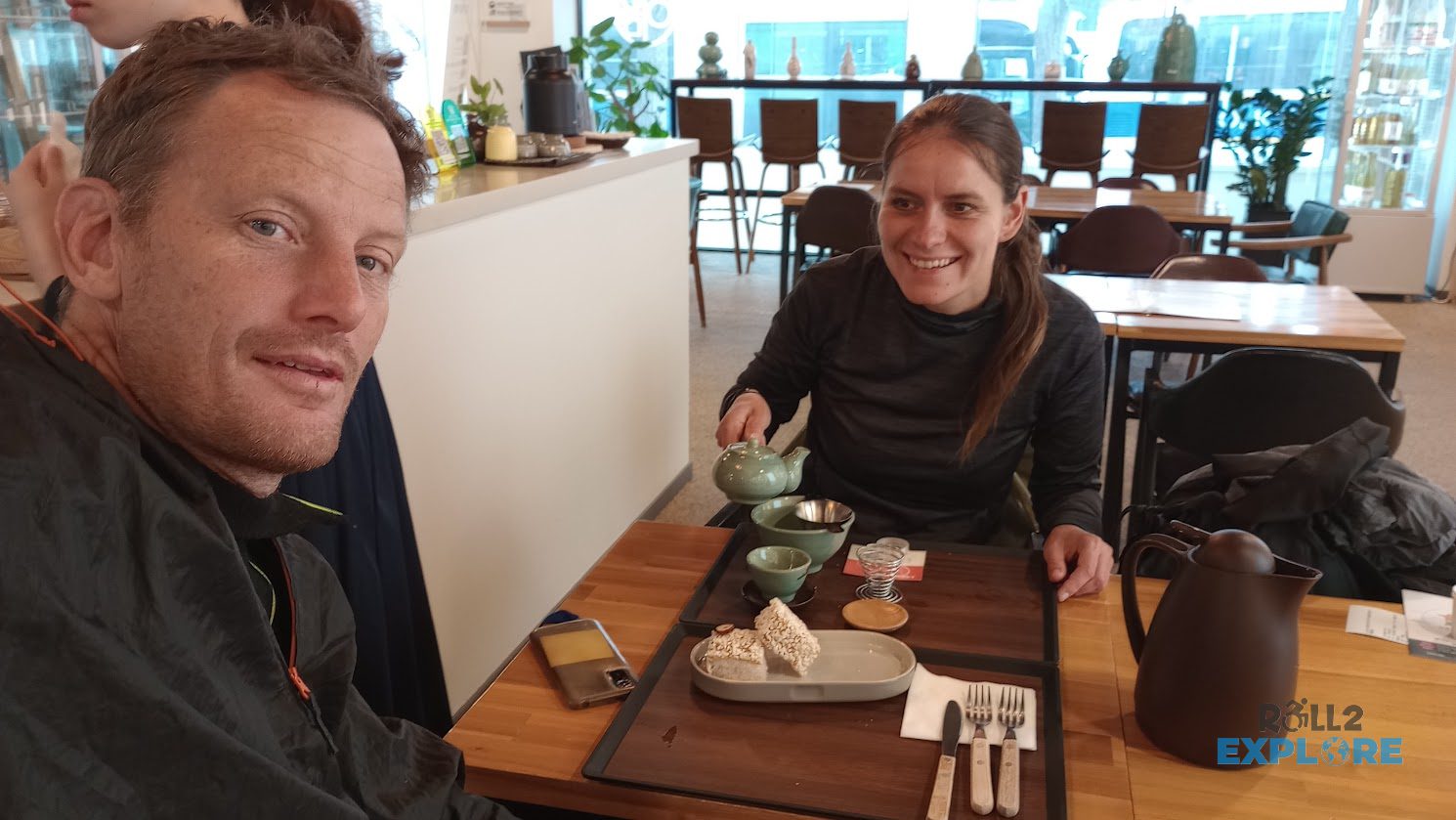
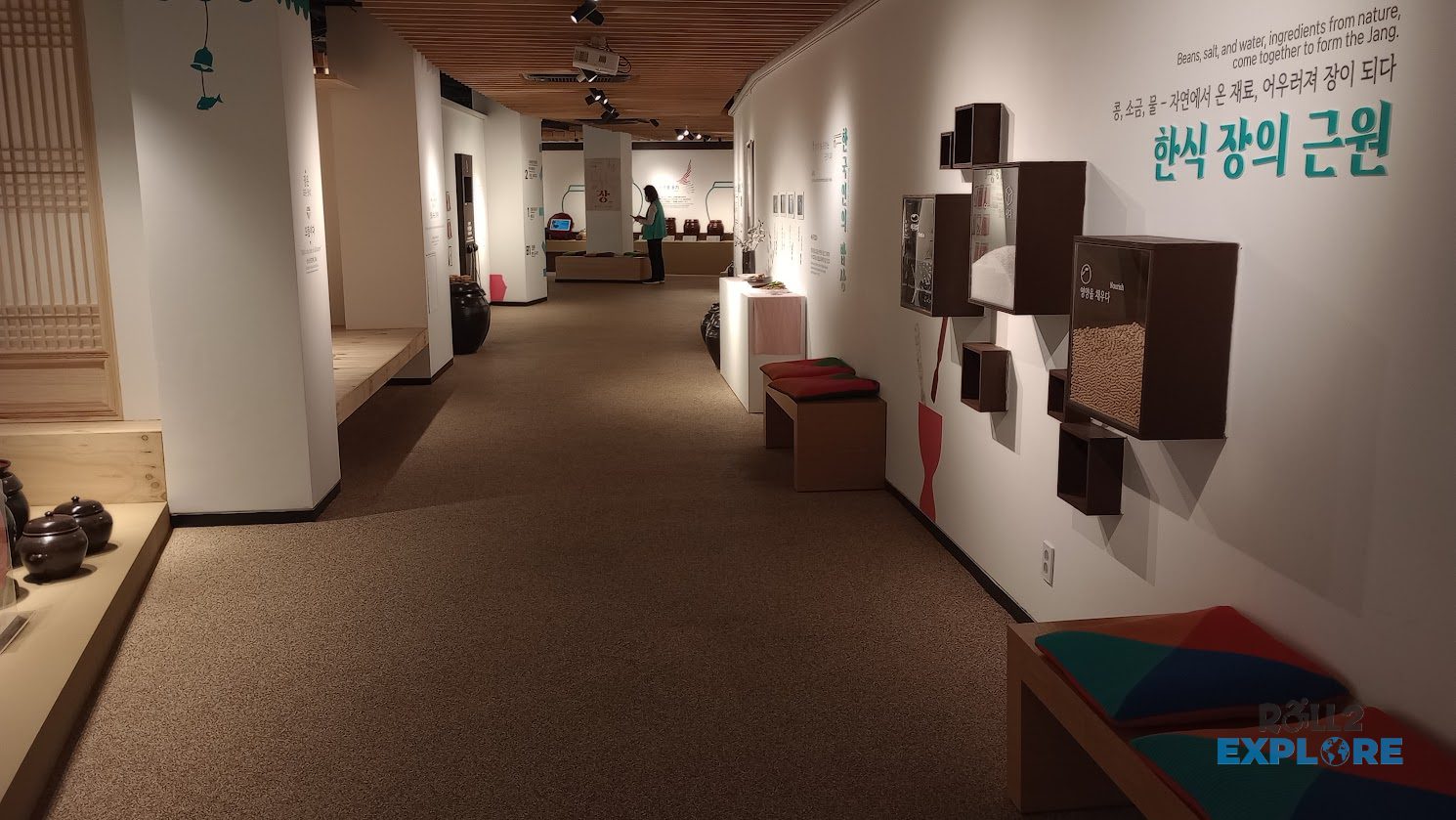
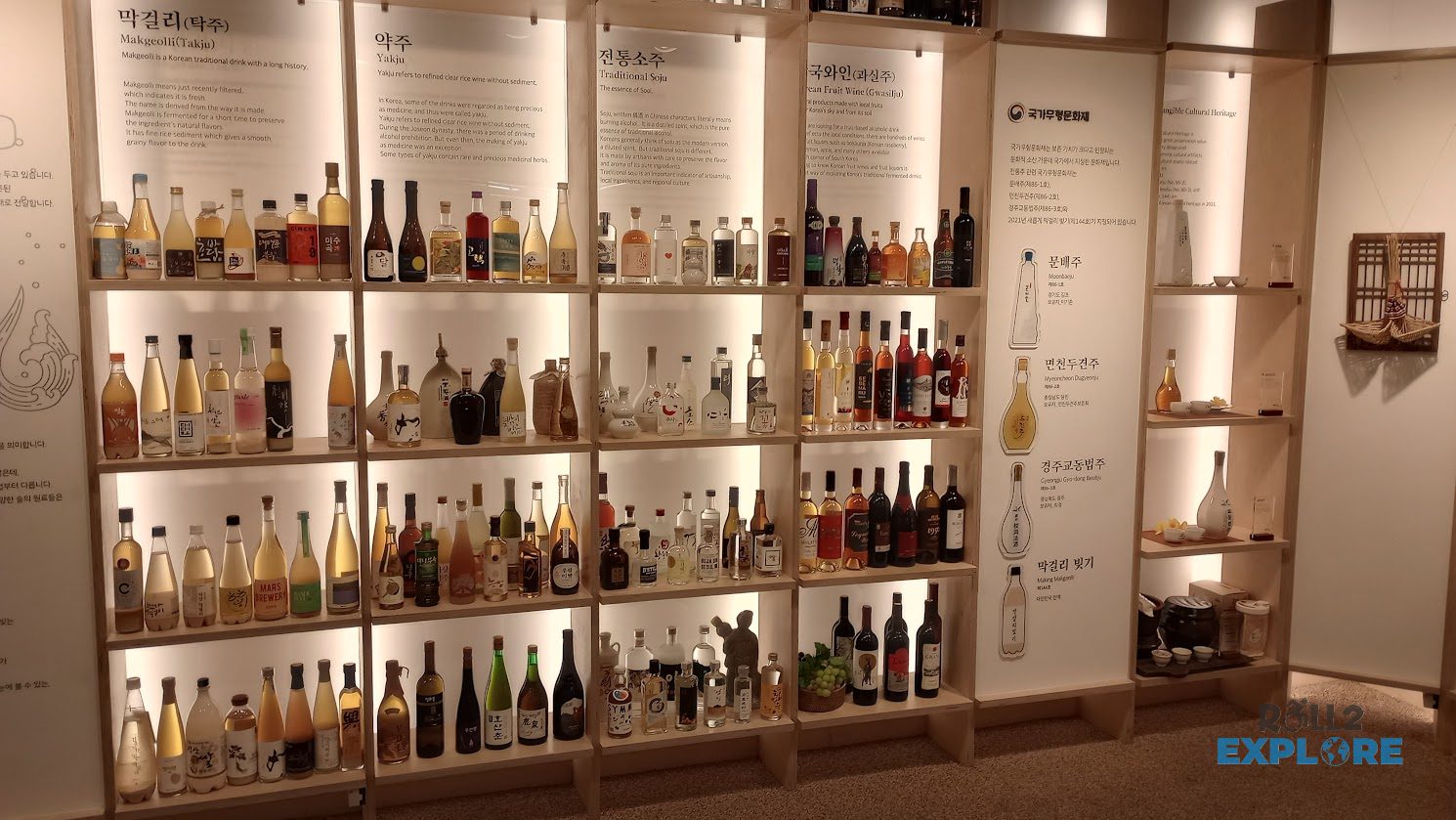
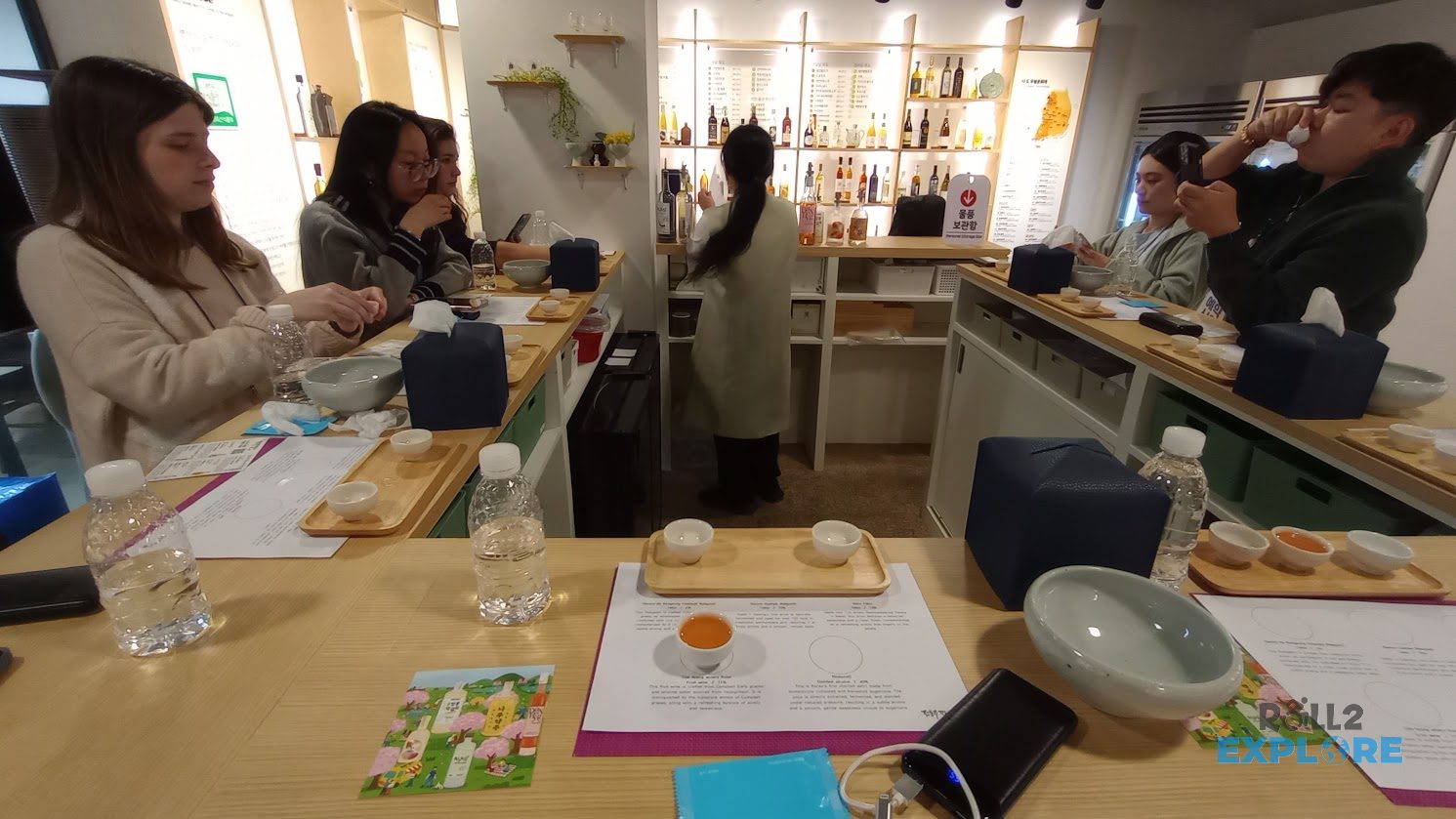
📌 Why we loved it: This hidden gem lets you sample 5 varieties of traditional alcohol for free during Traditional Liquor Tasting Program (booking required, English session at 3 and 4 pm) – we particularly loved the smooth persimmon wine. The elegant tearoom serves rare Korean teas like fermented omija berry (both sweet and tart), best enjoyed with traditional Korean sweets. You can also book various cooking workshops (e.g. kimchi-making workshop) for a hands-on food experience.
♿ Accessibility:
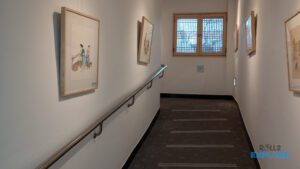
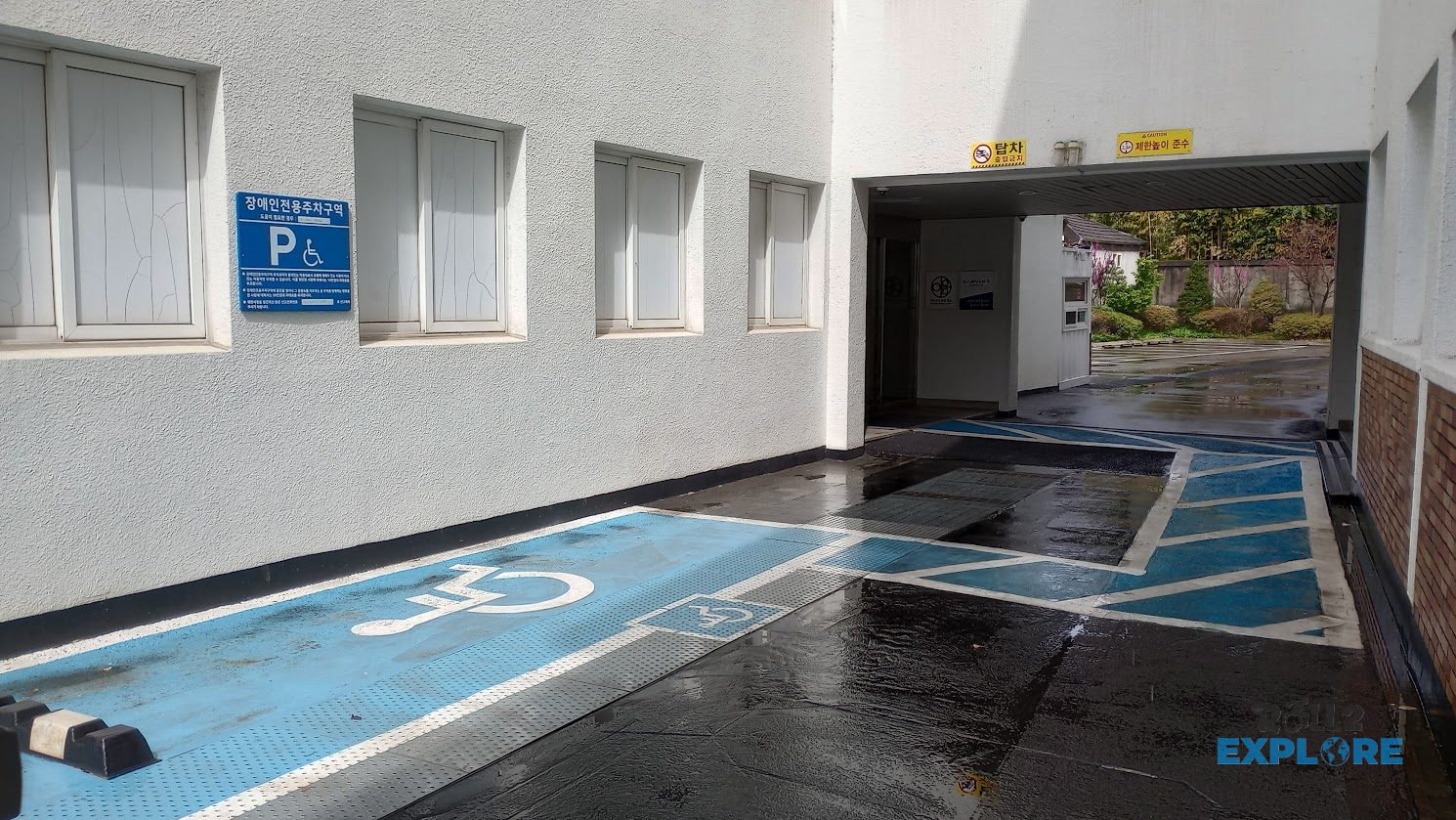
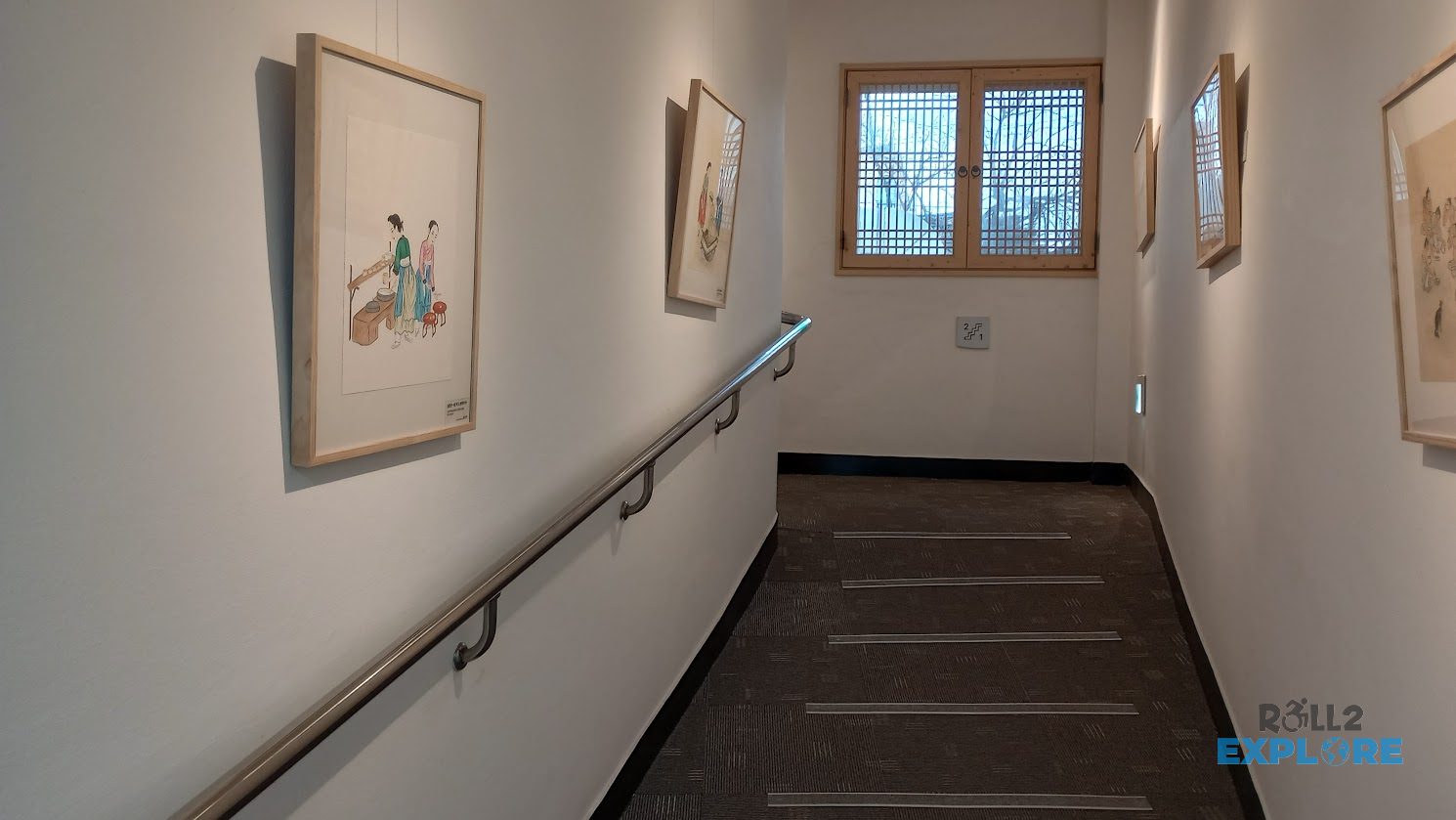
- Side entrance is step-free; ramps inside are steep (assistance recommended).
- Accessible restroom on the ground floor 3.
4. Museums Without Barriers
📌 Why we loved it: There are plenty of museums in Seoul and permanent exhibitions are completely free in National Museums. Some ideas:
- National Museum of Korea: Spacious halls with ancient artifacts.
- Seoul Arts Center: Huge complex with many galleries and performing arts venues.
- National Folk Museum: History of traditional life of the Korean people.
- Seoul Museum of Craft Art: Stunning hanji (traditional paper) art and interactive pottery displays.
♿ Accessibility: All have ramps, elevators, smooth floors, and accessible restrooms.
5. Markets: Namdaemun & Local Gems
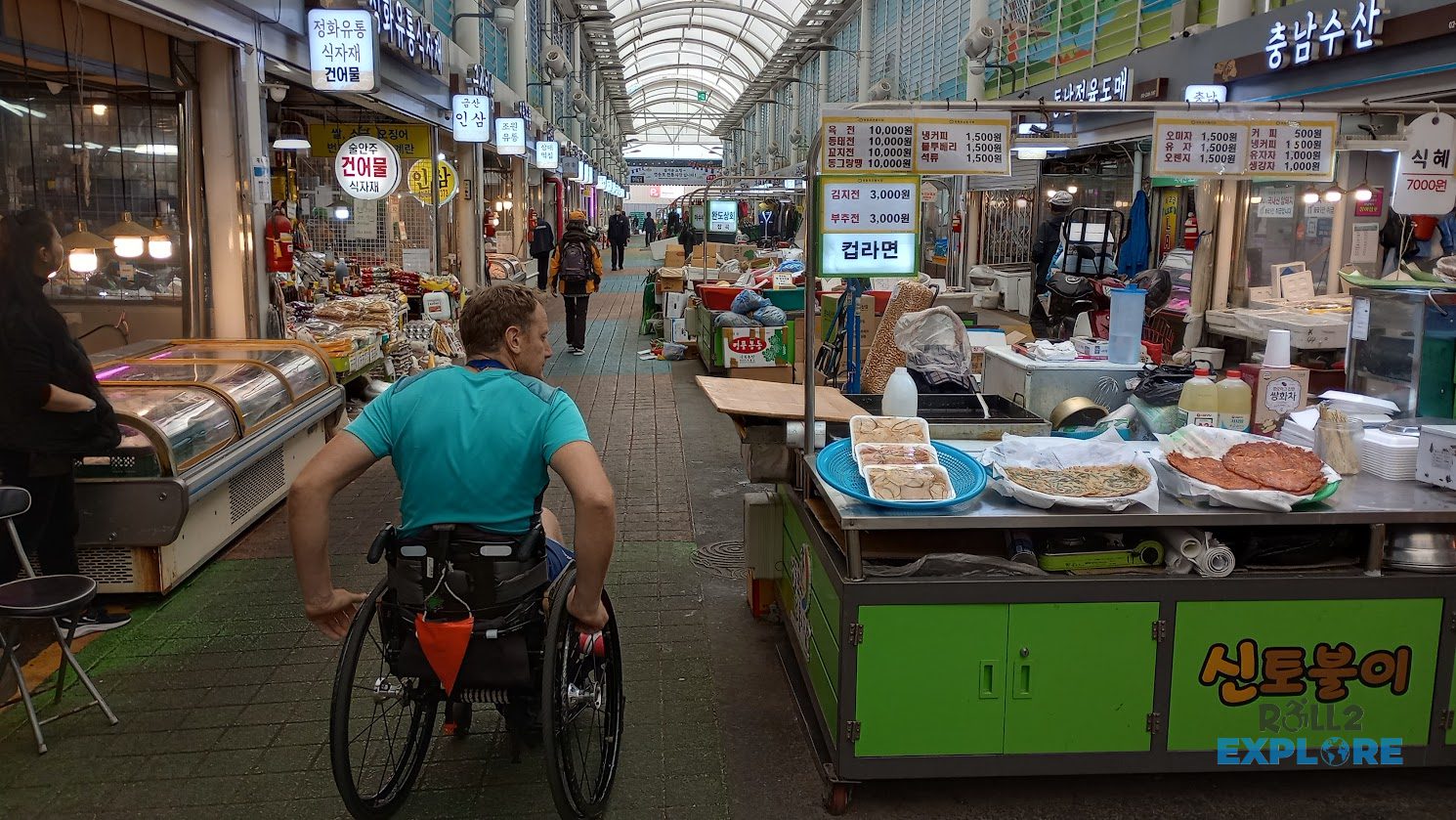
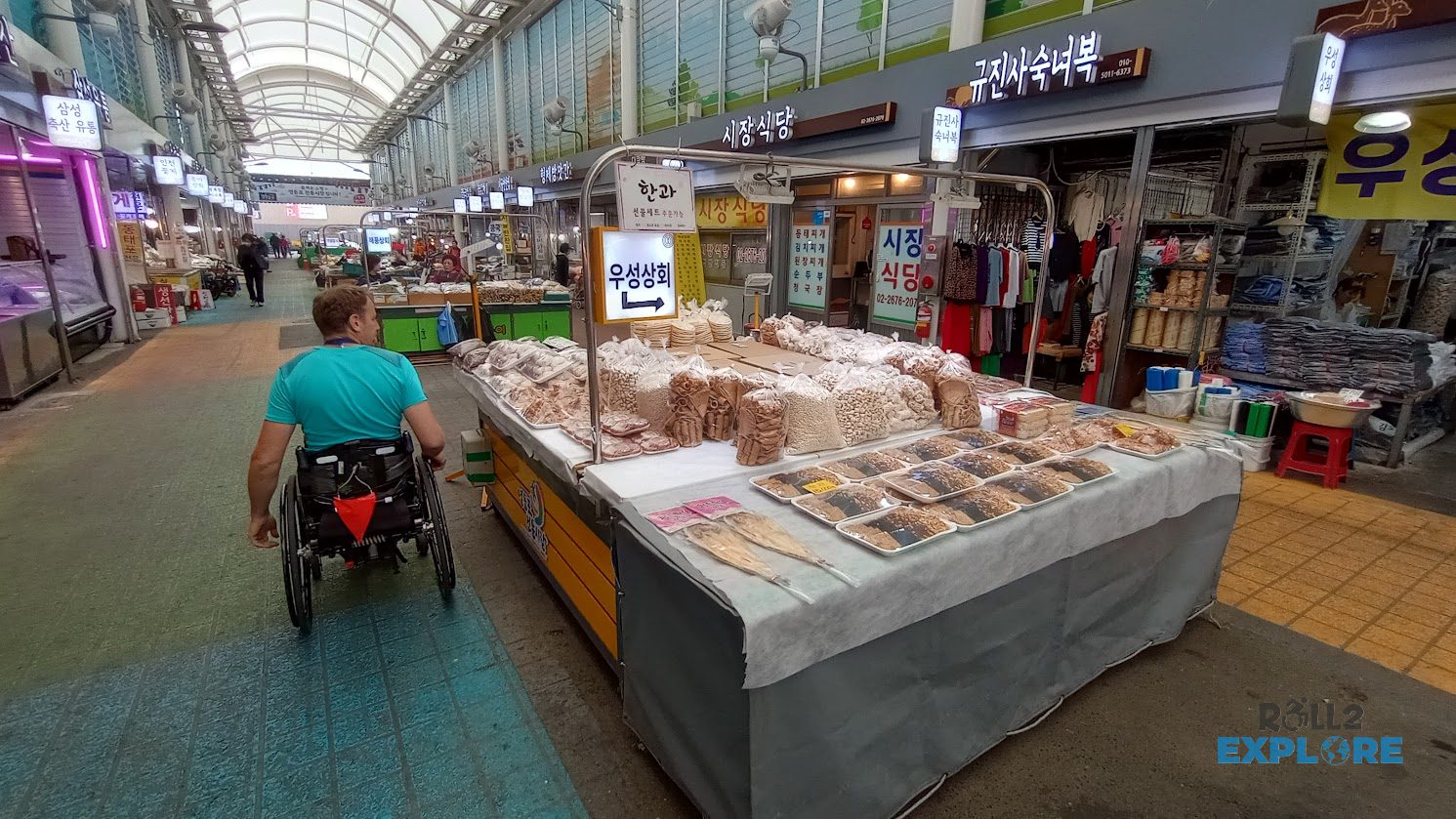
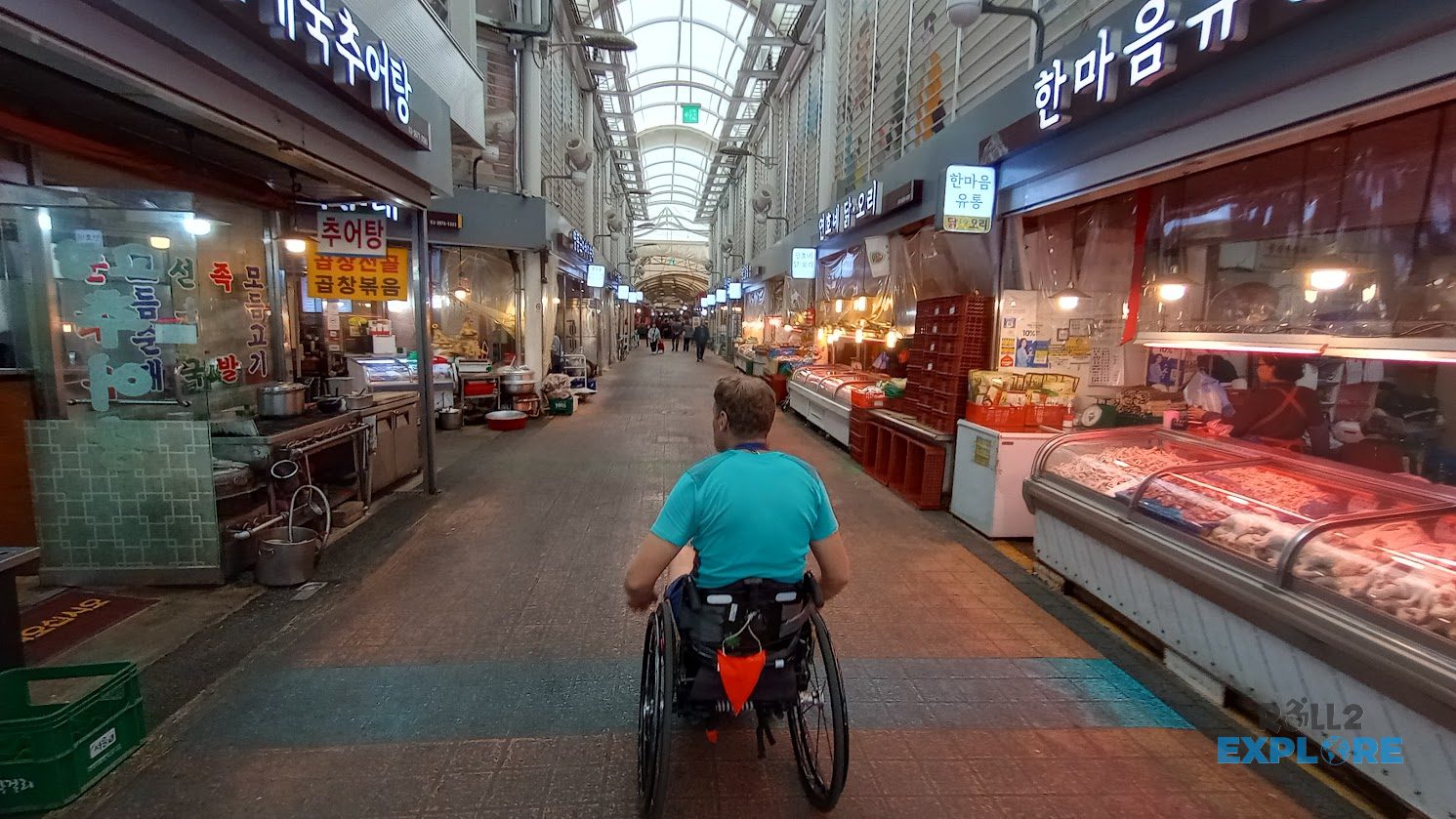
📌 Why we loved it: We preferred Yeongdeungpo Jungang Market (as we stayed nearby) over touristy Namdaemun – here you’ll find locals bargaining for fresh octopus (still moving!) and mountains of kimchi. Try hotteok (crispy syrup-filled pancakes), made them fresh while you wait.
♿ Accessibility:
- Flat surfaces but narrow aisles (go early to avoid crowds).
- There might be no accessible restrooms!
6. Seoul K-Medi Center
📌 Why we loved it: The Seoul K-Medi Center spoils you with free herbal foot baths, herbal massage (5000 KRW) and its aromatic museum. Just upstairs, the Bojewon Medical Clinic continues its legacy of serving vulnerable groups, offering free traditional treatments like acupuncture and hot pack therapy – book in advance a 20-minute free consult.
♿ Accessibility: Step-free entrance, elevators, and adapted restrooms.
7. Evening Magic: Some Sevit & Banpo Bridge
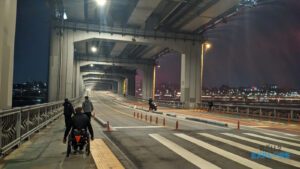
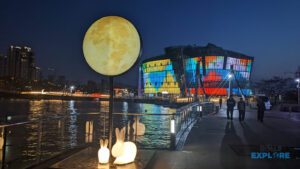
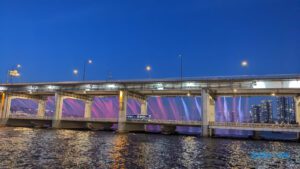
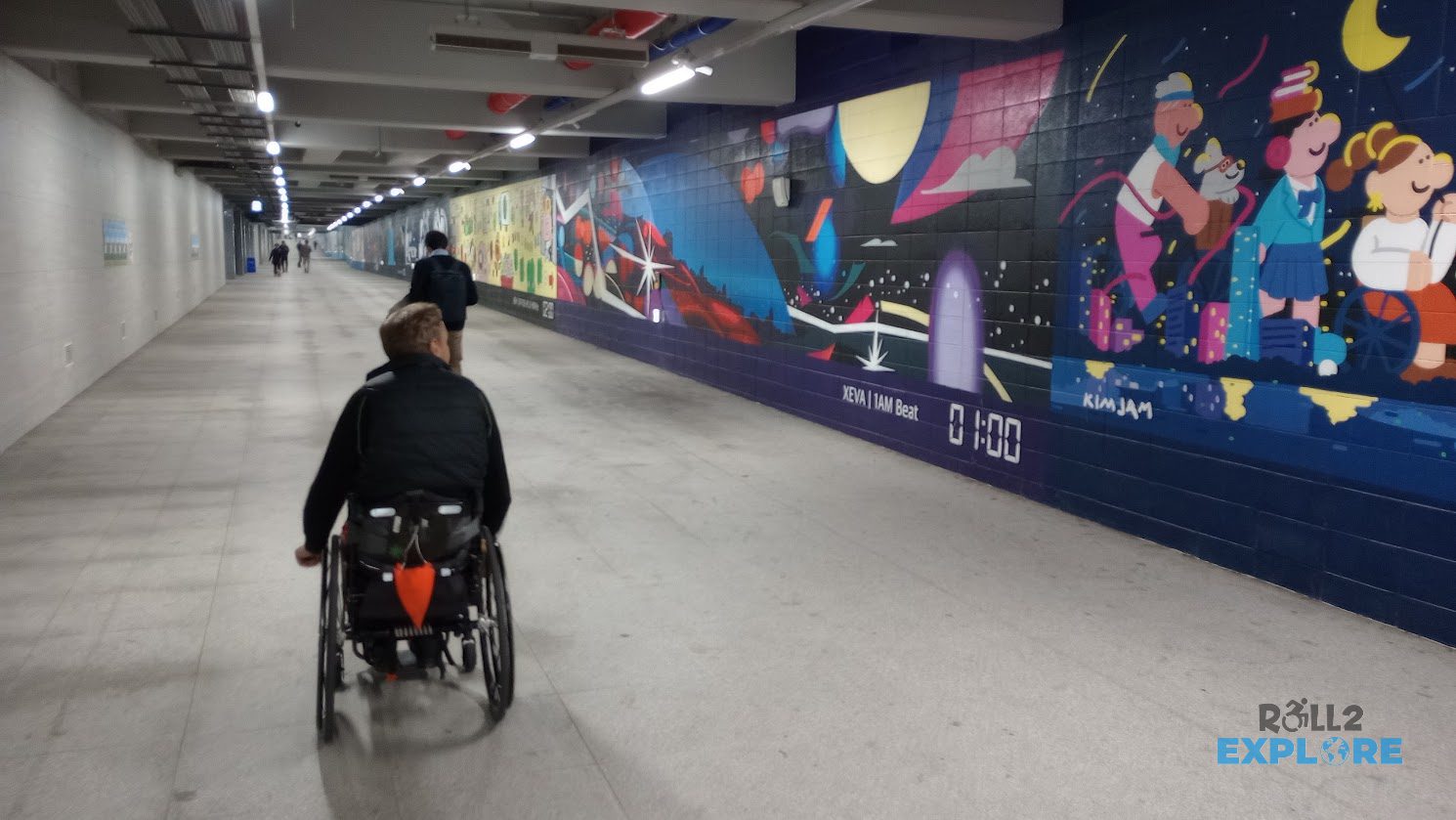
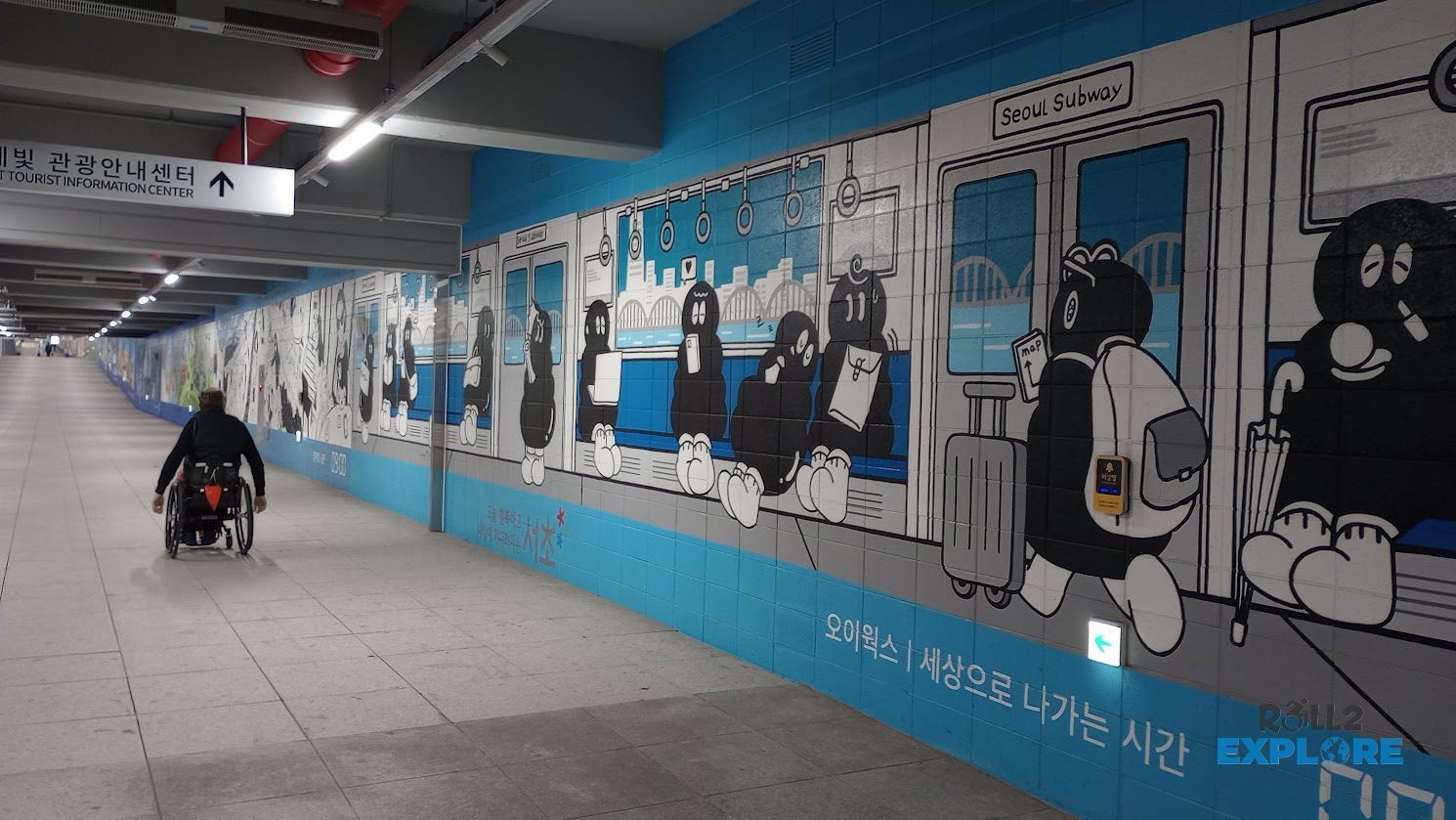
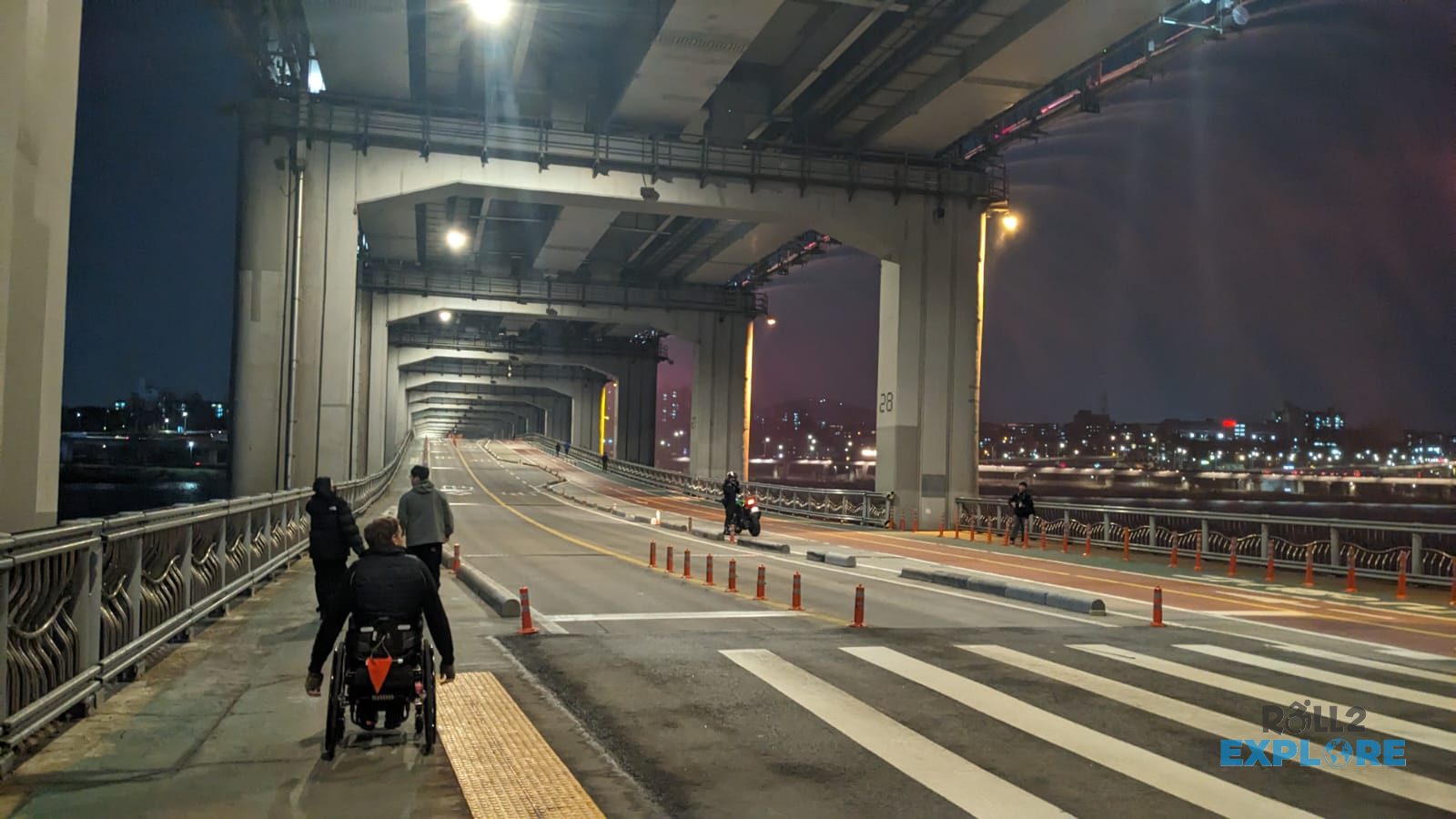
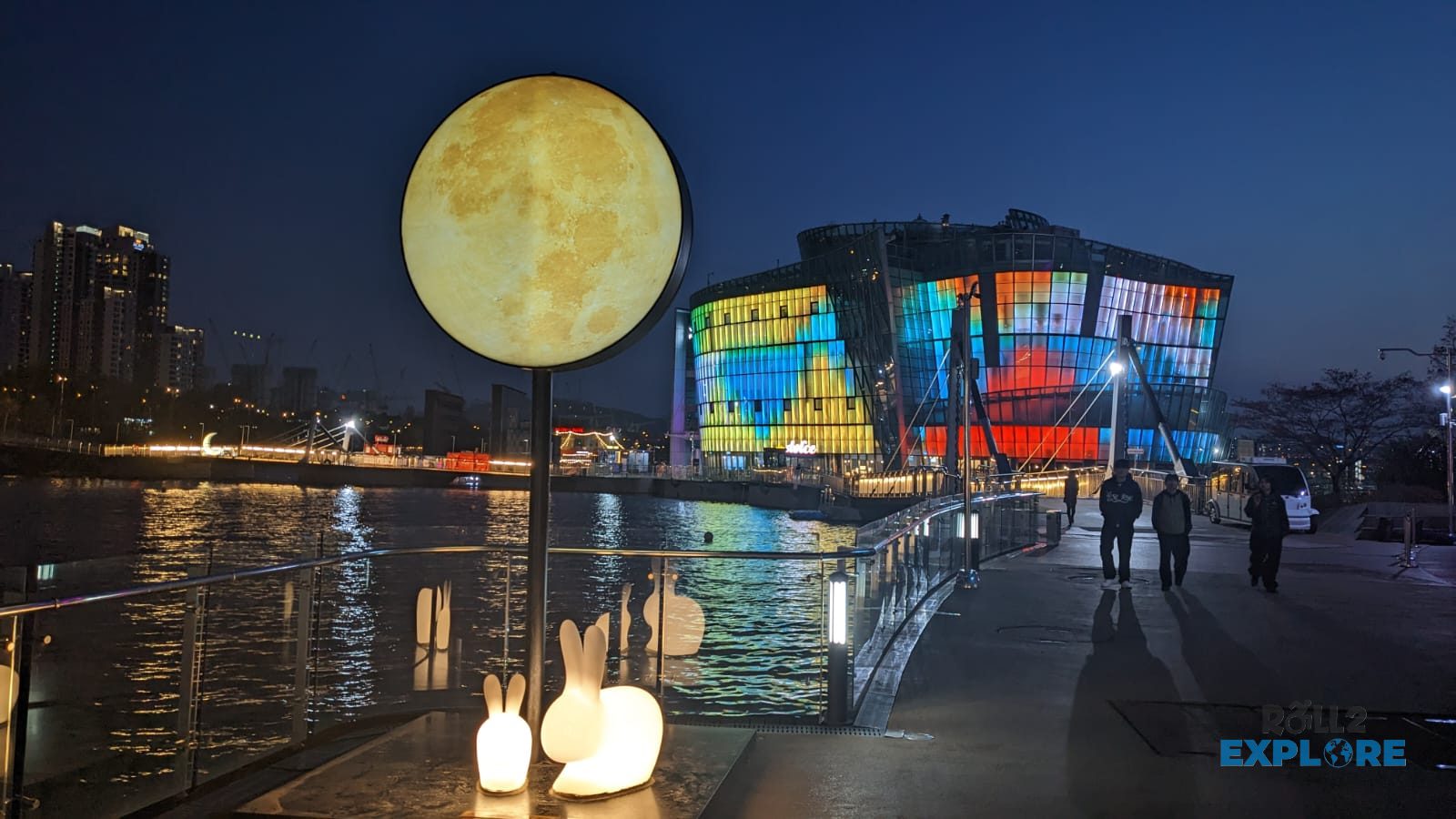
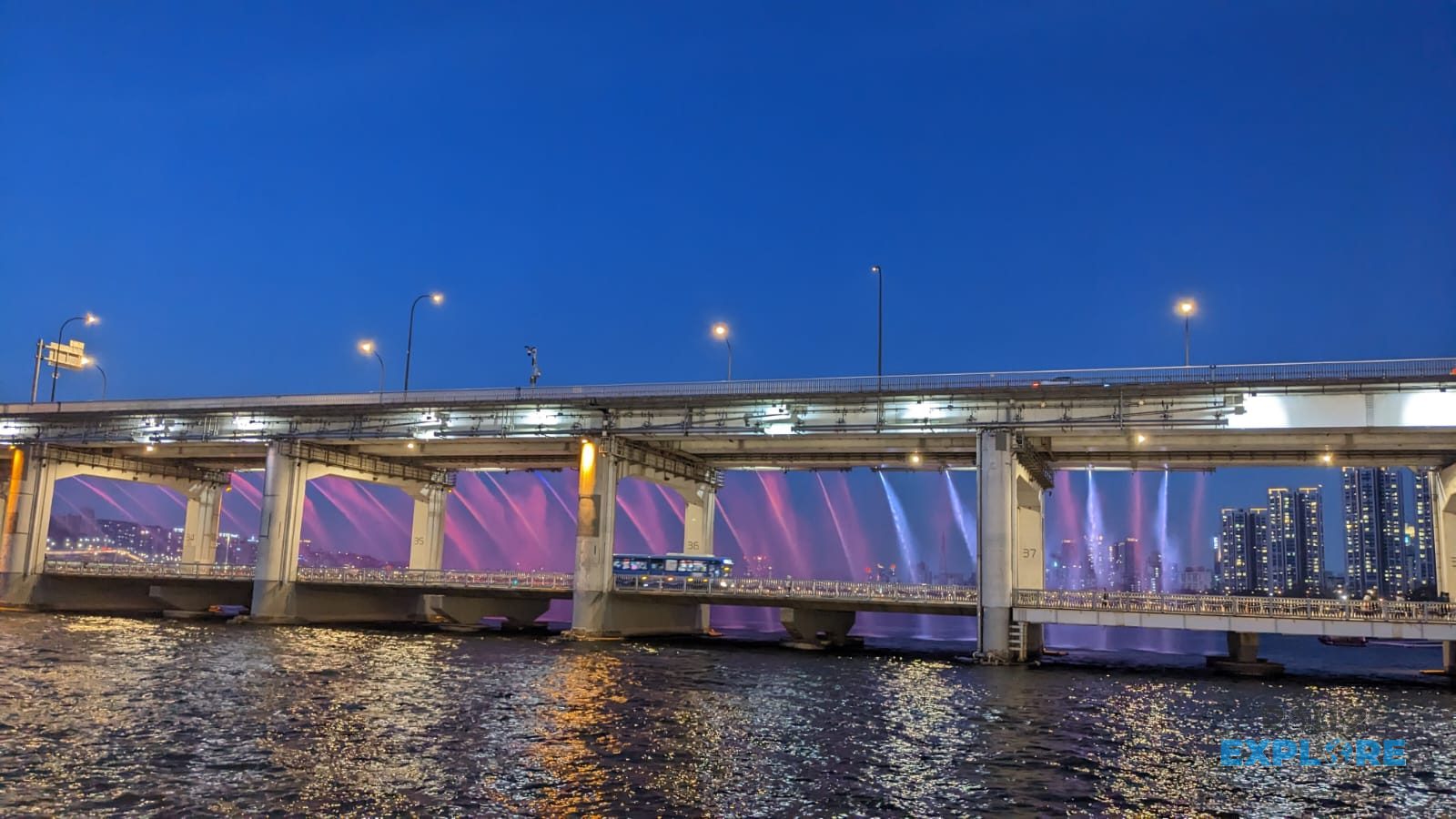
📌 Why we loved it: The Moonlight Rainbow Fountain Show (starting from 7:30pm nightly from April to October) transforms Banpo Bridge into a watercolor painting with 10,000 LED lights. En route, the Goteo·Sebit Center located in impressive undergound passage gave us free picnic blankets (special gift for tourists until the stock lasts).
♿ Accessibility:
- Lifts at Express Bus Terminal Station (Exit G2).
- Smooth paths along the river and on Some Sevit and Banpo Bridge.
8. Karaoke Like a Local
📌 Why we loved it: While Seoul’s karaoke culture largely ignores wheelchair access, we refused to miss out – with friends’ help, we carried Nick downstairs for an unforgettable hour of singing off-key. It wasn’t perfect, but the joy of singing in a private booth (and the staff’s enthusiastic support) made it worthwhile.
♿ Accessibility: Let us know if you find an accessible karaoke place!
9. War Memorial’s Unexpected Perks
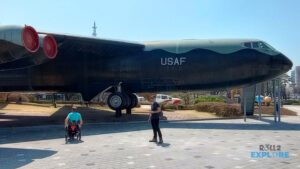
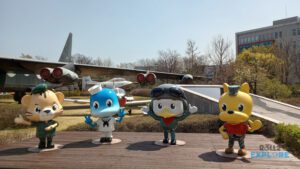
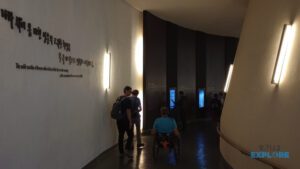
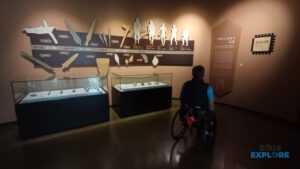
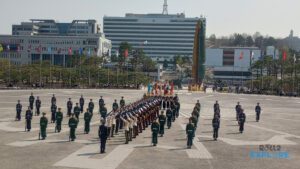
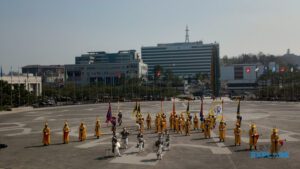
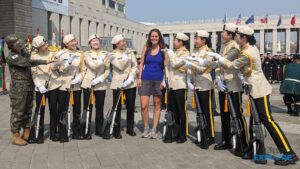
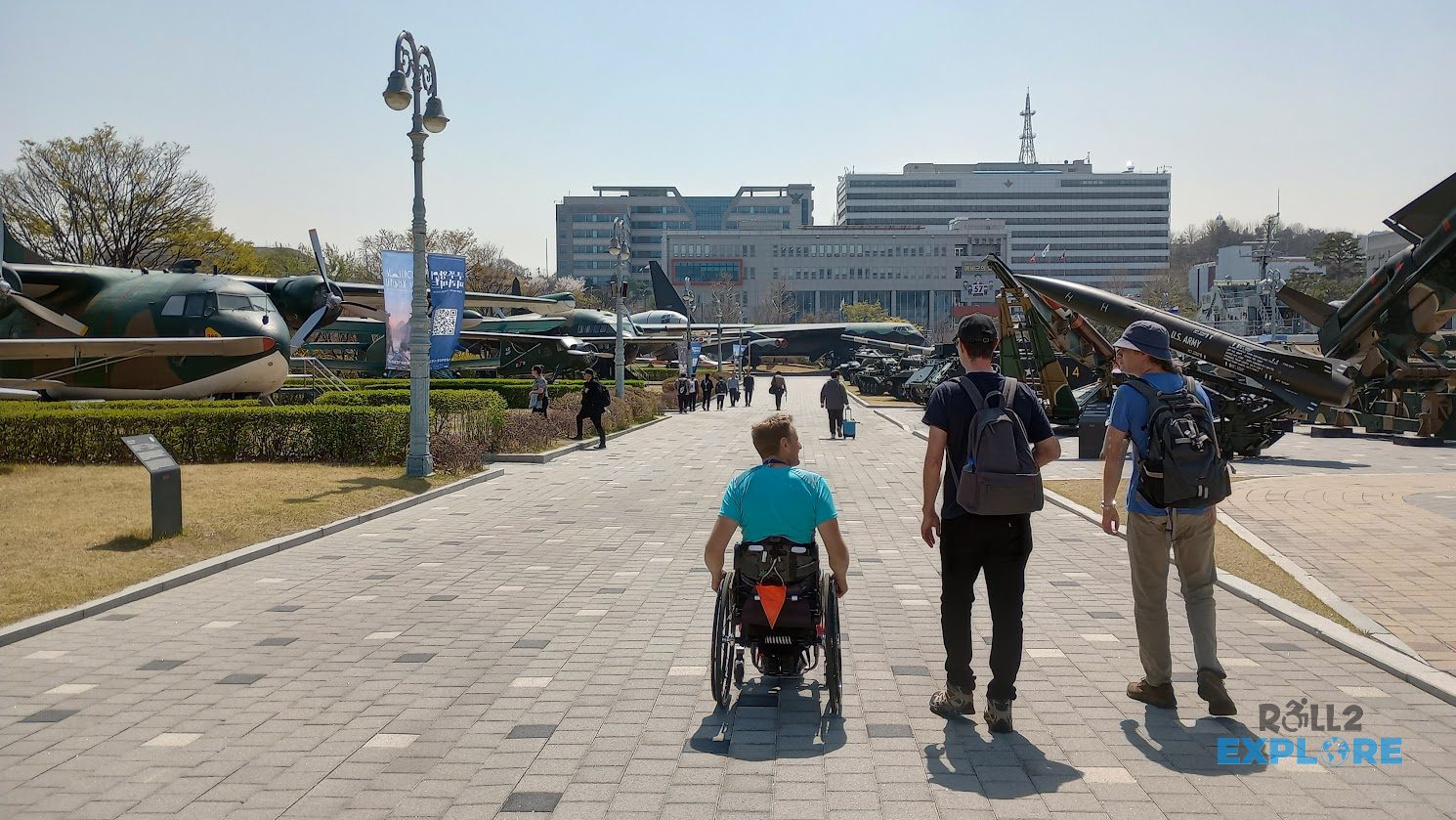
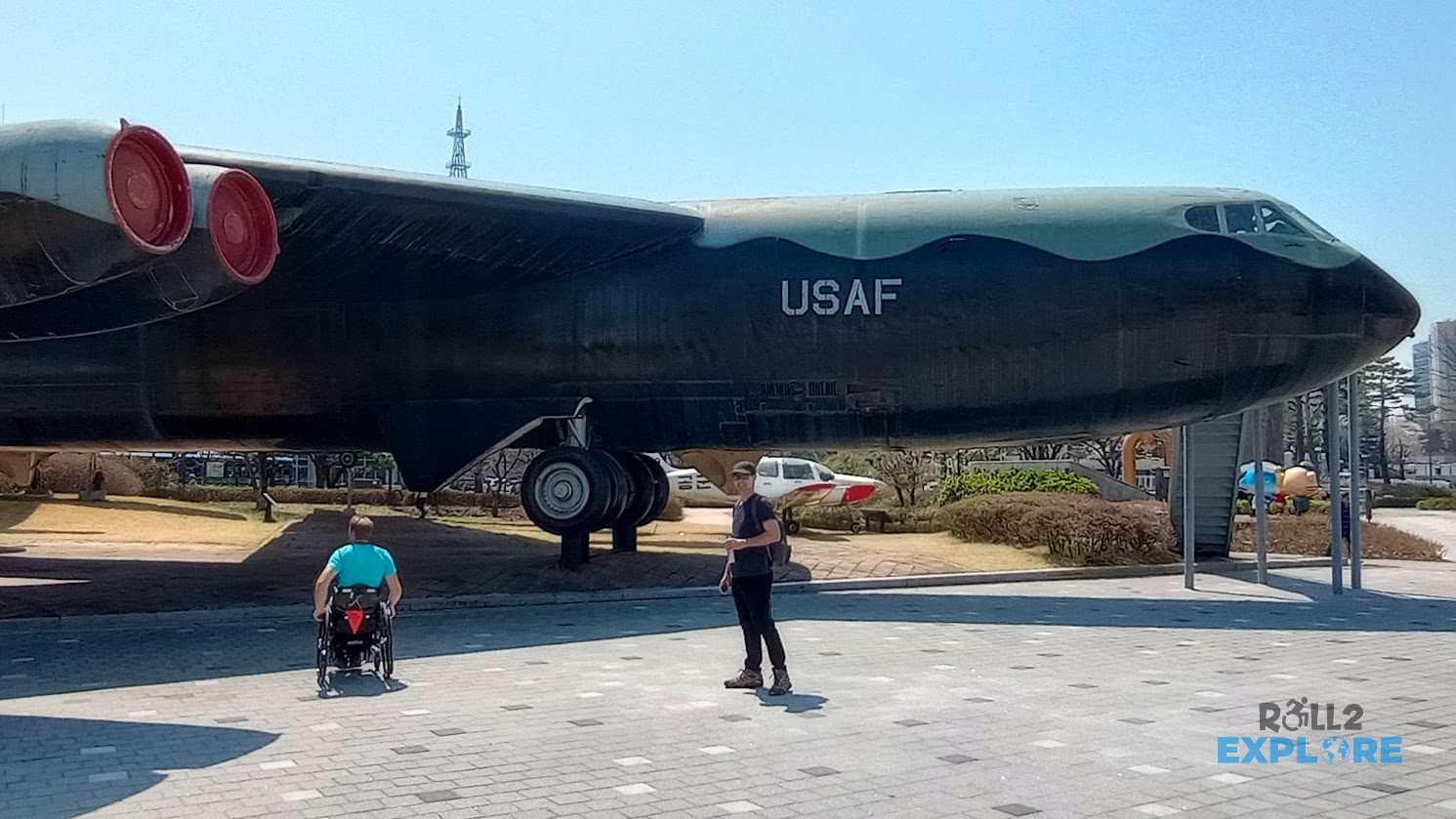
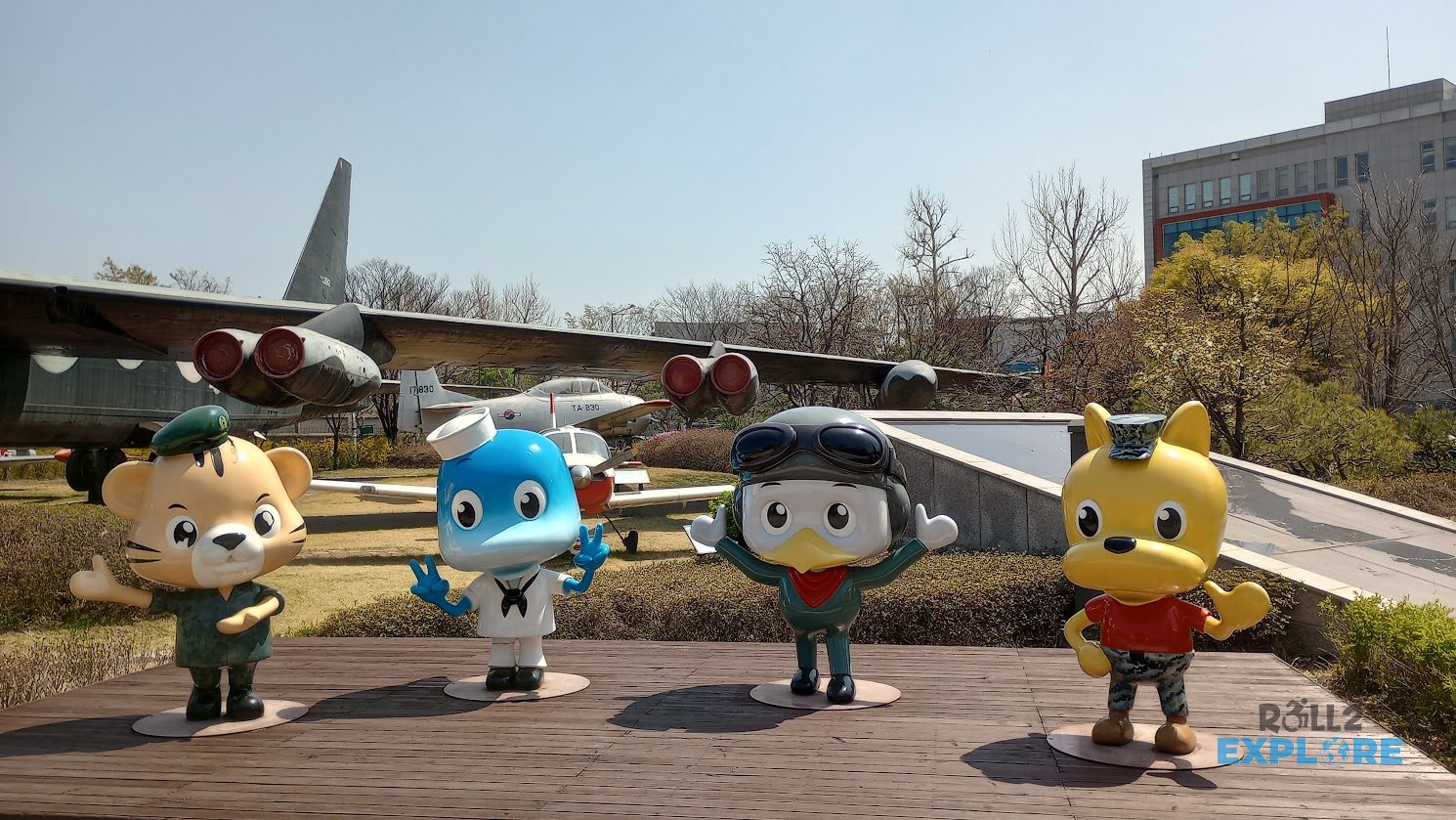
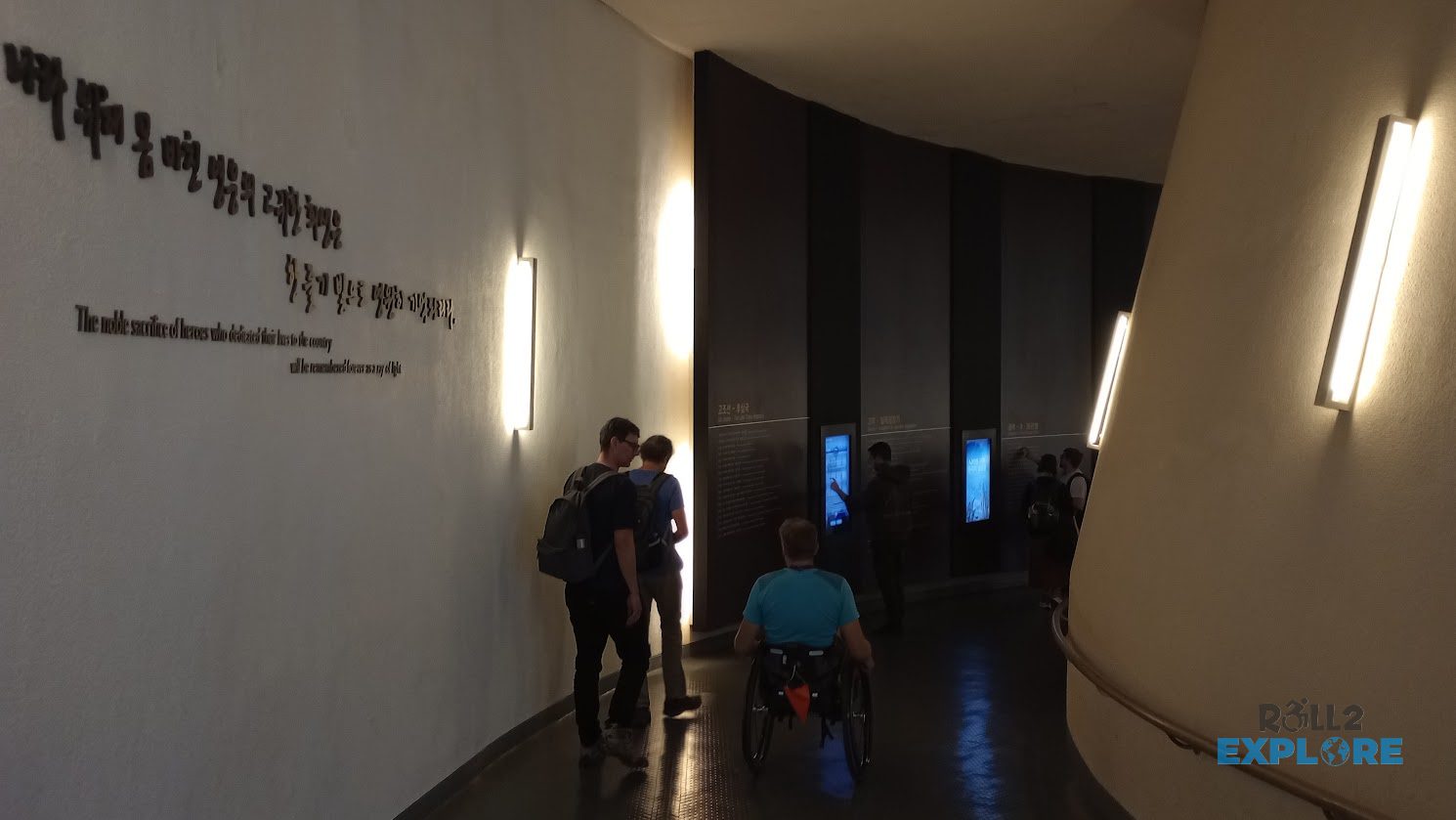
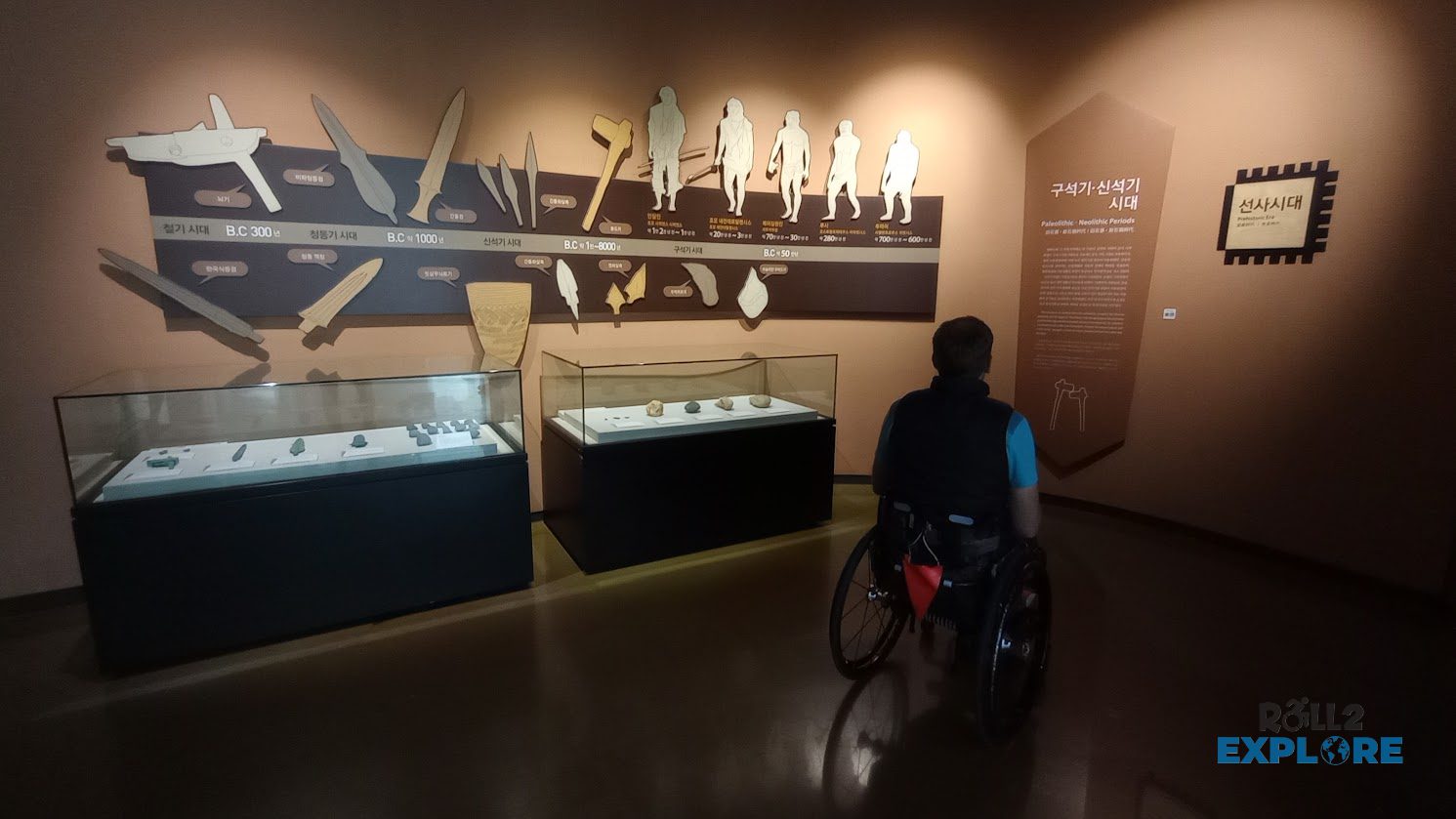
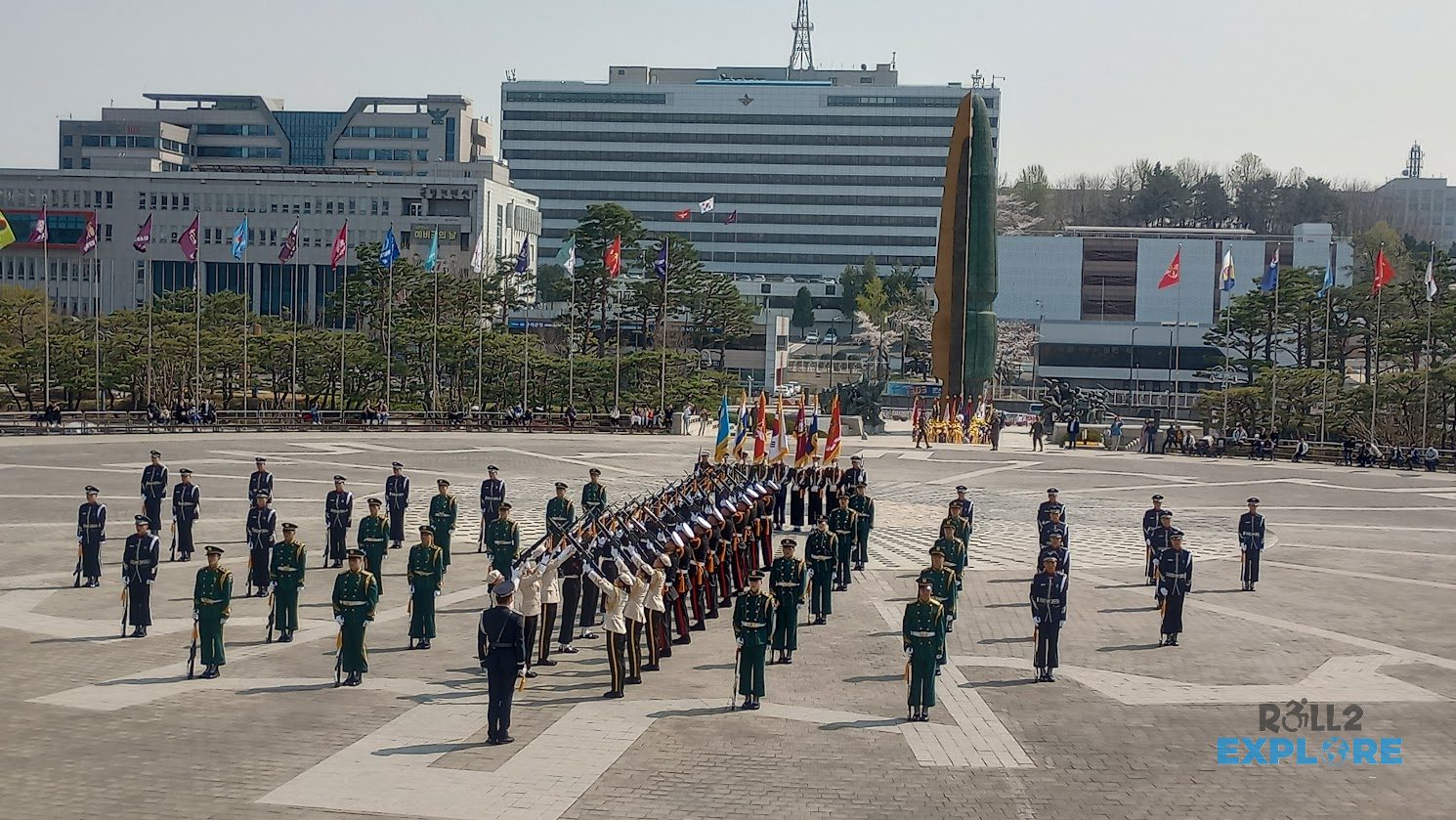
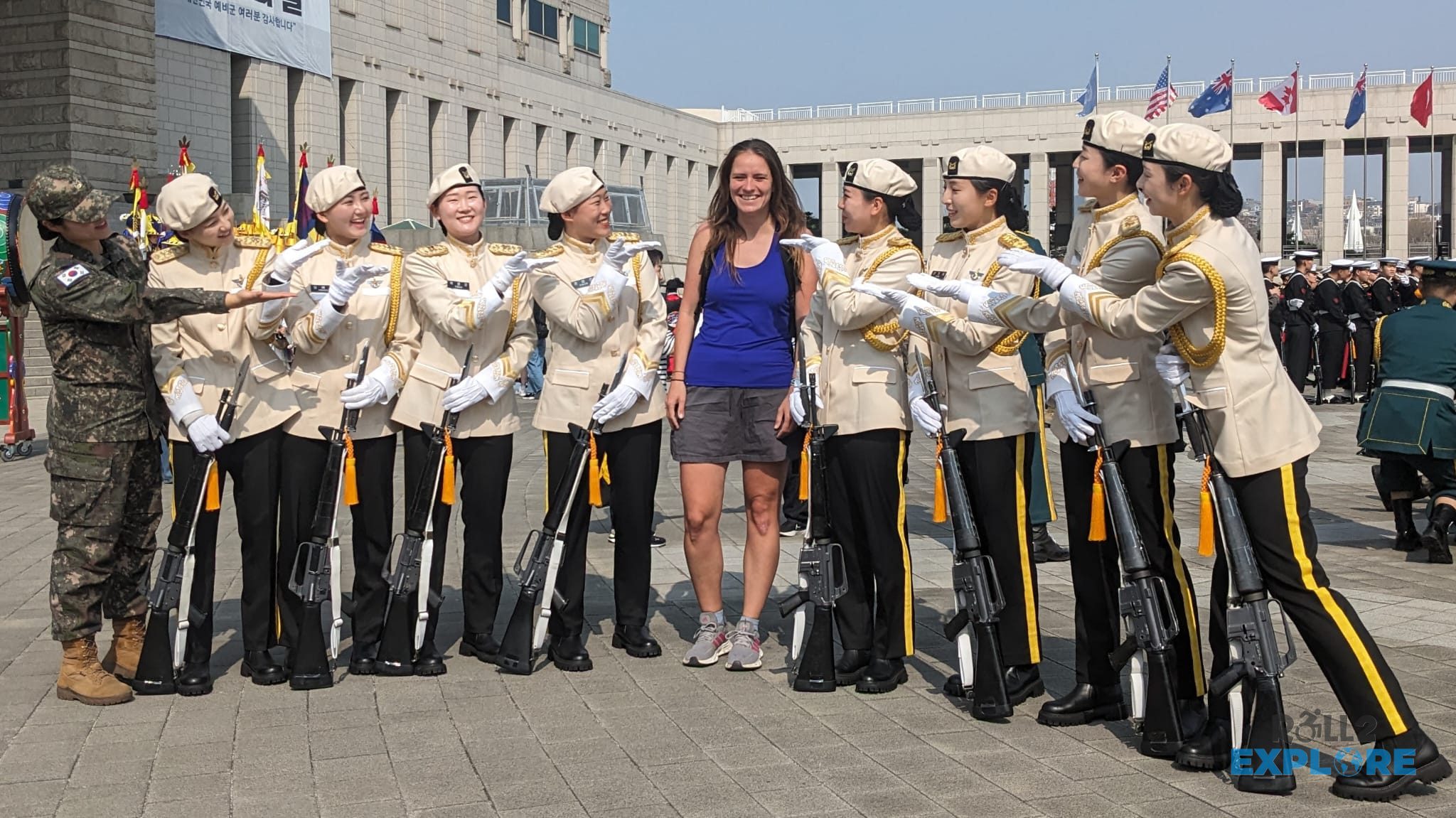
📌 Why we loved it: We coincidentally visited on the 80th anniversary of the armistice, witnessing a breathtaking performance with soldiers marching alongside K-pop stars. The indoor exhibits feature wheelchair-height displays about the Korean War. Rolling between decommissioned tanks and planes in the sprawling outdoor exhibit was the highlight of our visit. Outside, the “Statue of Brothers” monument powerfully symbolizes reconciliation.
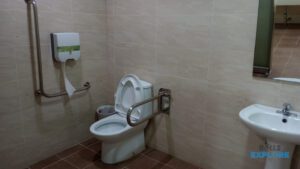
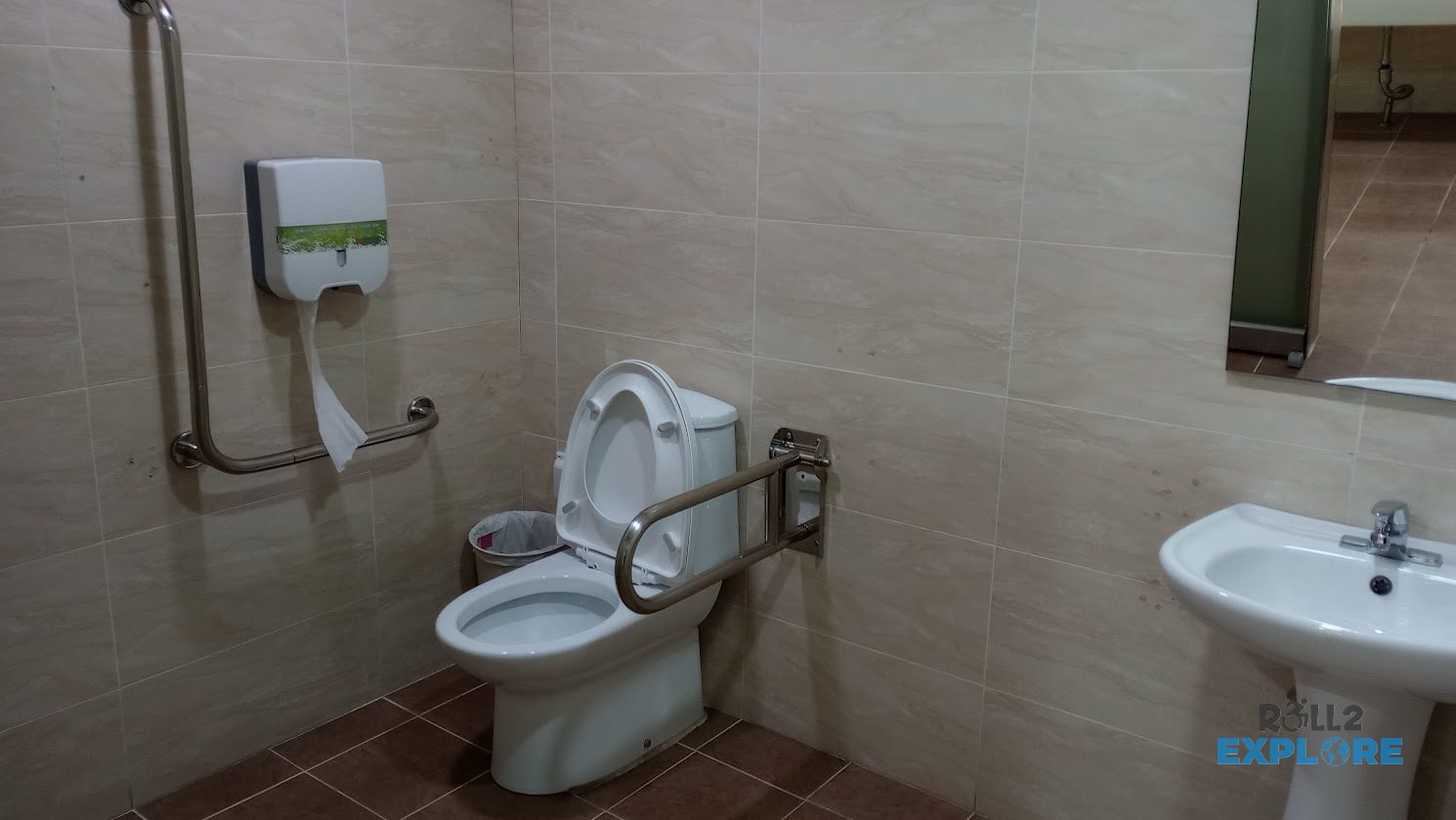
♿ Accessibility: Ramps throughout, tactile models, and restrooms.
10. Ansan Jarak-gil Trail
📌 Why we loved it: This 7km loop boardwalk around Ansan Mountain topped our must-do list as Korea’s first fully barrier-free mountain trail, featuring gentle slopes and smooth surfaces perfect for wheelchairs. Though bad weather prevented us from experiencing it firsthand, research confirms that accessible entrance is located near Seodaemun-gu Office.
♿ Accessibility: Step-free, gentle slopes, wheelchair charger at the entrance.
Bonus: City Wall Stamp Hunt
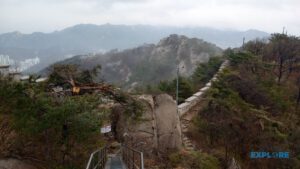
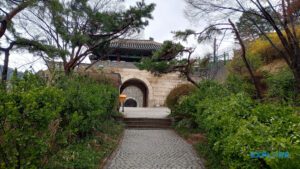
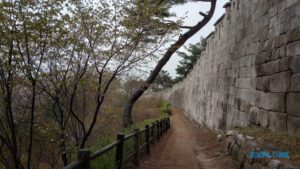
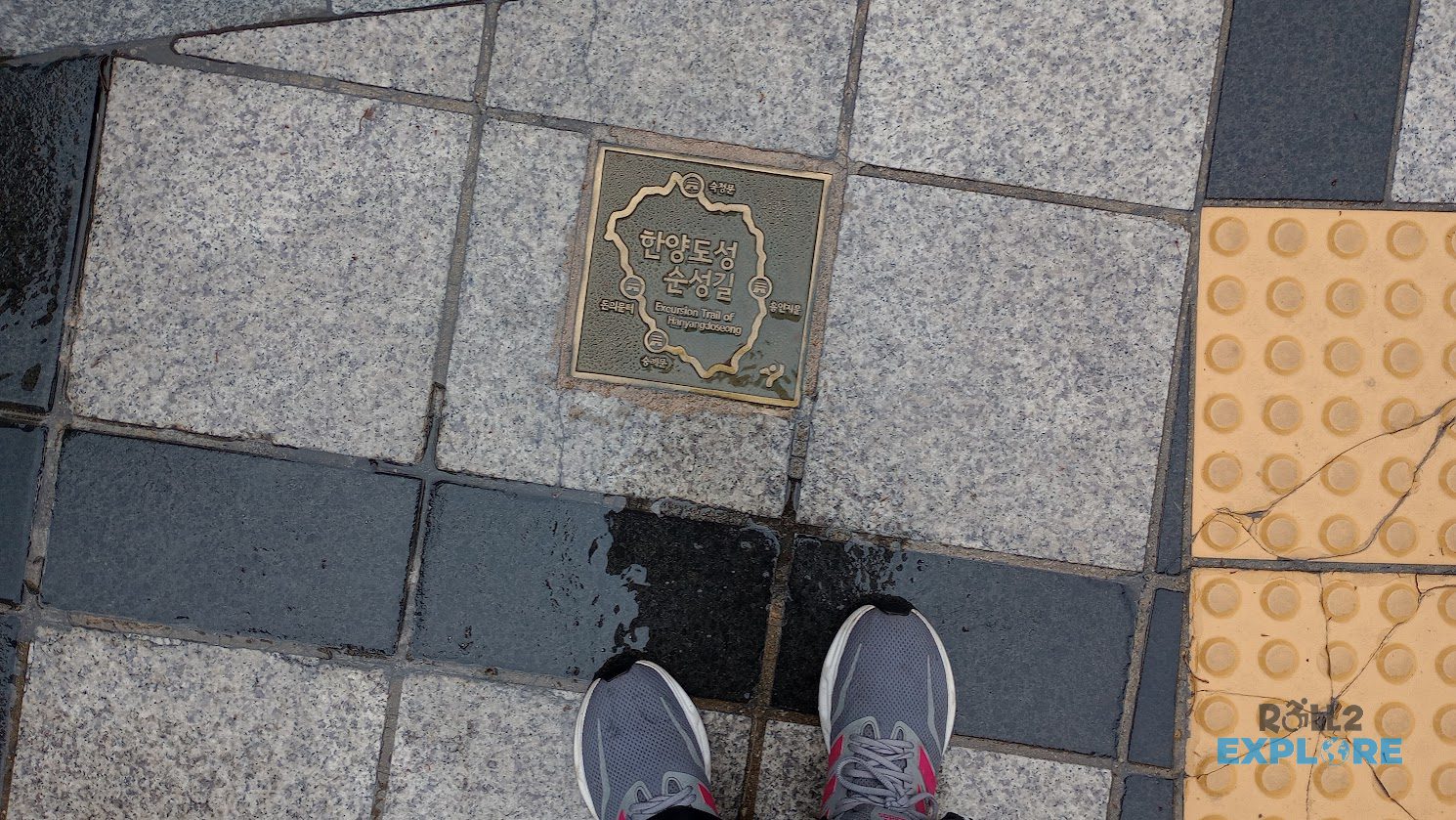
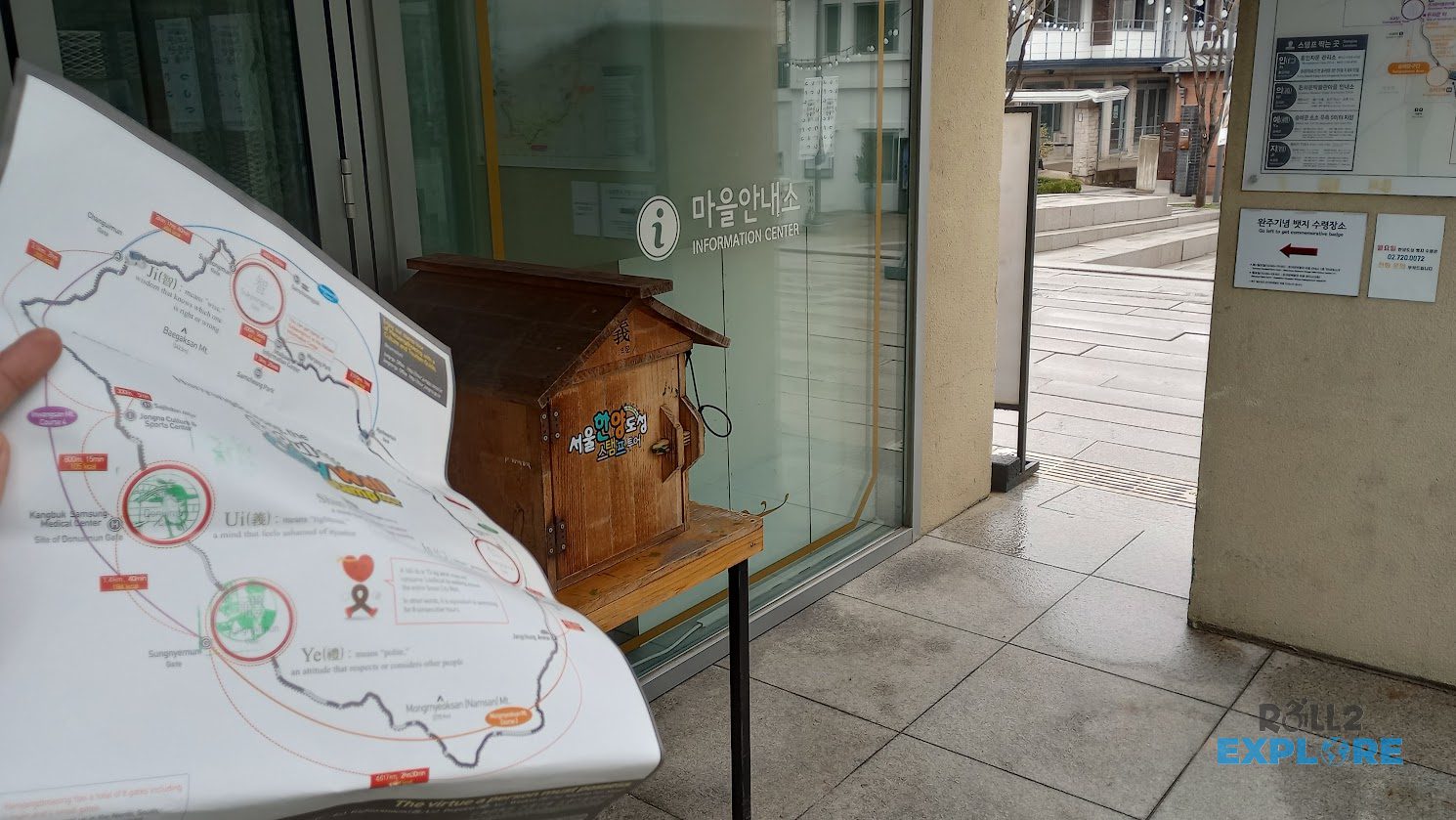
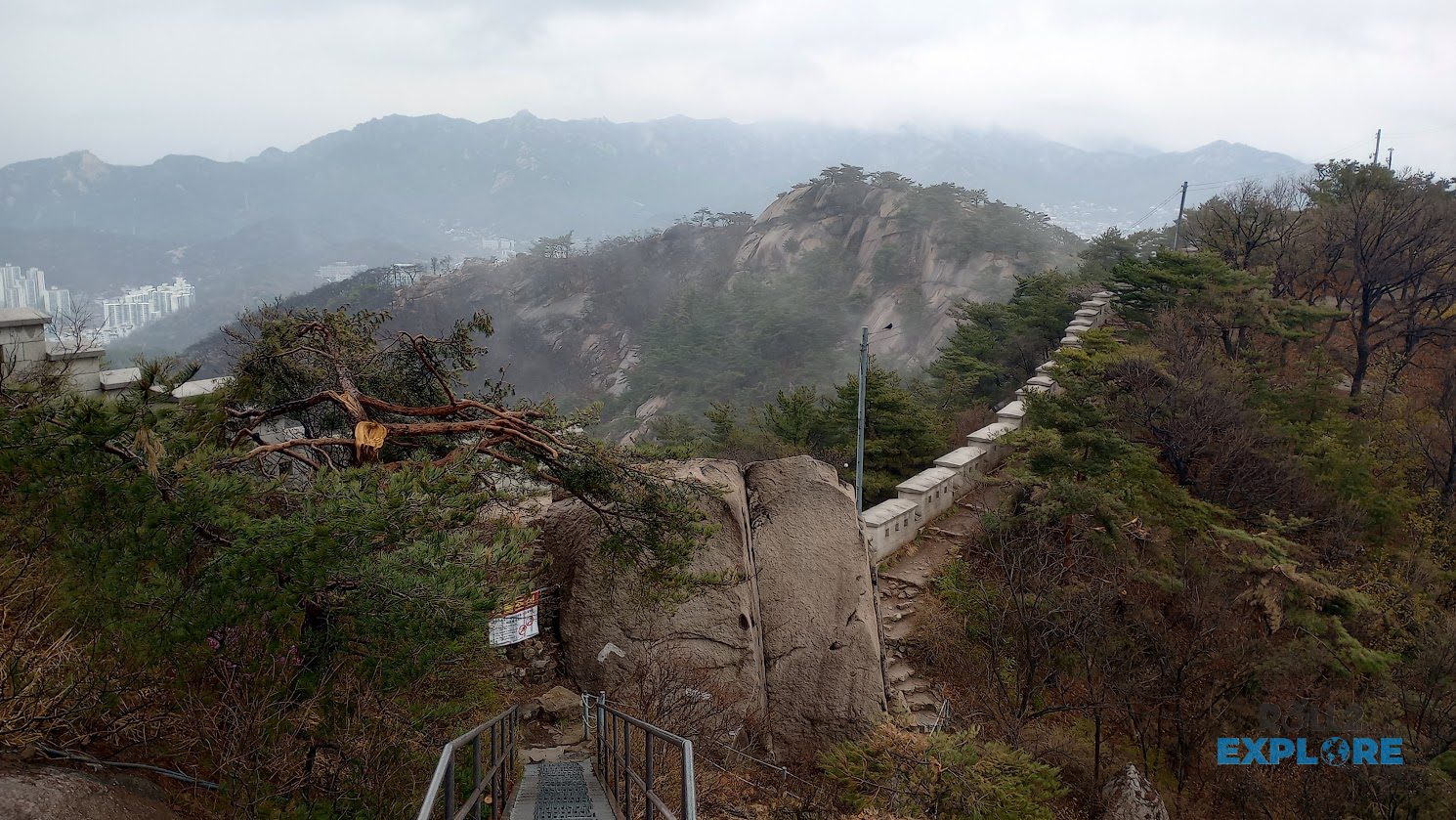
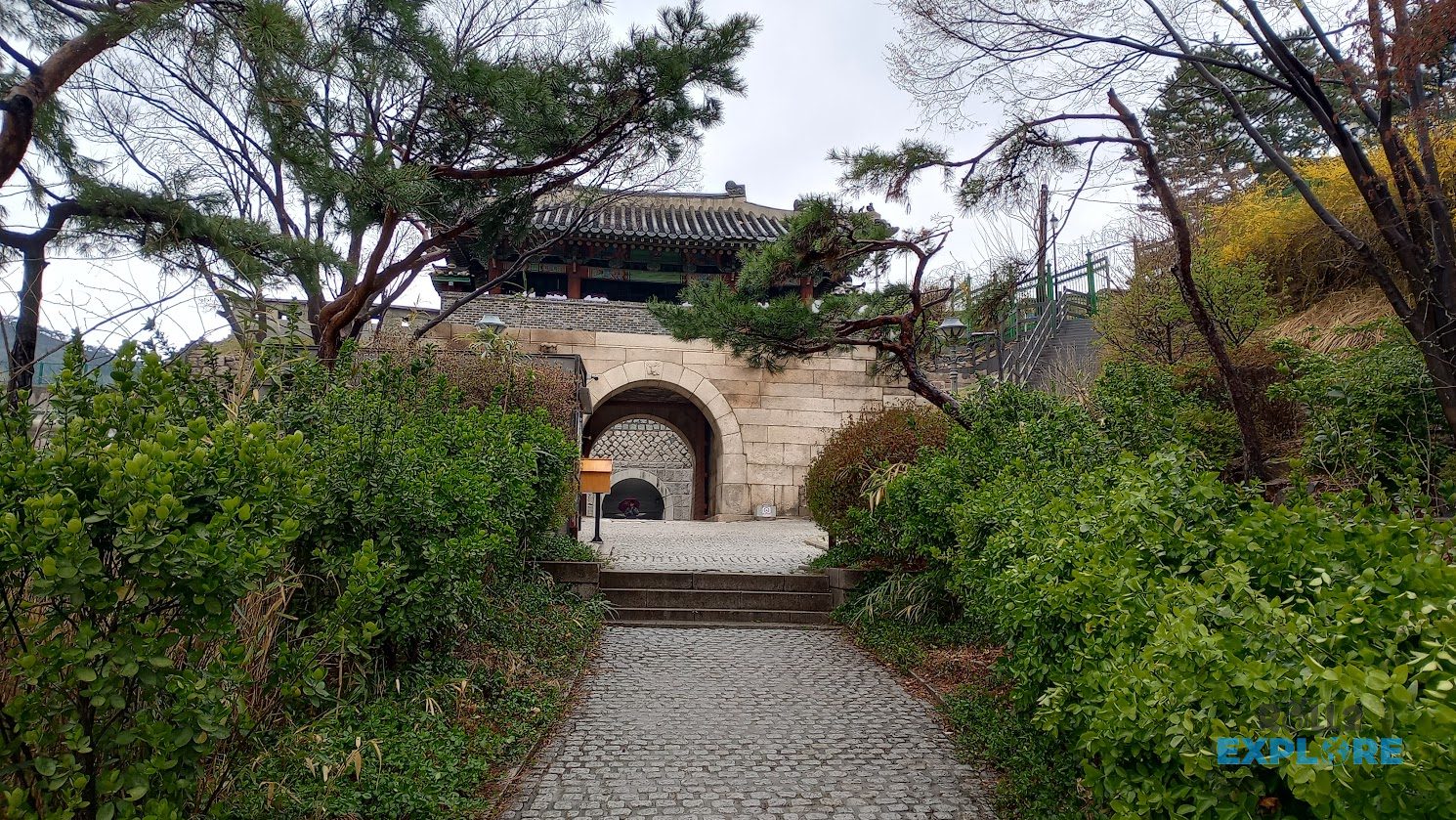
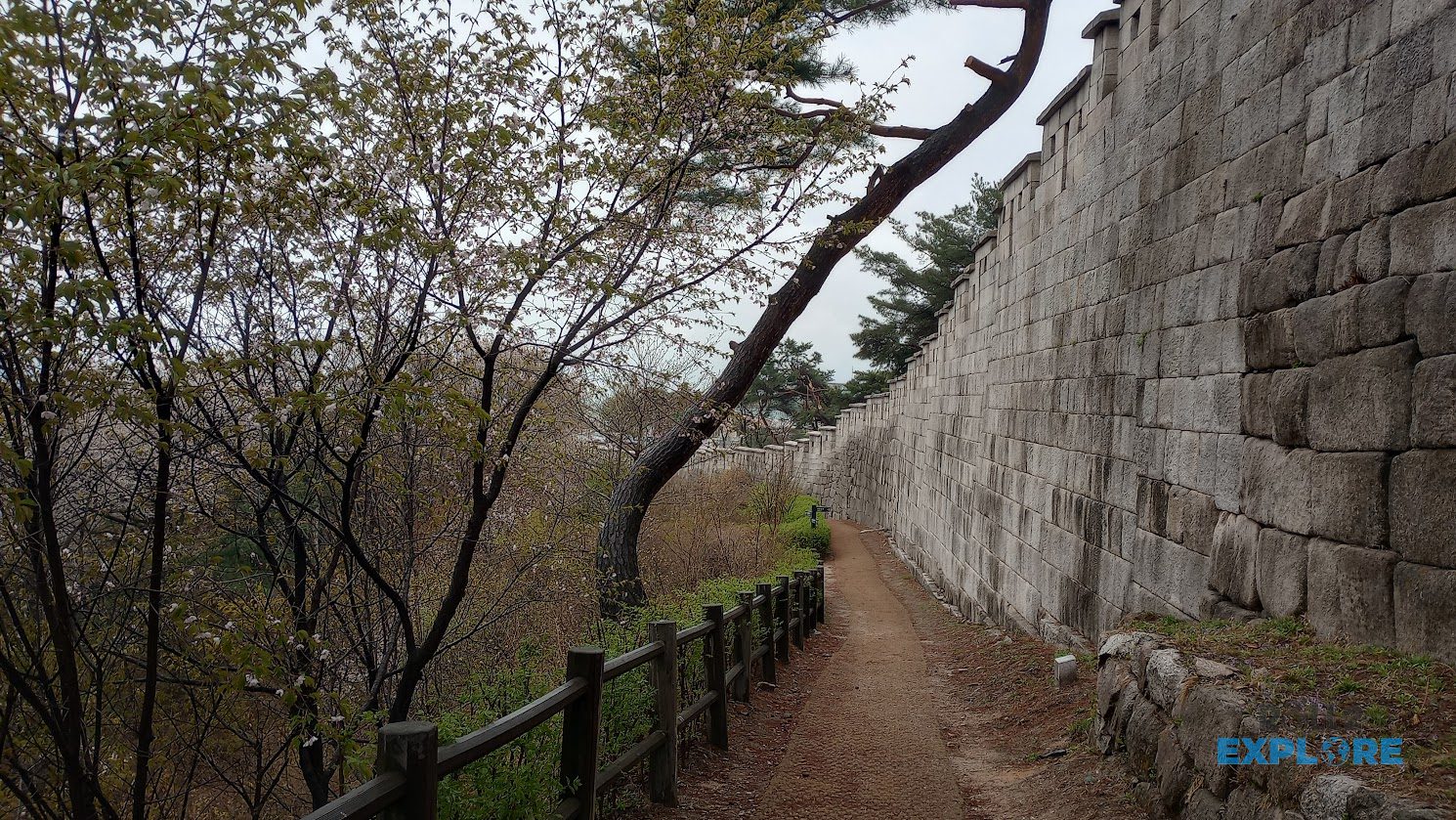
Kamila really enjoyed the Hanyangdoseong Seoul City Wall Stamp Tour (over 18km loop walk following the ancient walls of Seoul). Most of the walk is not wheelchair-friendly—avoid steep segments and stairs. Wheelchair-users can collect stamps at accessible sections of Hanyangdoseong (e.g. Heunginjimun Gate) and tackle step-free parts of the trails (e.g. between Sungnyemun Gate and Site of Donuimun Gate – assistance advised for steeper sections).
Getting Around: Accessibility Tips
- Subway: Most of stations have elevators, but some are hidden. Older stations are equipped with wheelchair lifts.
- Buses: Low-floor buses (ramp-equipped) run on major routes.
- Pro tip: In Seoul Naver Maps is generally considered more accurate and comprehensive than Google Maps for local navigation, especially when it comes to public transportation and detailed local information.
Final Thoughts
Seoul proves that history and innovation can coexist accessibly. While not perfect, it’s a city where wheelchair users can savor free tastings, riverfront sunsets, and K-pop beats without breaking the bank.
Have questions? Ask in the comments!