Iceland’s Wheelchair Accessibility Rating
Iceland’s breathtaking landscapes—volcanoes, glaciers, and geothermal lagoons—are a dream for travelers. But how accessible is it for wheelchair users? After analyzing infrastructure, policies, and our traveler experiences, here’s a detailed rating across 10 key categories.
(♿ = 1 point, max 10 per category)
1. Public Transportation Accessibility
Score: ♿♿♿♿♿ (5/10)
- Strengths:
- Reykjavík’s buses (Strætó) are wheelchair-accessible with ramps, though users must board independently.
- Wheelchair-accessible taxis are available via prior booking.
- Weaknesses:
- No train system in Iceland, which limits options.
- Rural and regional bus services are often not accessible.
2. Hotel & Accommodation Accessibility
Score: ♿♿♿♿♿♿♿ (7/10)
- Strengths:
- Many hotels, especially in Reykjavík and tourist-heavy areas, offer wheelchair-adapted rooms with roll-in showers, grab bars, and wide doorways.
- Common areas like lobbies and breakfast rooms are often step-free.
- Some booking platforms (like Booking.com) offer filters for accessibility features.
- Weaknesses:
- Smaller guesthouses, budget accommodation and countryside stays often lack full accessibility.
- Some “accessible” rooms may still have minor barriers (e.g., raised thresholds, narrow bathrooms).
3. Restaurant & Dining Accessibility
Score: ♿♿♿♿♿♿♿ (7/10)
- Strengths:
- Modern restaurants and cafés in Reykjavík often have step-free entrances and accessible seating.
- Staff are generally friendly and accommodating.
- Some newer venues have accessible restrooms.
- Weaknesses:
- Many older or smaller restaurants have one or two steps at the entrance.
4. Tourist Attractions & Cultural Sites
Score: ♿♿♿♿♿♿♿ (7/10)
- Strengths:
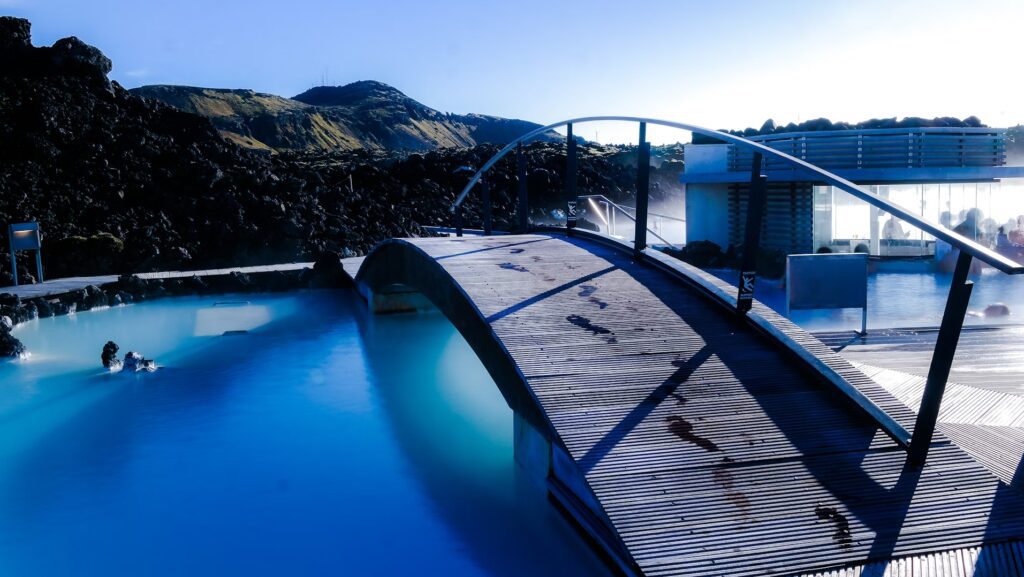
- Museums like the Perlan and National Museum of Iceland and attractions (e.g. Harpa Concert Hall or Blue Lagoon) offer good wheelchair access and elevators.
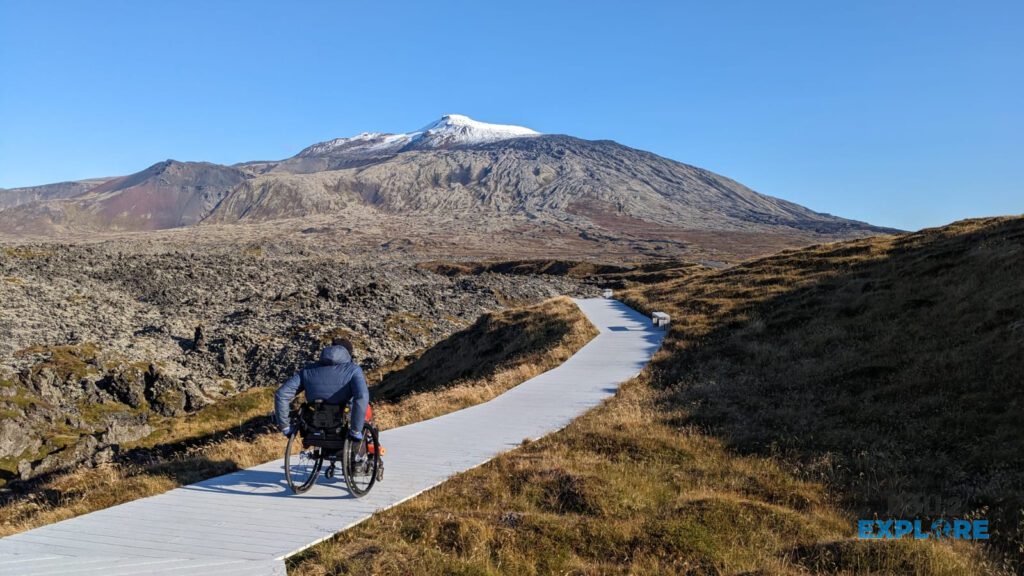
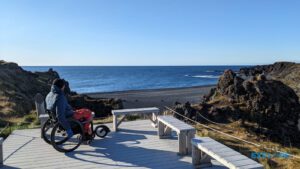
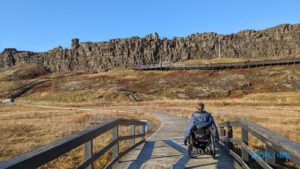
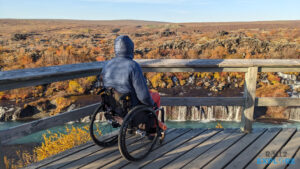
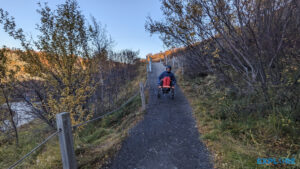
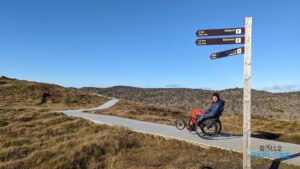
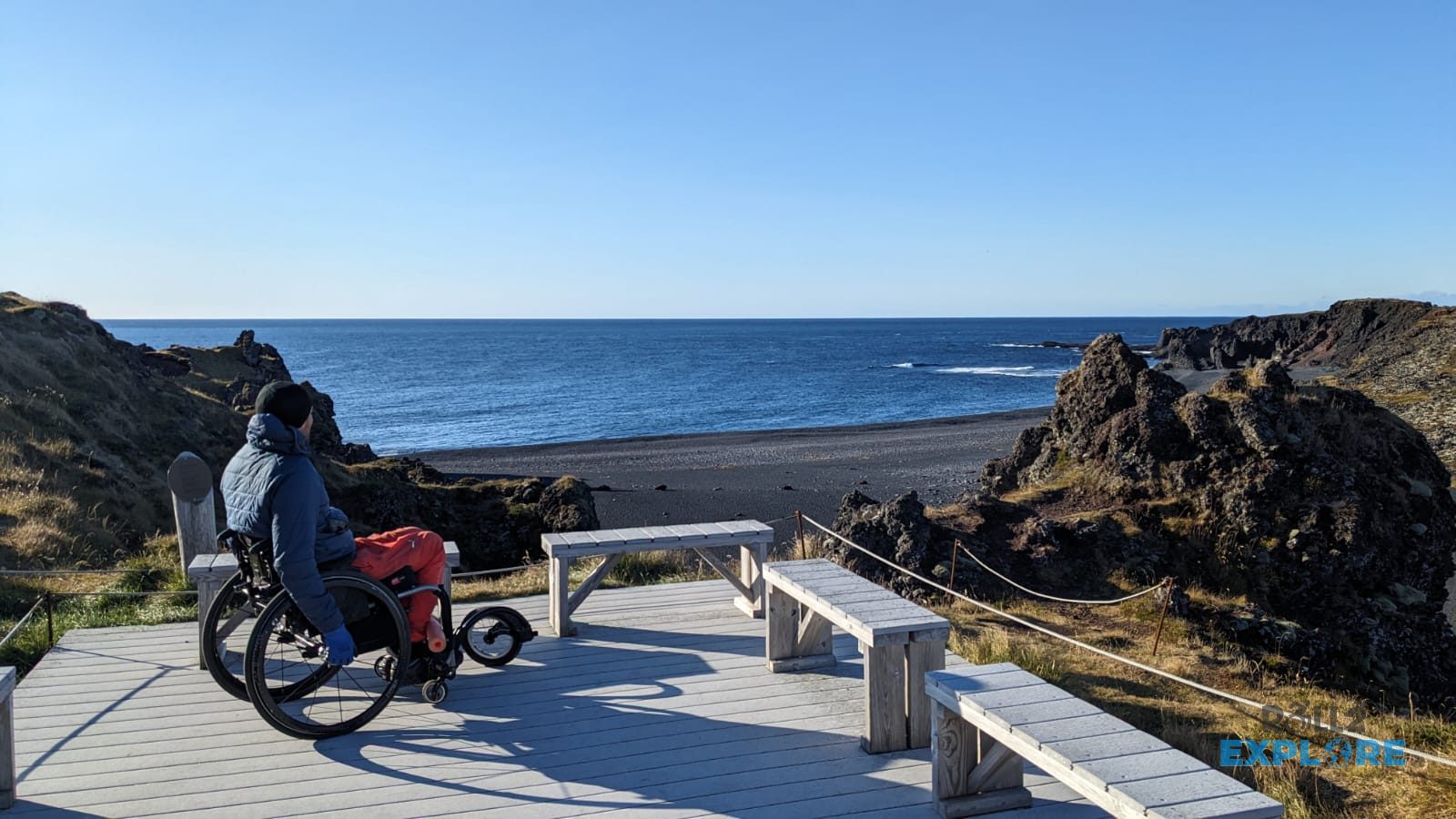
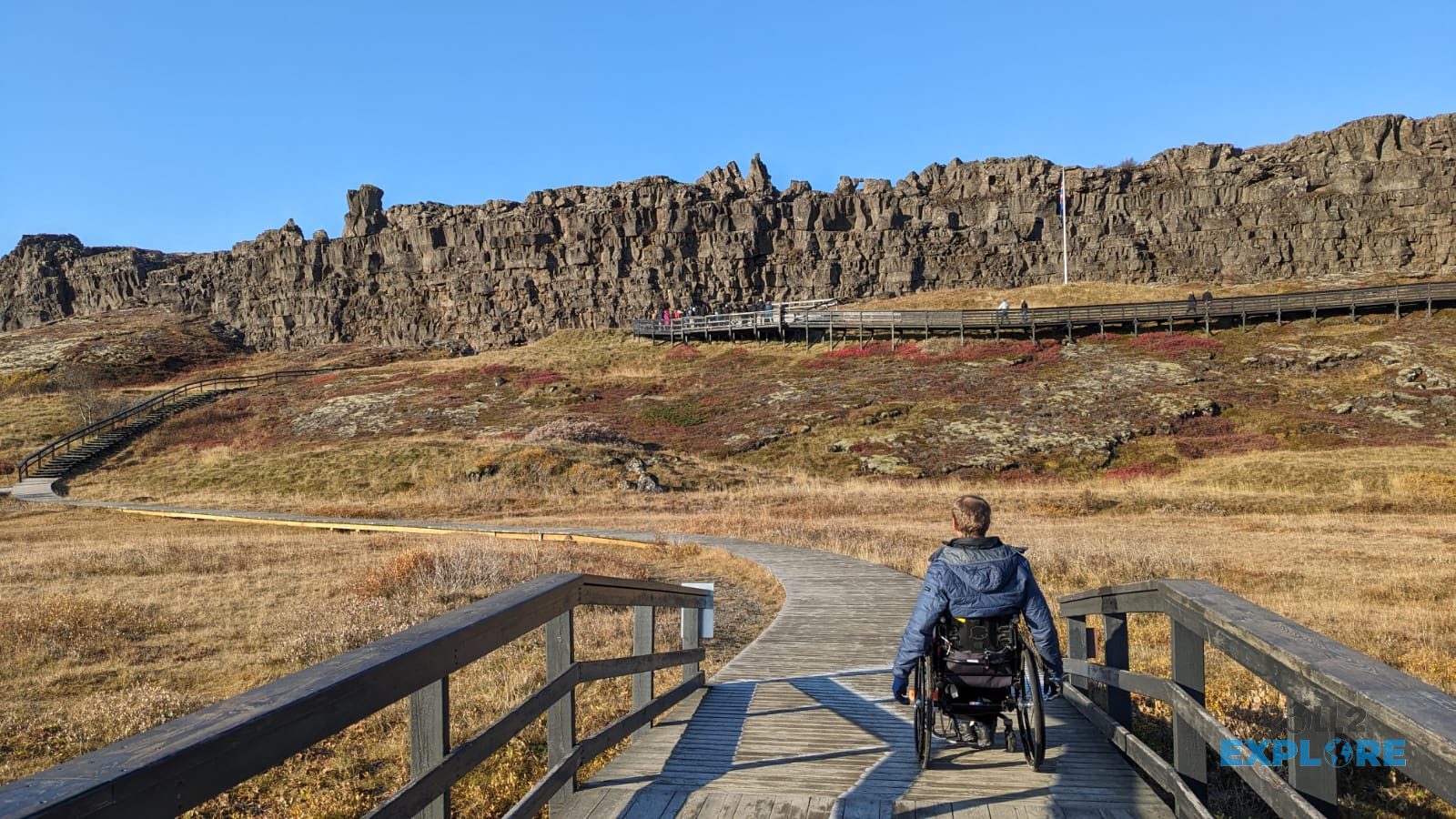
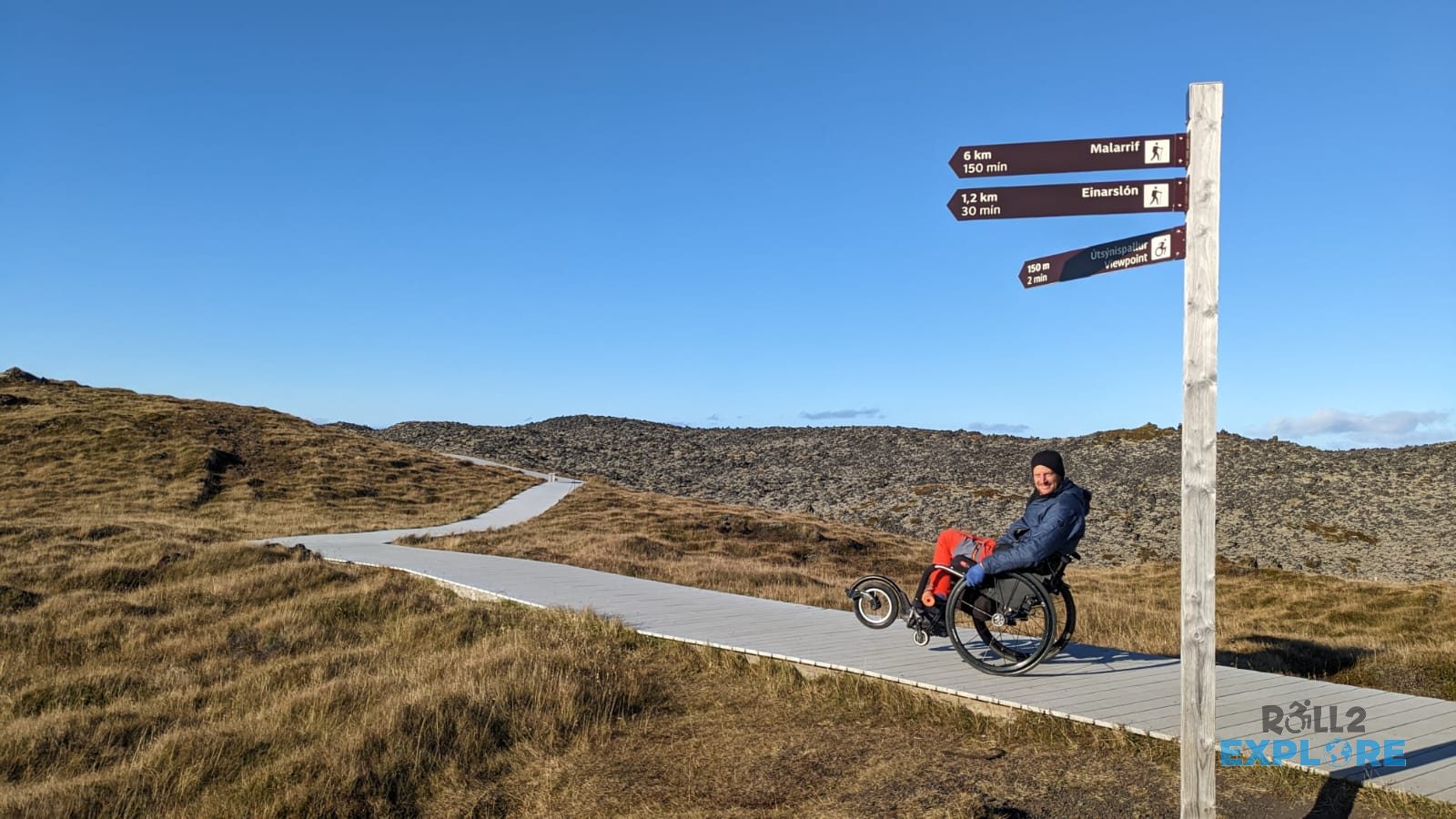
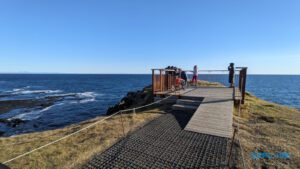
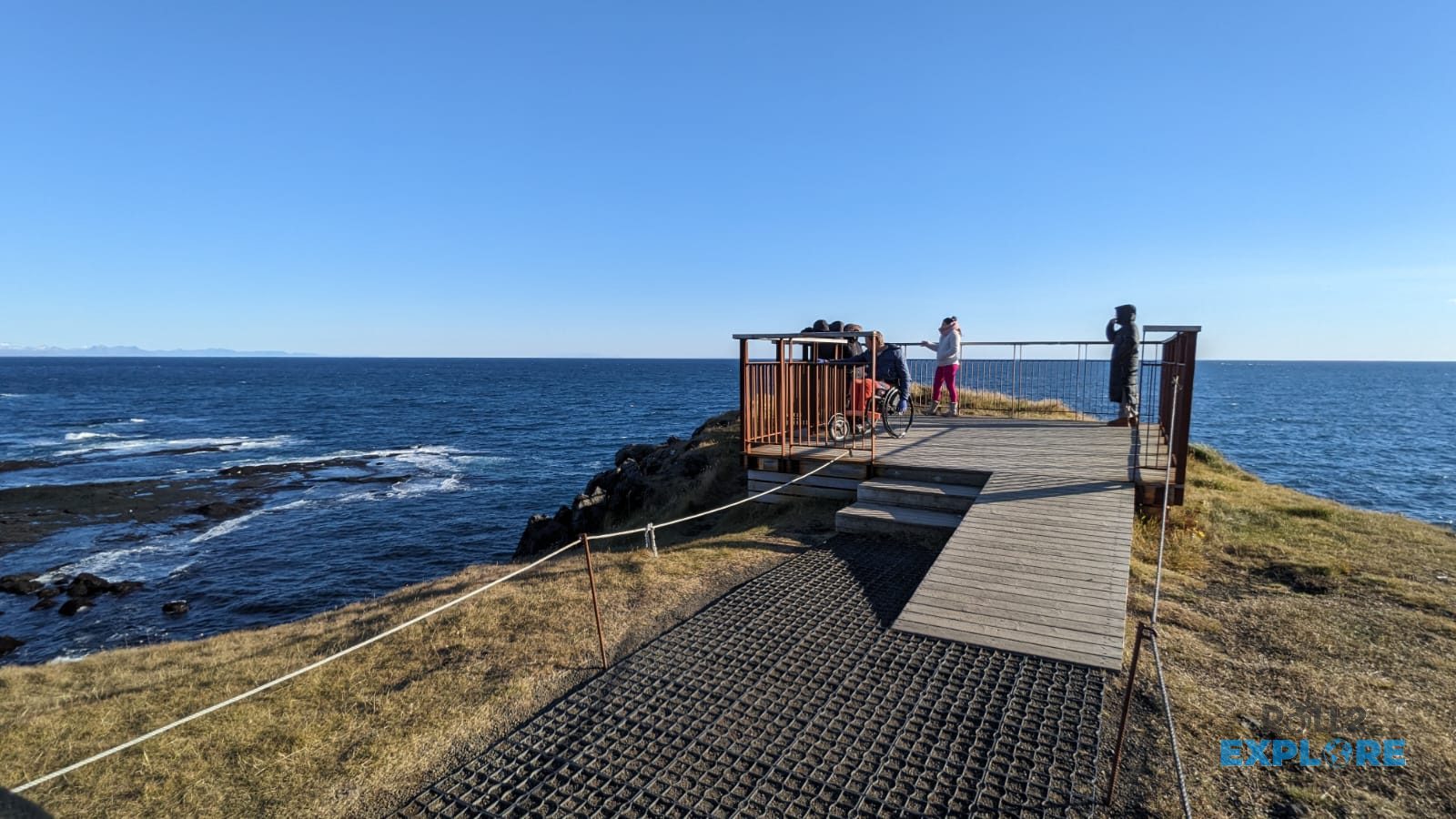
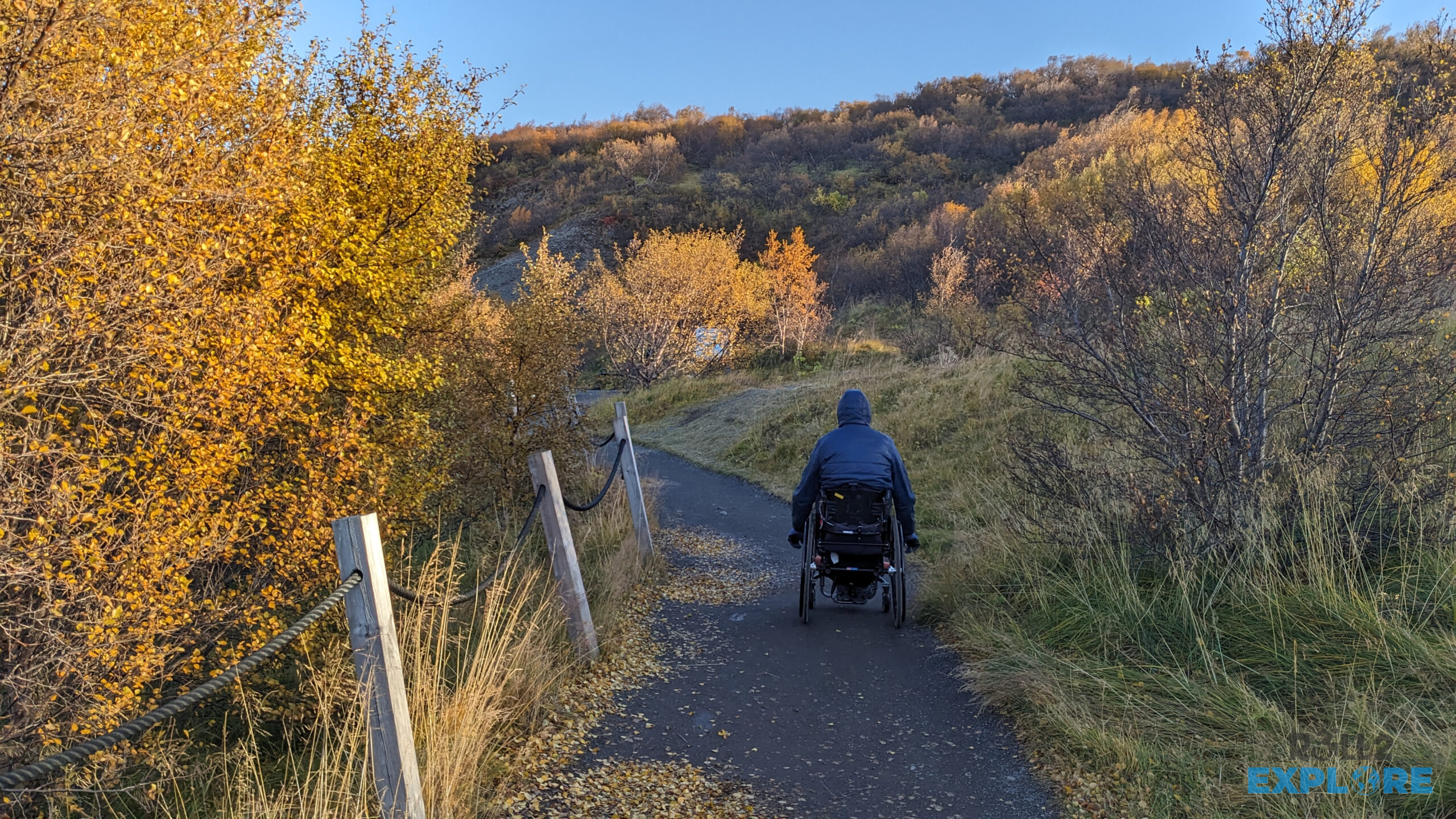
- Nature-focused attractions, like Þingvellir National Park, have accessible pathways and viewing platforms.
- Many attractions reduce fees for disabled visitors.
- Weaknesses:
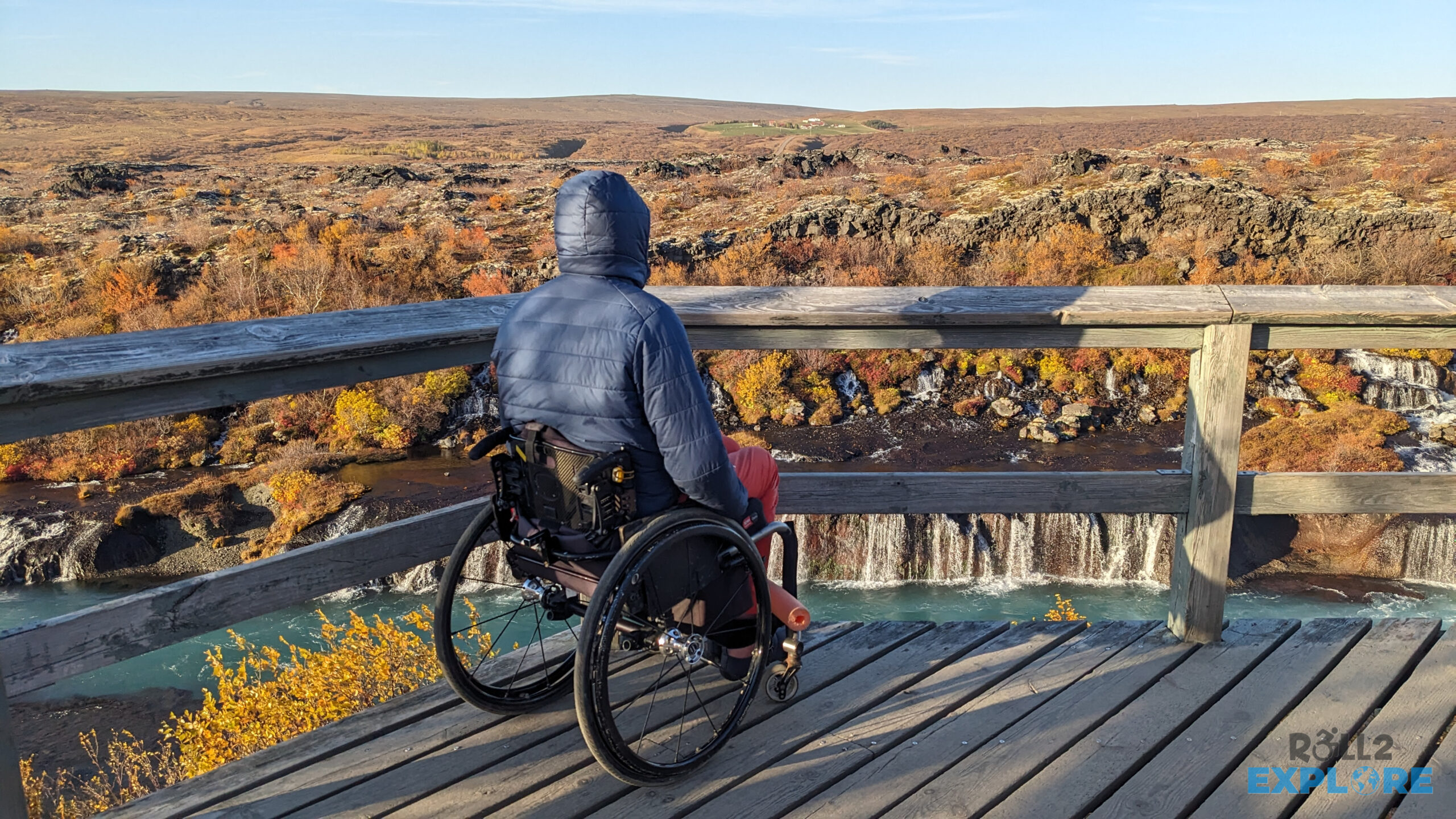
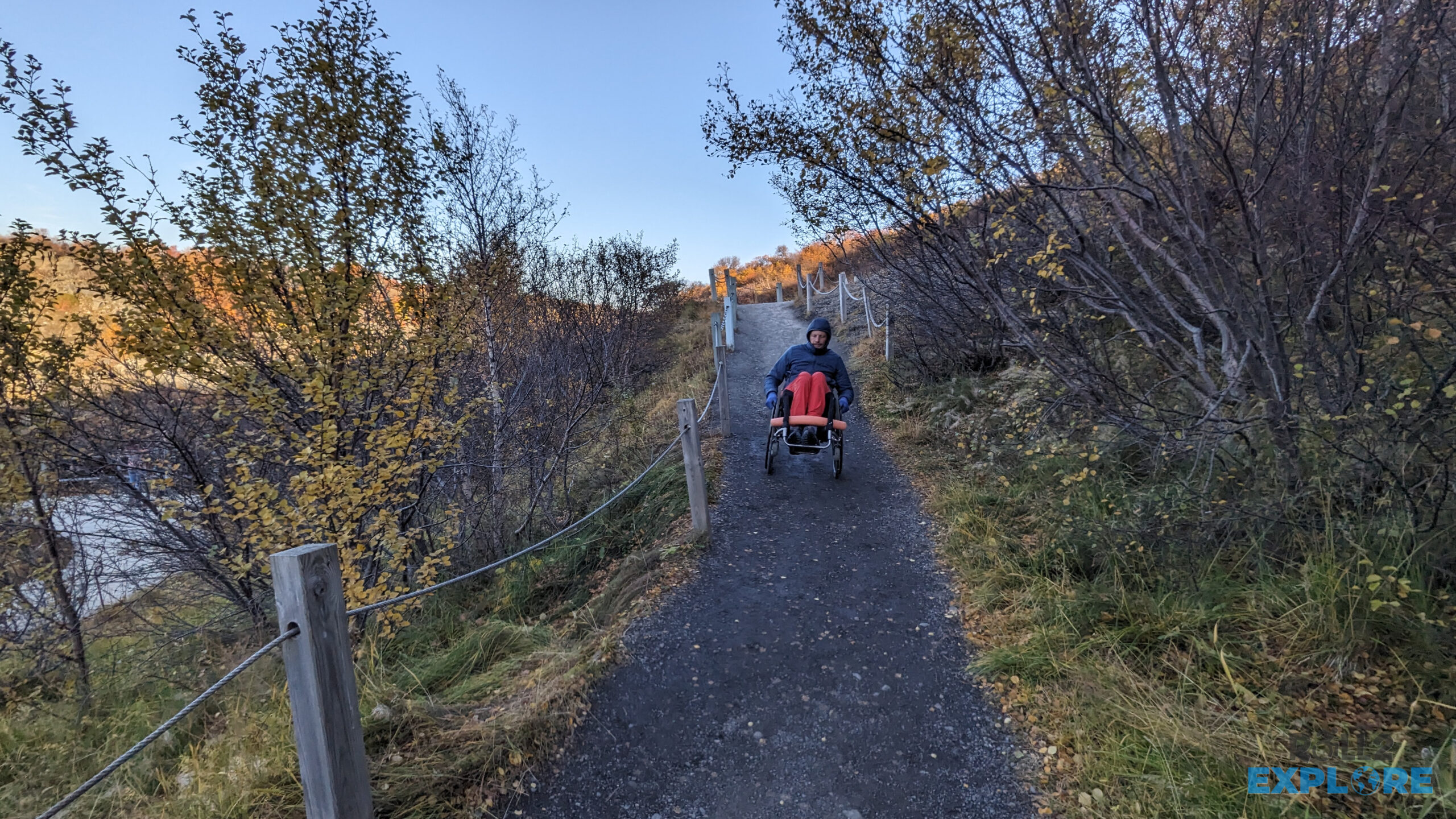
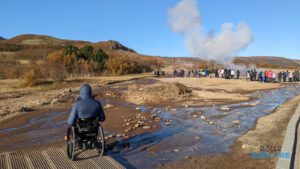
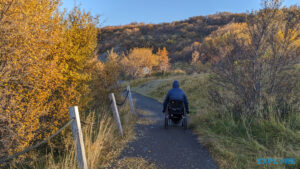
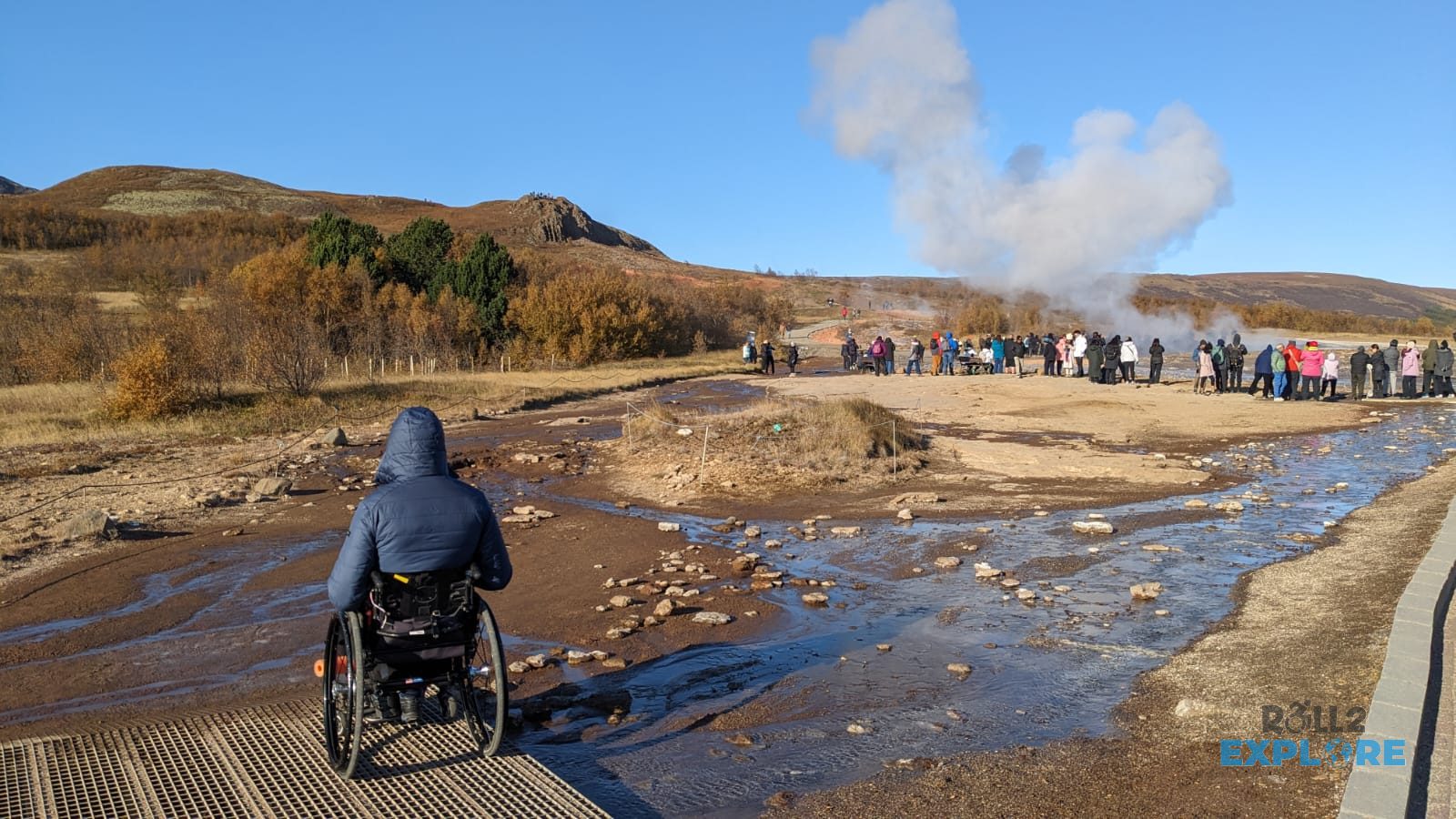
- Many natural landmarks (like waterfalls or geothermal areas) have limited accessibility due to uneven terrain or gravel paths.
5. Urban Infrastructure & Sidewalk Accessibility
Score: ♿♿♿♿♿♿♿ (7/10)
- Strengths:
- Reykjavík’s downtown area has smooth and heated sidewalks.
- Curb cuts are widespread in downtown areas.
- Many dedicated disabled parking spots.
- Weaknesses:
- Steep streets and uneven paving in older areas can be difficult to navigate.
- Icy sidewalks in winter are a major safety issue.
6. Accessible Toilets & Changing Facilities
Score: ♿♿♿♿♿♿♿ (7/10)
- Strengths:
- Public restrooms in major attractions are well-maintained.
- Airports, museums, national parks and some restaurants offer accessible toilets.
- Weaknesses:
- Changing Places toilets are rare outside Reykjavík.
7. Airport & Travel Hub Accessibility
Score: ♿♿♿♿♿♿♿♿ (8/10)
- Strengths:
- Keflavík International Airport has excellent wheelchair services, including PRM assistance and accessible security lanes.
- Accessible restrooms, elevators, ramps, and designated seating throughout the terminal.
- Staff are well-trained and accommodating.
- Weaknesses:
- Smaller regional terminals may lack some accessible features or sensory spaces.
8. Digital & Information Accessibility
Score: ♿♿♿♿♿♿ (6/10)
- Strengths:
- Tourism websites often include basic accessibility details for major attractions.
- Apps like Google Maps and Strætó are helpful for trip planning.
- Weaknesses:
- Lack of official mobile apps or centralized databases for accessibility.
- Real-time accessibility updates (e.g., elevator outages) are not available.
9. Local Policies & Societal Attitudes
Score: ♿♿♿♿♿♿♿♿ (8/10)
- Strengths:
- Iceland follows European accessibility standards and has laws against discrimination.
- Locals are generally kind, inclusive, and ready to help.
- Ramp Up Iceland has installed 1,700+ ramps since 2020.
- Weaknesses:
- Enforcement of accessibility standards can be inconsistent.
- Limited government incentives for private businesses to upgrade accessibility.
10. Emergency & Healthcare Accessibility
Score: ♿♿♿♿♿♿♿♿♿ (9/10)
- Strengths:
- Iceland has high-quality universal healthcare.
- Hospitals and emergency services are wheelchair accessible.
- Universal healthcare covers emergencies for all travelers.
- Weaknesses:
- Rural clinics may lack specialized equipment.
Overall Average Score: ♿♿♿♿♿♿♿ (7.2/10)
Why? Iceland excels in tourist attraction accessibility and emergency healthcare but struggles with public transportation options and limited accessibility due to uneven/rough terrain.
Pro tip: Rent a car or book tours with operators like Iceland Unlimited for tailored accessible itineraries.
Conclusion: Iceland is making steady progress toward becoming a more accessible destination — especially in its capital city and at major attractions. While there’s room for improvement in rural transport, changing facilities, and terrain adaptation, travelers who plan ahead will find that the country’s natural beauty, helpful locals, and growing awareness make it a rewarding (and doable!) destination for wheelchair users.
Exploring Iceland’s Wheelchair-Accessible Trails: Nature for Everyone