
Spain’s Wheelchair Accessibility Rating
(♿ = 1 point, max 10 per category)
1. Public Transportation Accessibility
Score: ♿♿♿♿♿♿♿♿ (8/10)
- Strengths:
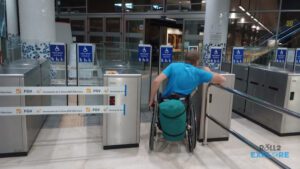
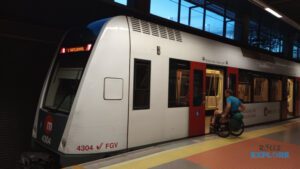
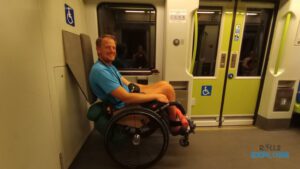
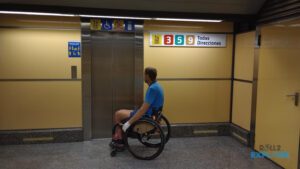
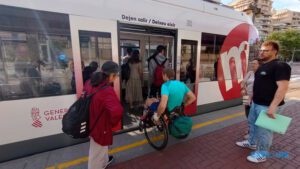
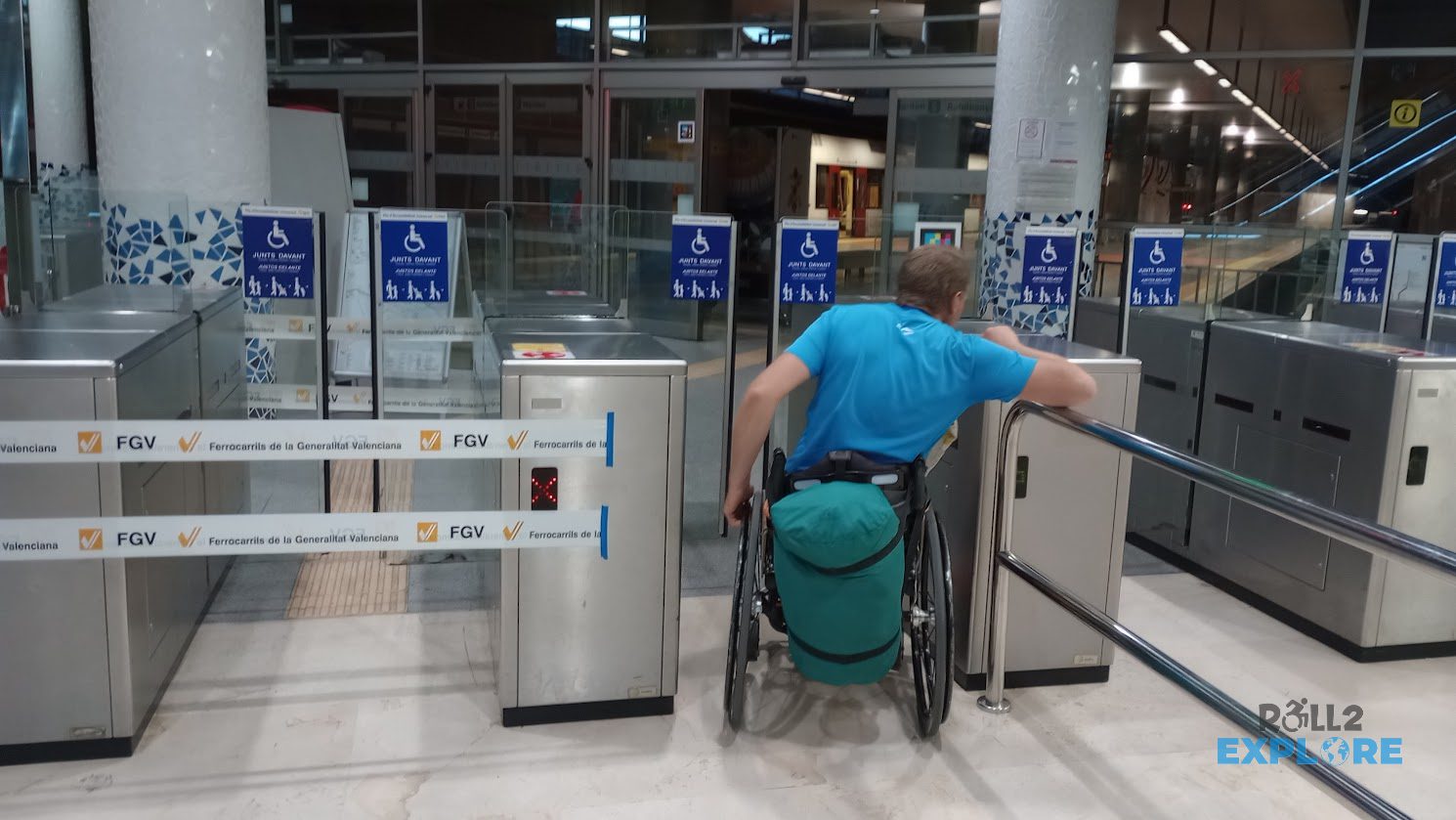
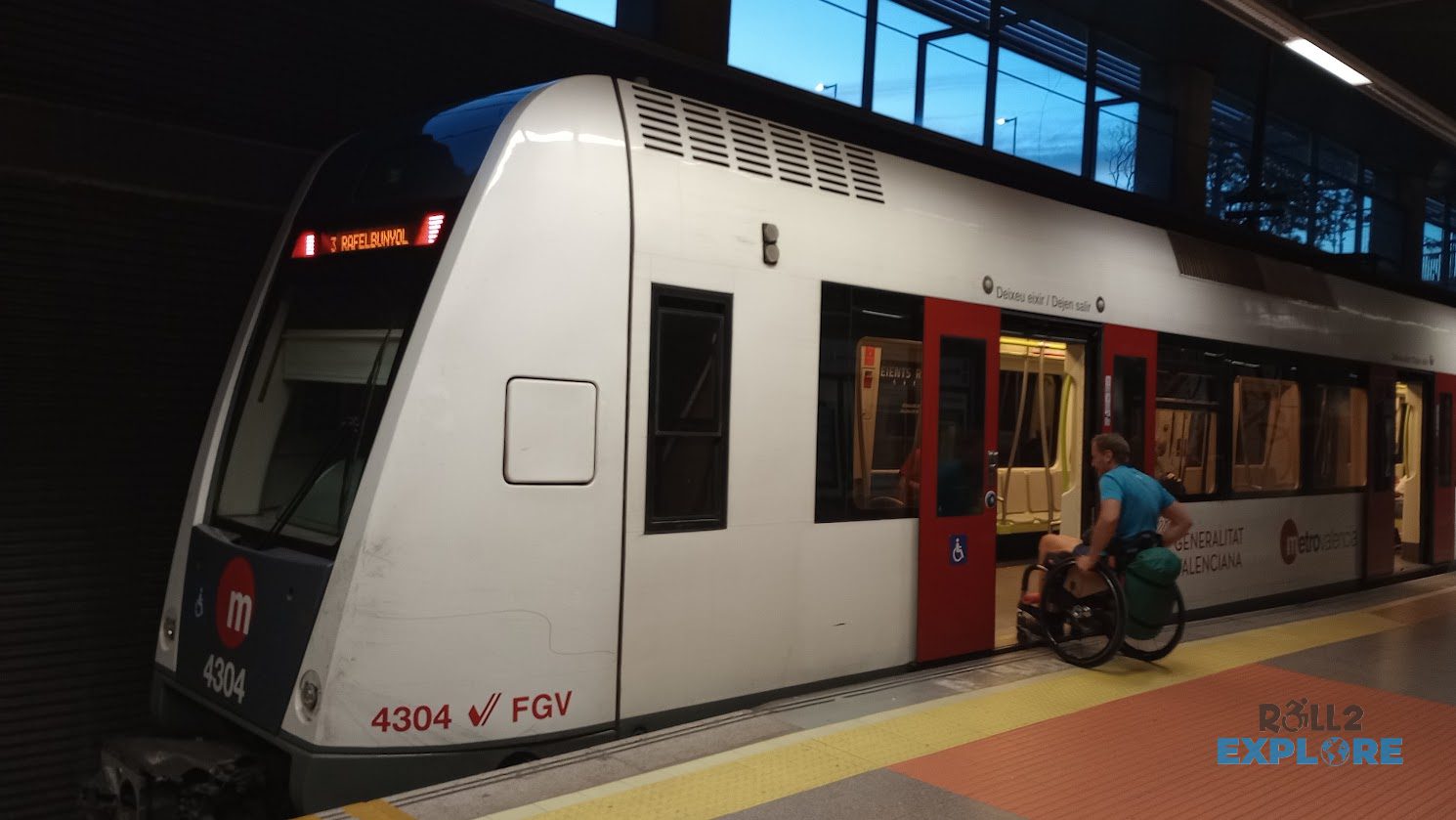
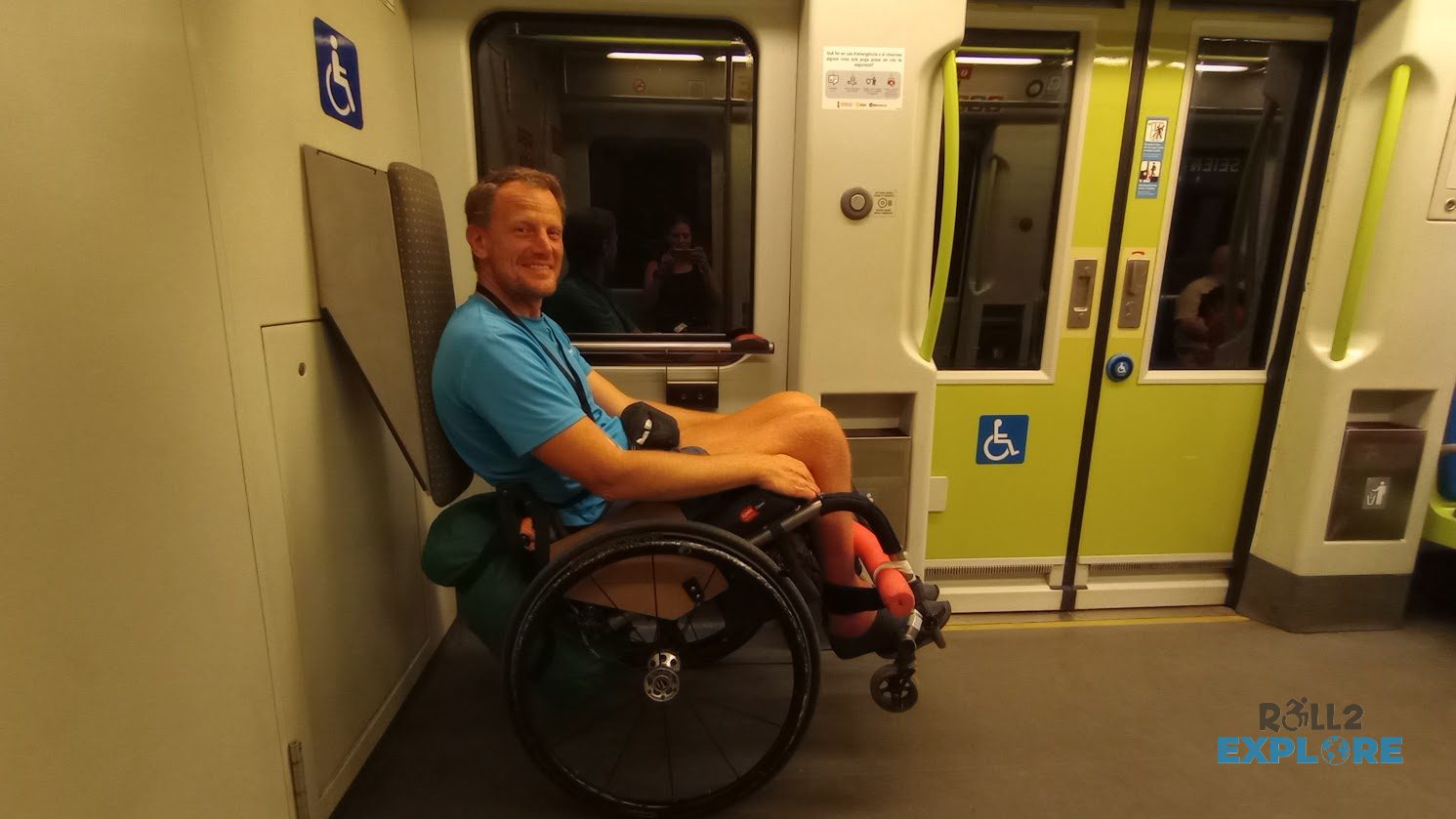
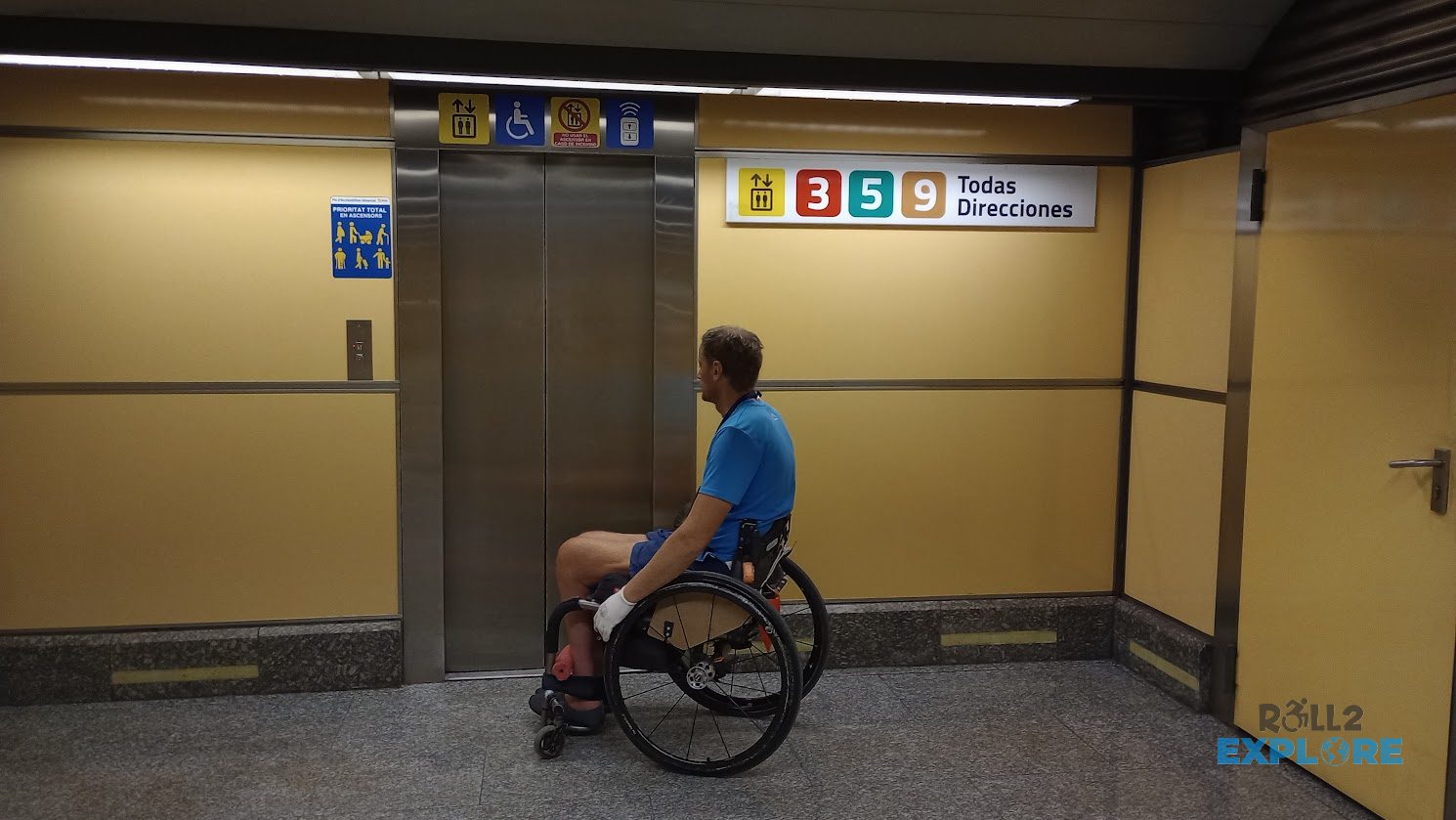
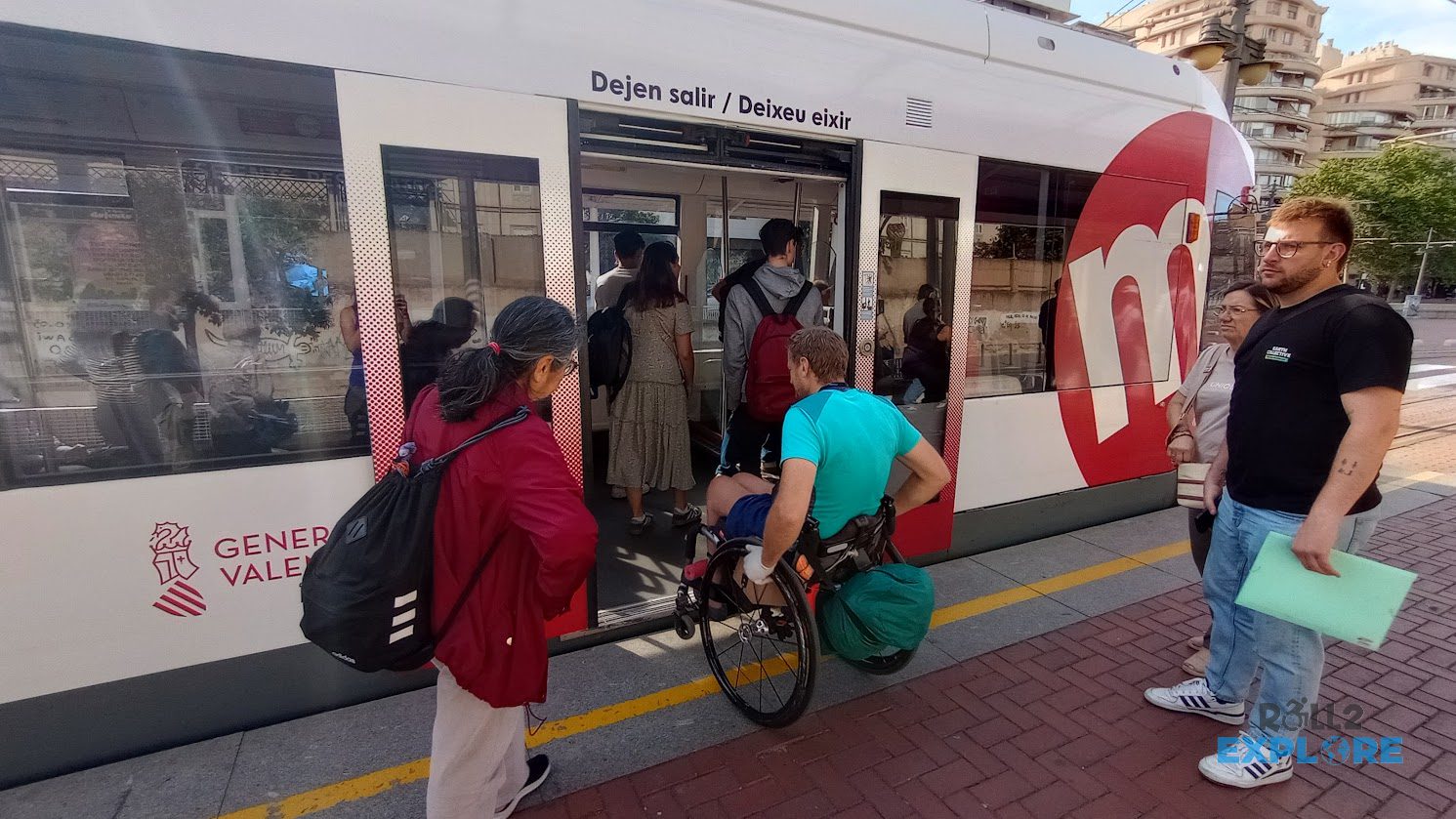
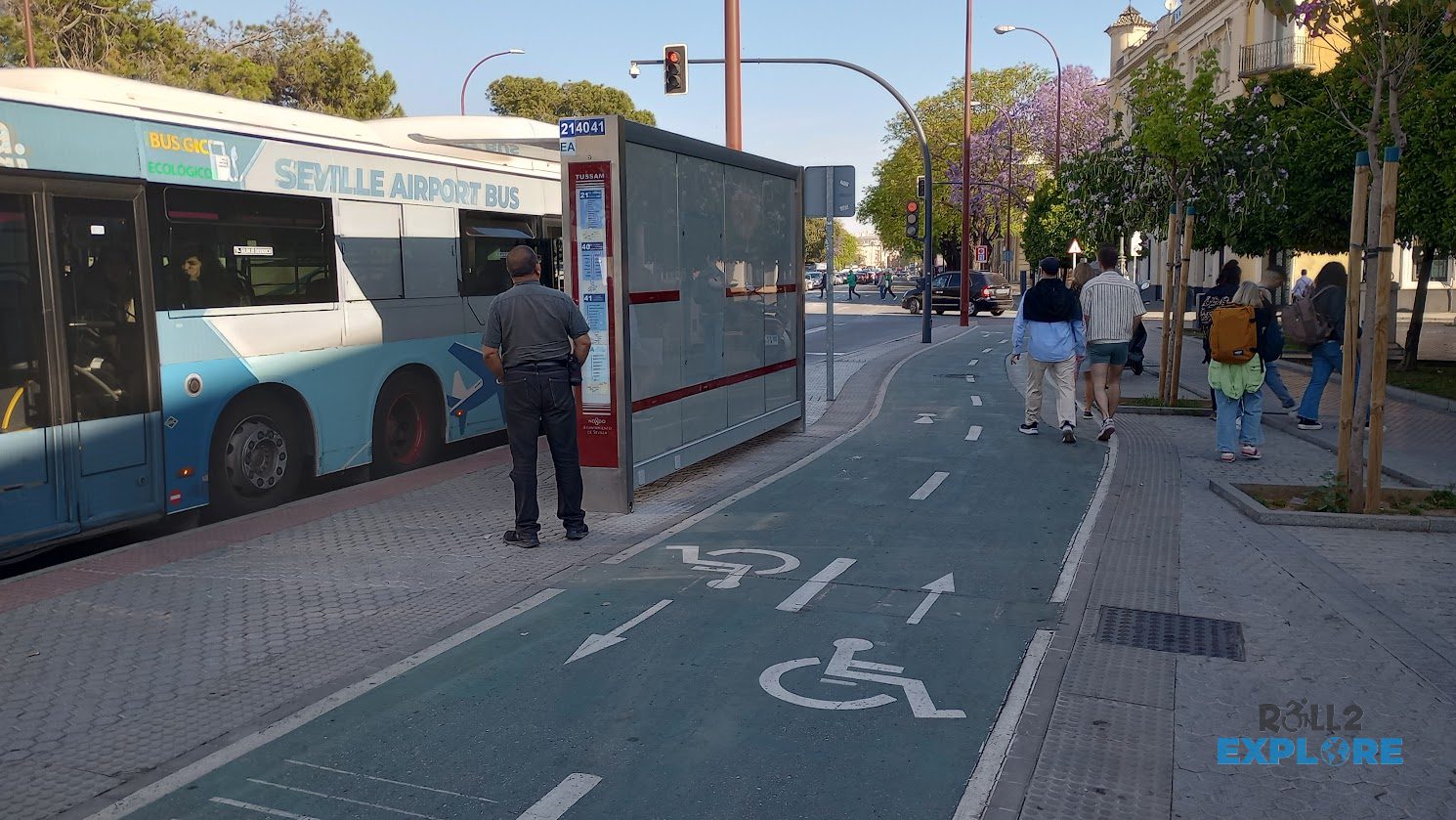
- Major cities have ramps, kneeling buses, priority spaces, elevators in many metro stations, and accessible taxis.
- High-speed and regional trains provide H-seats, adapted toilets, boarding platforms, and station assistance.
- Weaknesses:
- Metro coverage can be patchy, particularly in older lines or smaller cities (e.g., Madrid ~80% elevator coverage; some stations lack lifts.
- In less urban areas, buses/trains may lack reliable ramps with inconsistent service. Booking station assistance can feel unreliable.
2. Hotel & Accommodation Accessibility
Score: ♿♿♿♿♿♿♿ (7/10)
- Strengths:
- Most hotels in major cities and many chain properties offer accessible rooms, roll-in showers, wide doorways, grab bars.
- Newer properties in Barcelona, Valencia, and Madrid meet accessibility standards.
- Weaknesses:
- Smaller, older, heritage or rural properties may lack full accessibility (elevators, adapted bathrooms).
- Booking accessible rooms can still require emailing or calling ahead due to inconsistent online info.
3. Restaurant & Dining Accessibility
Score: ♿♿♿♿♿♿♿ (7/10)
- Strengths:
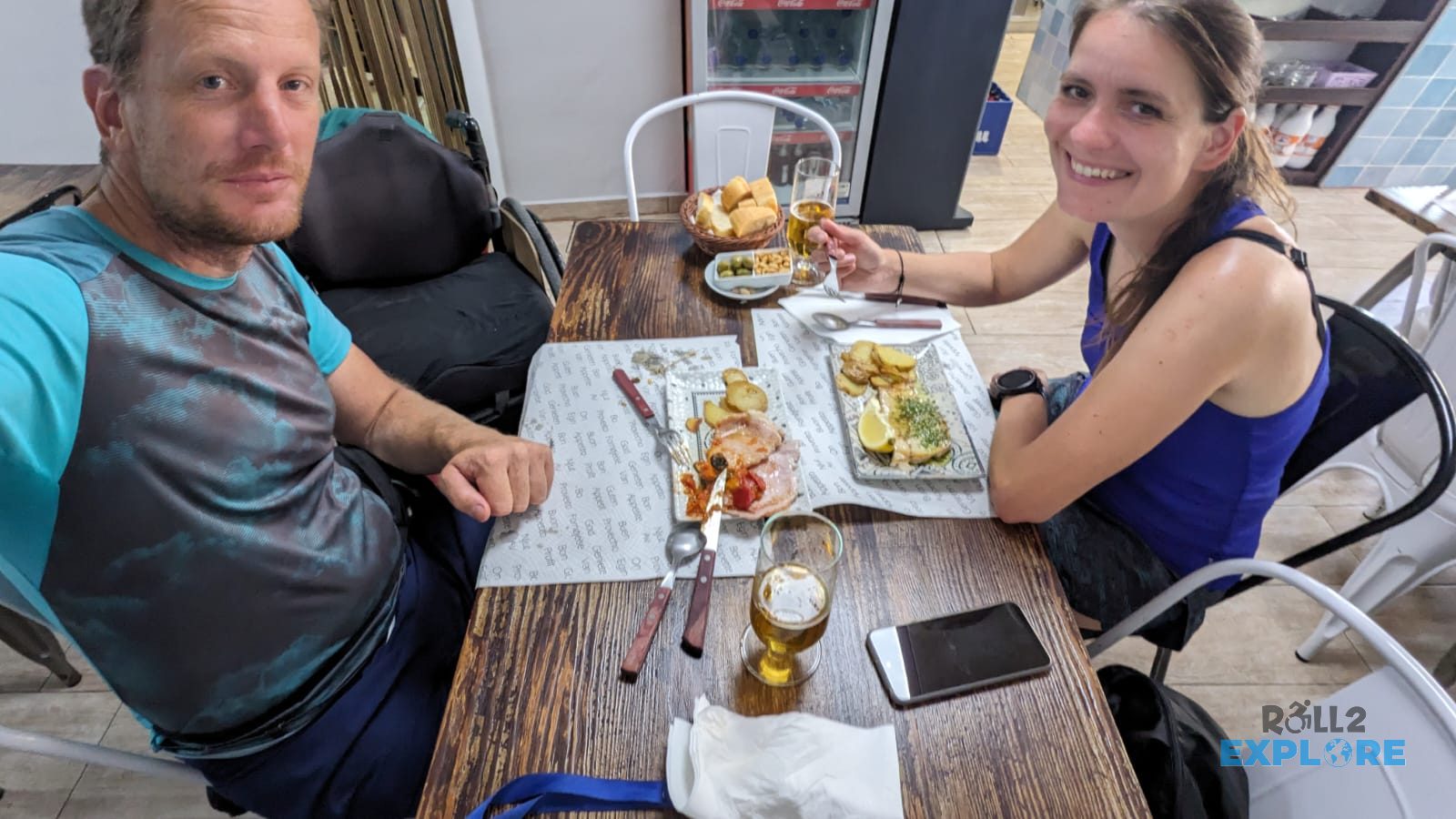
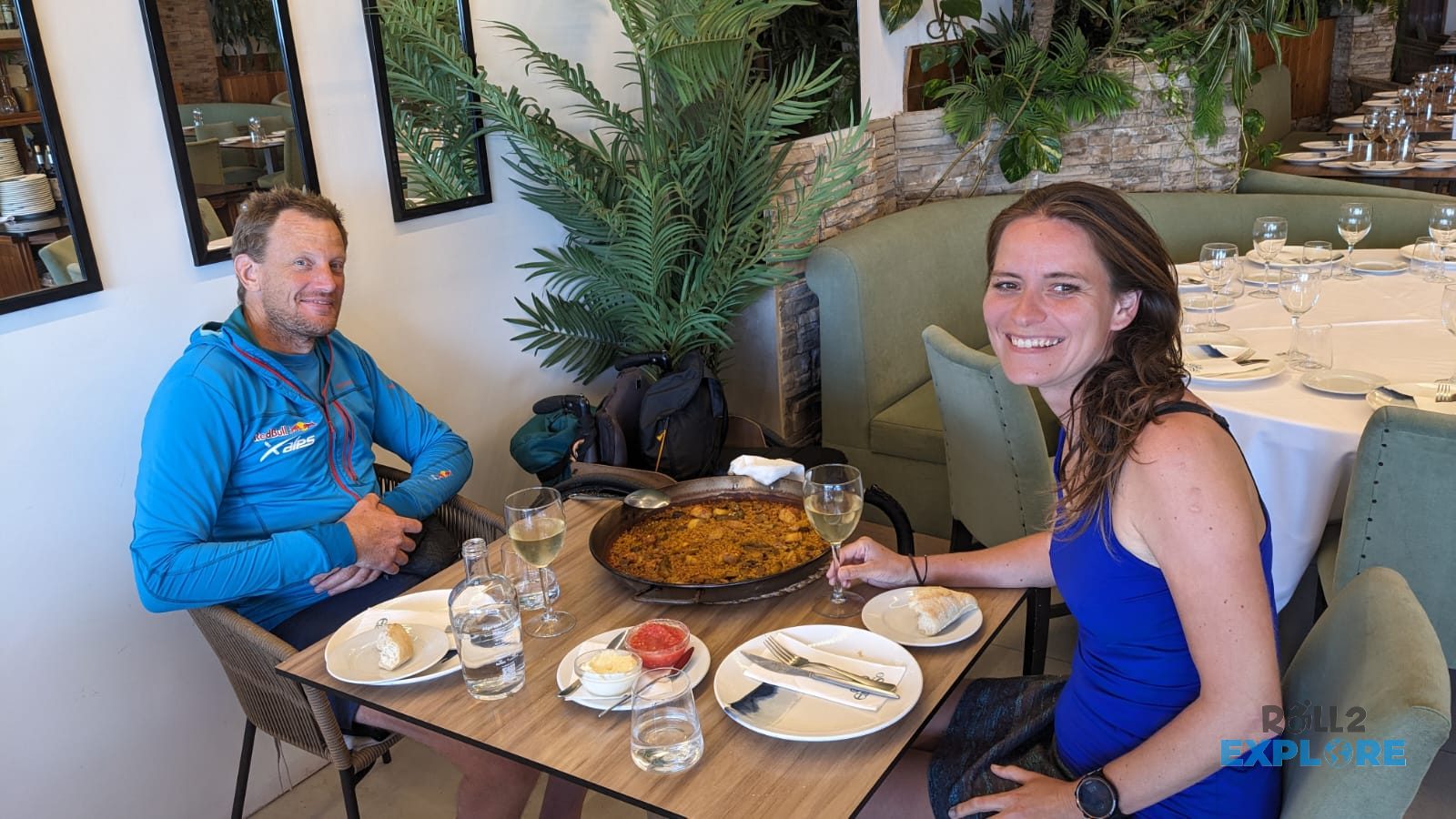
- Many restaurants and cafés in cities have step-free entrances and accessible restrooms, especially chain establishments and tourist-focused venues.
- Staff training exists in some areas, and braille/tactile menus are emerging in higher-end or tourist spots.
- Weaknesses:
- Smaller or historic eateries often have narrow doorways or raised thresholds. Accessible restrooms are still hit-or-miss.


4. Tourist Attractions & Cultural Sites
Score: ♿♿♿♿♿♿♿♿ (8/10)
- Strengths:
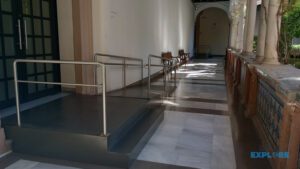
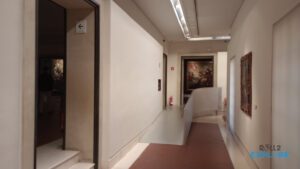
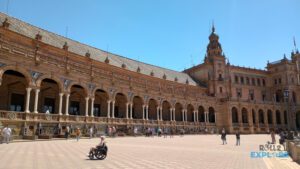
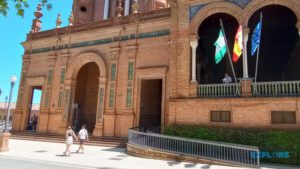
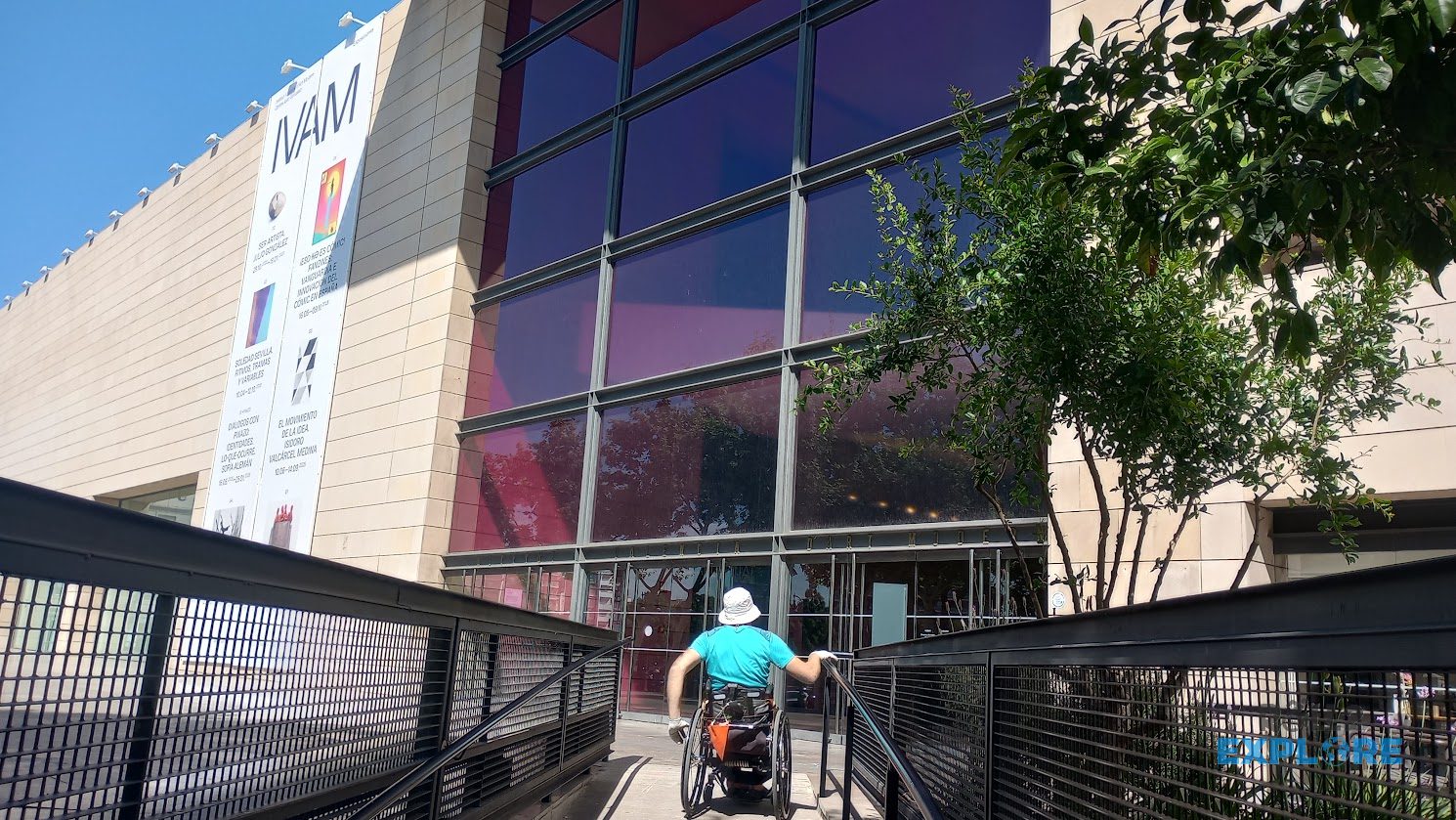
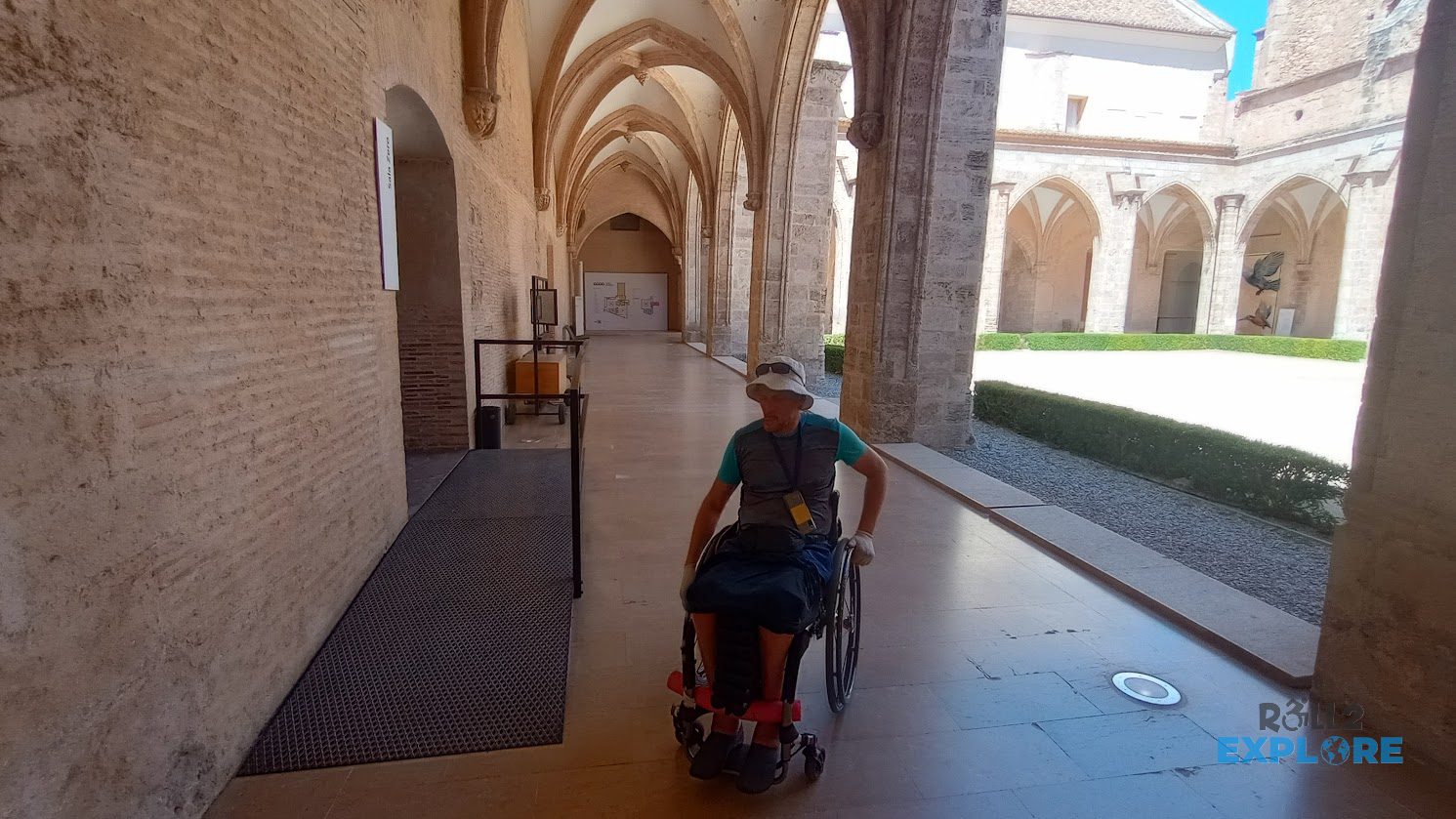
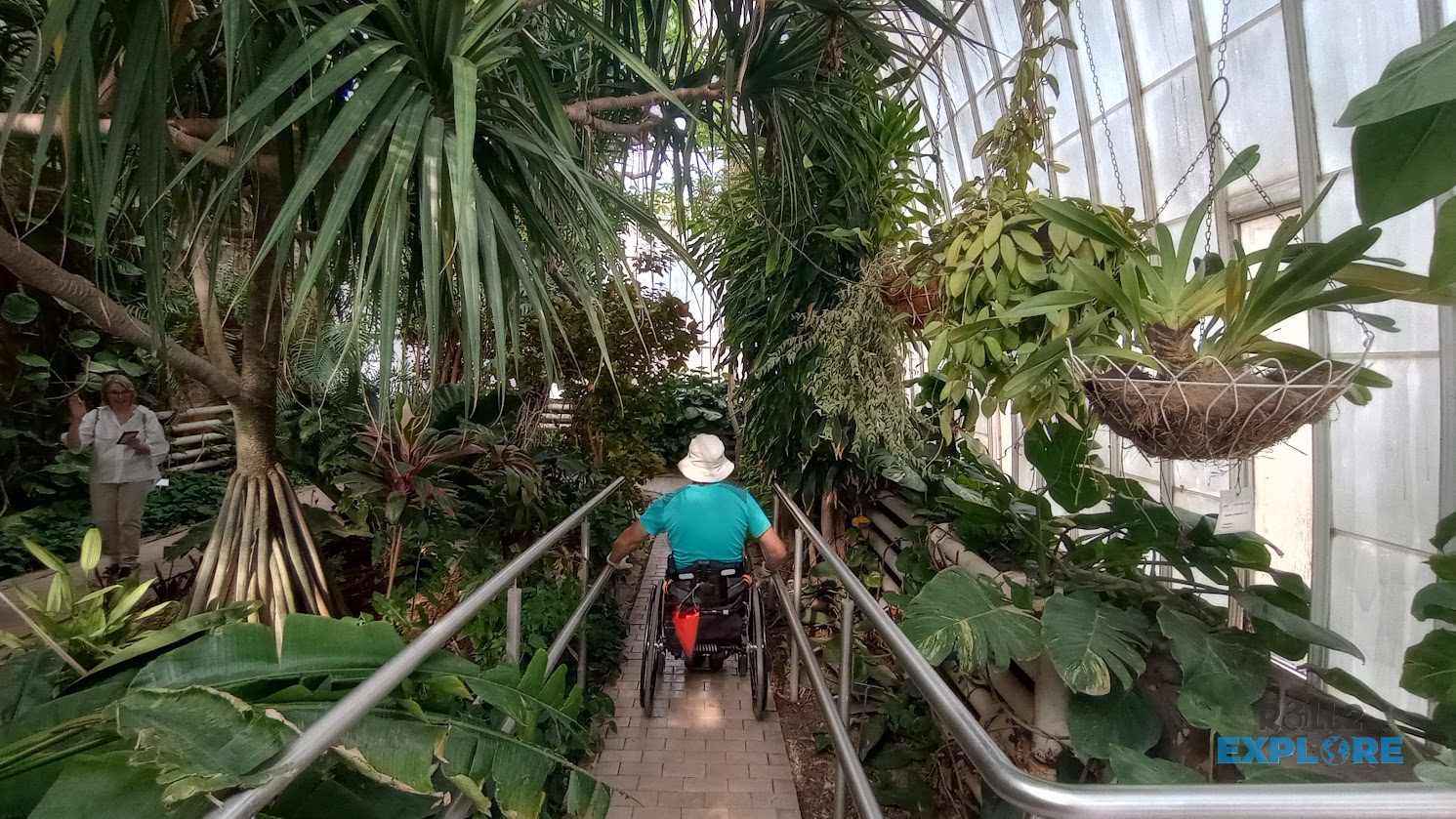
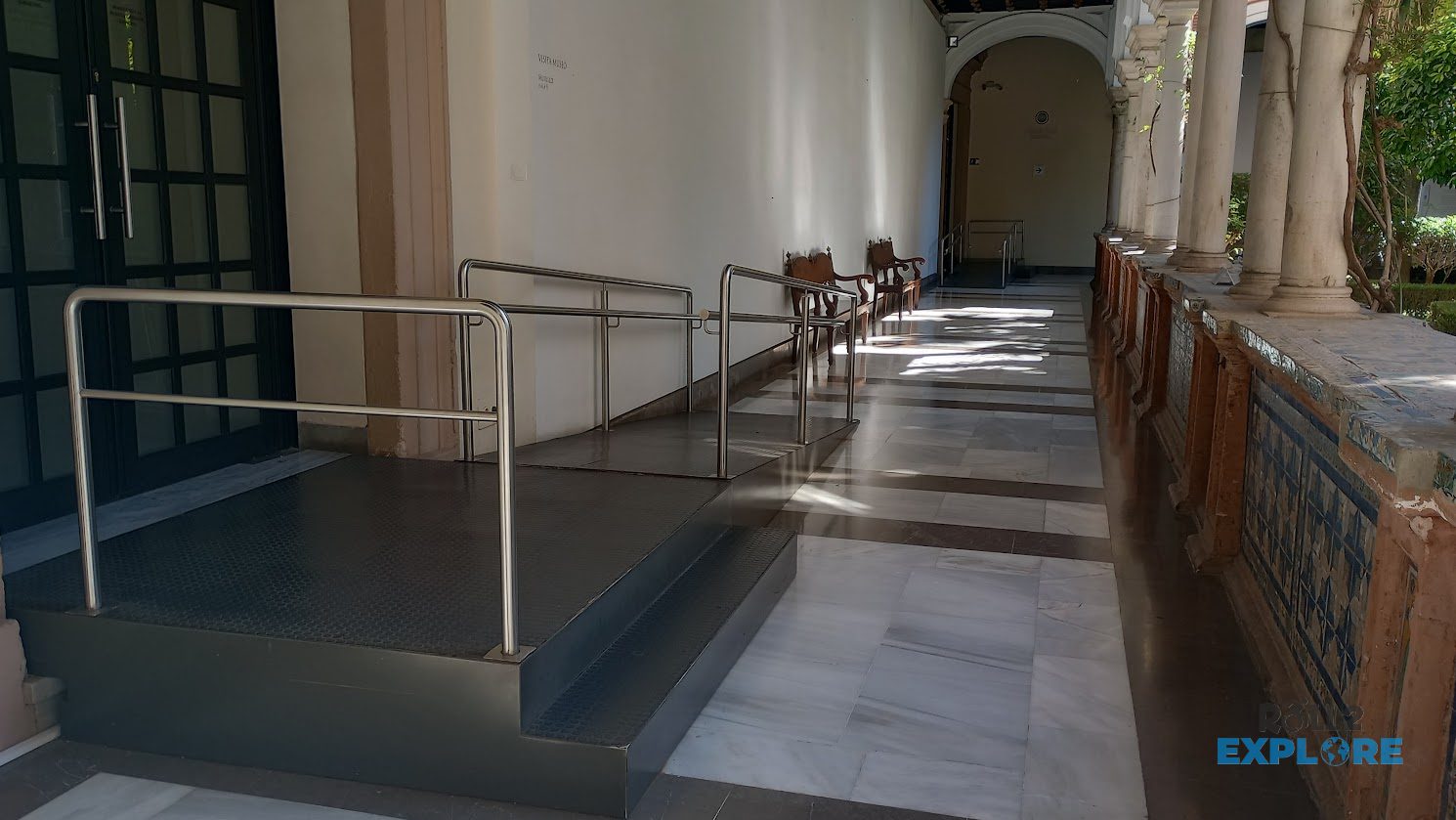
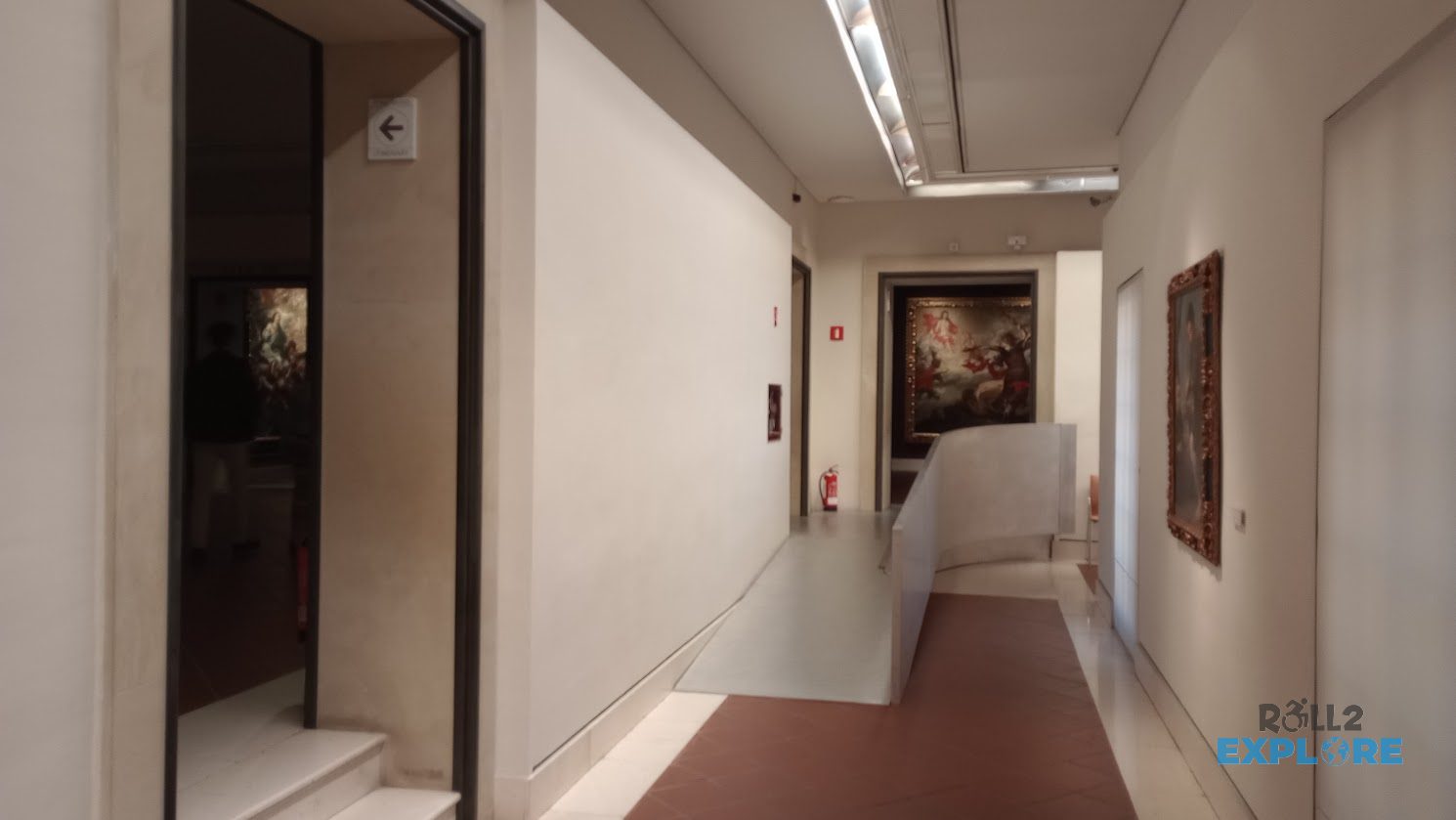
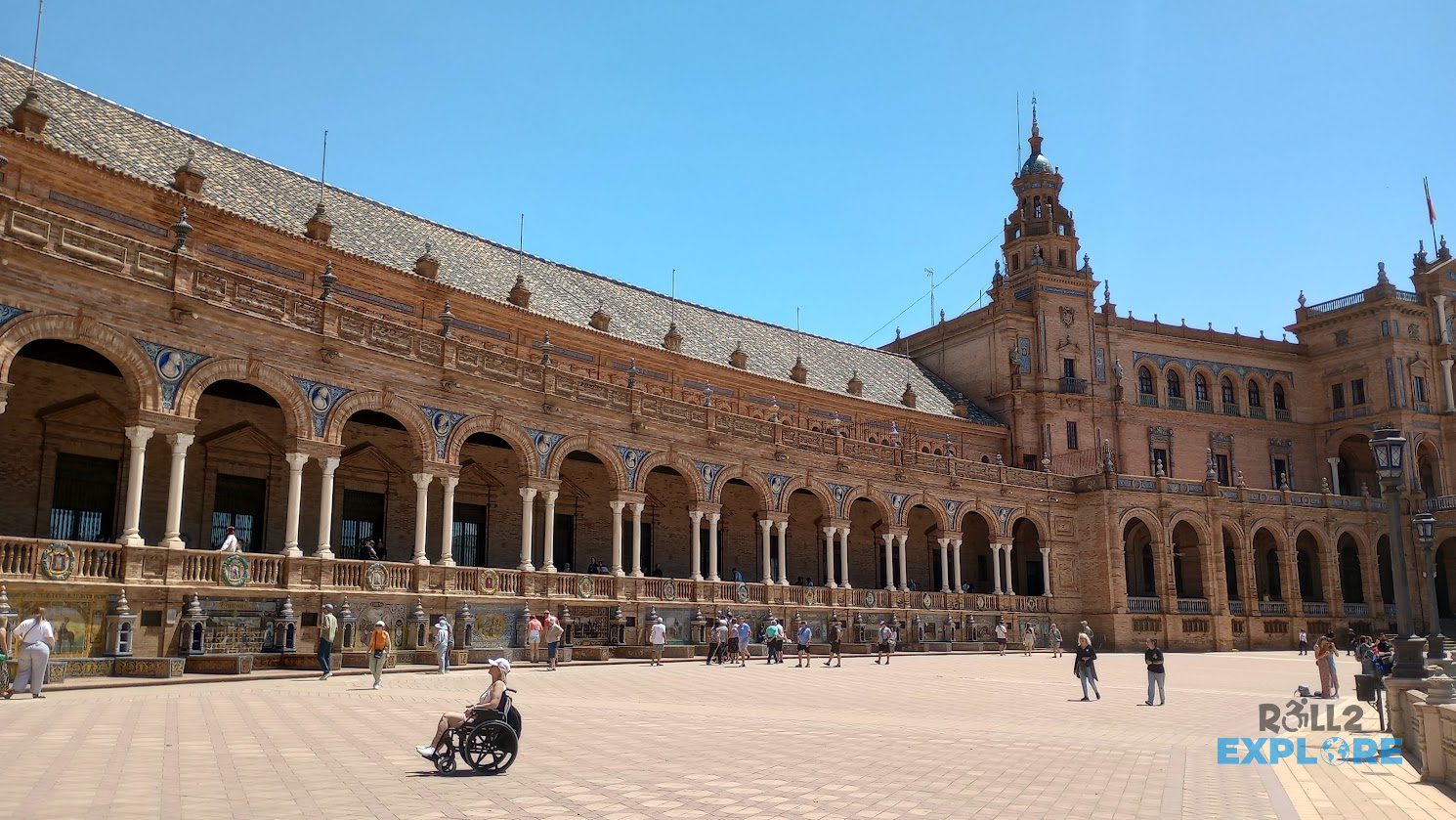
- Museums (e.g., Prado, Reina Sofía, Guggenheim) and landmarks (Sagrada Familia, Alhambra) offer ramps, lifts, tactile routes, audio guides, and free/reduced entry for companions.
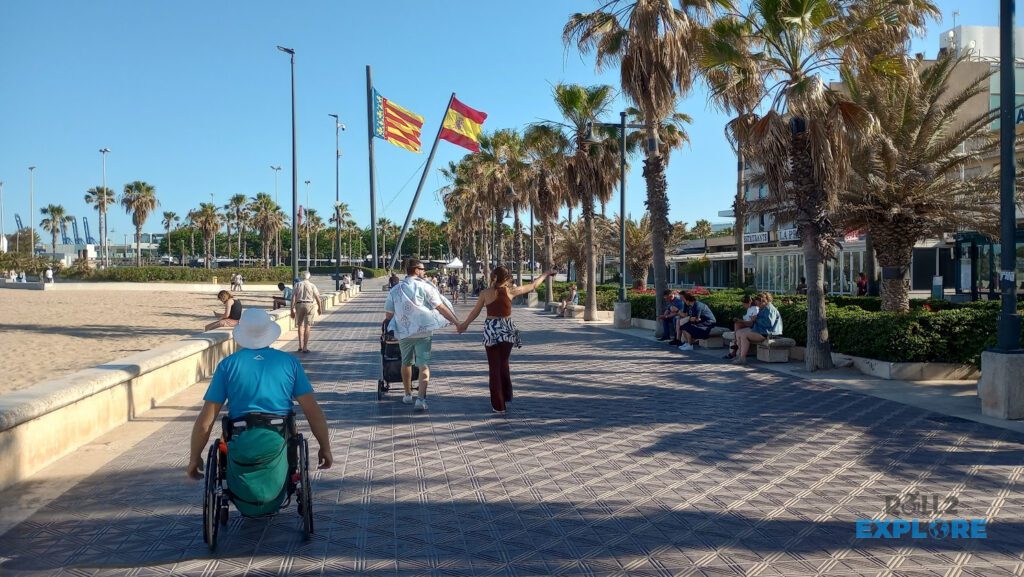
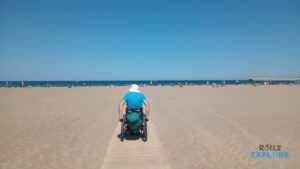
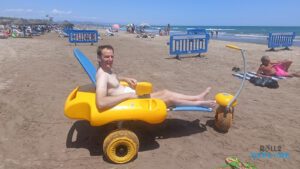
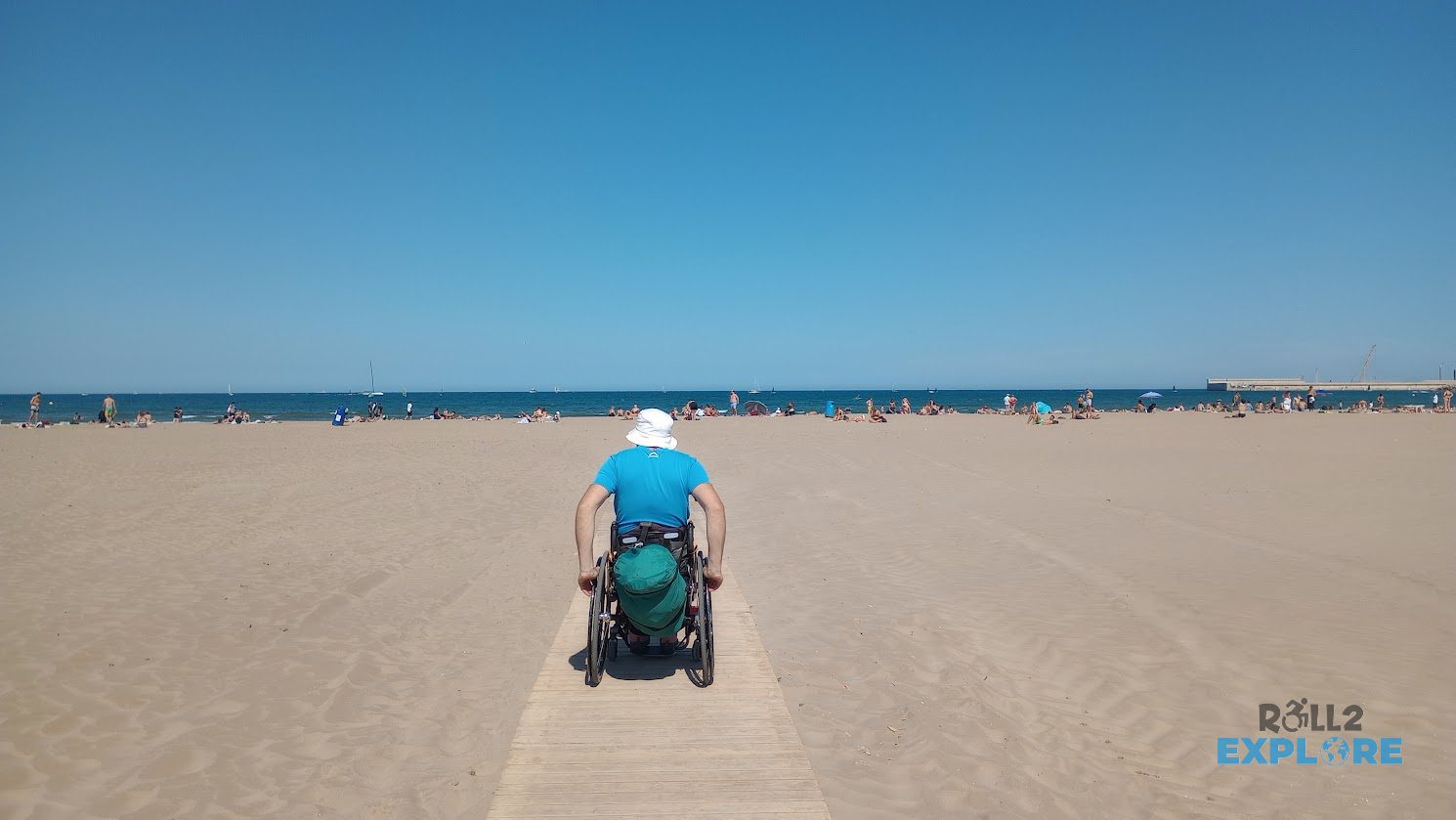
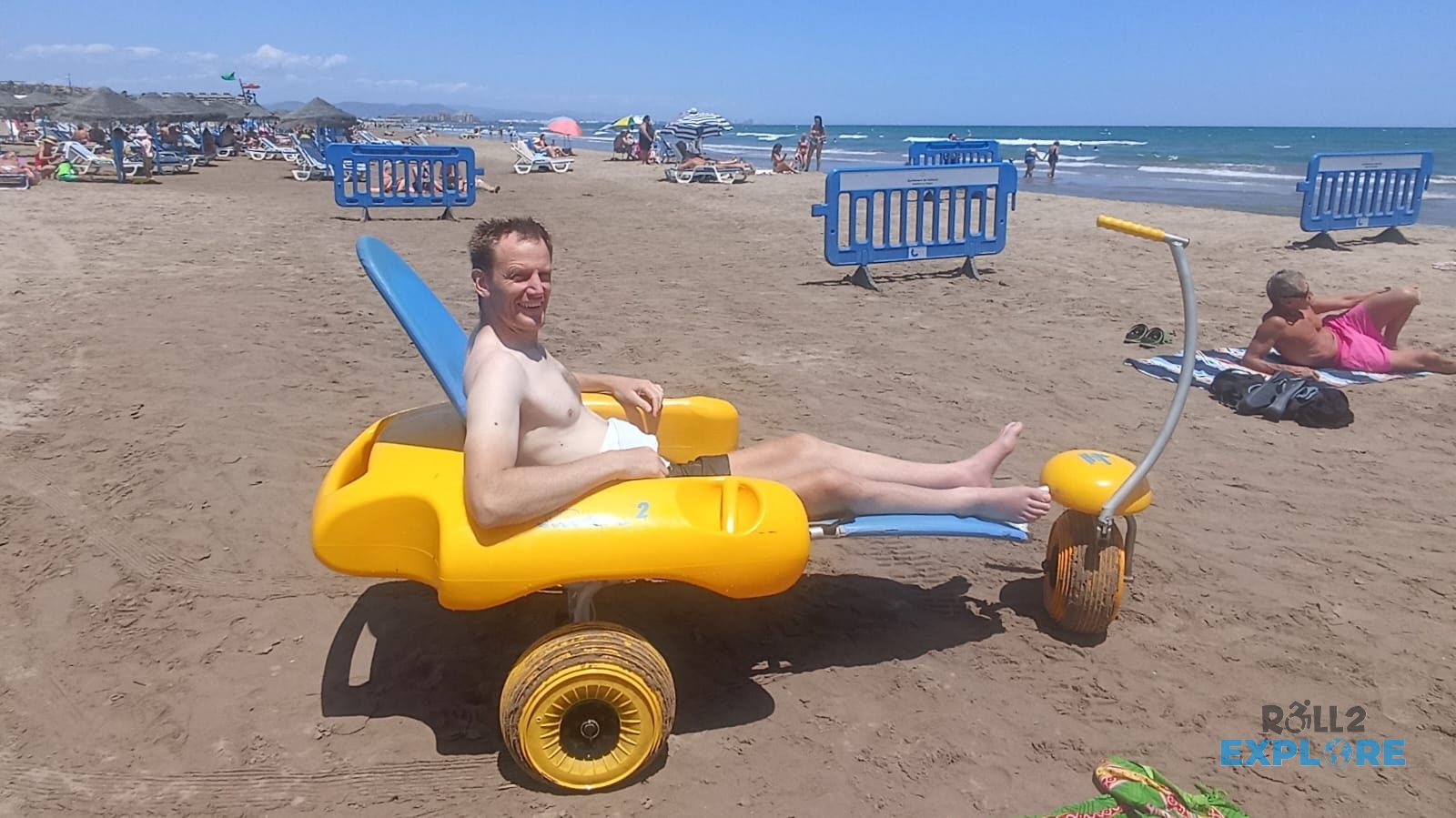
- Many beaches provide boardwalks, beach wheelchairs, accessible changing sheds.
- Wheelchair rental is widely available.
- Weaknesses:
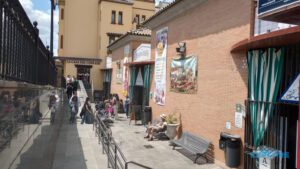
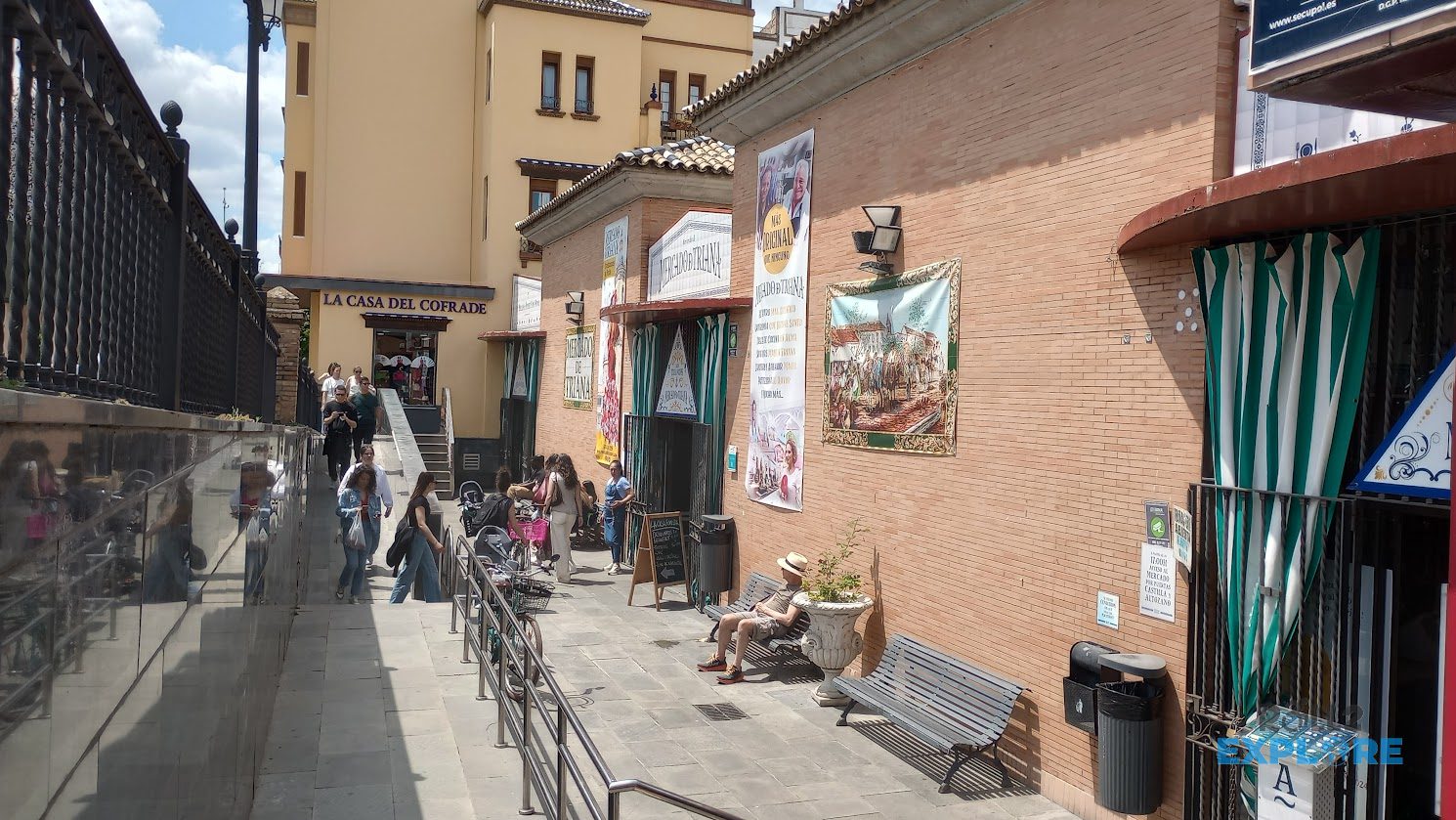
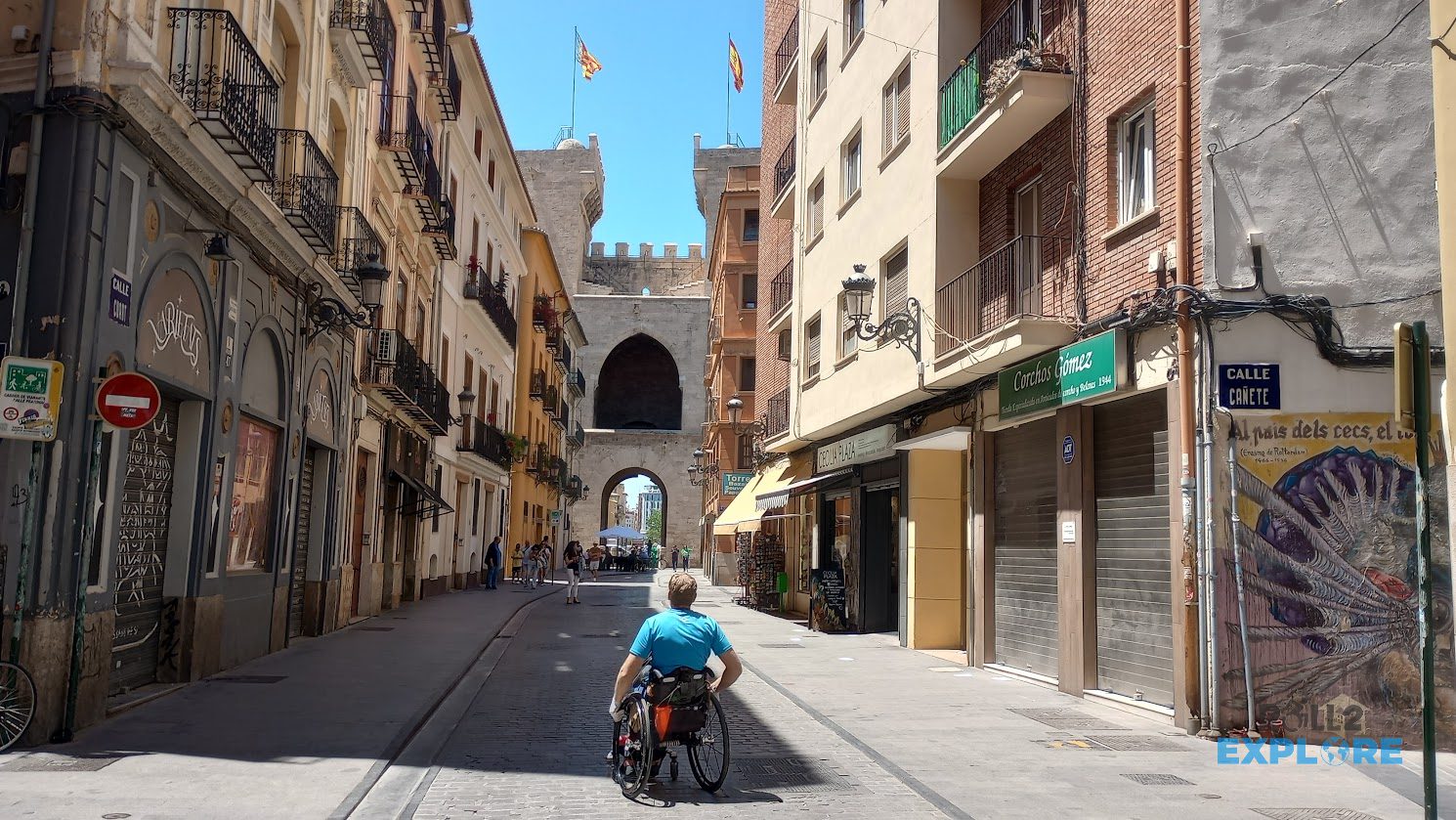
- Some heritage sites and historic quarters (e.g., Toledo, old towns) are limited due to stairs, cobbles, and narrow passageways.
- Information on discounts varies and may require direct inquiry.
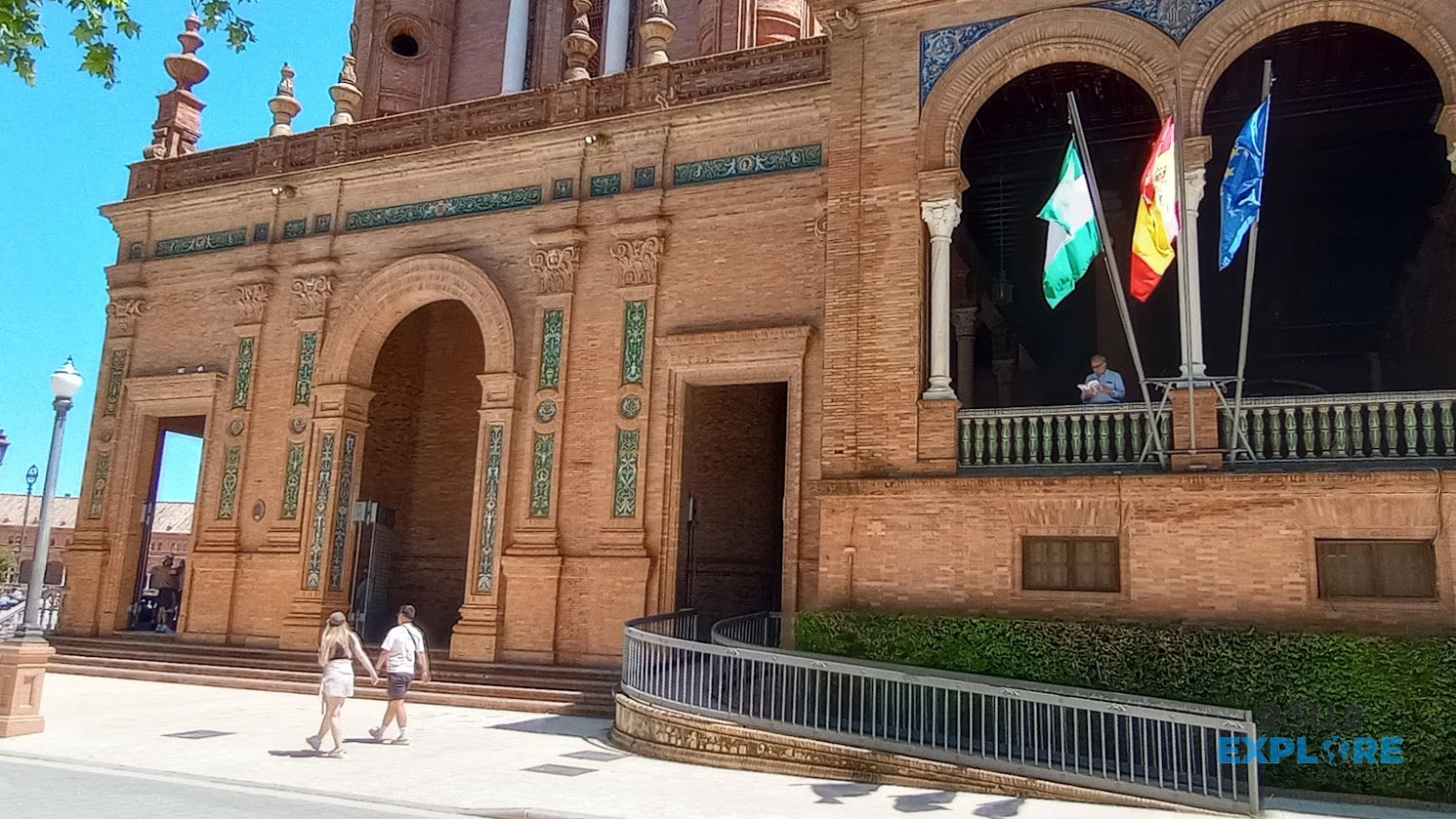
5. Urban Infrastructure & Sidewalk Accessibility
Score: ♿♿♿♿♿♿♿ (7/10)
- Strengths:
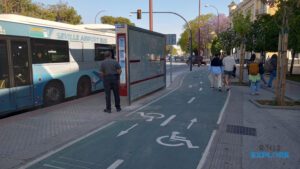
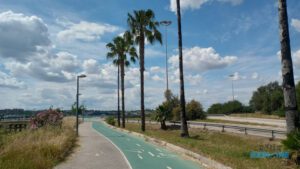
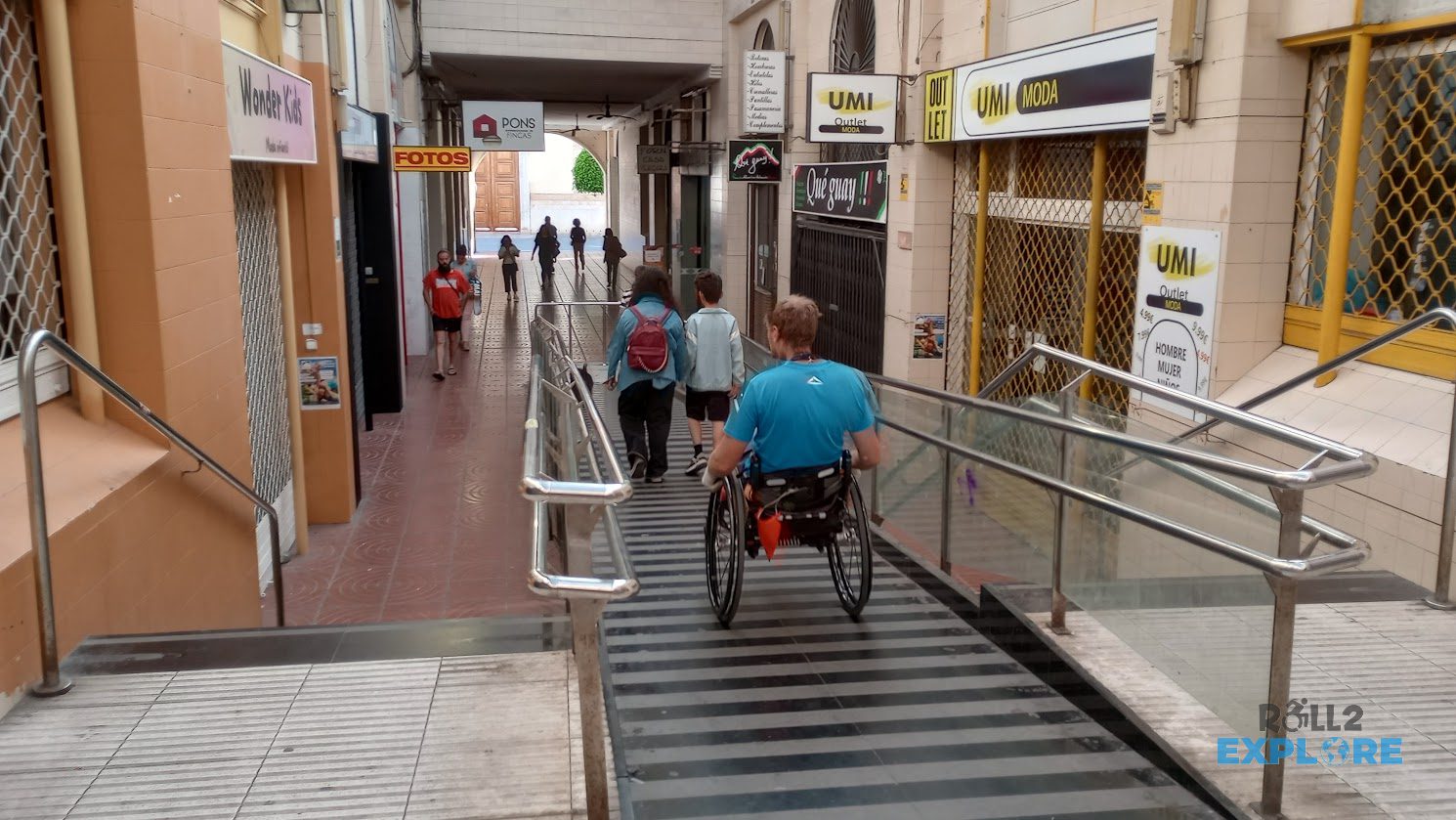
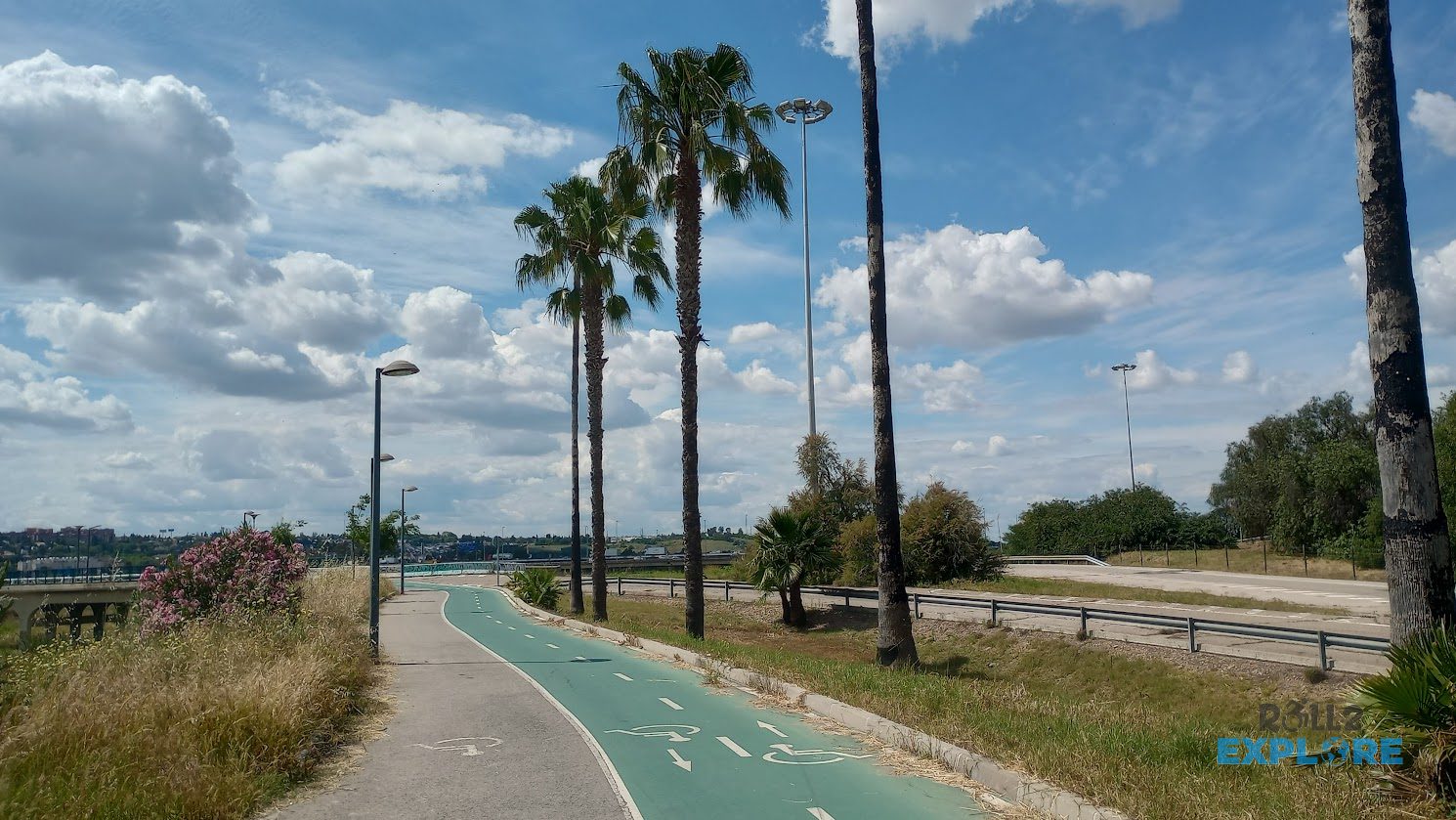
- Many cities feature well-maintained, even sidewalks with curb cuts and tactile paving.
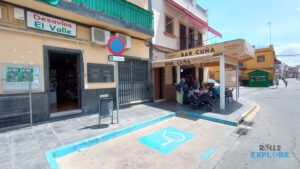
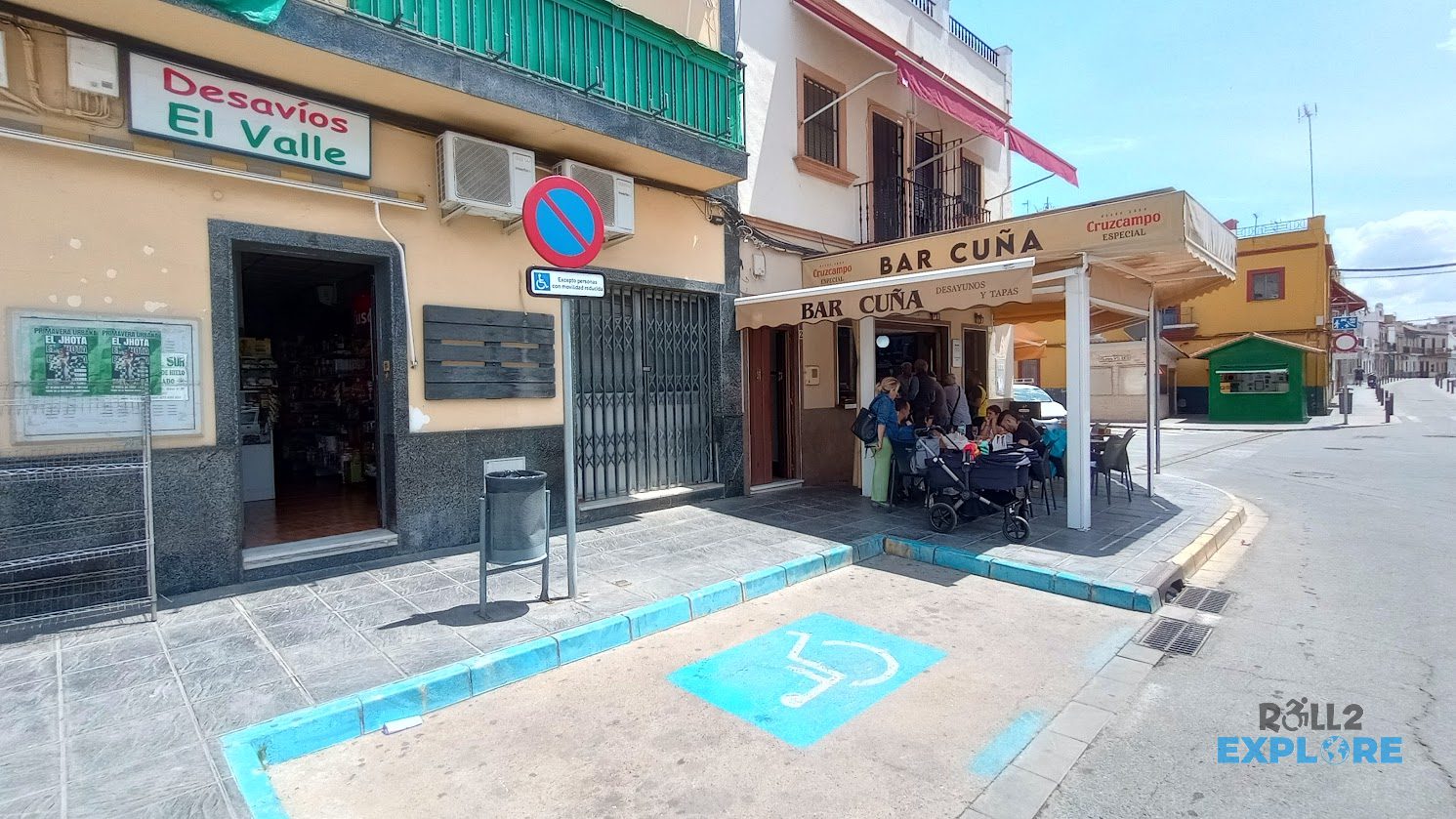
- Many dedicated disabled parking spots.
- Weaknesses:
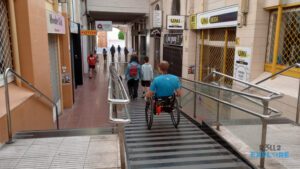
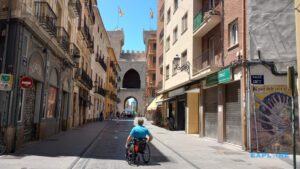
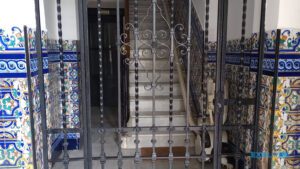
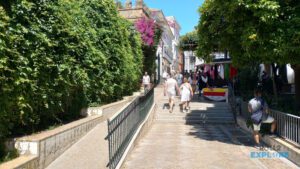
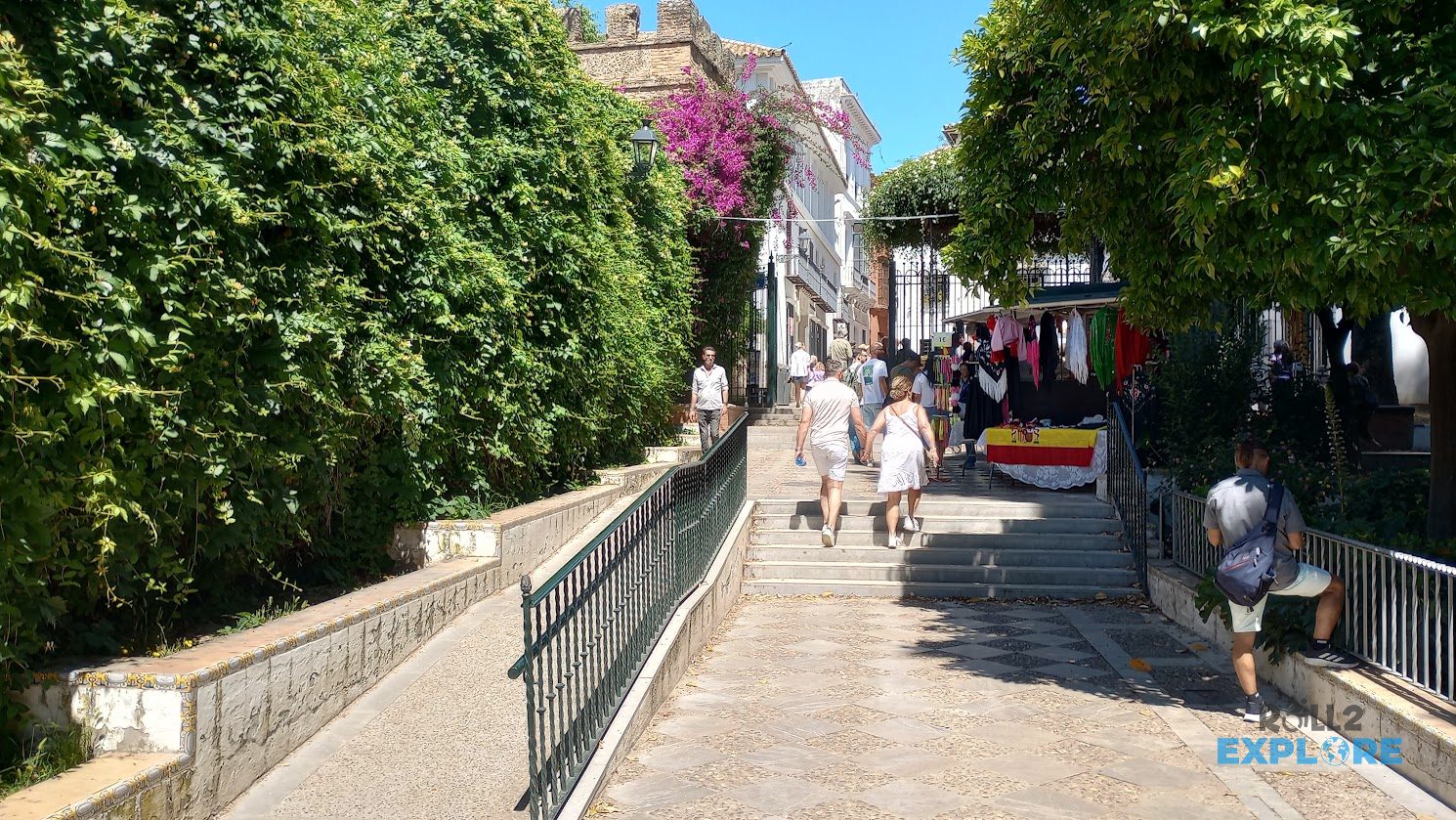
- Inconsistent drop curb heights, cracked surfaces, narrow sidewalks, uneven cobblestones still pose challenges in some older neighbourhoods.

6. Accessible Toilets & Changing Facilities
Score: ♿♿♿♿♿♿ (6/10)
- Strengths:
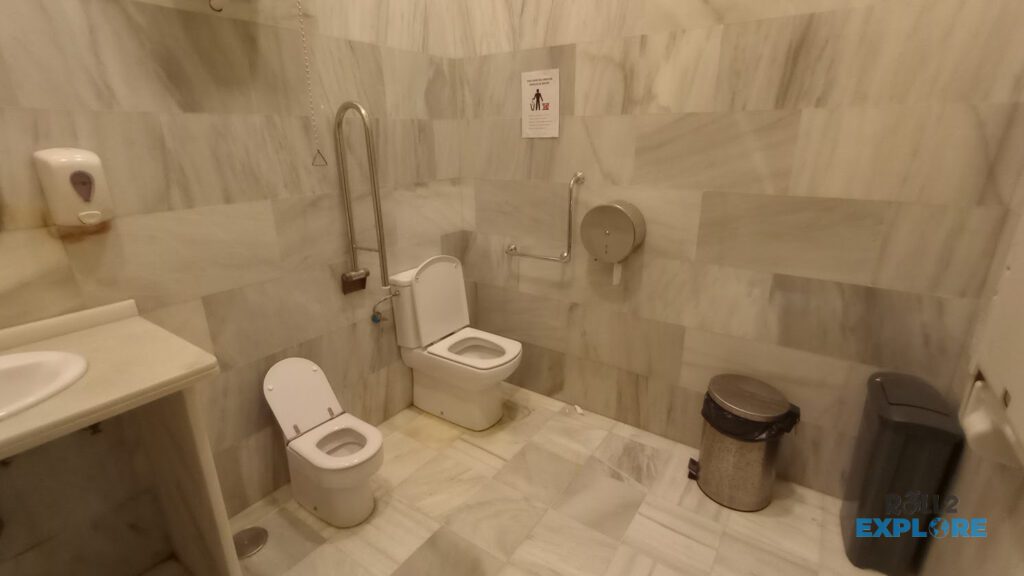
- Shopping malls, airports, public institutions and train stations usually have clean, well-marked accessible toilets.
- Some beaches offer Changing Places facilities.
- Weaknesses:
- In smaller towns and restaurants, accessible facilities may be absent or poorly maintained.
7. Airport & Travel Hub Accessibility
Score: ♿♿♿♿♿♿♿♿ (8/10)
- Strengths:
- Airports (e.g., Barcelona, Madrid, Valencia) offer PRM assistance, accessible restrooms, drop-off zones, and terminal elevators.
- Dedicated staff are trained to assist disabled travelers.
- Weaknesses:
- Smaller regional terminals may lack some accessible features or sensory spaces.
8. Digital & Information Accessibility
Score: ♿♿♿♿♿♿♿ (7/10)
- Strengths:
- Major cities provide detailed, online guides about accessible attractions and routes.
- Spanish transport apps and websites are increasingly adhering to EU Web Accessibility standards.
- Weaknesses:
- Real-time accessibility updates (e.g., elevator outages) are rarely available.
9. Local Policies & Societal Attitudes
Score: ♿♿♿♿♿♿♿♿ (8/10)
- Strengths:
- Spain implemented national Accessibility Law in 2003, integrating EU PRM legislation and Tech Building Code requirements.
- Widespread public awareness, with generally respectful attitudes. Violations (e.g., illegal parking) are often penalized.
- Locals are generally helpful when asked for assistance.Japanese people are incredibly polite and will often go out of their way to assist if asked.
- Weaknesses:
- Enforcement inconsistencies persist, especially in small towns or historical zones.
10. Emergency & Healthcare Accessibility
Score: ♿♿♿♿♿♿♿ (7/10)
- Strengths:
- Urban medical centres and hospitals generally are wheelchair accessible with ramps, lifts, and adapted bathrooms.
- Weaknesses:
- Mobility-aid repair/replacement outside big cities can be limited.
Overall Average Score: ♿♿♿♿♿♿♿ (7.3/10)
Why? Spain offers strong accessibility in major urban and tourist areas, especially transport, attractions, airports, and legal frameworks. Challenges remain in heritage quarters, rural zones, and fully equipped changing facilities.
Conclusion: With new EU funding and stricter enforcement of accessibility laws, Spain is moving in the right direction—but travelers should still plan carefully to avoid obstacles.

Sailing Without Limits: Adaptive Boating in Valencia and Beyond
Discover the freedom of adaptive sailing in Valencia with Vela Adaptada. Learn how boats are…

Accessible 3-Day Valencia Itinerary: Culture, Beaches & Paella
Explore Valencia with ease using our accessible 3-day itinerary tailored for travelers with disabilities. Discover…
Valencia is almost too accessible – at least in the public areas – when you are pushing around it’s so flat it’s almost boring (if there were some slight hills it would add variety). You can see I’m not the only one who thinks so as there’s plenty of wheelchairs out and about. Great article!