
How Accessible is Thessaloniki
for Wheelchair Travellers?
Thessaloniki, Greece’s vibrant second city, is a fascinating mix of ancient history, lively student life, and seaside charm. But how friendly is it to wheelchair users? Our personal experience — after spending weeks there following an accident that required a hospital stay — shows a city with a lot of character, but still many challenges when it comes to accessibility.
Public Transportation: Accessible, but Not Always Friendly
🚌 Buses
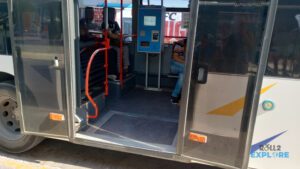
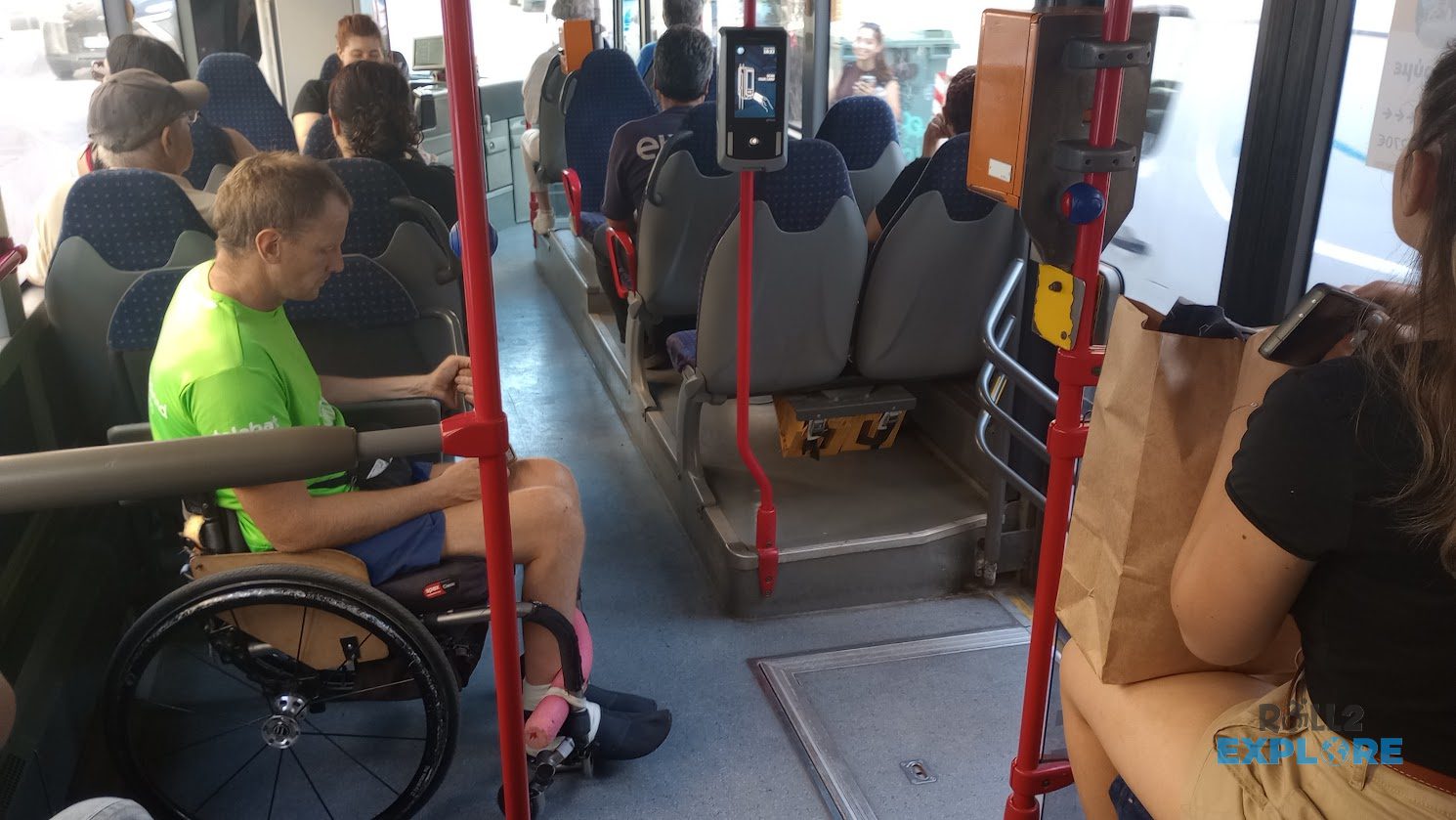
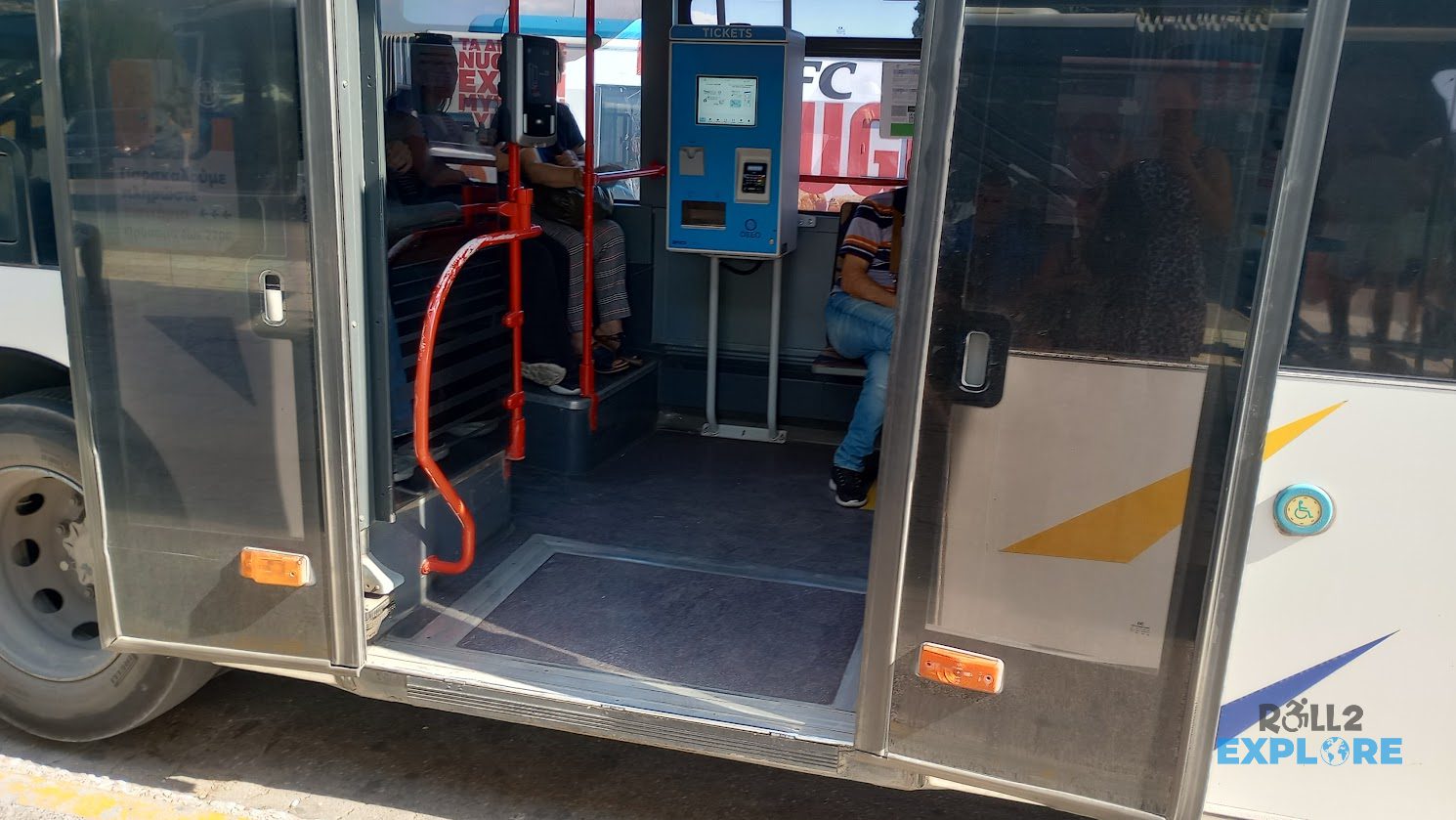
Thessaloniki’s buses are officially all wheelchair accessible with low floors and ramps. However, reality is often less smooth:
- Drivers are often reluctant to assist, stopping far from the curb or outright refusing to deploy the ramp. On multiple occasions, we or fellow passengers had to unfold the ramp ourselves.
- Ticket machines are usually squeezed into a narrow front aisle, awkward for wheelchair users.
- Buses are cheap but inefficient — e.g. a hospital trip took 25 minutes by car, but 2.5 hours by bus. They’re also often late.
- On the bright side, local passengers were generally helpful and kind, frequently assisting without hesitation.
🚇 Metro
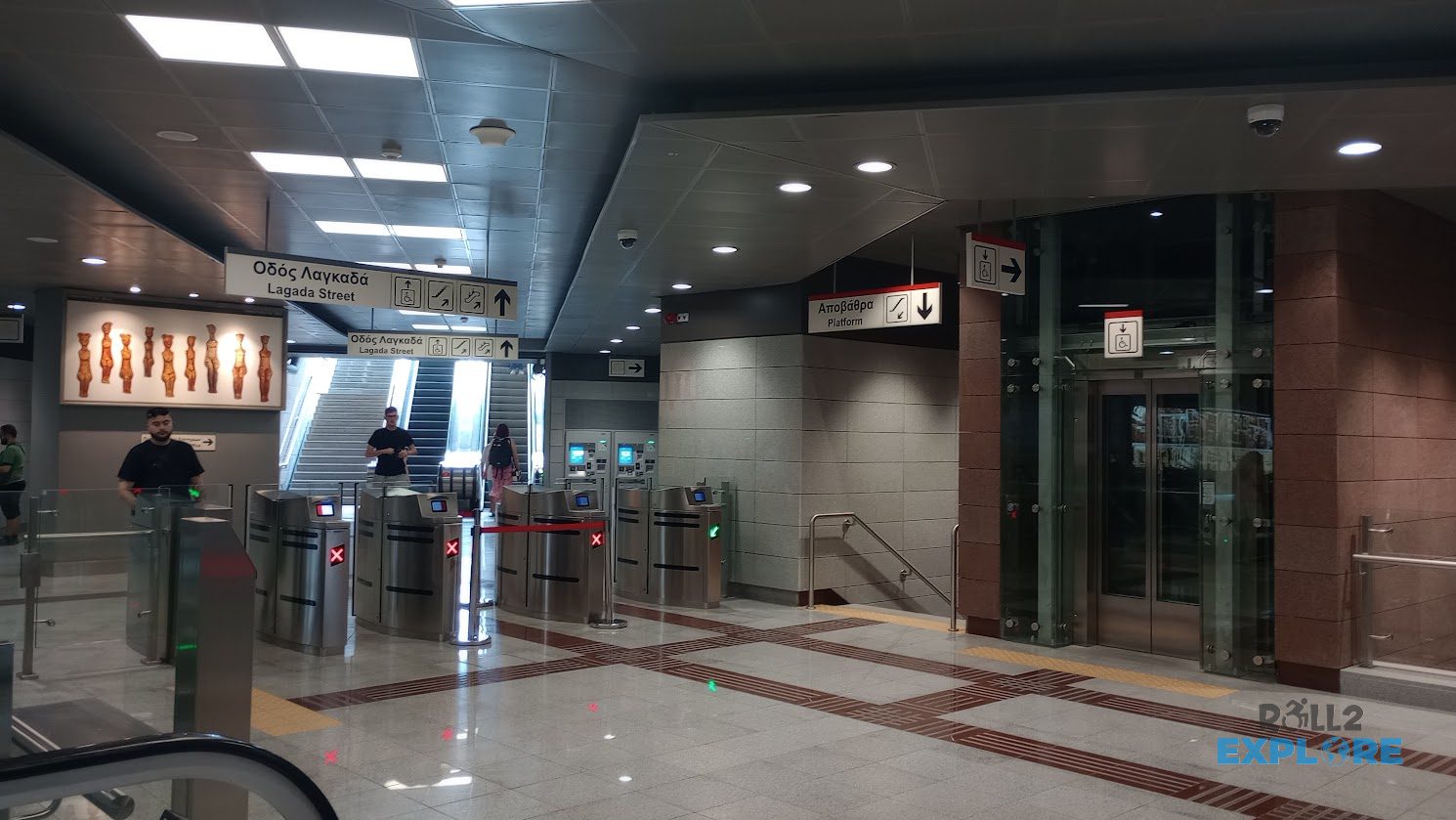
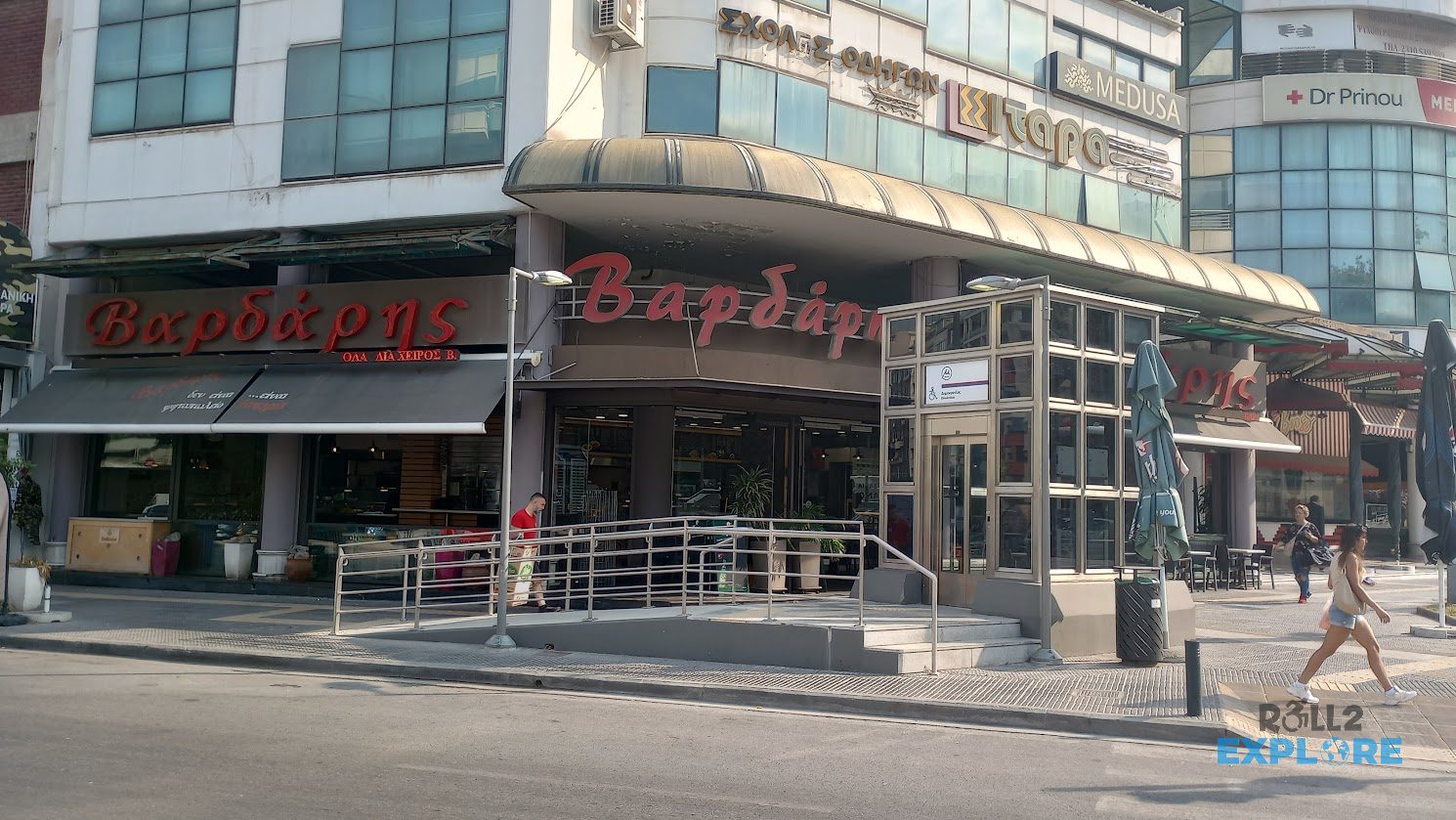
Good news: Thessaloniki recently opened a brand new metro line. It is fully accessible, featuring:
- Elevators at every station
- Wide gates and well-marked signage
- Smooth, level boarding platforms
This is a huge step forward for accessibility in the city, and a much easier way to move around than the older bus system.
⛴️ Express Water Bus (“Karavakia”)
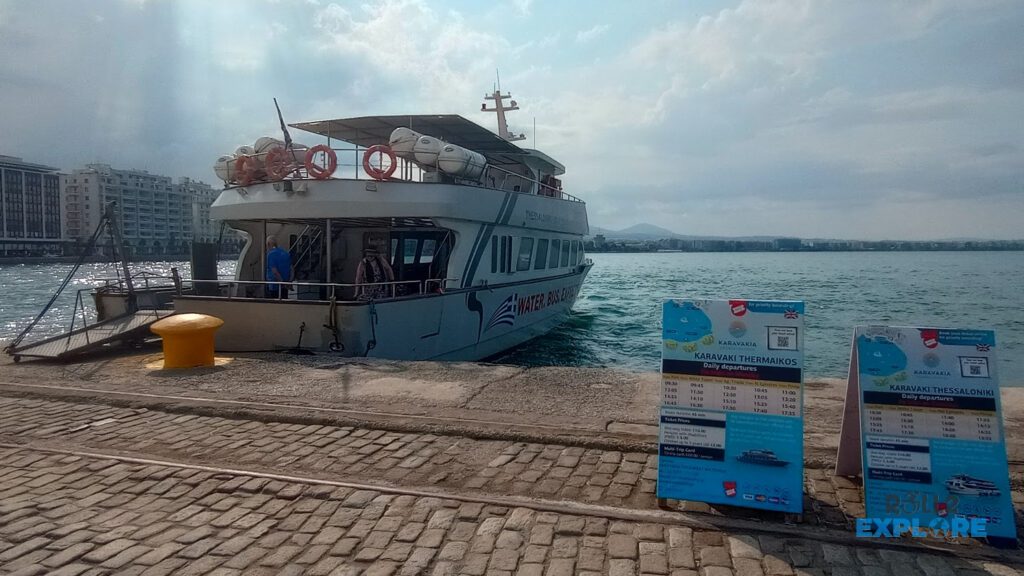
For a scenic alternative, try the Thessaloniki Express Water Bus, also called Karavakia (“small boats”). It connects downtown Thessaloniki with the nearby coastal towns of Perea and Neoi Epivates, taking about 50 minutes along the Thermaikos Gulf.
- They offer half-price tickets for disabled passengers (5€).
- There is a ramp for boarding, though it’s fairly steep and tricky, so assistance will be needed.
- It’s a popular, relaxing way to reach the beachside — just plan for some help getting on and off.
Sidewalks, Streets and General Infrastructure
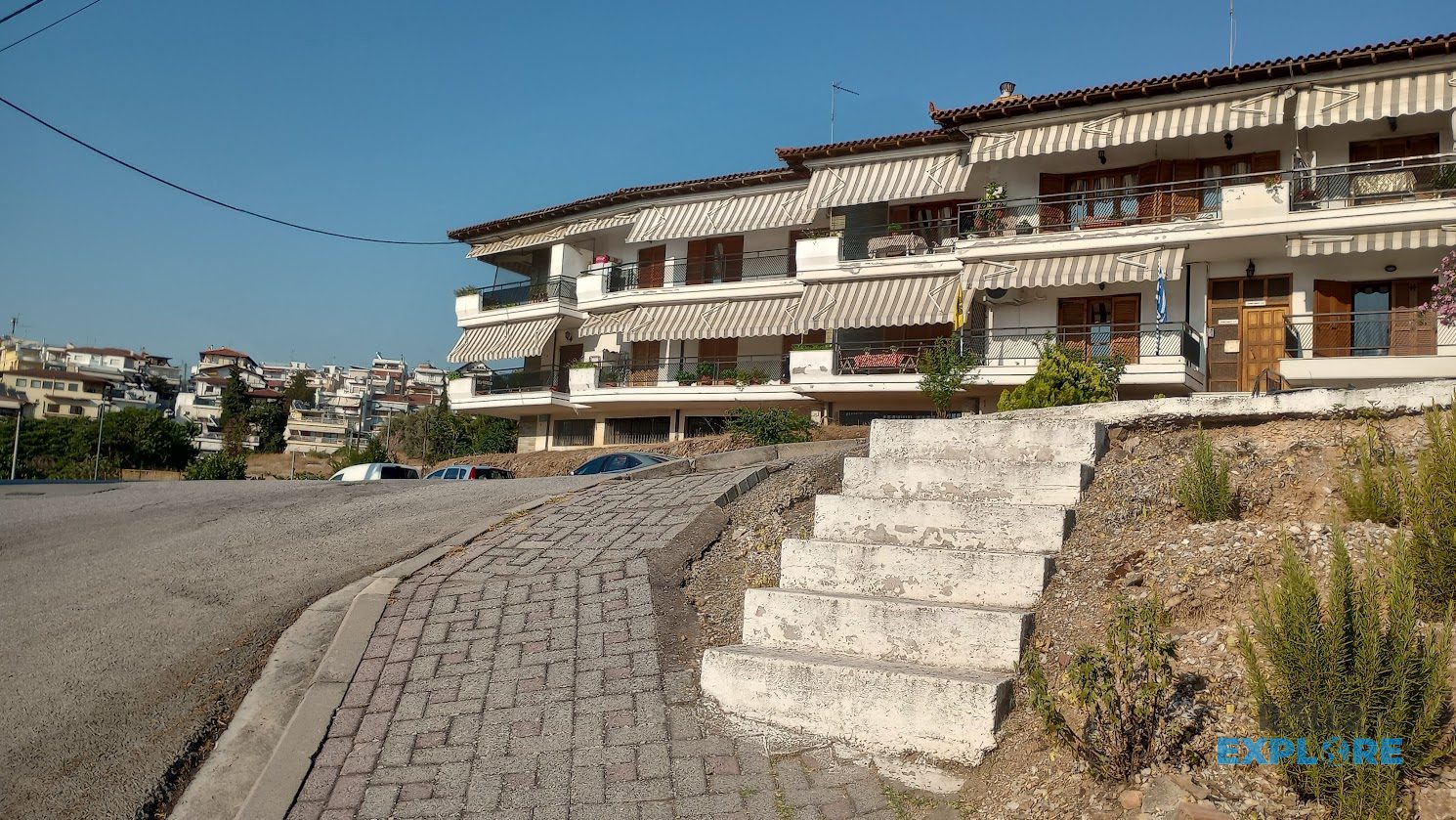
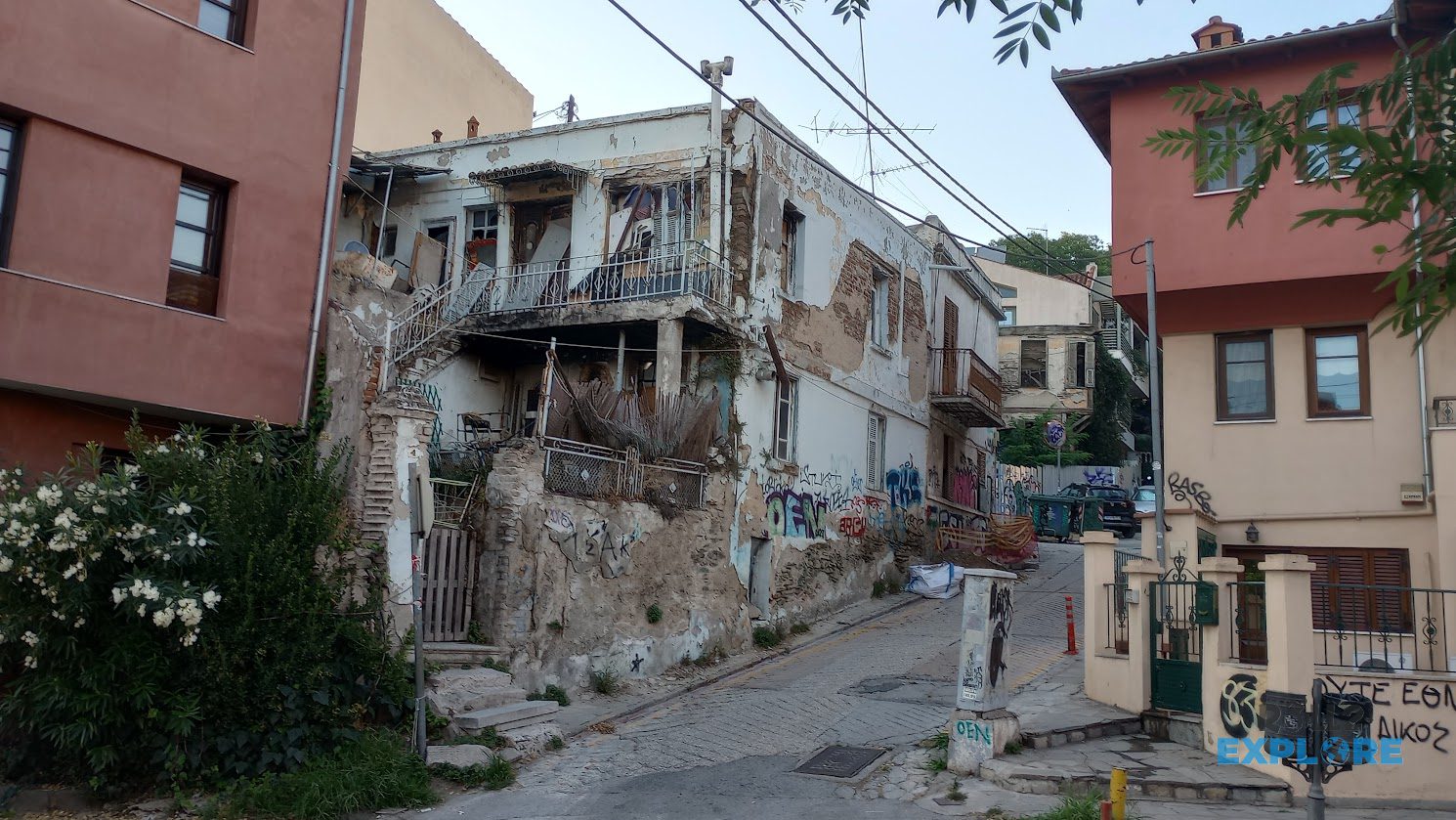
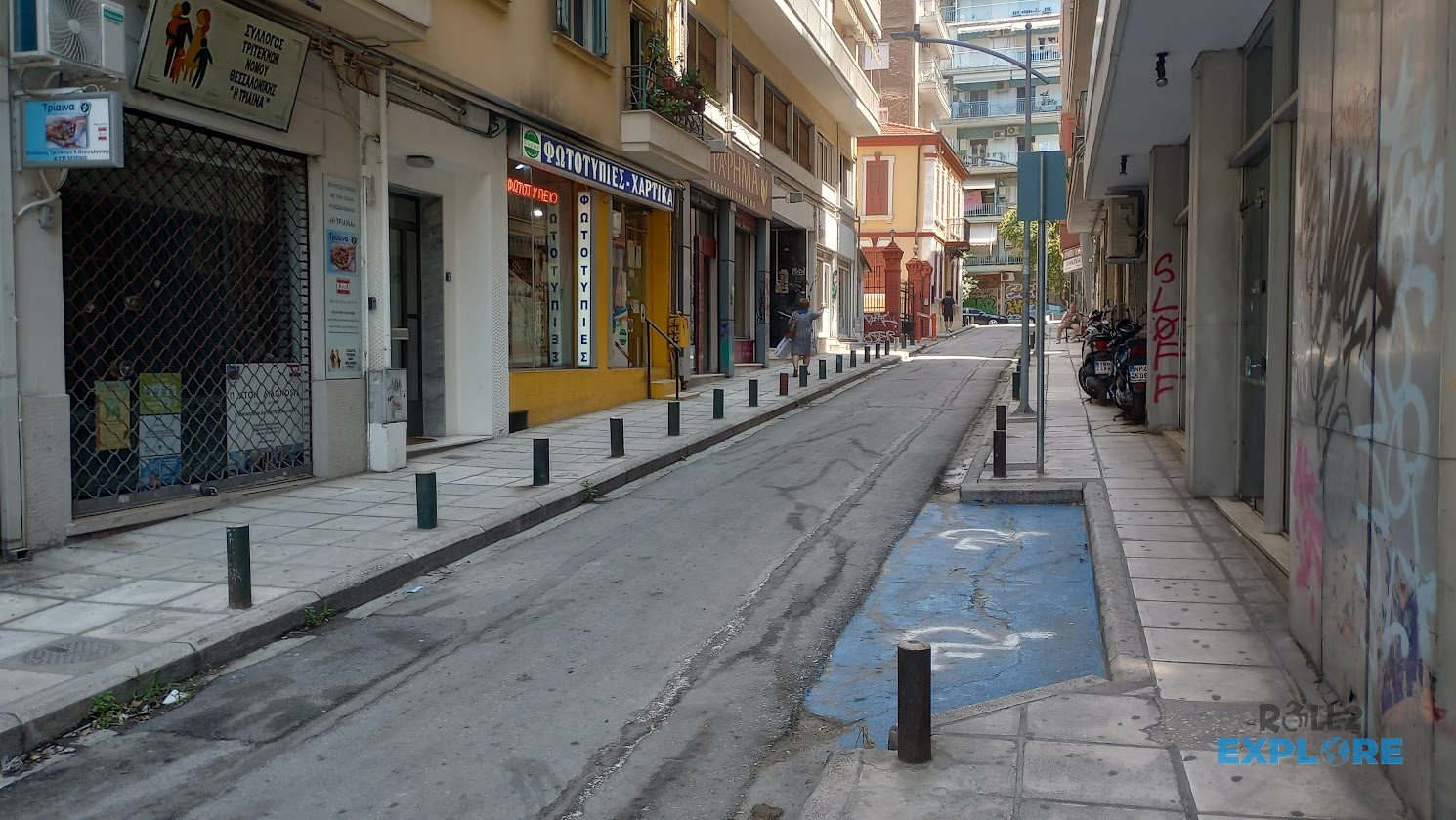
The biggest everyday challenge? Simply getting around. Thessaloniki’s infrastructure is far from accessible:
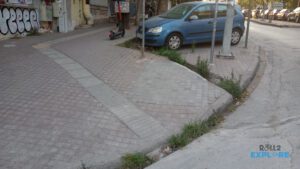
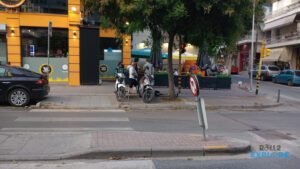
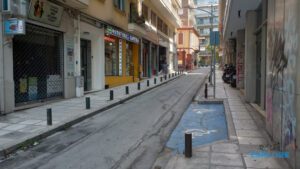
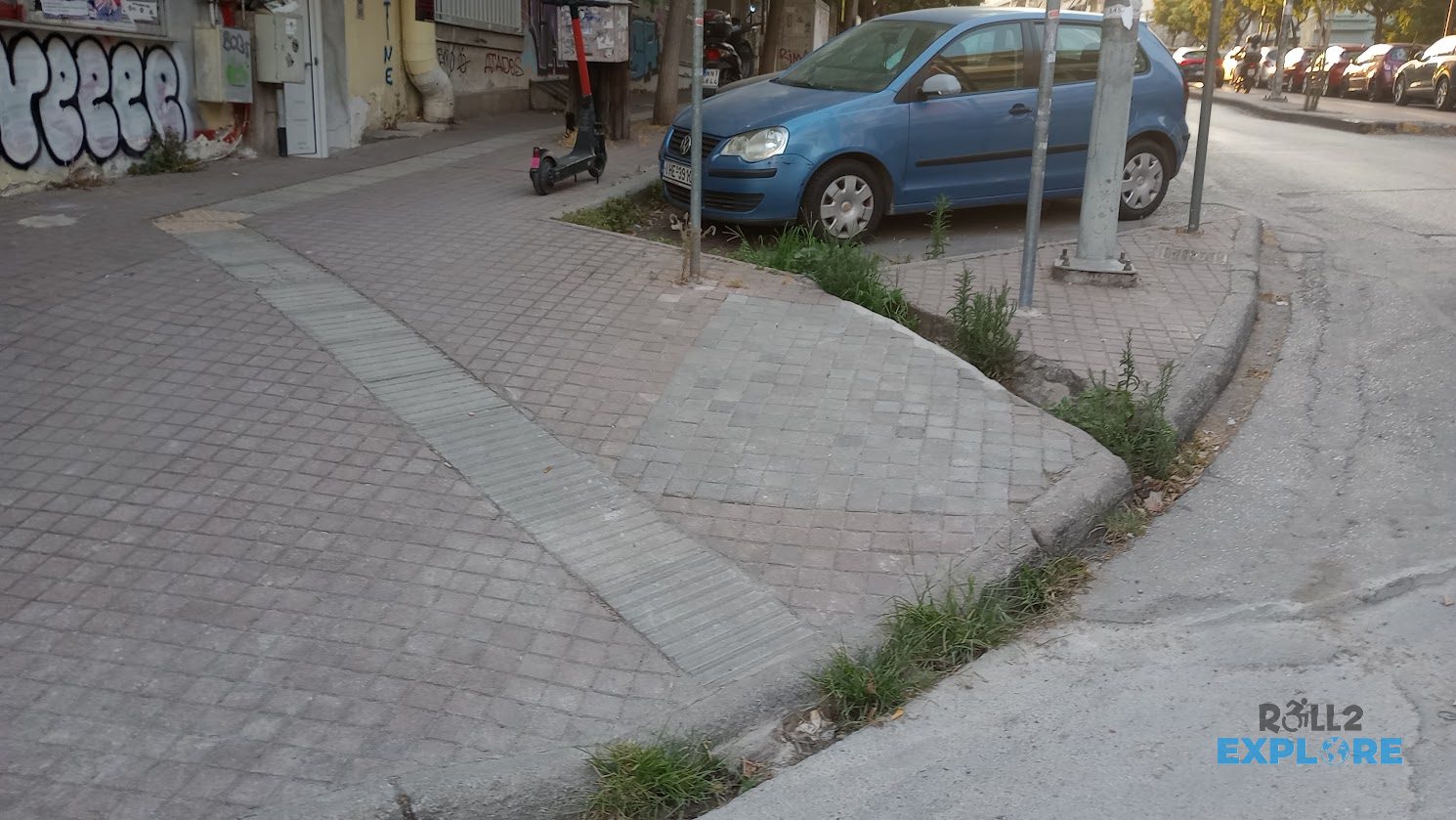
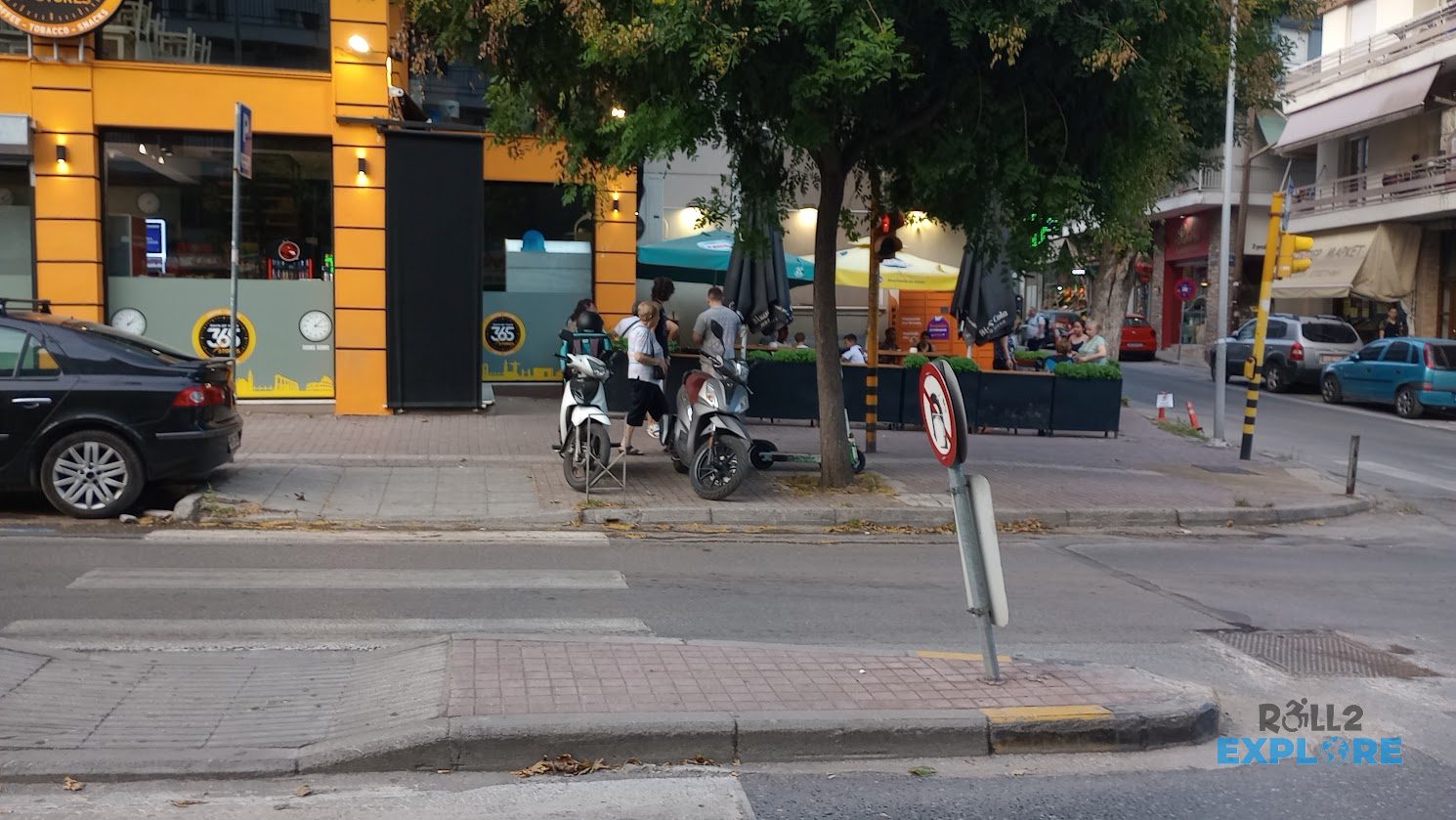
- Sidewalks are old, cracked, narrow, or sometimes non-existent, with frequent obstacles like poles, signs, and parked scooters.
- Curb cuts are missing in many places, forcing you to stay on the road.
- Steep streets are common, especially if you venture away from the waterfront.
- Cars park literally anywhere, including on sidewalks and at bus stops, adding extra hurdles.
Accessible Attractions
Despite these hurdles, Thessaloniki does have several spots that wheelchair users can enjoy:
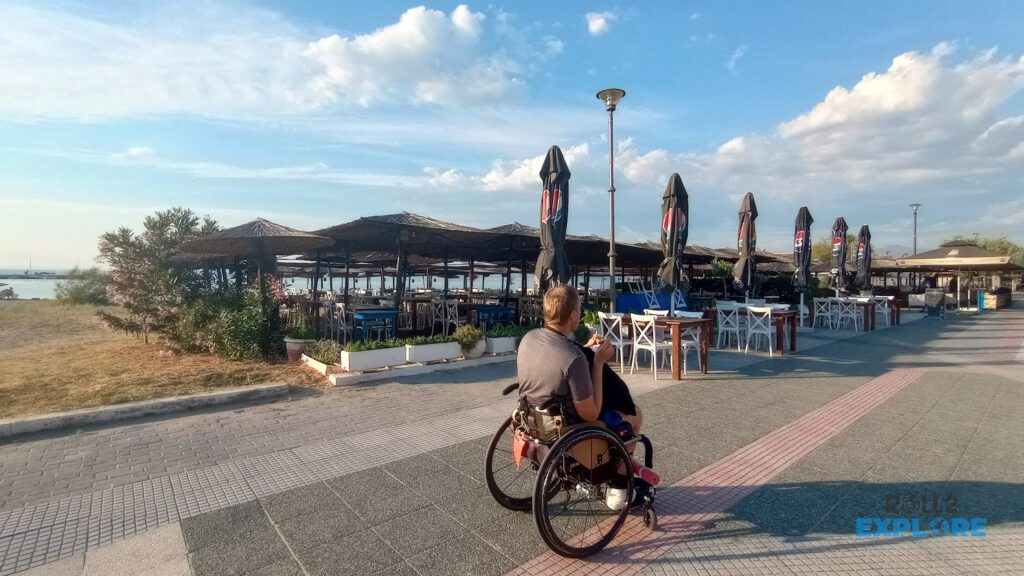
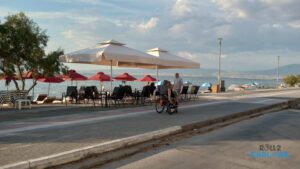
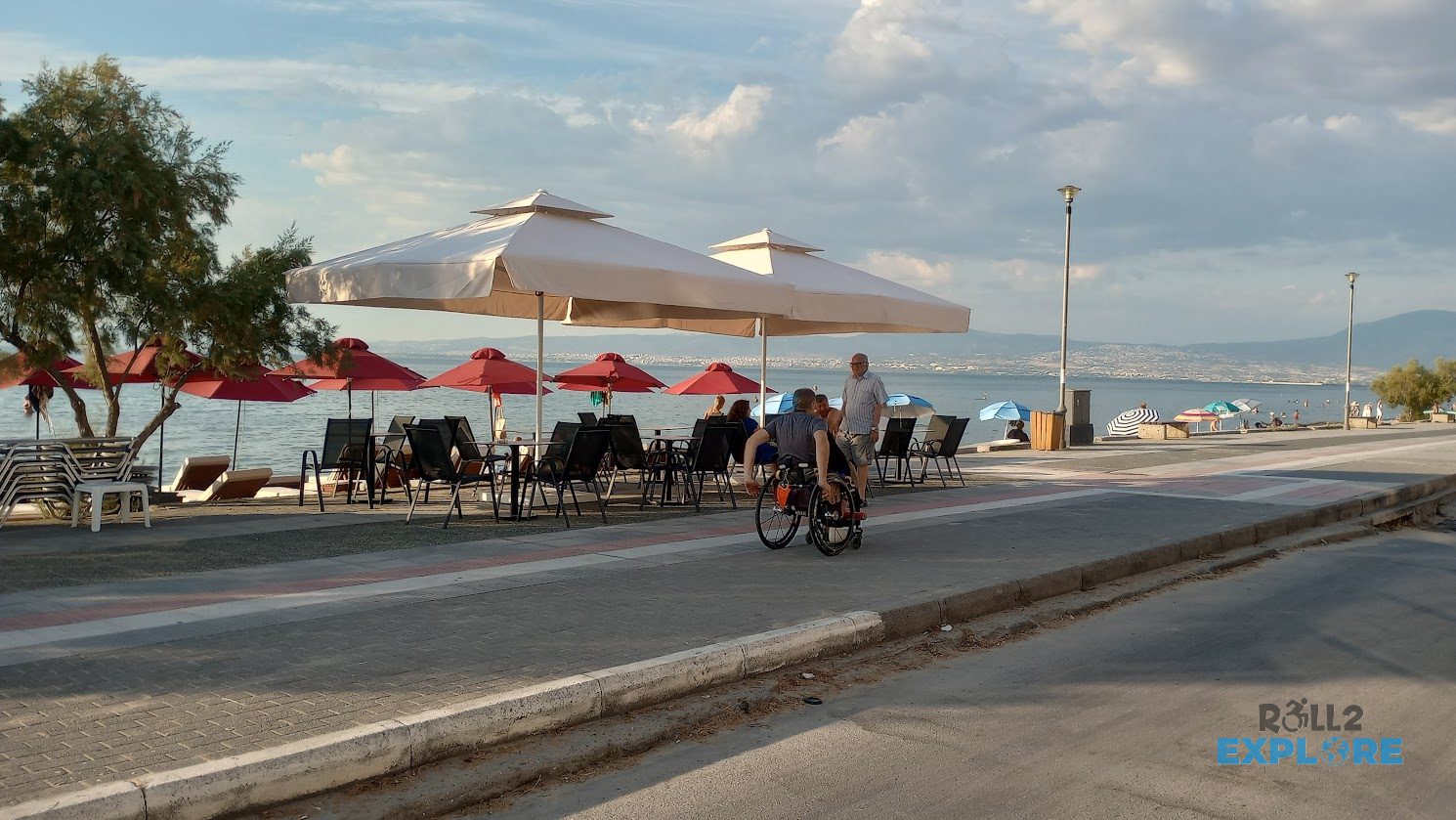
- The waterfront promenade is relatively flat and stretches for several kilometers, offering beautiful sea views. It’s one of the best places for a leisurely roll.
- Many of the outdoor cafes and tavernas have seating in summer gardens on flat ground, making dining out possible even if getting inside might be difficult.
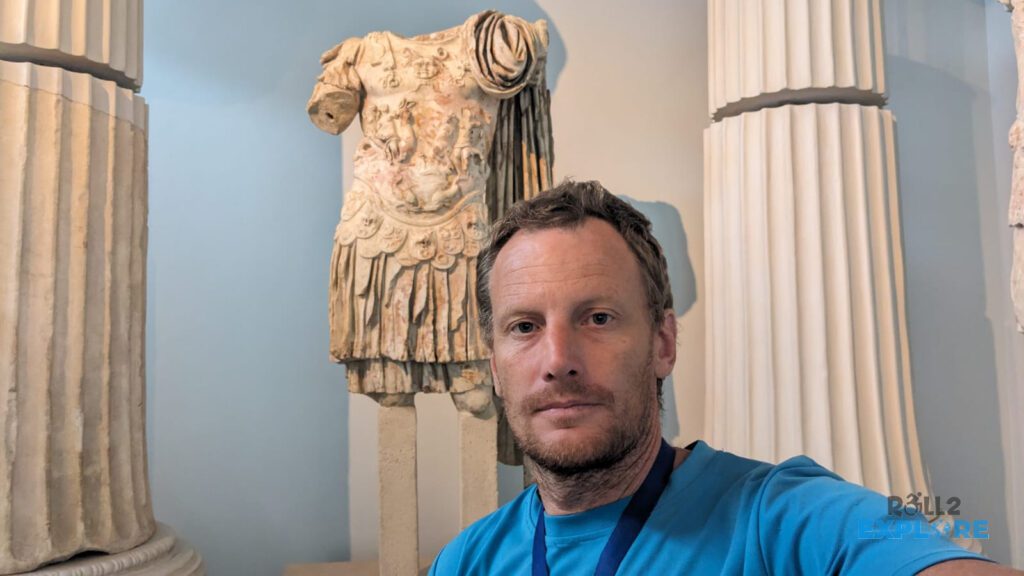
- There are some museums and archaeological sites with accessible entrances and ramps, though always check ahead (e.g. Thessaloniki Archaeological Museum, Cinema Museum & Cinematheque or Museum of Photography).
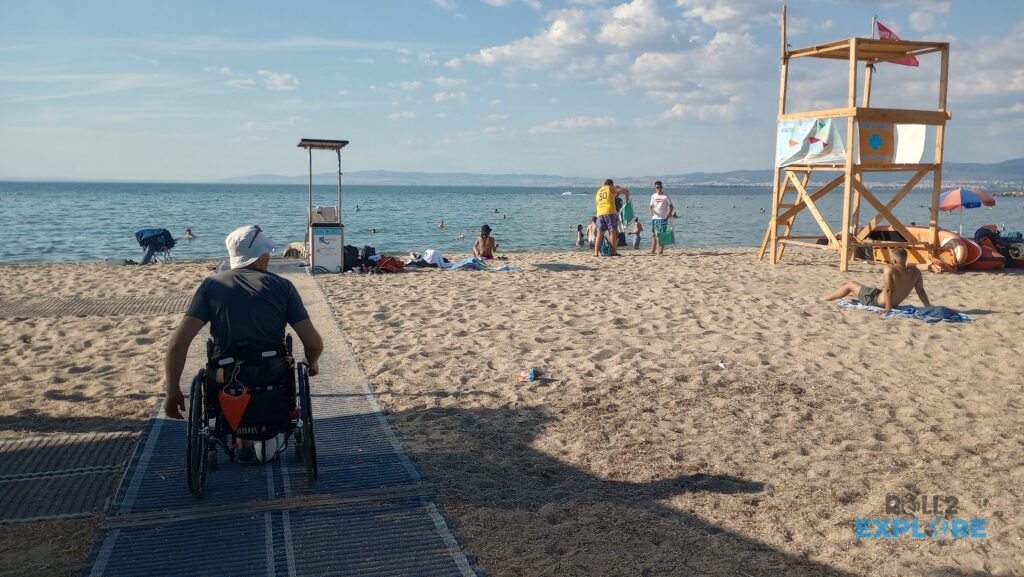
One interesting option if you’re up for a trip outside the city is the Seatrac beach system in Neoi Epivates, a nearby beach area. Seatrac is a special device that allows wheelchair users to independently enter the sea. There is also accessible toilet and changing room, right by the beach and a shaded seating area, perfect for relaxing out of the sun.
Restaurants, Cafes & Toilets
Restaurants are a mixed bag. Outdoor seating is widespread and usually reachable, but steps at the entrances are extremely common. Accessible toilets are rare — in fact, we only encountered one during our entire stay. Even chain supermarkets like Discount Markt sometimes have steps or lack elevators to reach upper floors, which was surprising.
Accommodation
Finding accessible accommodation in Thessaloniki proved challenging and often unfairly expensive. While some hotels and hostels do offer accessible rooms, the rates for these rooms were noticeably higher than for standard ones, which feels unjust considering the essential nature of accessibility. During our stay, Nick opted for regular shared dormitory rooms at Zeus is Loose and RentRooms, which worked out reasonably well, but required some extra planning and flexibility. This highlights that while options exist, wheelchair users may still face financial and logistical barriers when looking for a place to stay in the city.
Hospital Experience
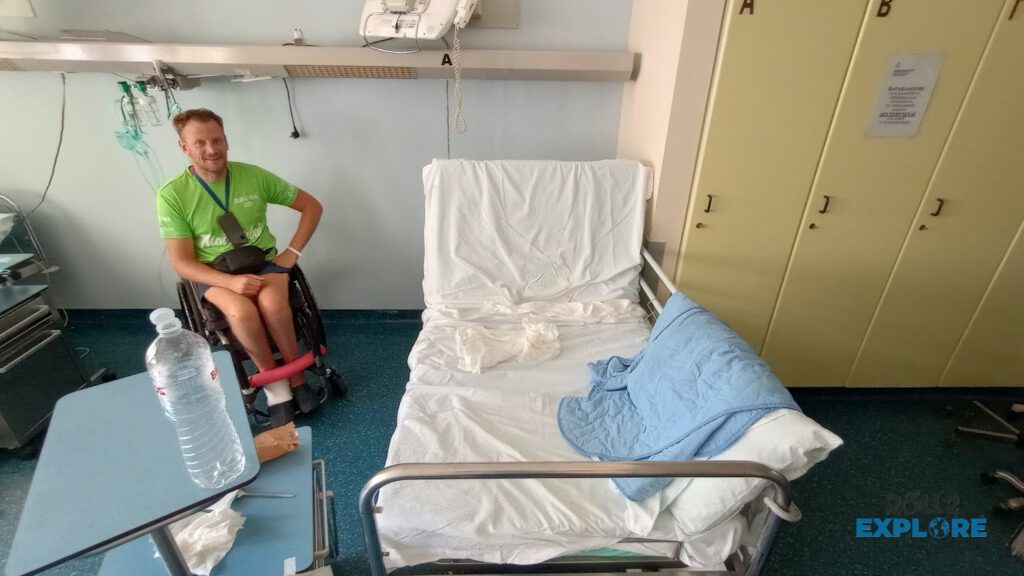
Nick had an accident during our stay in Thessaloniki and needed to spend a week at Papageorgiou General Hospital. Unfortunately, the level of care was quite low. The rooms were shared with four to five other patients, which limited privacy, and although some of the staff could speak English, many were impatient or outright rude. For example, when Nick asked for some water to brush his teeth, the nurse snapped, “It’s a hospital, not your home,” and he wasn’t allowed to leave his bed to get it himself. While the essential medical care was provided, the overall experience was rather uncomfortable, highlighting the challenges of navigating hospital care there as a foreign wheelchair user.
Final Thoughts
Thessaloniki is a lively, culturally rich city with warm-hearted locals who often step in to help when infrastructure fails. But wheelchair users should be prepared for significant challenges, from crumbling pavements and steep hills to inconsistent support on public transport.
We’d love to see Thessaloniki — with its thriving café life, rich history, and buzzing student energy — take serious steps to improve accessibility. It’s a city worth discovering, but for now, visitors with mobility needs should plan carefully, book accommodations with clear accessibility details, and stay flexible.
Some of my complaints about hospitals are for all – they aren’t a great place to rest. Also I can be a difficult patient but I don’t hold grudges, I’ll be nice again as soon as I’ve got my way 😉