
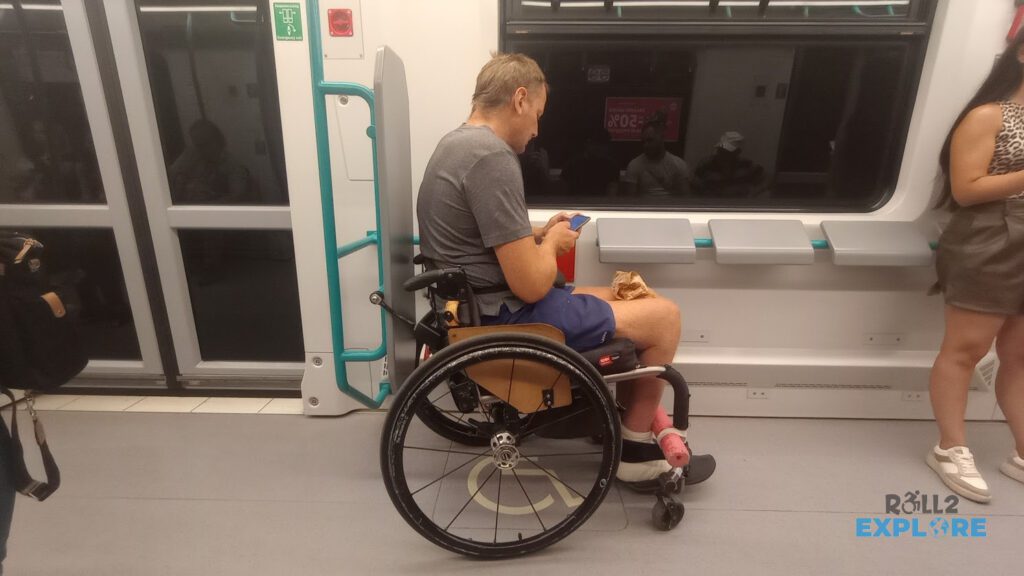
Getting Around Sofia in a Wheelchair:
A Guide to Accessible Transportation
Sofia, the capital of Bulgaria, offers a range of public transportation options that are very budget-friendly. Services run from around 5 AM until midnight, making it easy to explore the city without spending much. But how accessible is it all for wheelchair users? Here’s what we discovered during our visit.
Metro: The most convenient option
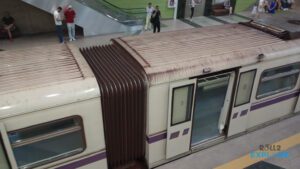
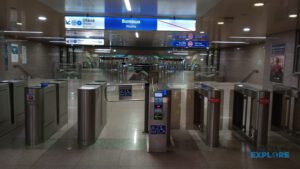
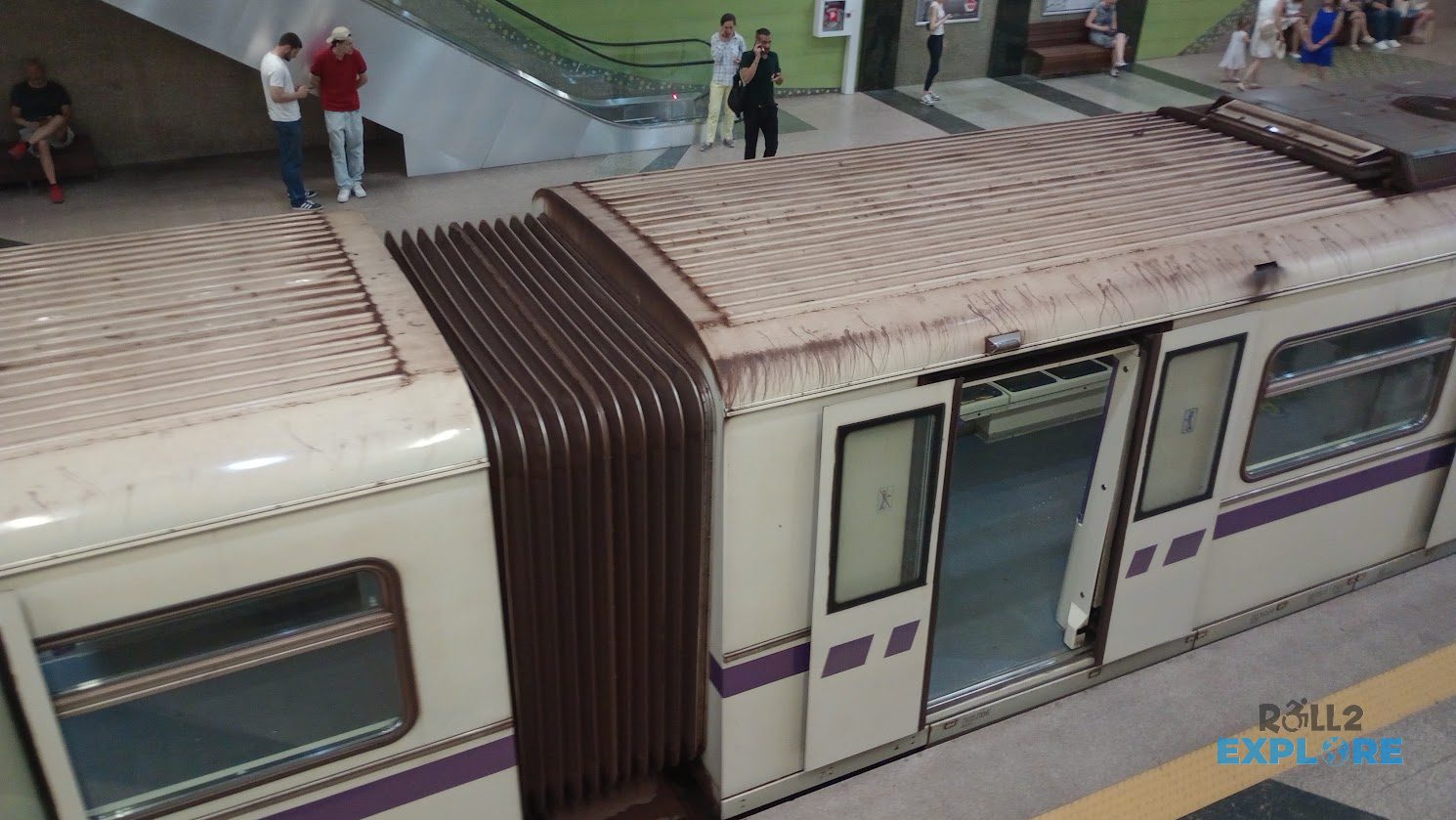
The Sofia Metro is by far the easiest and most reliable way to get around. It’s modern, clean, and affordable. There are four lines covering much of the city:
- M1 (red line): Slivnitsa to Business Park
- M2 (blue line): Obelya to Vitosha
- M3 (green line): Gorna Banya to Hazdhi Dimitar
- M4 (yellow line): Sofia Airport to Obelya
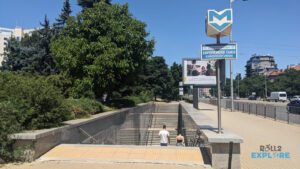
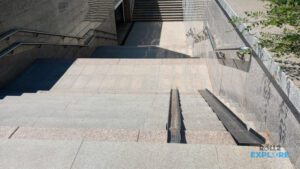
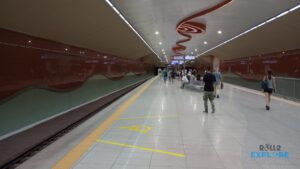
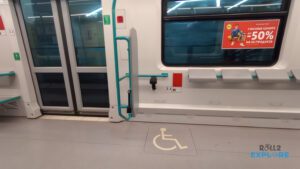
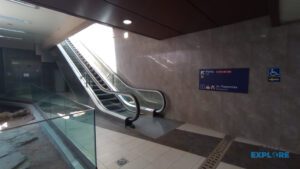
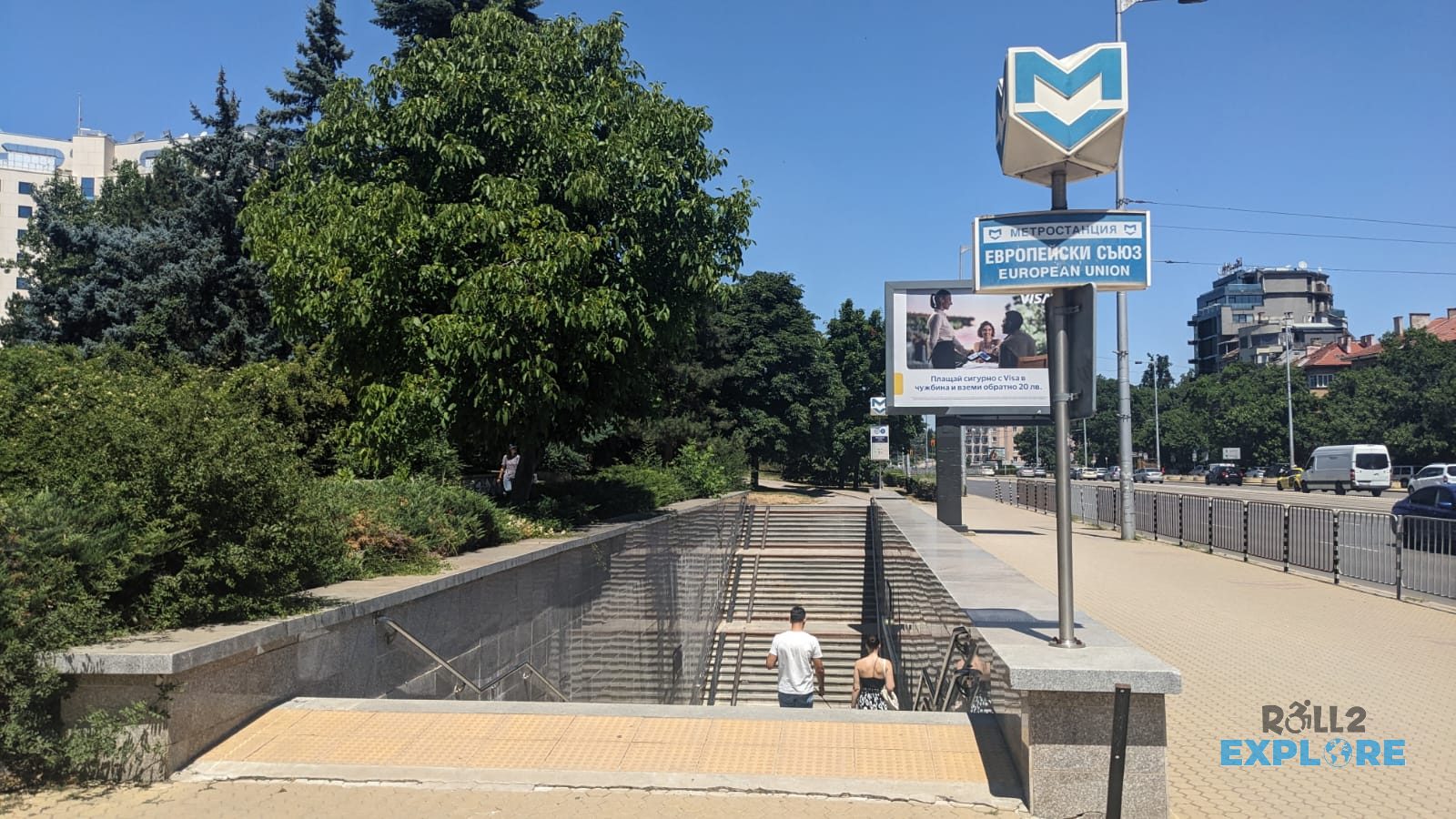
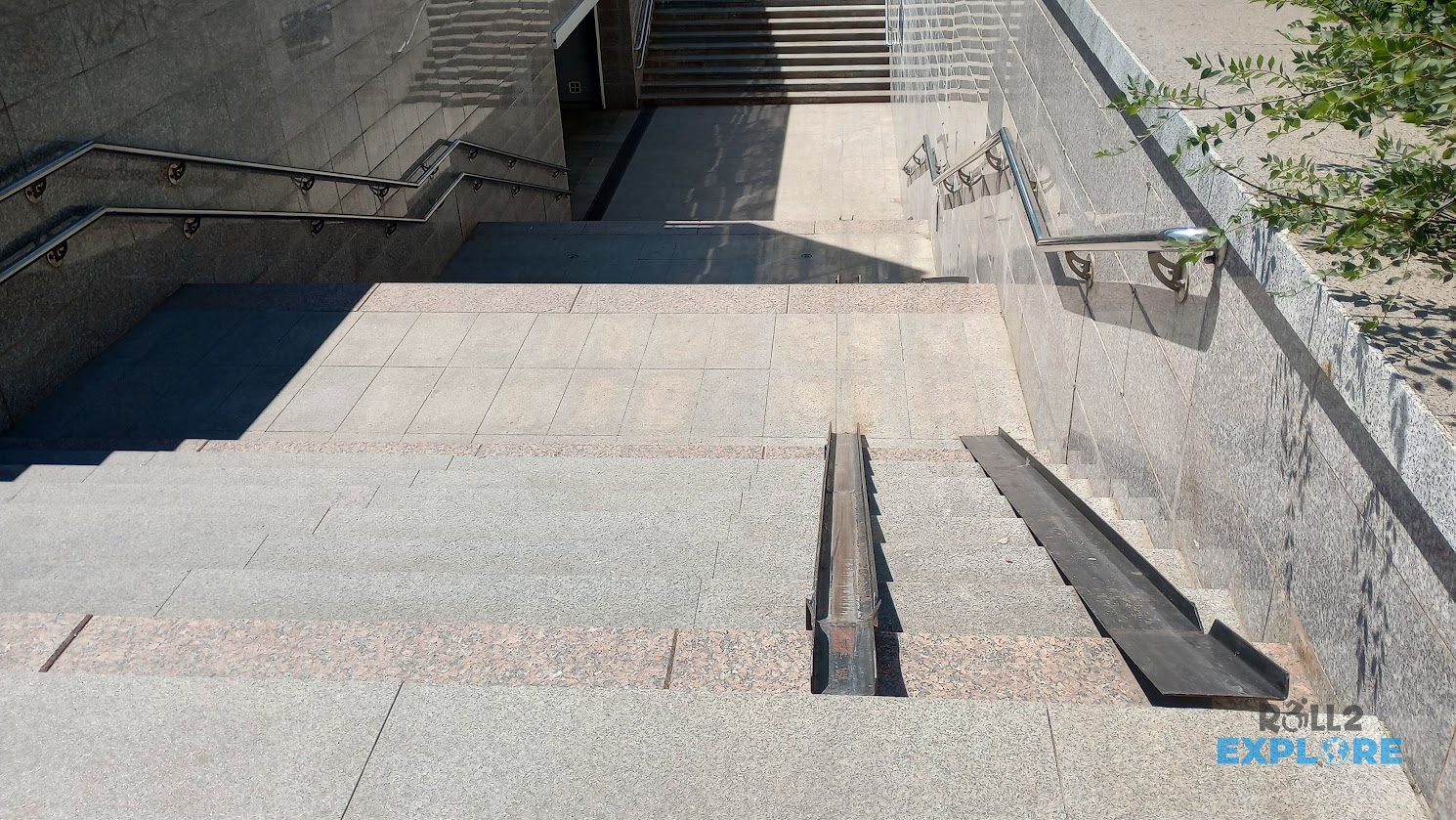
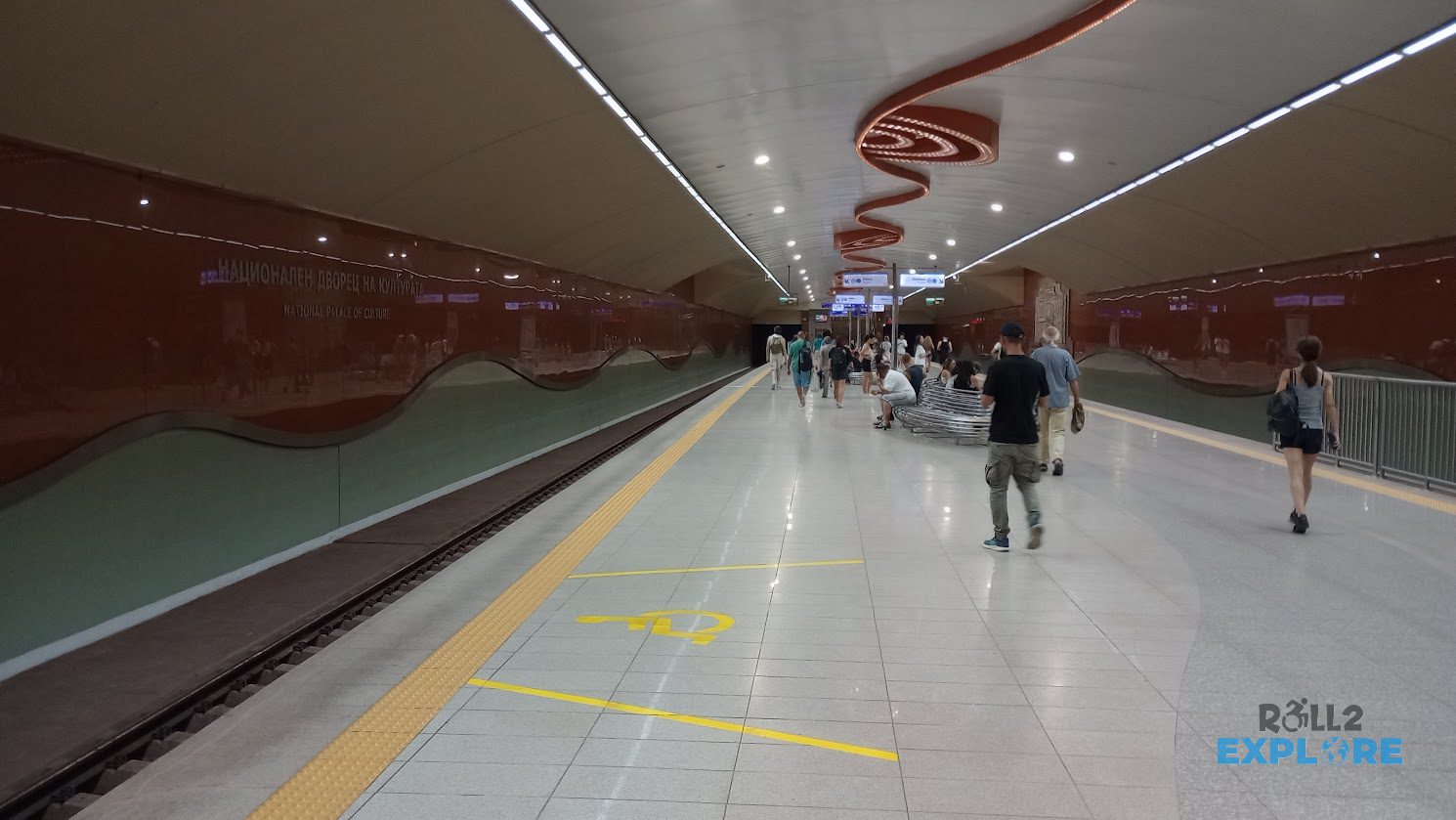
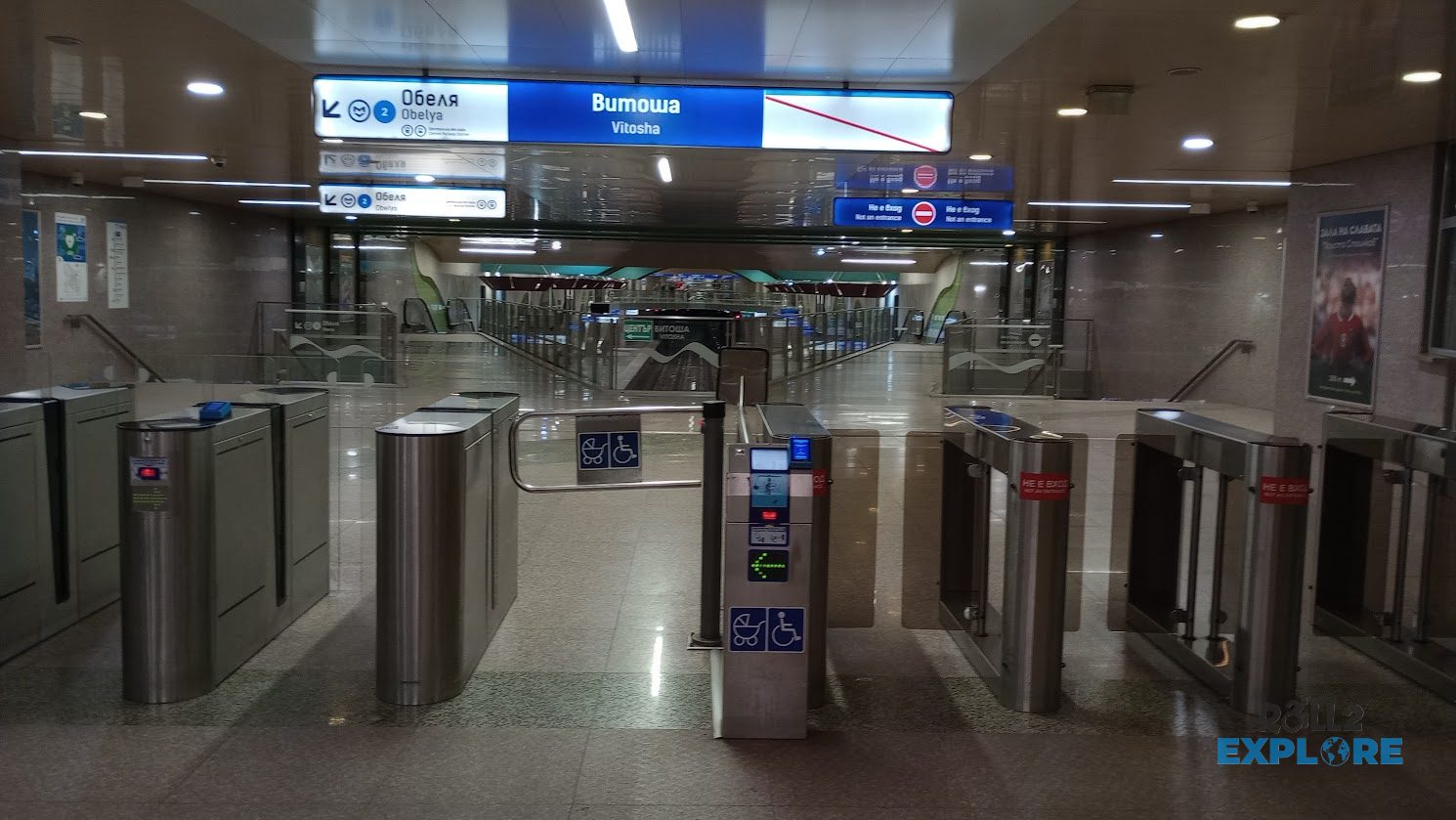
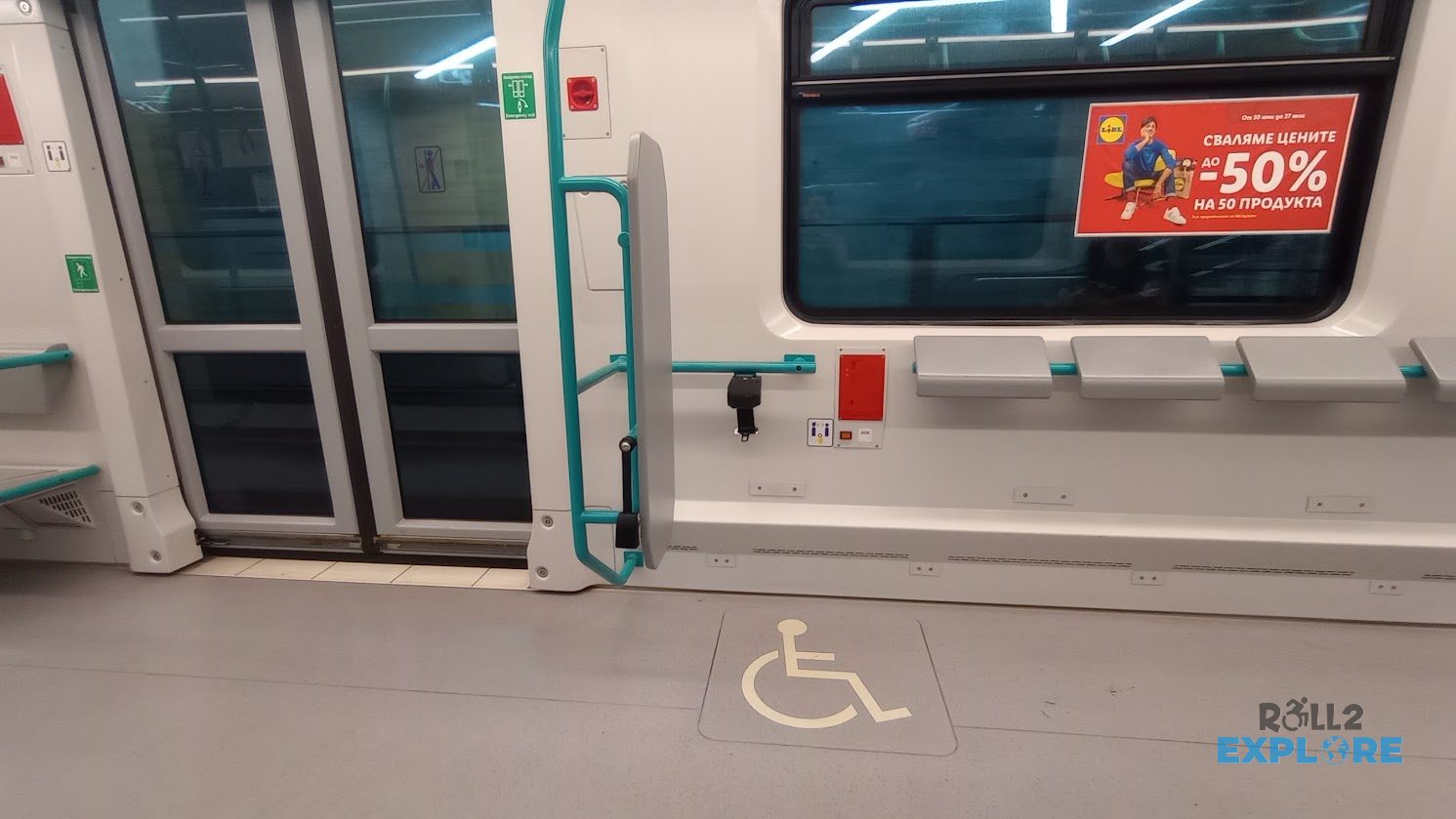
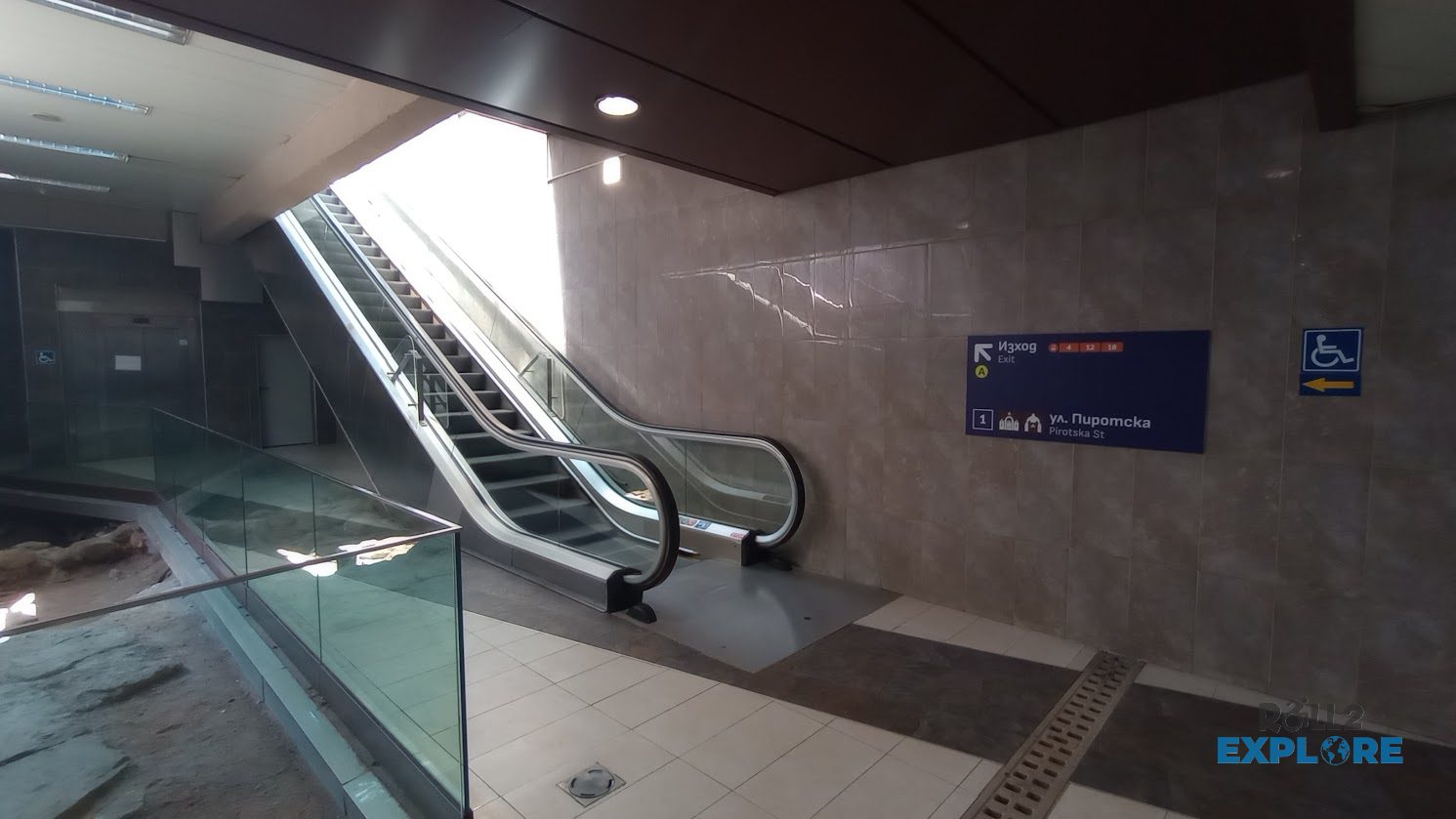
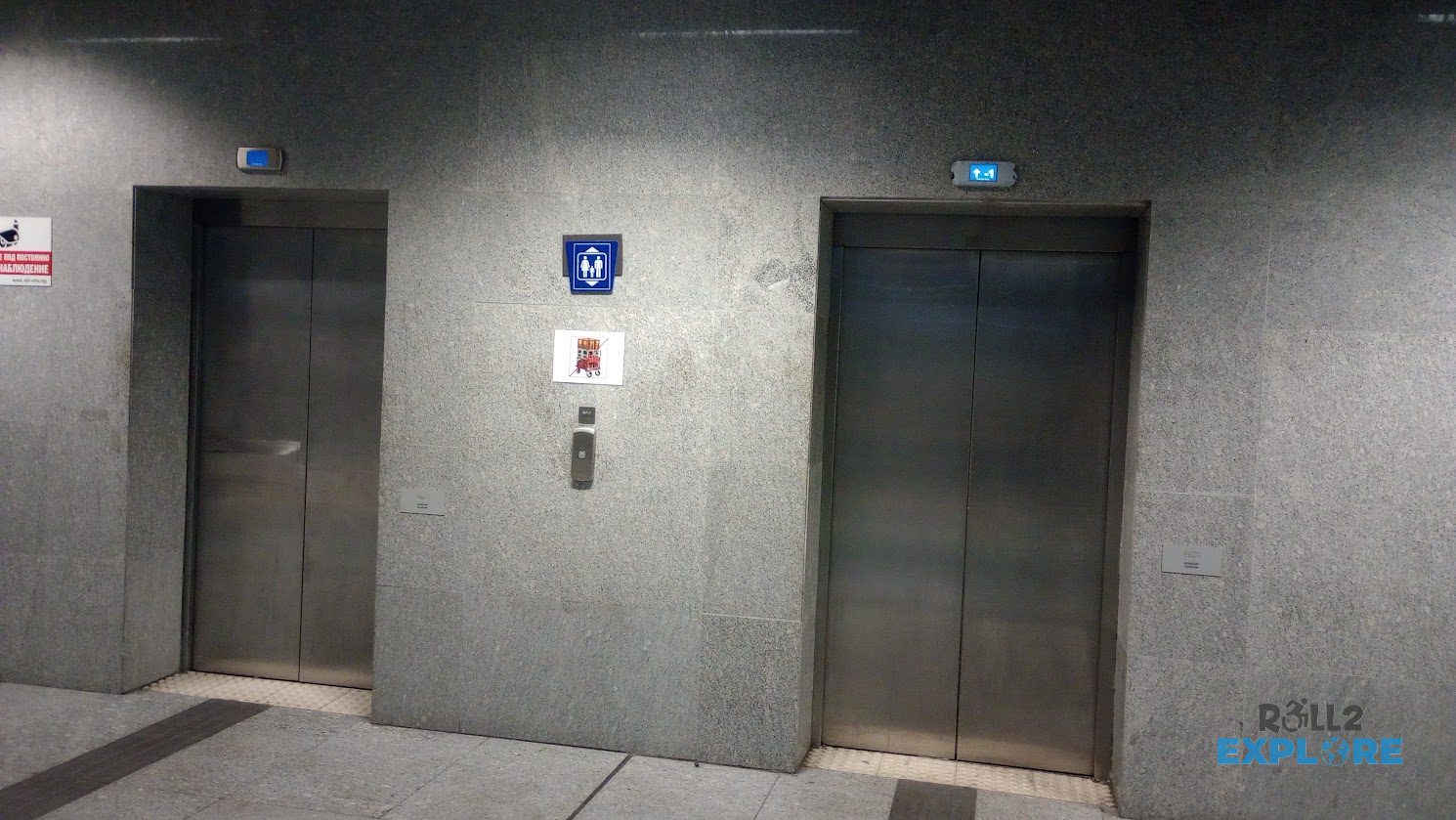
The metro has 47 stations, many of which intersect. Nearly all stations are equipped with elevators, though not every exit will have one. Line M3 is the newest and best for wheelchair users, offering multiple elevators and modern facilities. Older lines sometimes only have a single elevator exit, and other exits might feature steep, old-style ramps that aren’t practical unless you have strong assistance.
Buses: Mostly accessible, with a few quirks
Most of Sofia’s buses are low-floor and have ramps. Drivers generally open the ramp for you, though sometimes they’ll need to reposition the bus due to obstacles on the pavement (often anti-parking bollards block ramp deployment).
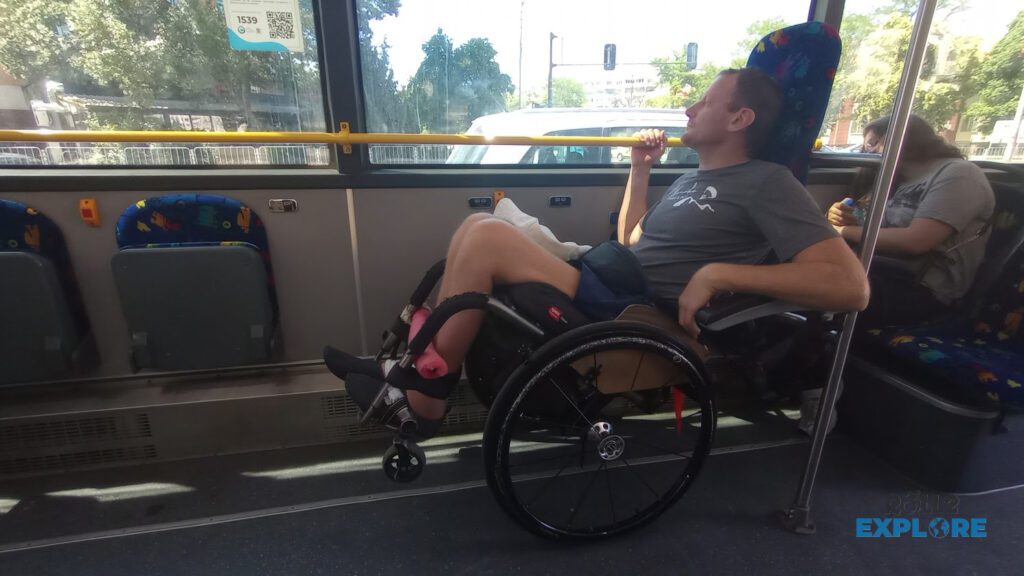
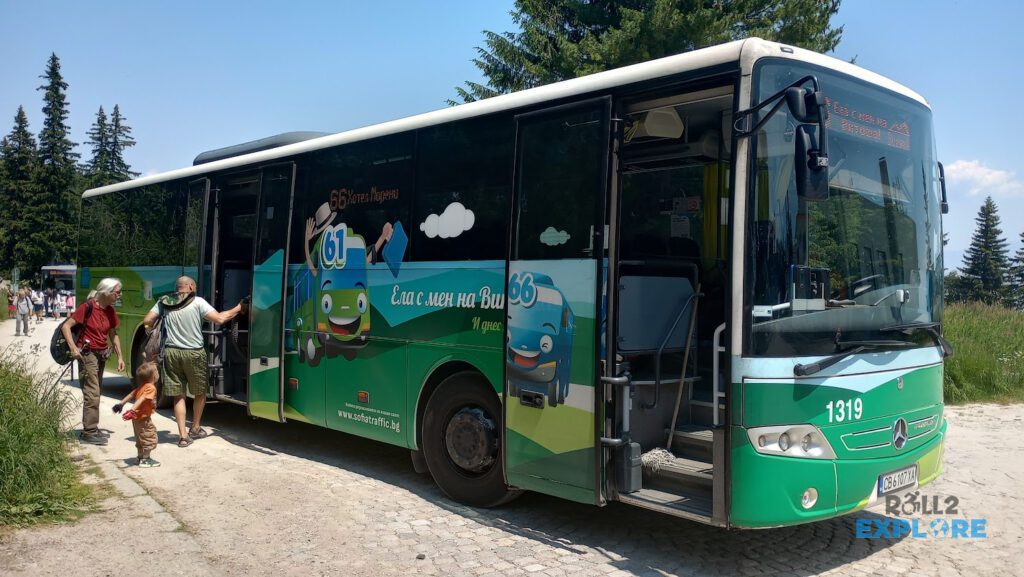
A notable exception is bus 66, which goes up to Aleko Hut in the Vitosha Mountains. It’s a coach-style bus with steps. Still, the driver won’t mind if your companions — or even friendly locals — help lift your wheelchair on board. There’s space inside to park the wheelchair, so you can stay comfortably seated during the ride.
Trams: Luck of the draw
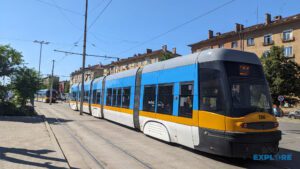
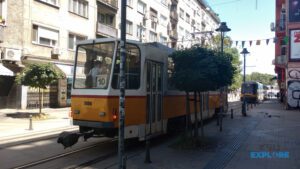
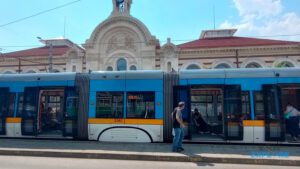
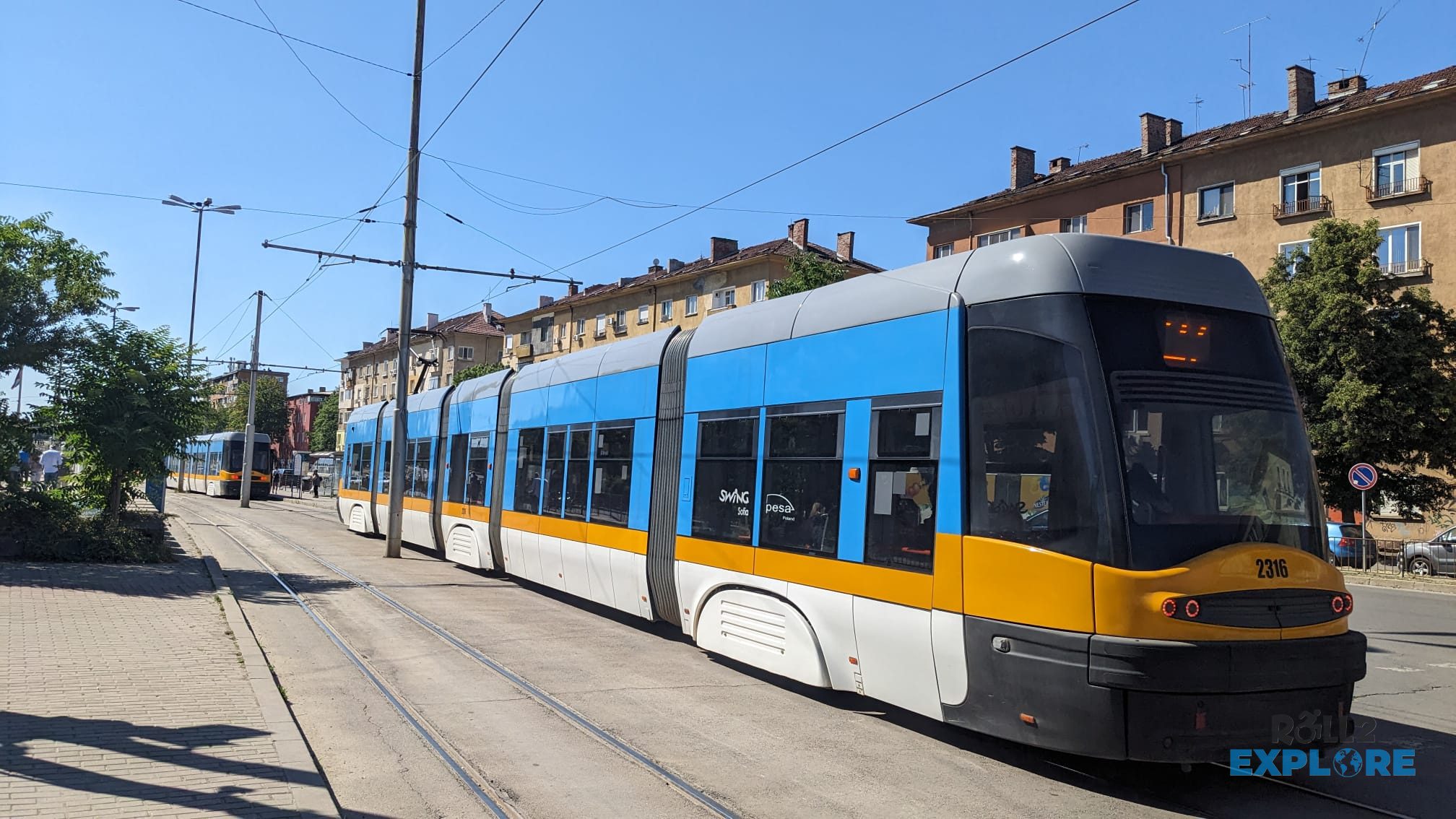
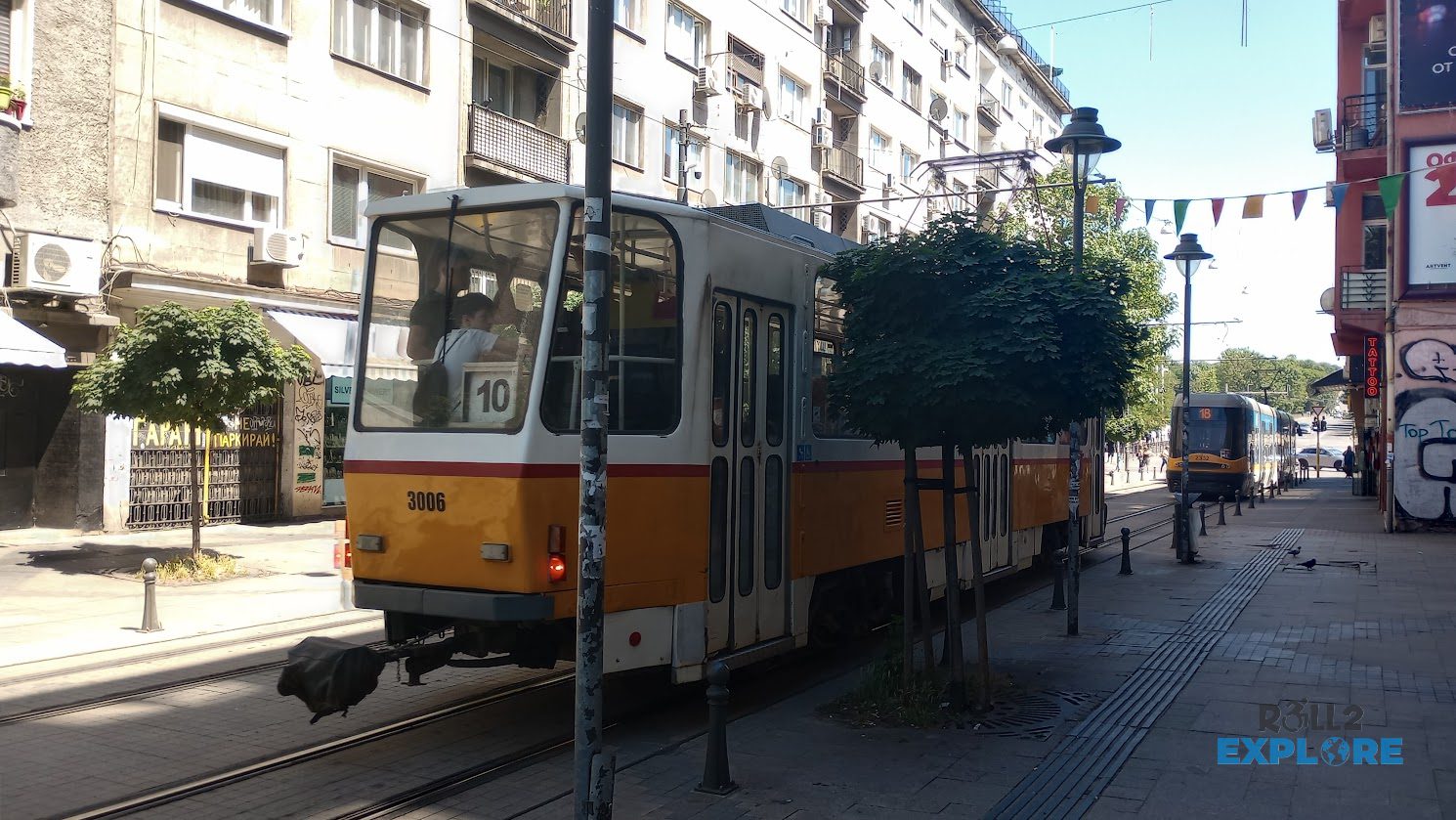
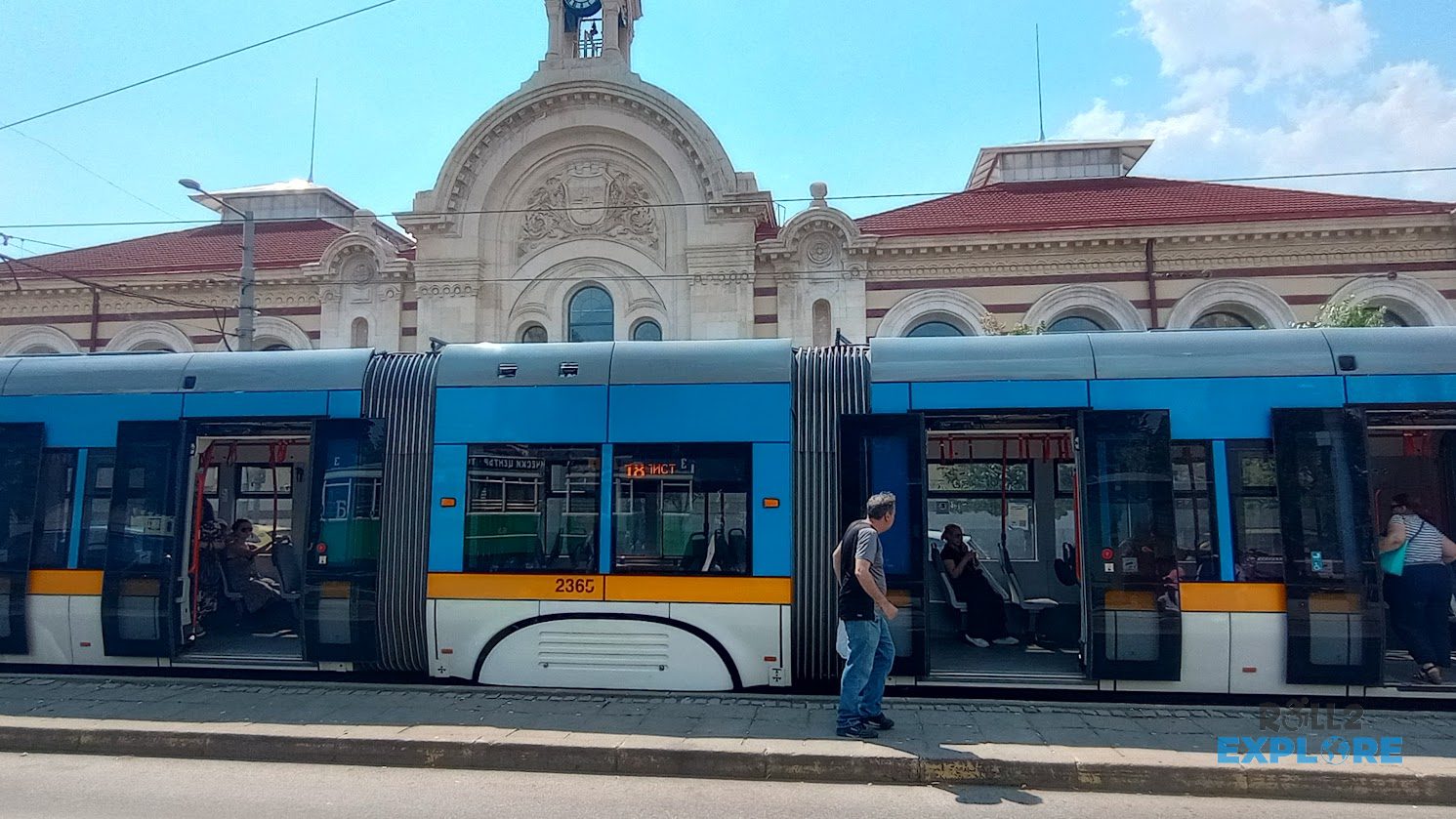
Sofia’s trams are a mixed bag. Some are old models with steps, while newer ones are low-floor and step-free. You never quite know which type will arrive, so be prepared and perhaps plan some flexibility into your schedule.
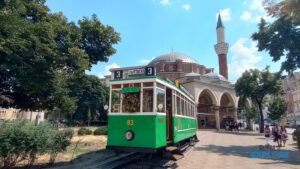
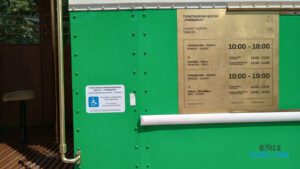
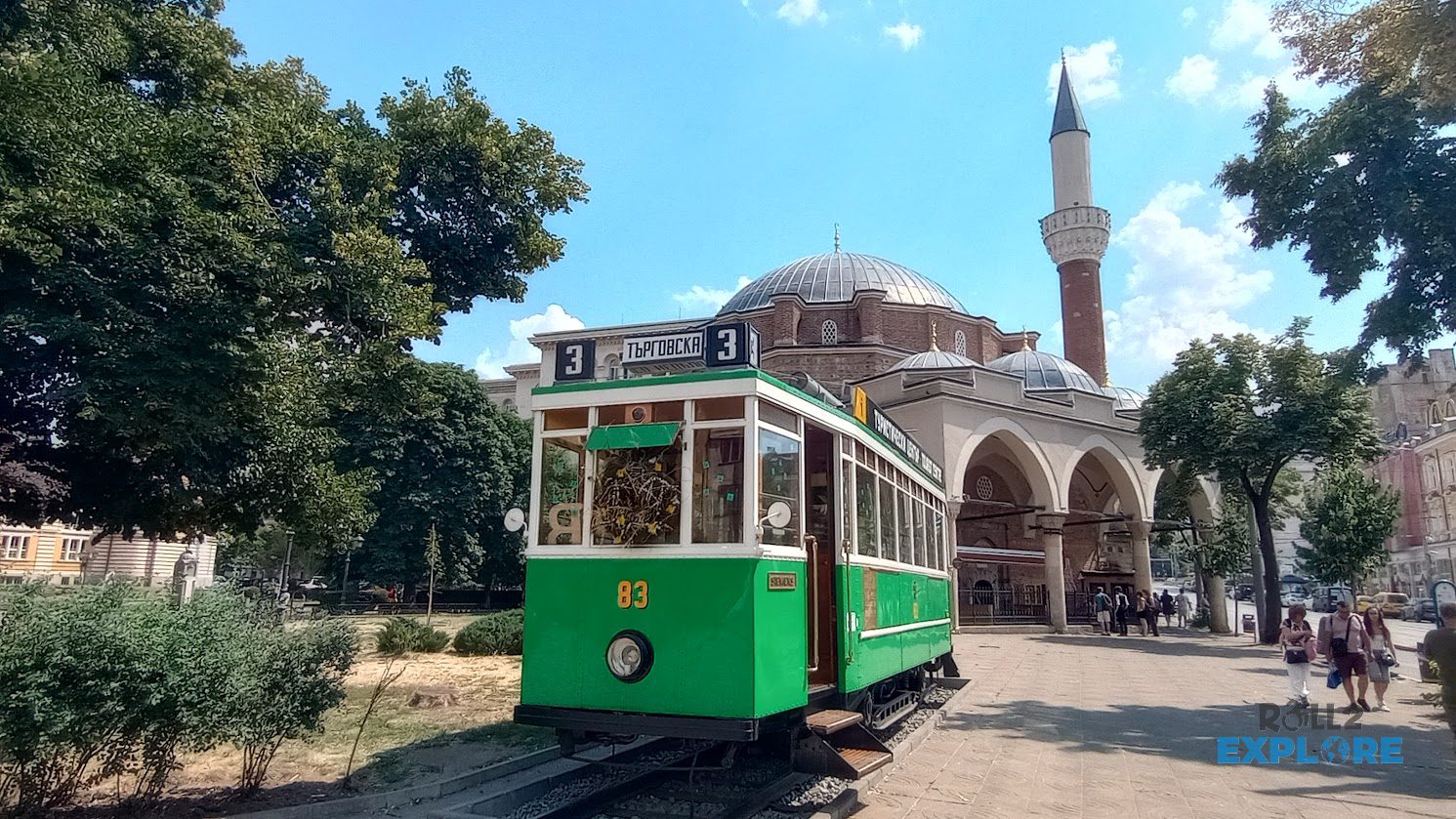
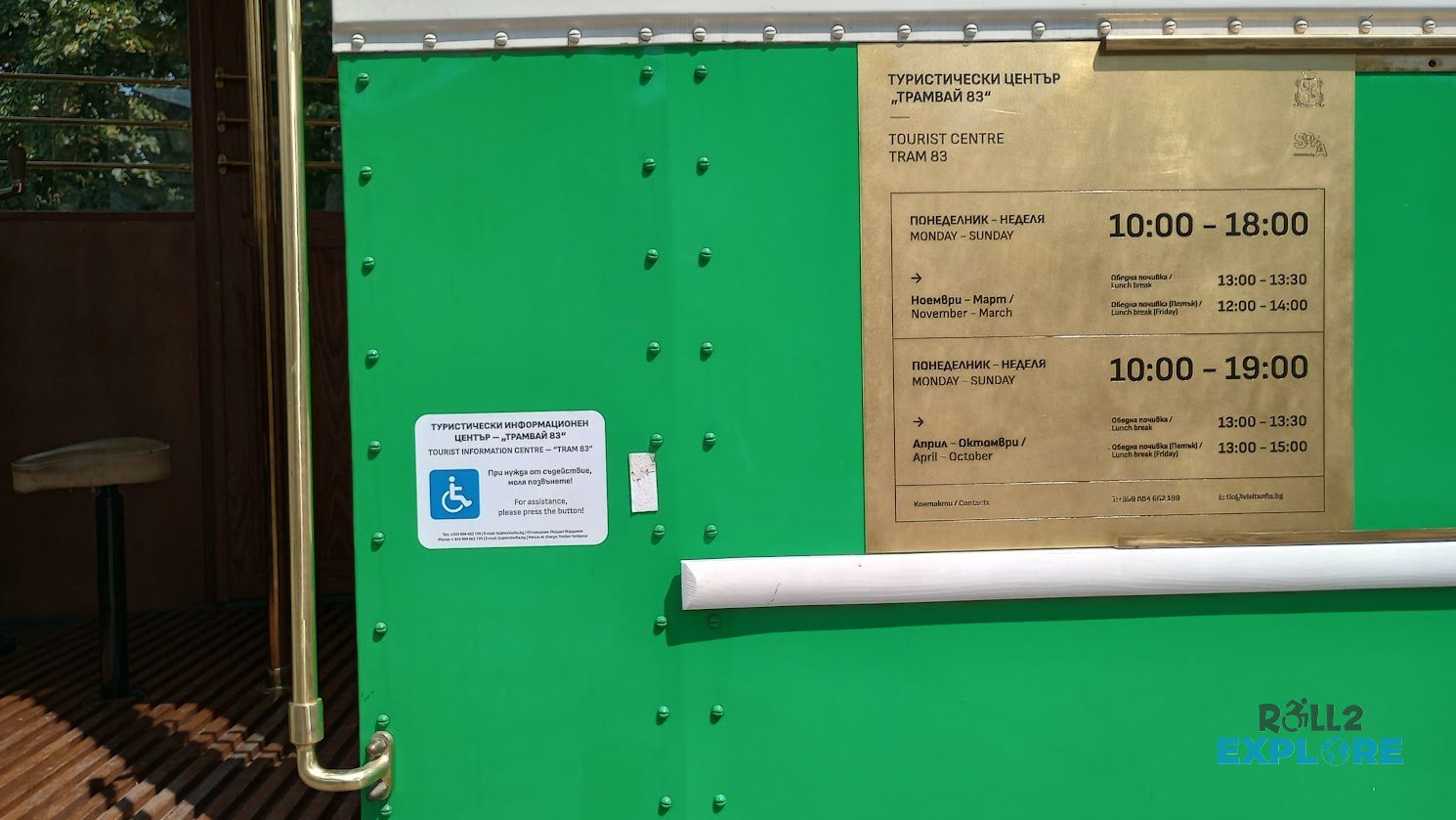
Fun fact: the main tourist information point in the heart of Sofia — right next to Serdica station — is actually located inside an old train carriage! There’s a special button outside to call for assistance if you’re a wheelchair user or have limited mobility. It’s a quirky spot to pick up maps and tips for exploring the city.
Trolleybuses: Mixed accessibility
Many of Sofia’s trolleybuses are accessible low-floor models with ramps. However, it’s still somewhat inconsistent, and the situation is similar to trams: it really depends on which vehicle shows up. If you’re traveling with a companion, it’s easier to handle surprises.
Ticket prices & how to pay
Sofia’s public transport is extremely cheap.
- 30-minute ticket: 1.60 BGN (transfer freely within 30 min)
- 60-minute ticket: 2.20 BGN
- Driver ticket: 2 BGN (single-use, no transfers)
- Daily cap with bank card: 4.00 BGN — after two trips, rides are free for the rest of the day.
You can buy paper tickets from kiosks, validate them at the perforators inside the vehicles, and remember: each vehicle type has a unique punch pattern, so you can’t reuse them without being caught. Inspectors do check; we were actually inspected once ourselves.
You can also pay with a contactless bank card, which is the simplest. If you take more than two trips in a day, the system automatically charges you just 4.00 BGN total. The same system works on buses, trams, trolleybuses, and the metro.
Metro tickets are separate and can be bought at machines or counters inside each metro station.
Trains: Hardly accessible, but some help available
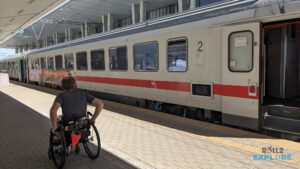
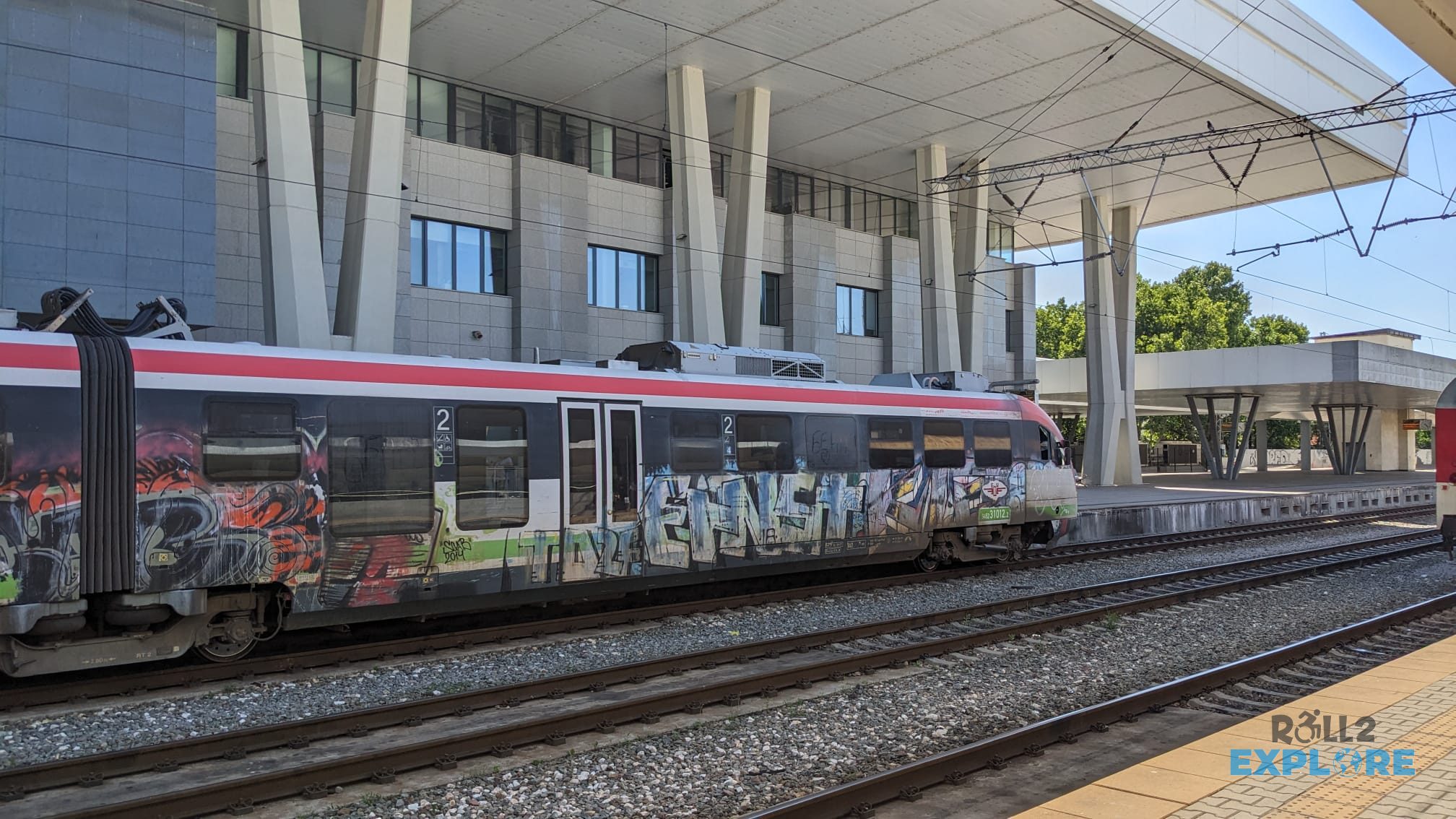
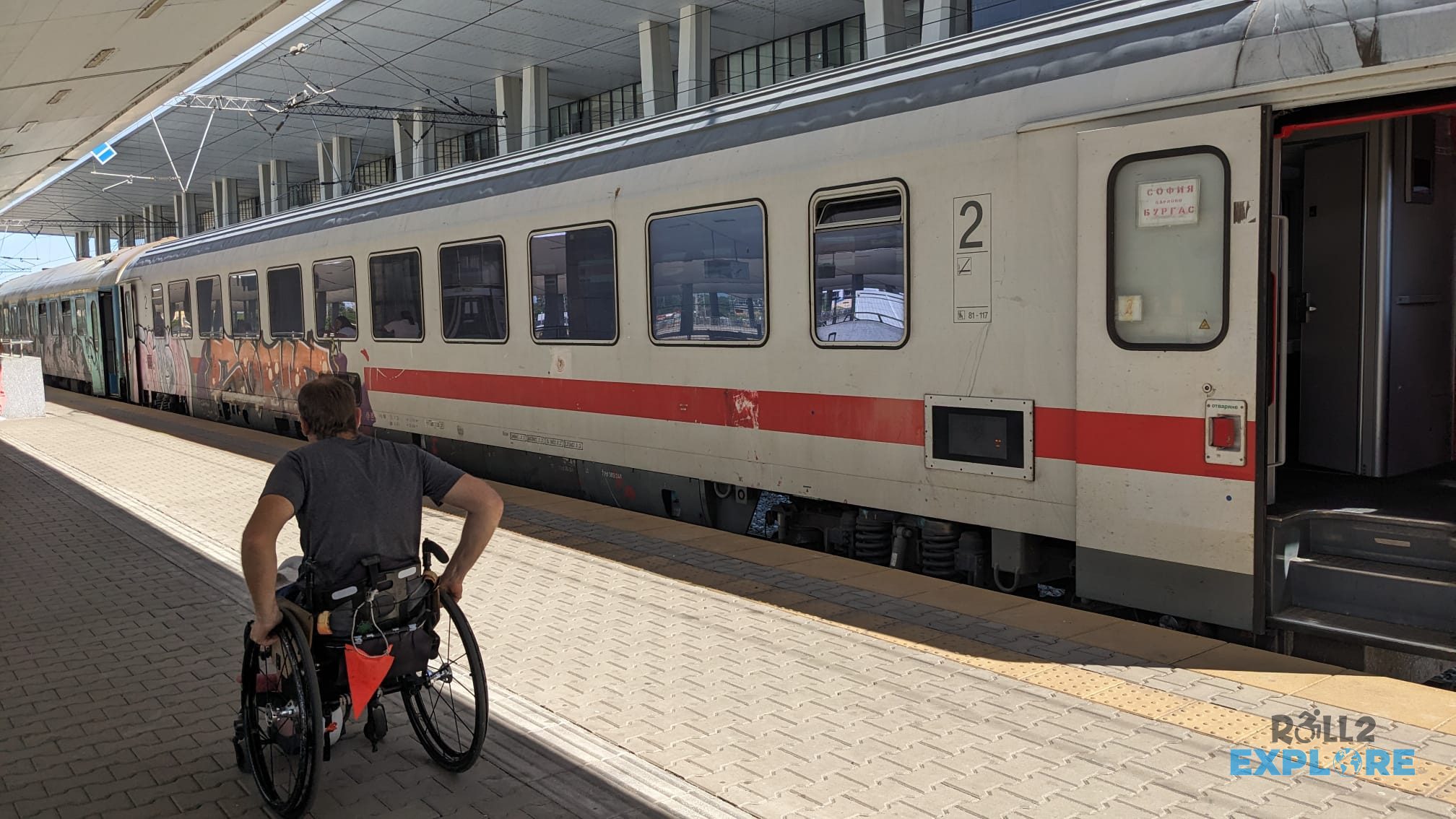
Long-distance trains in Bulgaria are generally not wheelchair accessible. The Bulgarian railway website does have a filter for accessible trains, but whenever we tried it, it always showed zero results.
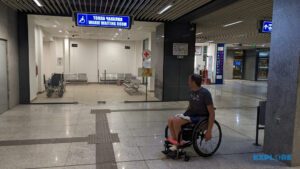
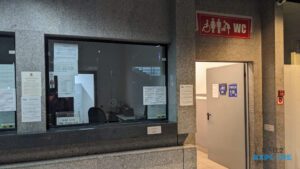
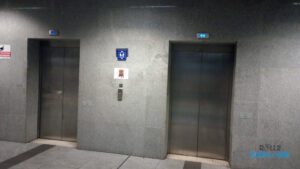
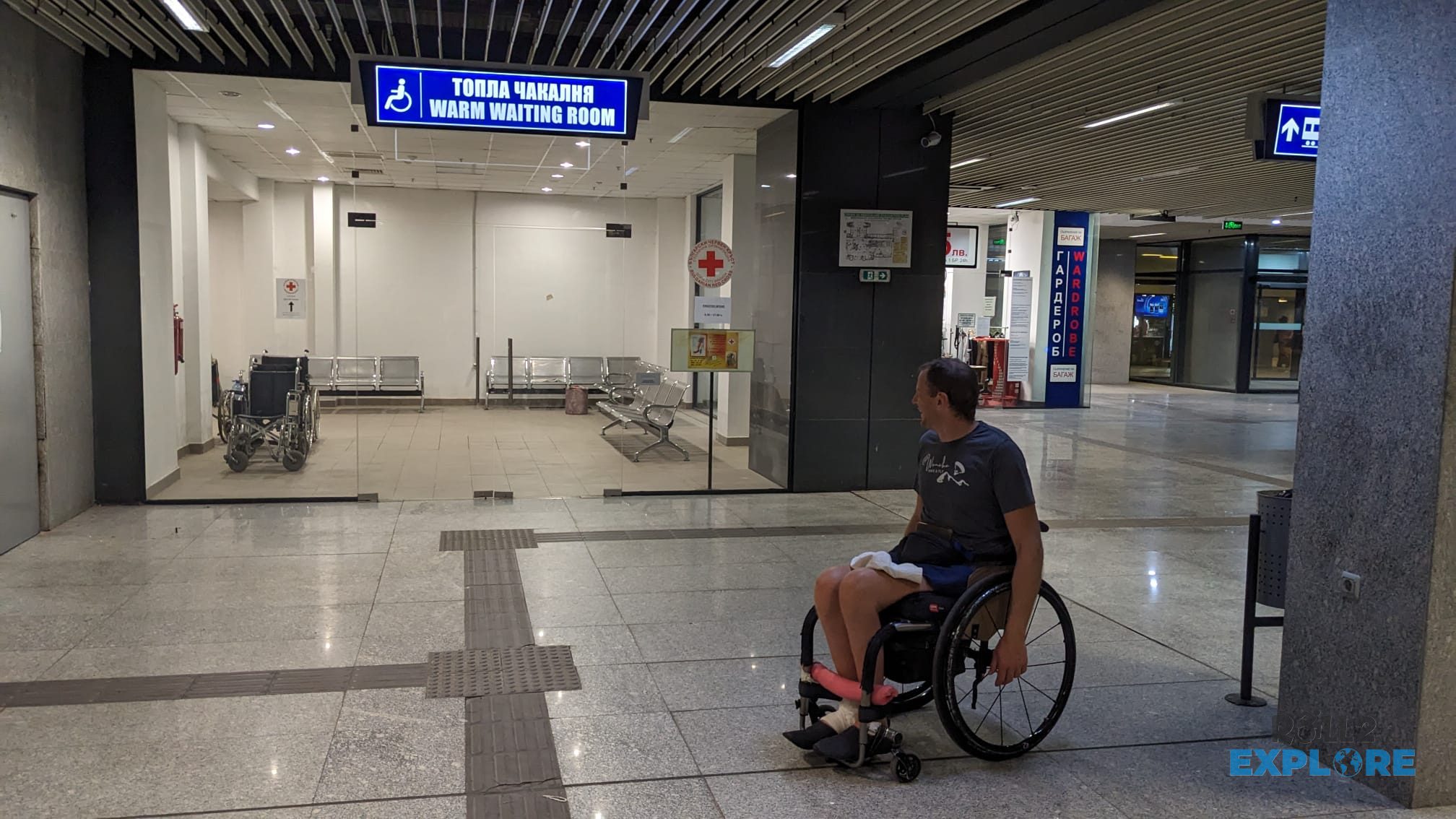
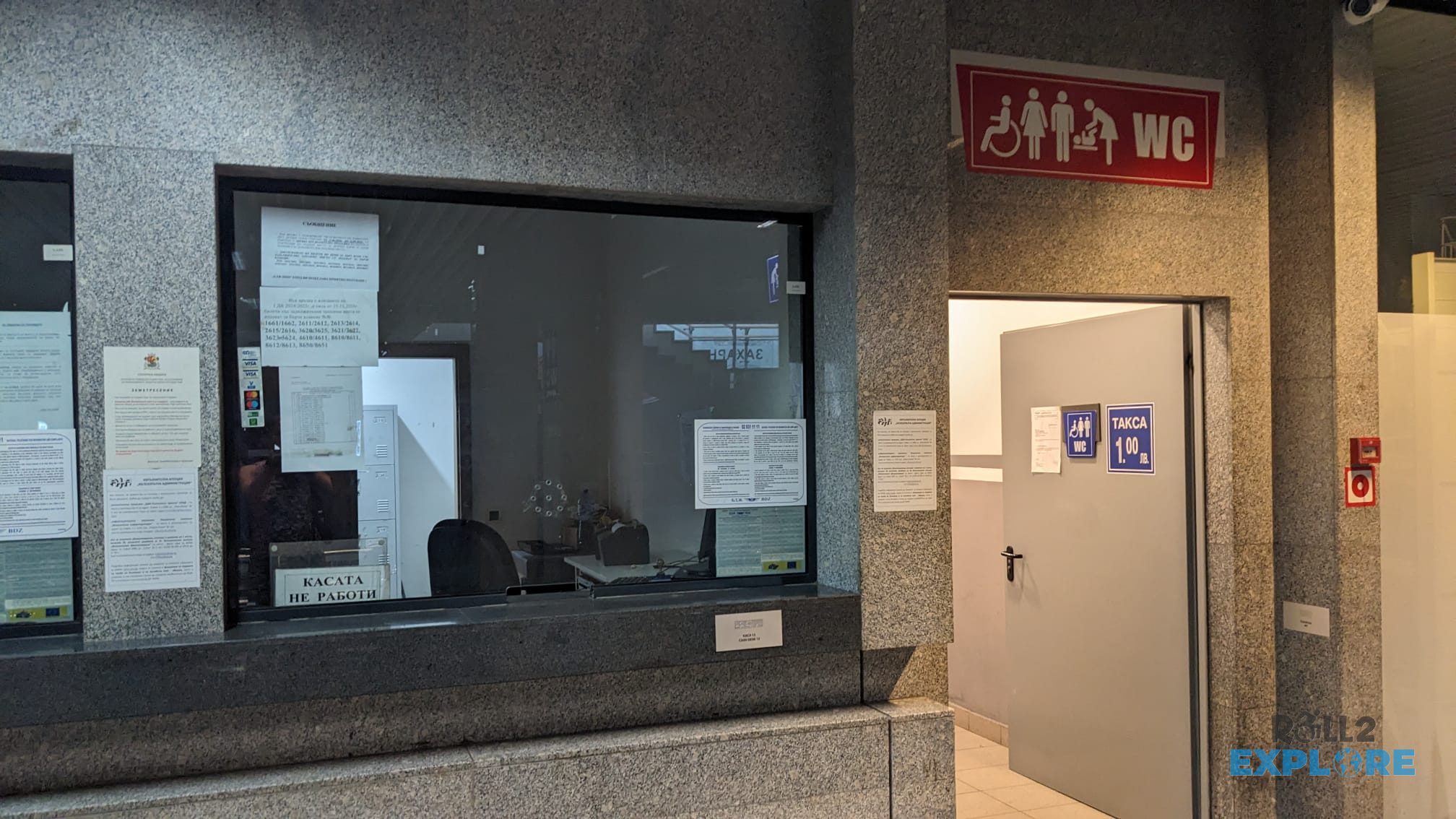
We didn’t use trains ourselves as Nick was recovering from surgery. However, we did check out Sofia’s central railway station. It has elevators, an accessible restroom, and even a special waiting room for passengers with disabilities. Staff speak limited English, but there are dedicated assistants who will probably find you before you find them. They were older men, one speaking some English, the other French, and honestly didn’t look like official employees — so don’t be surprised by this informal approach.
Affordable, yes — but patience and planning needed
Public transport in Sofia is by far the cheapest way to get around. It’s pretty accessible by Eastern European standards, especially the metro, though buses and trams still involve some unpredictability. The locals are usually very willing to help, so don’t hesitate to ask. Now that you know how to get around, discover Sofia’s best budget-friendly accessible attractions in our guide to wheelchair-accessible sights.