
Accessible Attractions in Sofia:
Discover Bulgaria’s Capital on a Budget
Sofia is a wonderful mix of ancient history, vibrant culture, and laid-back charm — and you don’t need to spend a lot to explore it. While accessibility in Bulgaria’s capital is still a work in progress, there are plenty of places you can enjoy, many for free or at very low cost. Here’s our guide to some of the best accessible attractions and activities in Sofia, all based on our personal experience traveling with a wheelchair.
Wander through the city center and admire ancient ruins
Start your adventure by simply strolling (or rolling) through Sofia’s charming city center. Many streets are pedestrian-friendly, though watch out for occasional uneven pavements and missing curb cuts.
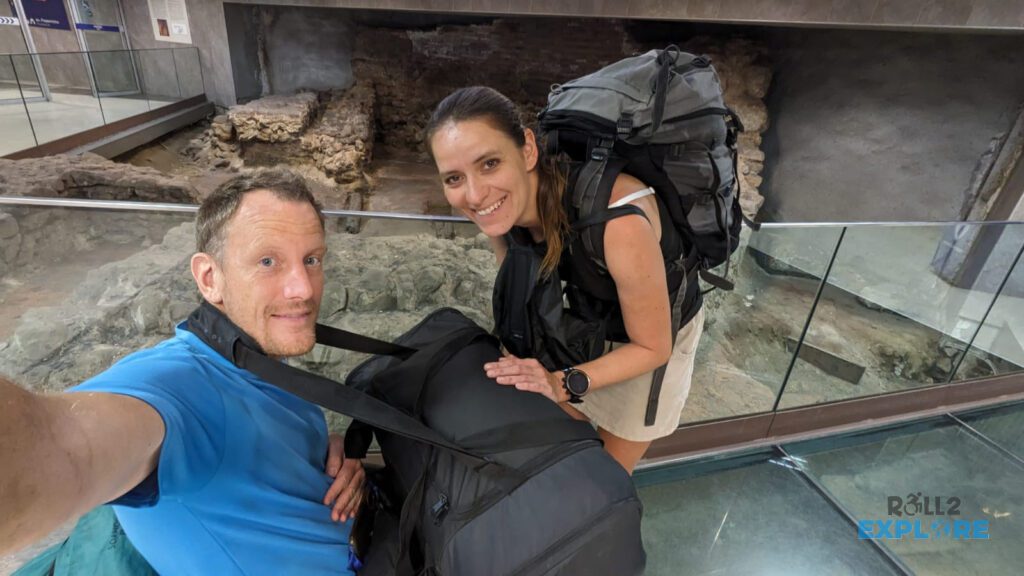
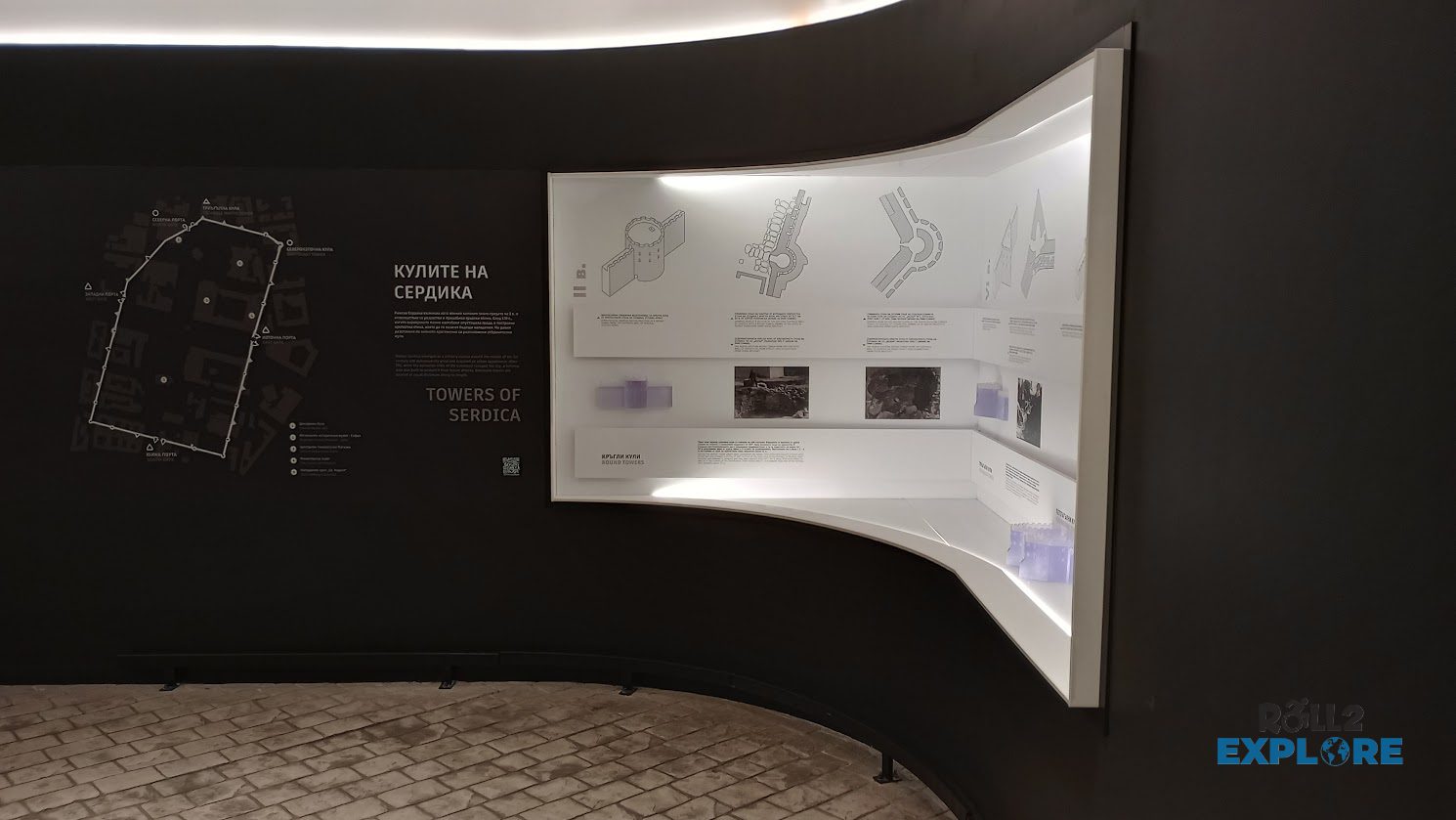
You’ll see the city’s long history come alive — literally under your feet — as Roman ruins and medieval foundations pop up between modern buildings. Highlights include the ancient Serdica ruins around the Largo and the old Roman streets inside the Serdica metro station complex. It’s a fascinating way to get a glimpse of Sofia’s 2,000-year-old history without even buying a ticket.
Visit museums for free
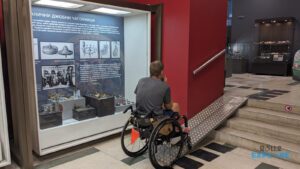
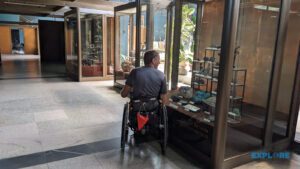
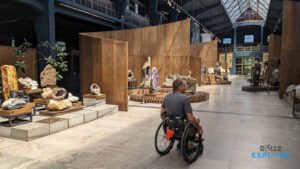
If you or your companion are disabled, many of Sofia’s national museums offer free entry for you both. That means you can dive into the city’s culture and history without opening your wallet. A few worth visiting:
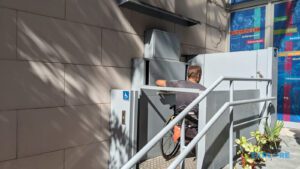
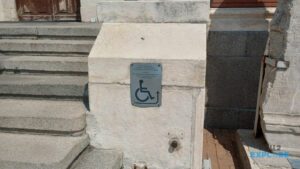
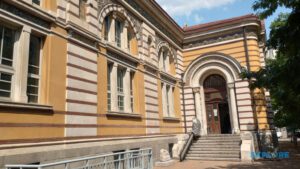
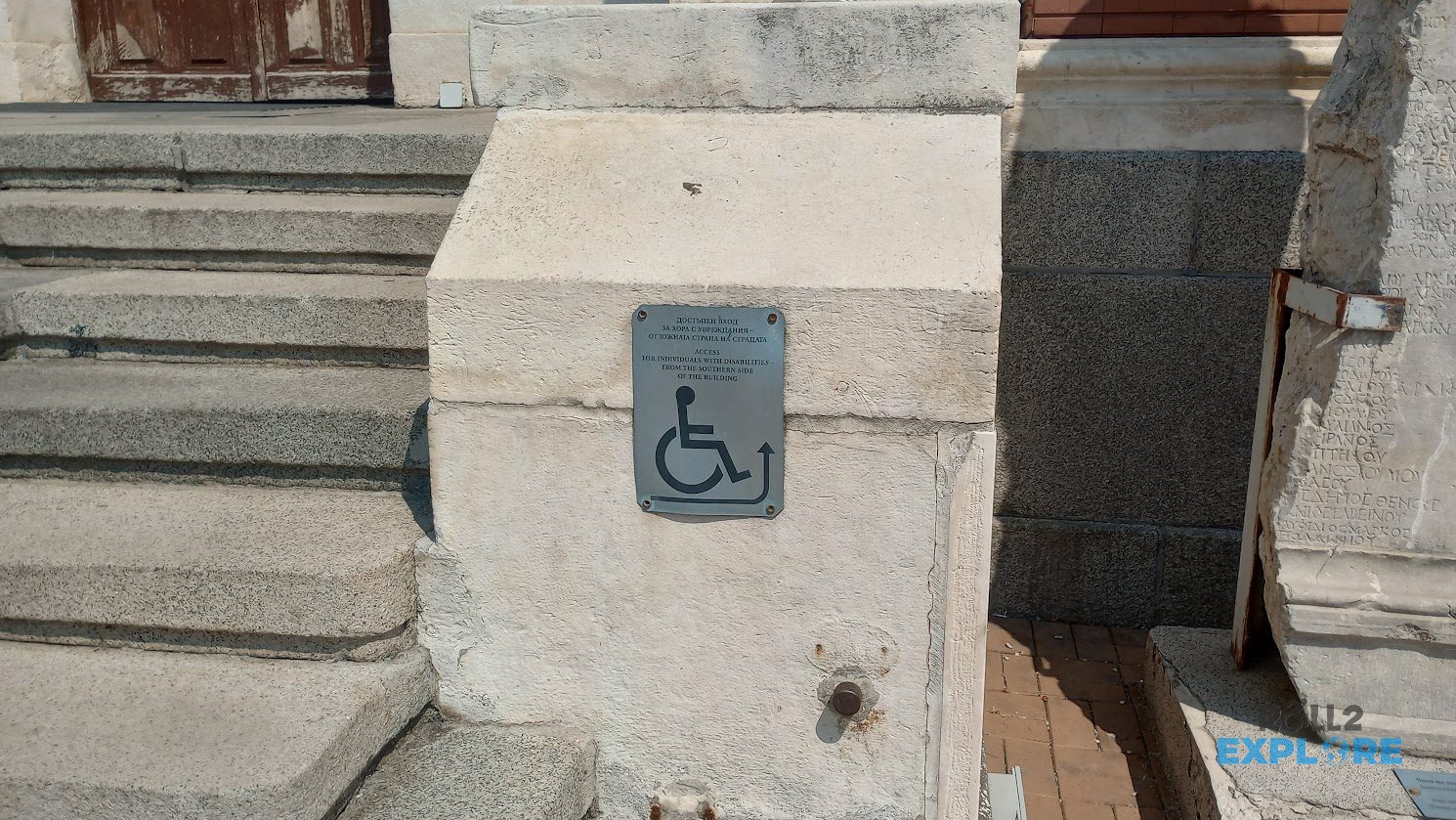
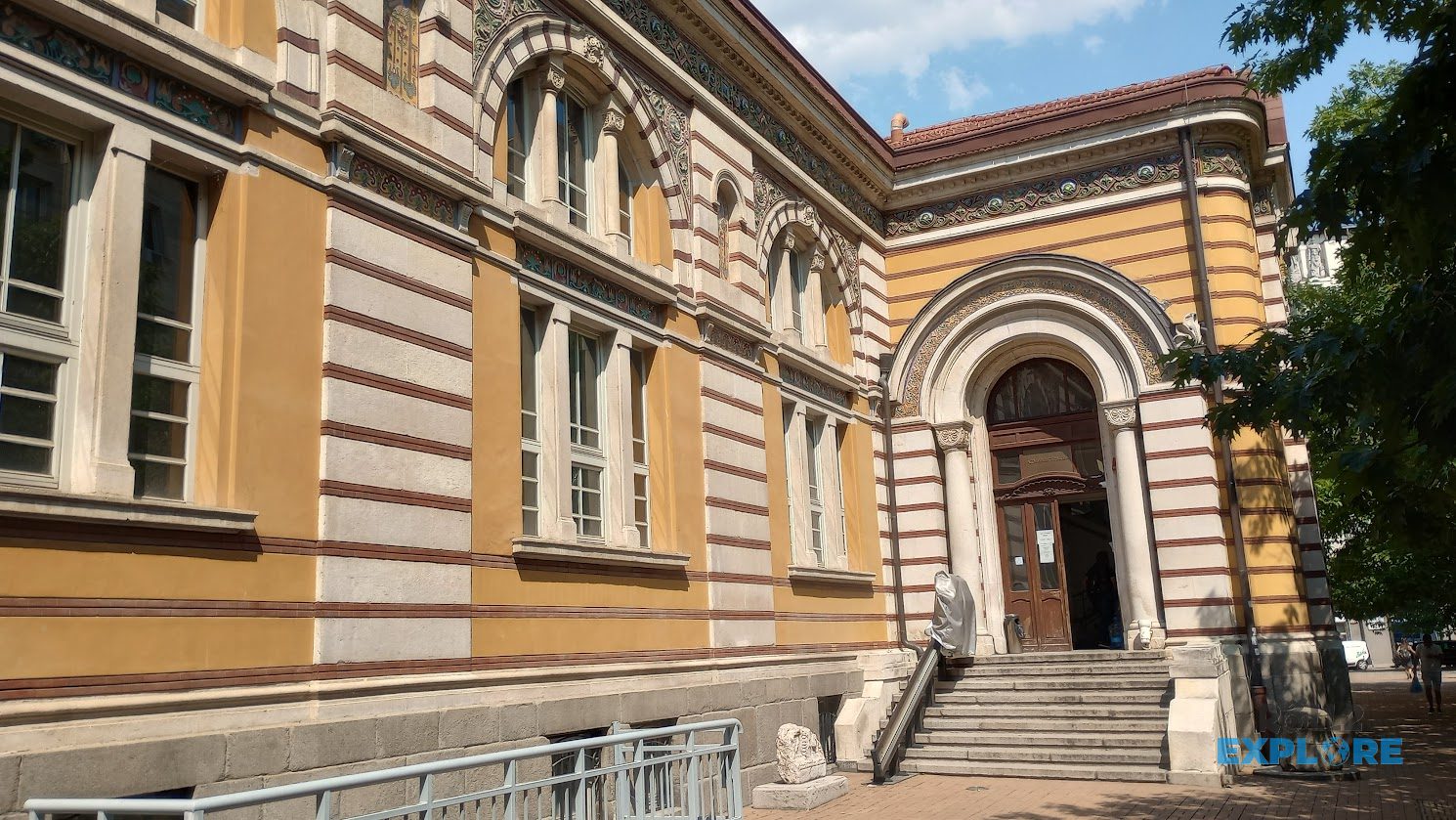
- Regional History Museum – located inside the beautiful old Central Bath building; inclined platform lift at the side entrance and elevator in the museum.
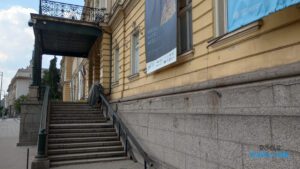
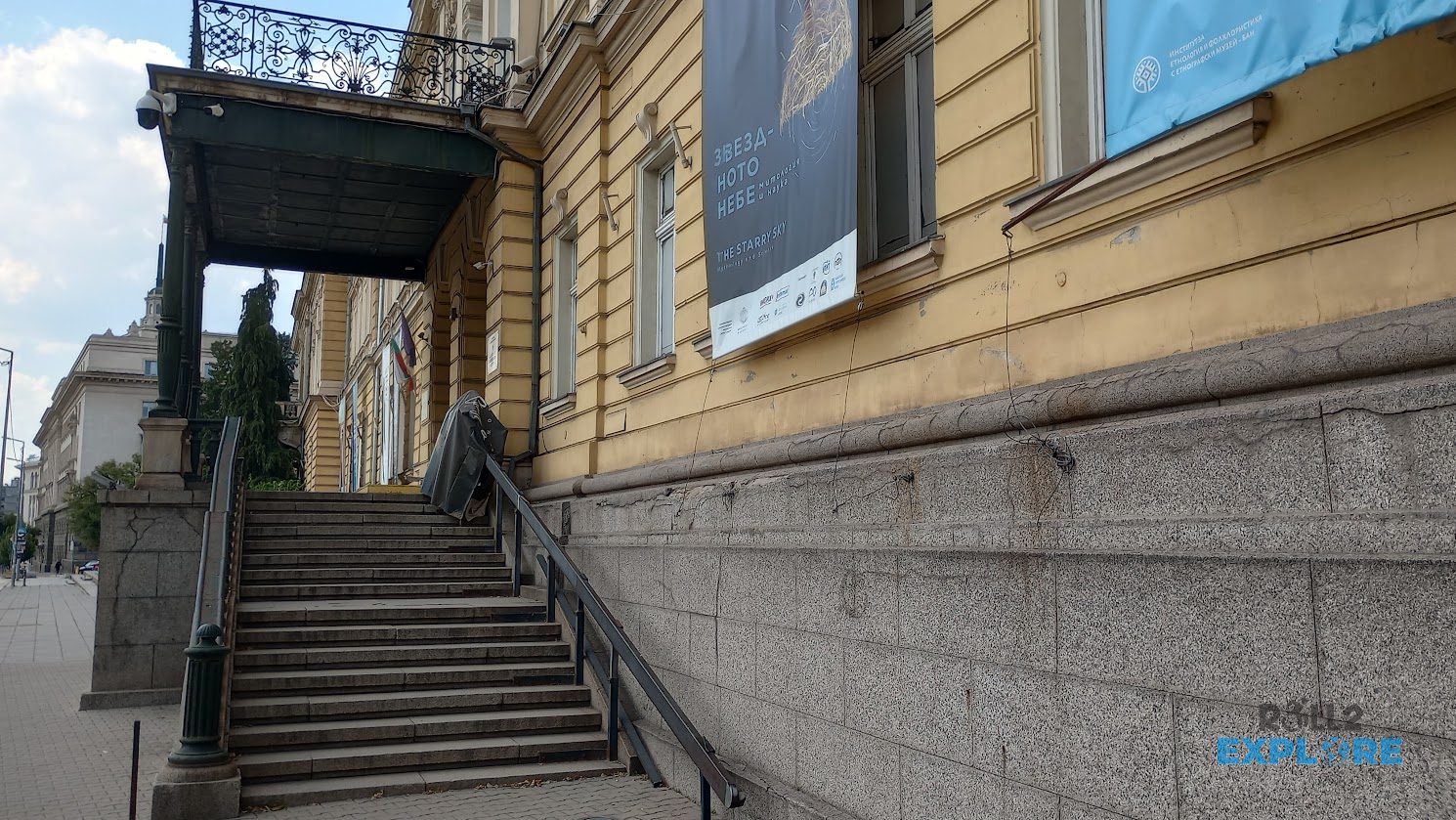
- The National Art Gallery — housed in the former royal palace; inclined platform lift at the entrance.
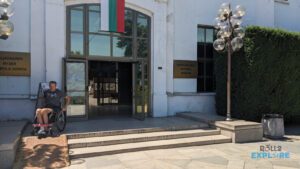
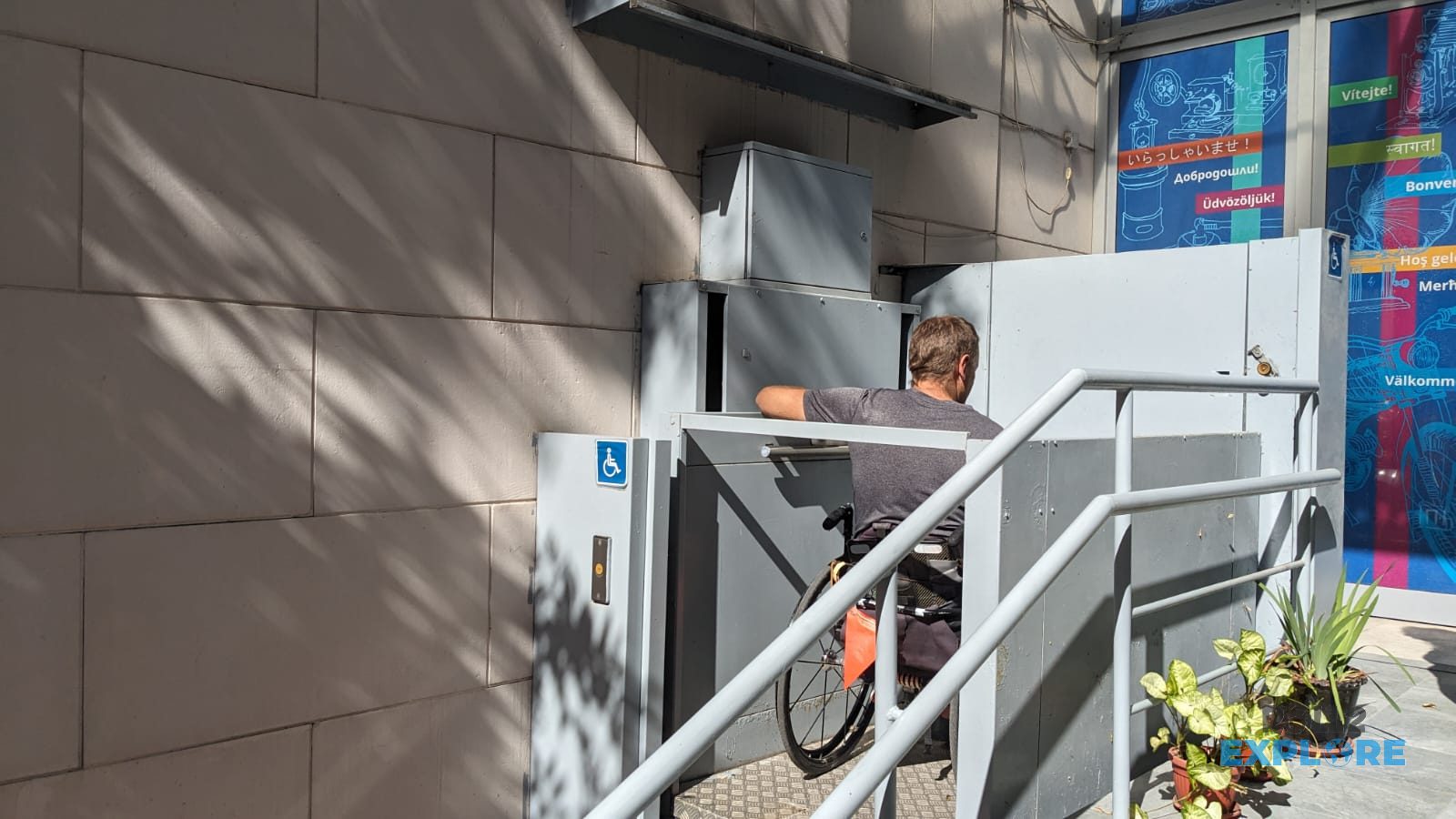
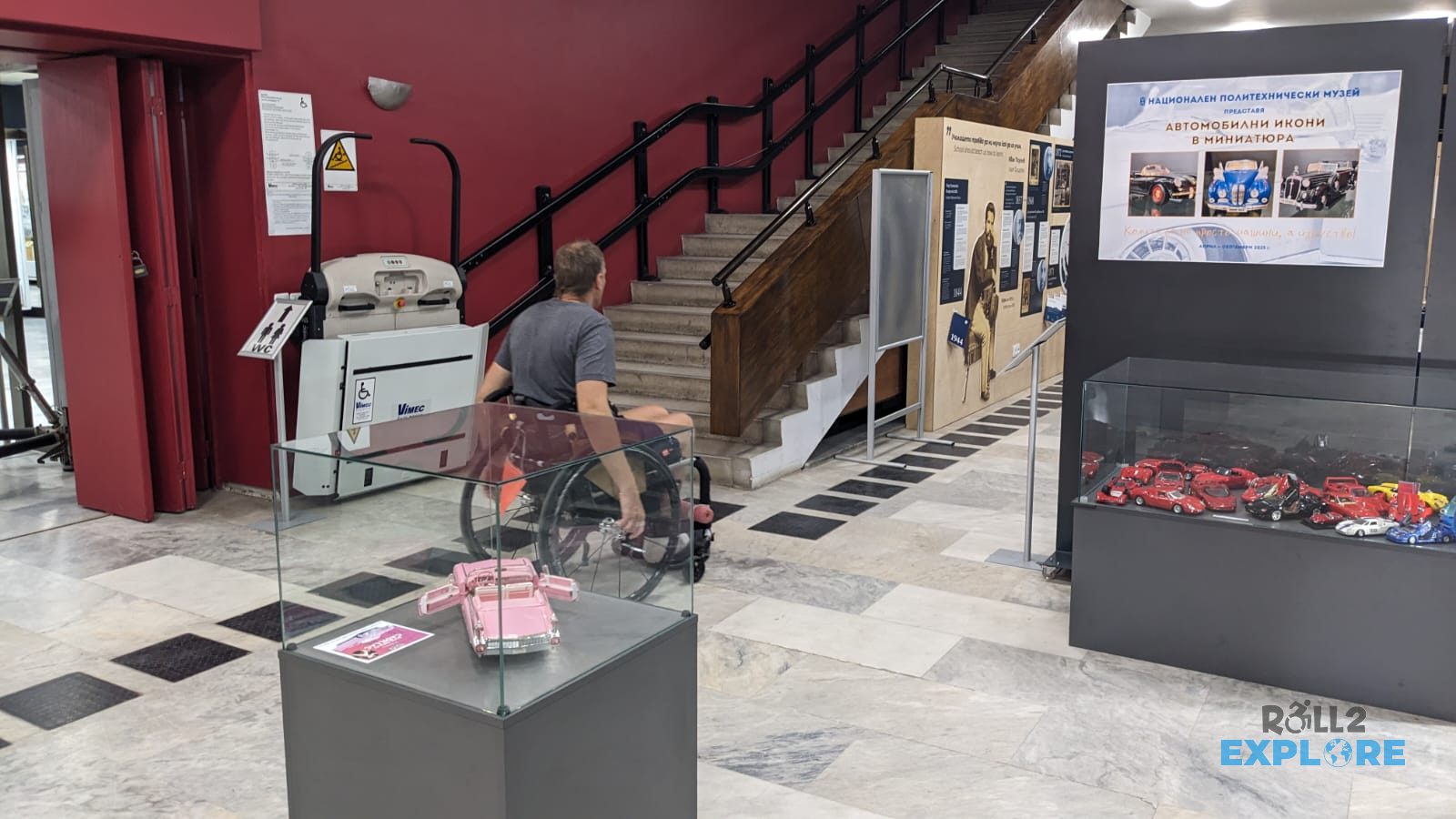
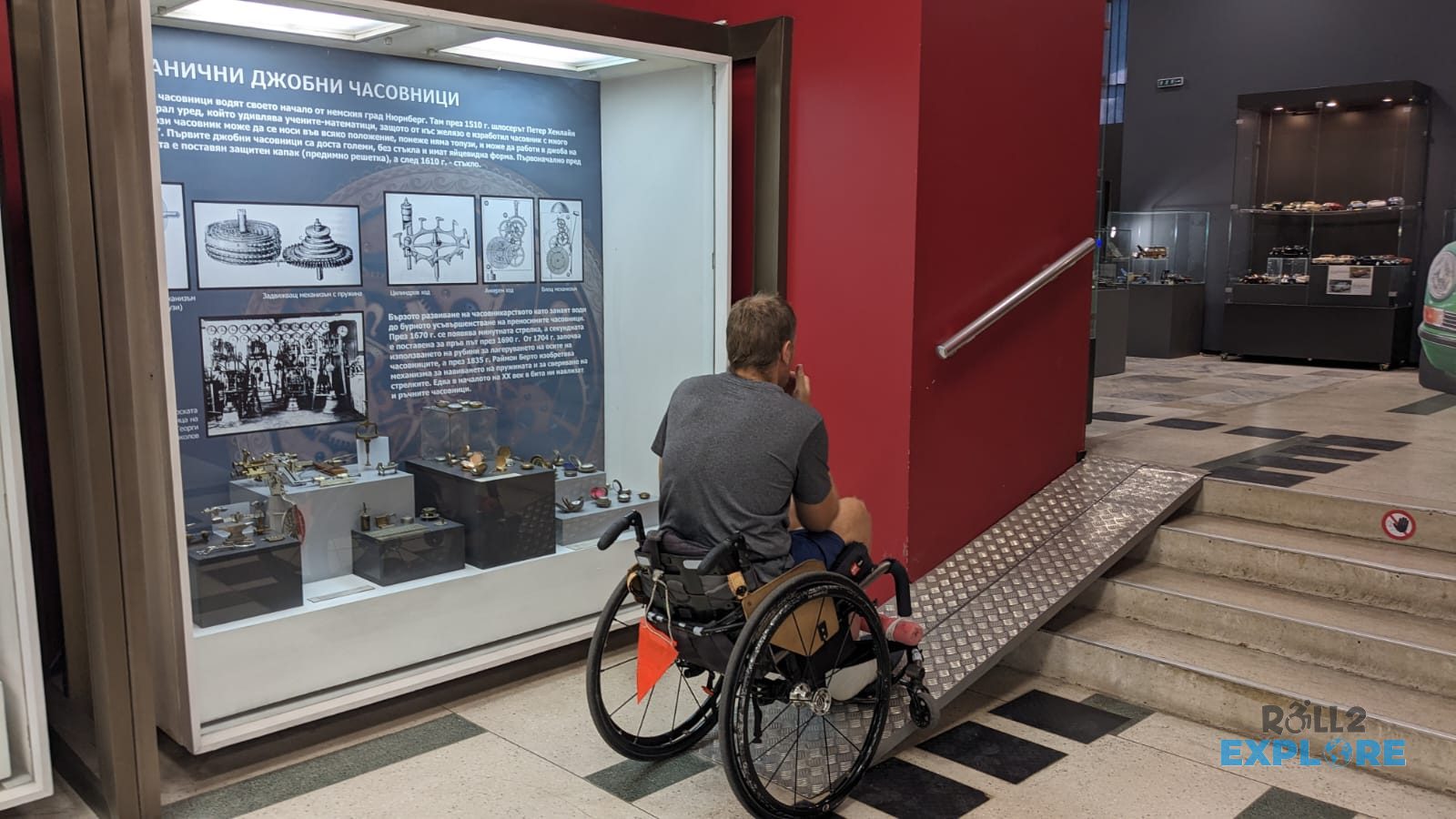
- National Polytechnic Museum — a quirky spot for science and technology fans; vertical platform lift at the entrance and ramps inside the museum.
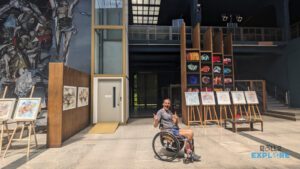
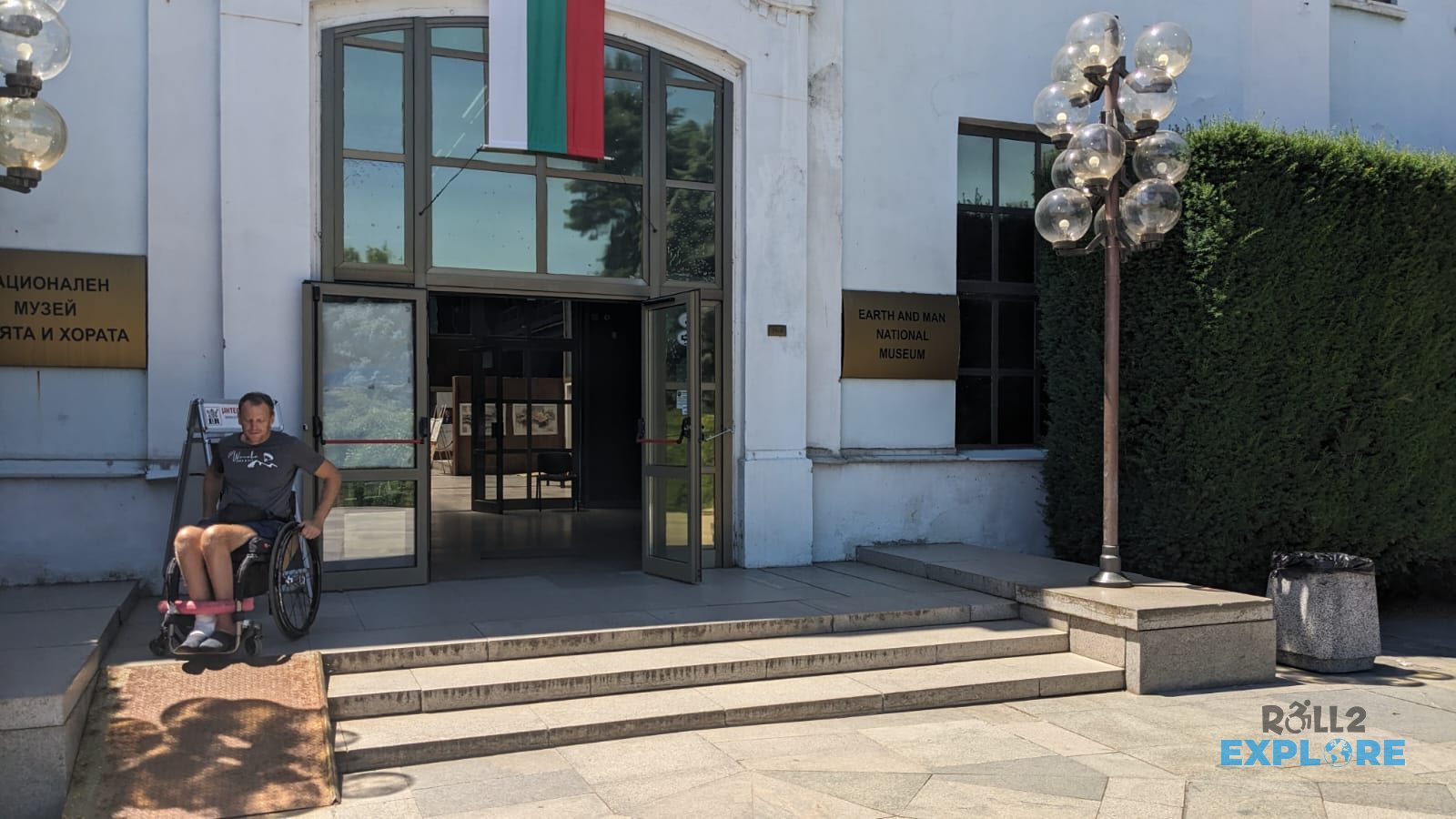
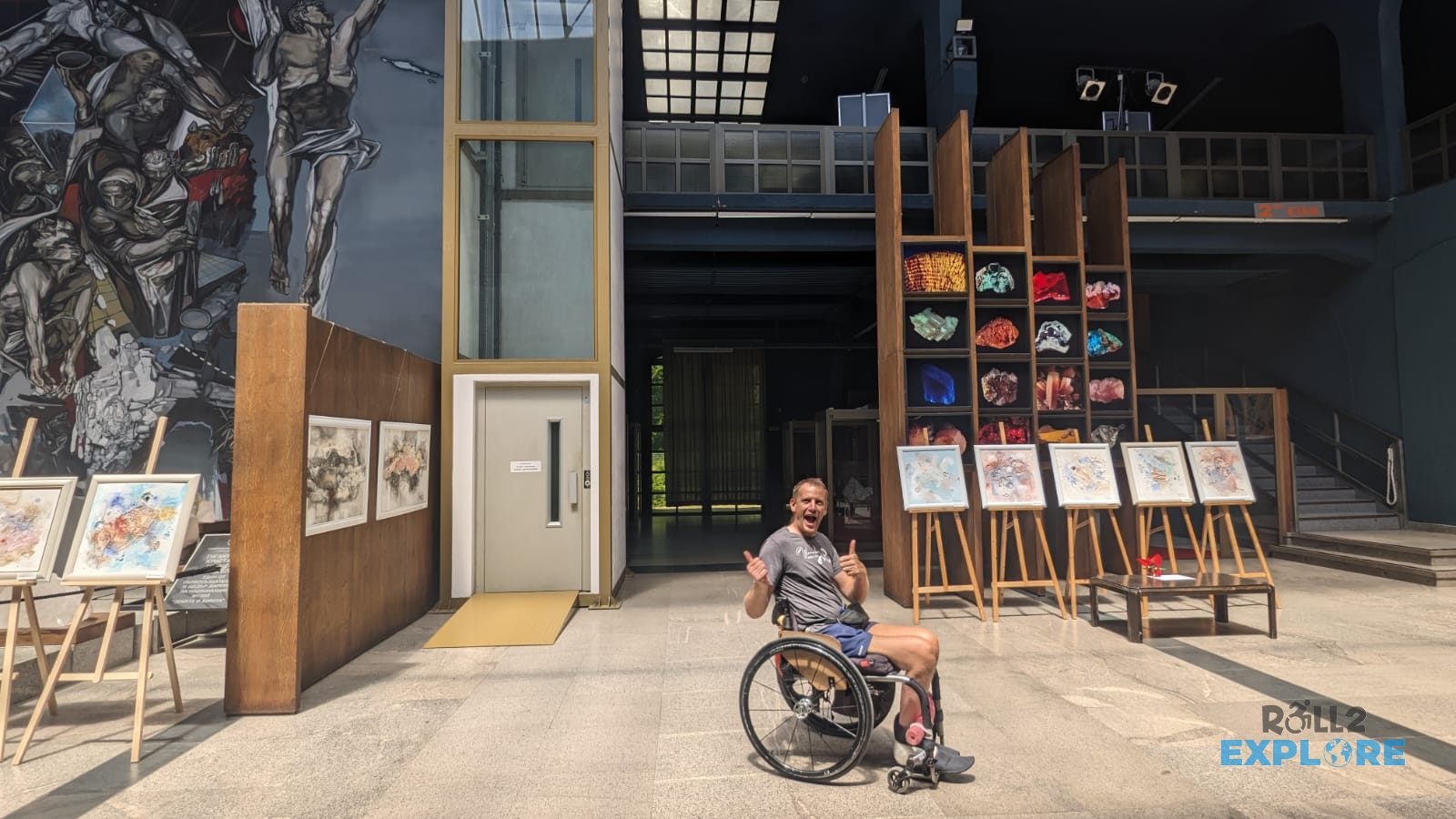
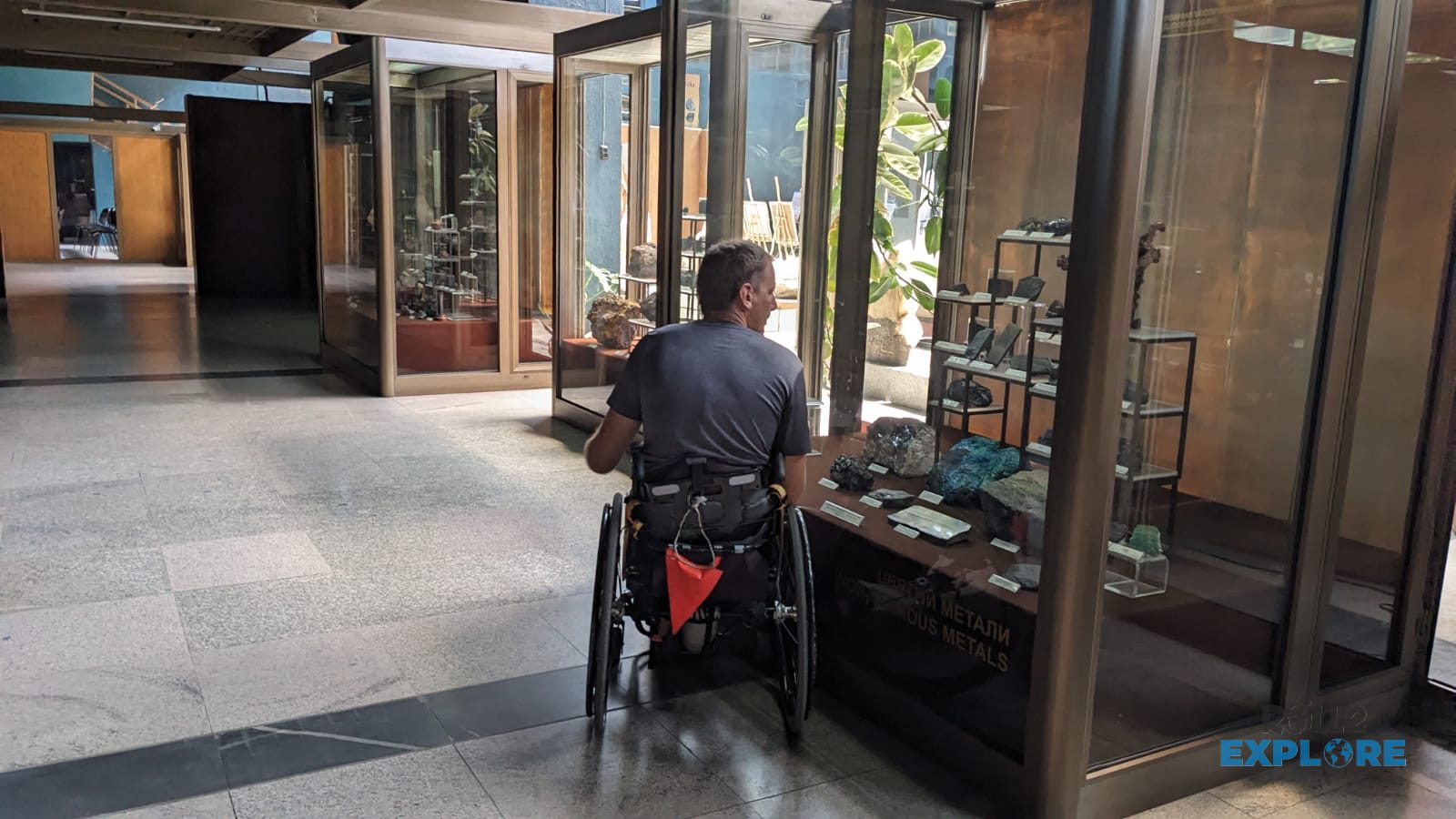
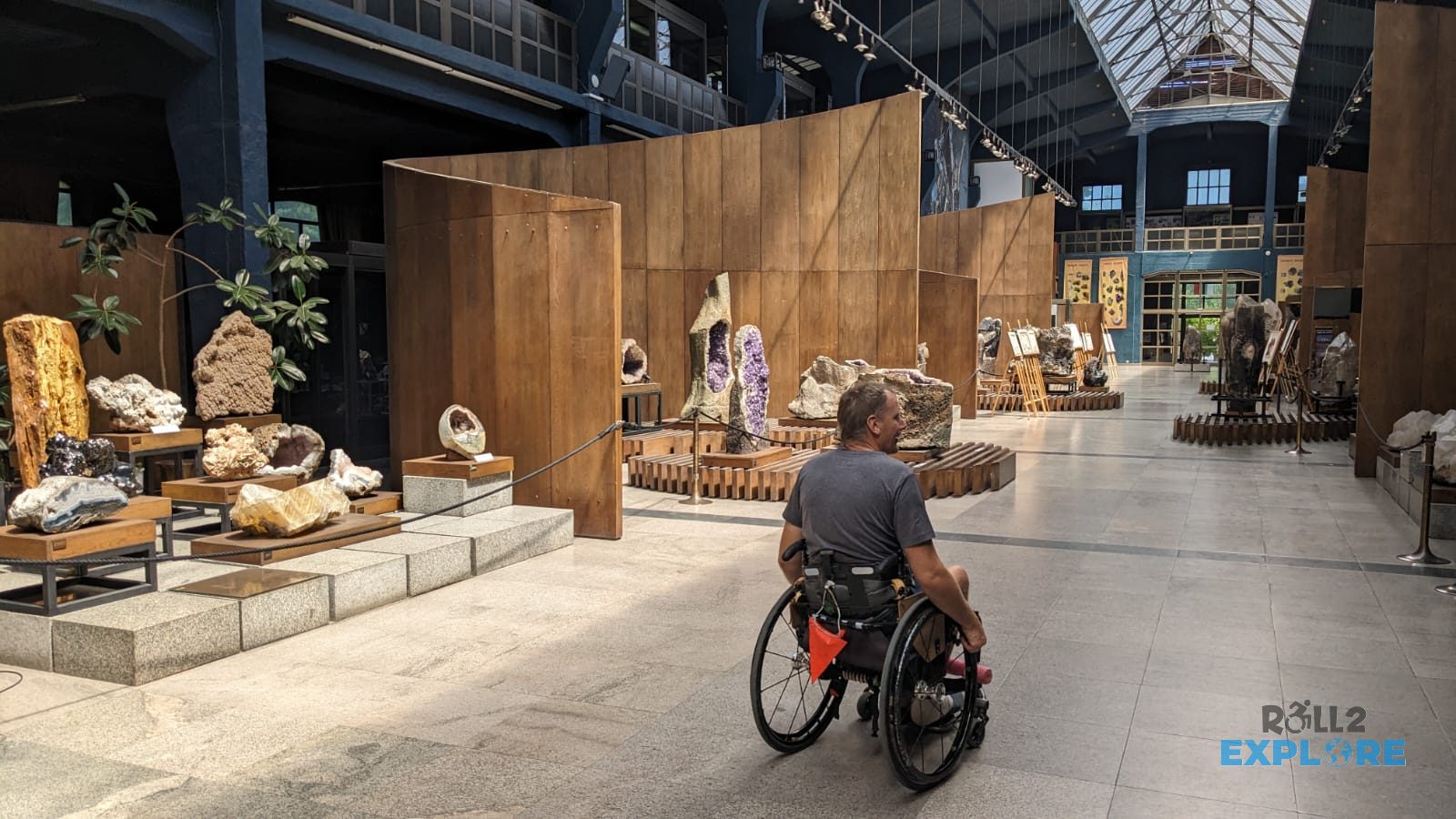
- Earth and Man National Museum — showcasing one of the largest mineral collections in the world; ramp at the entrance and lift in the building.
Shop, eat and explore at the Central Market Hall
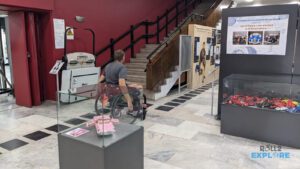
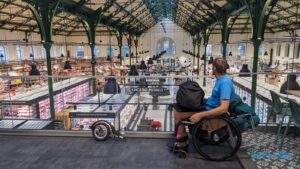
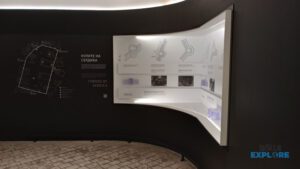
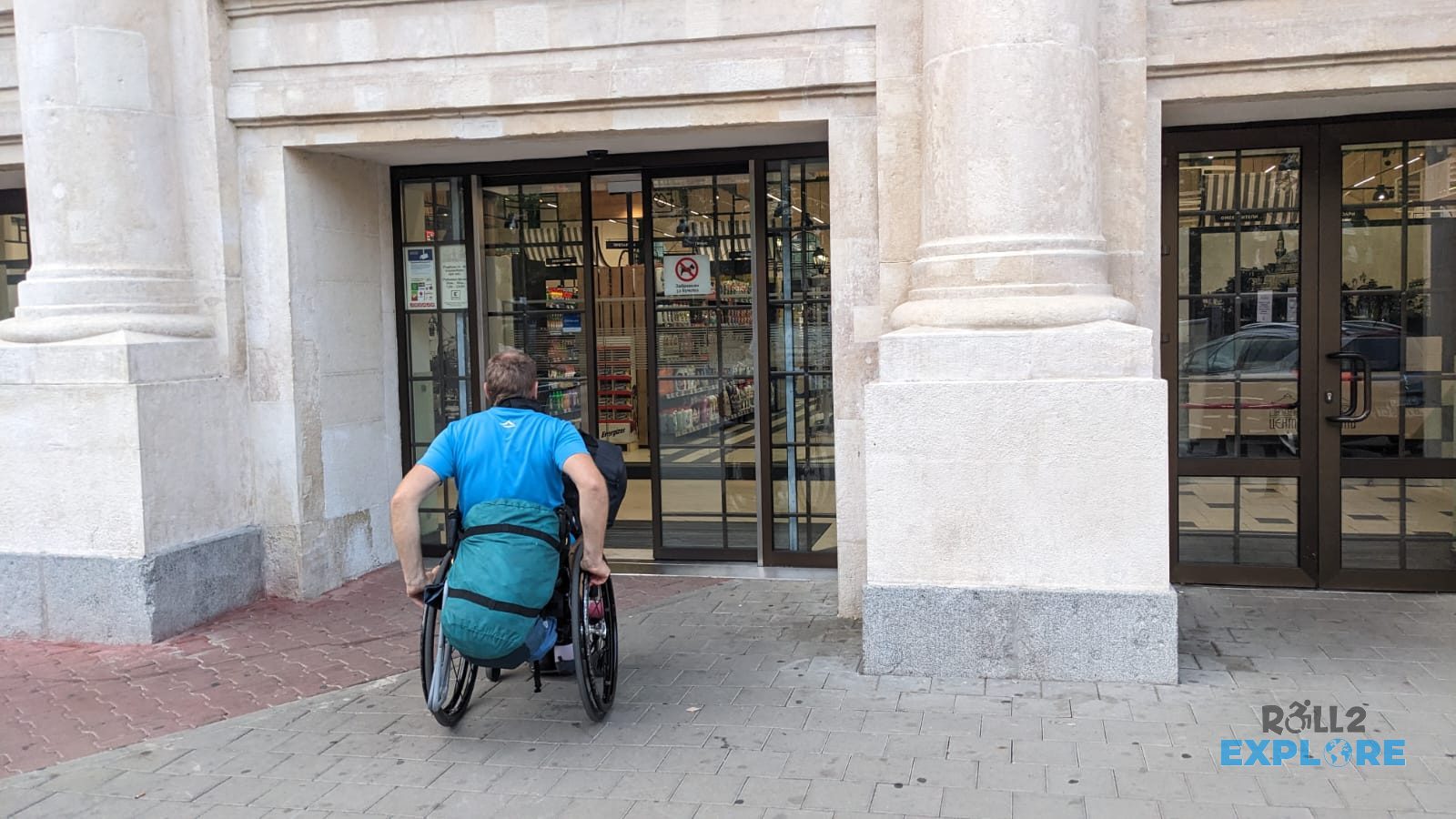
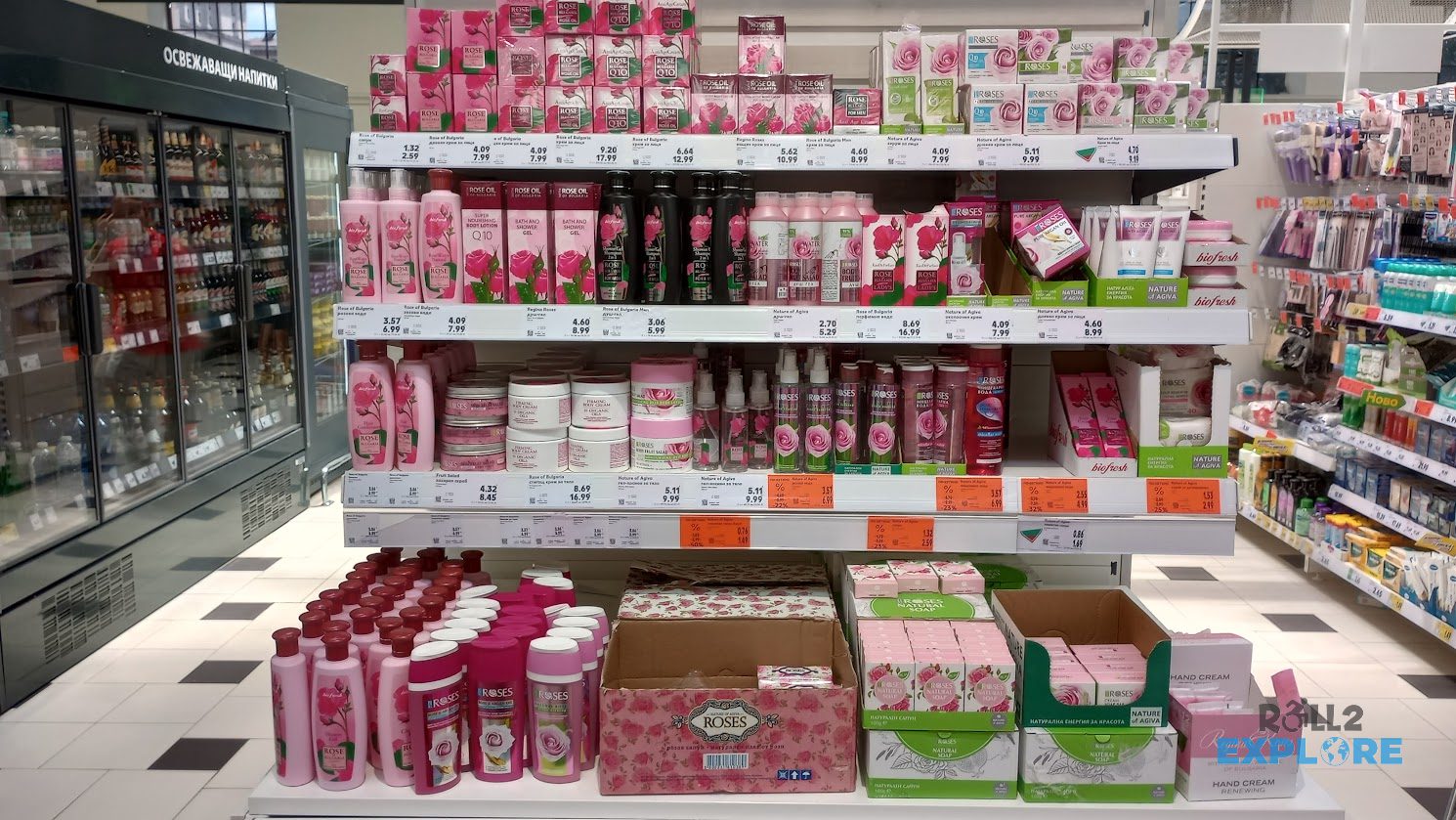
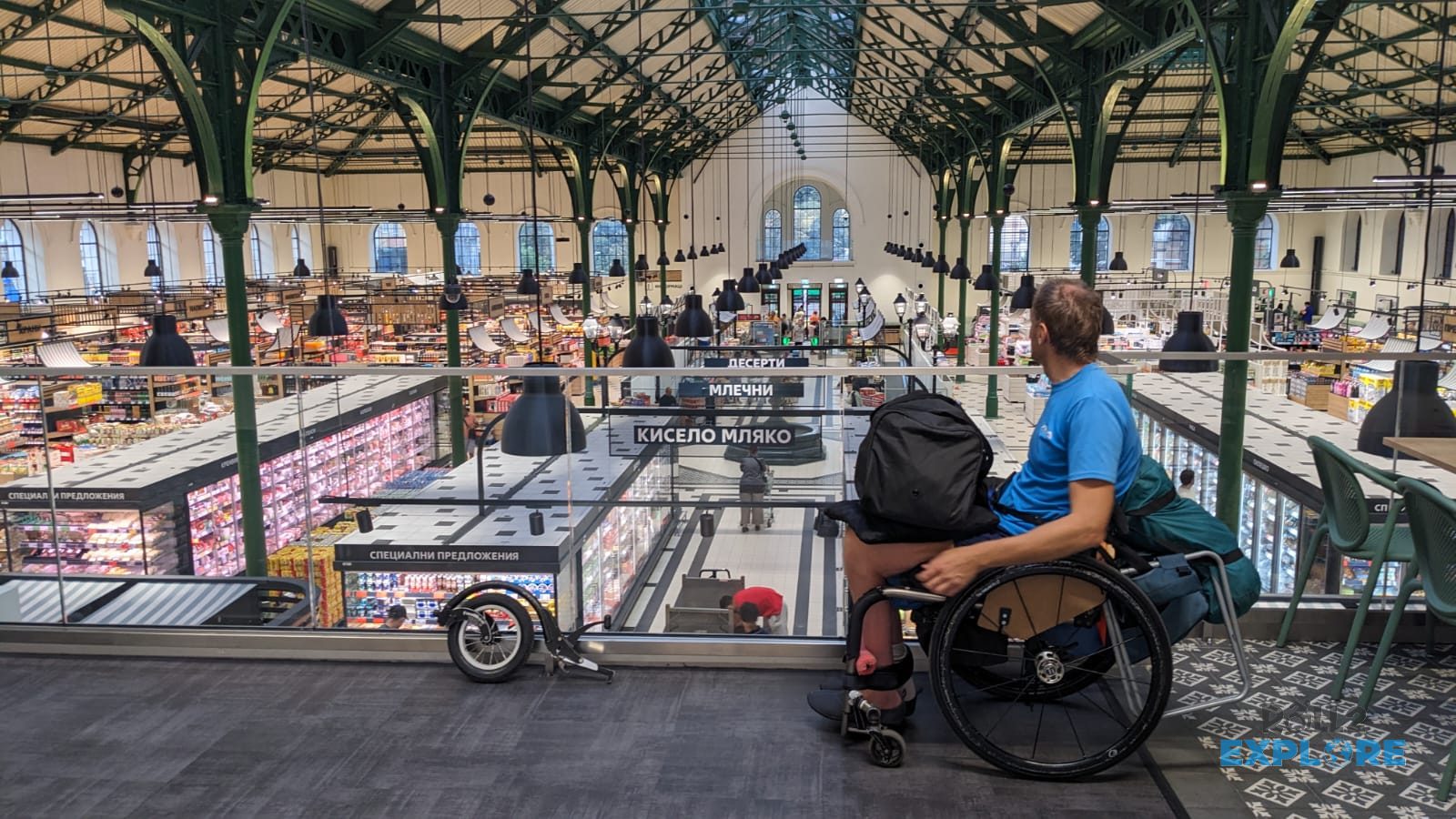
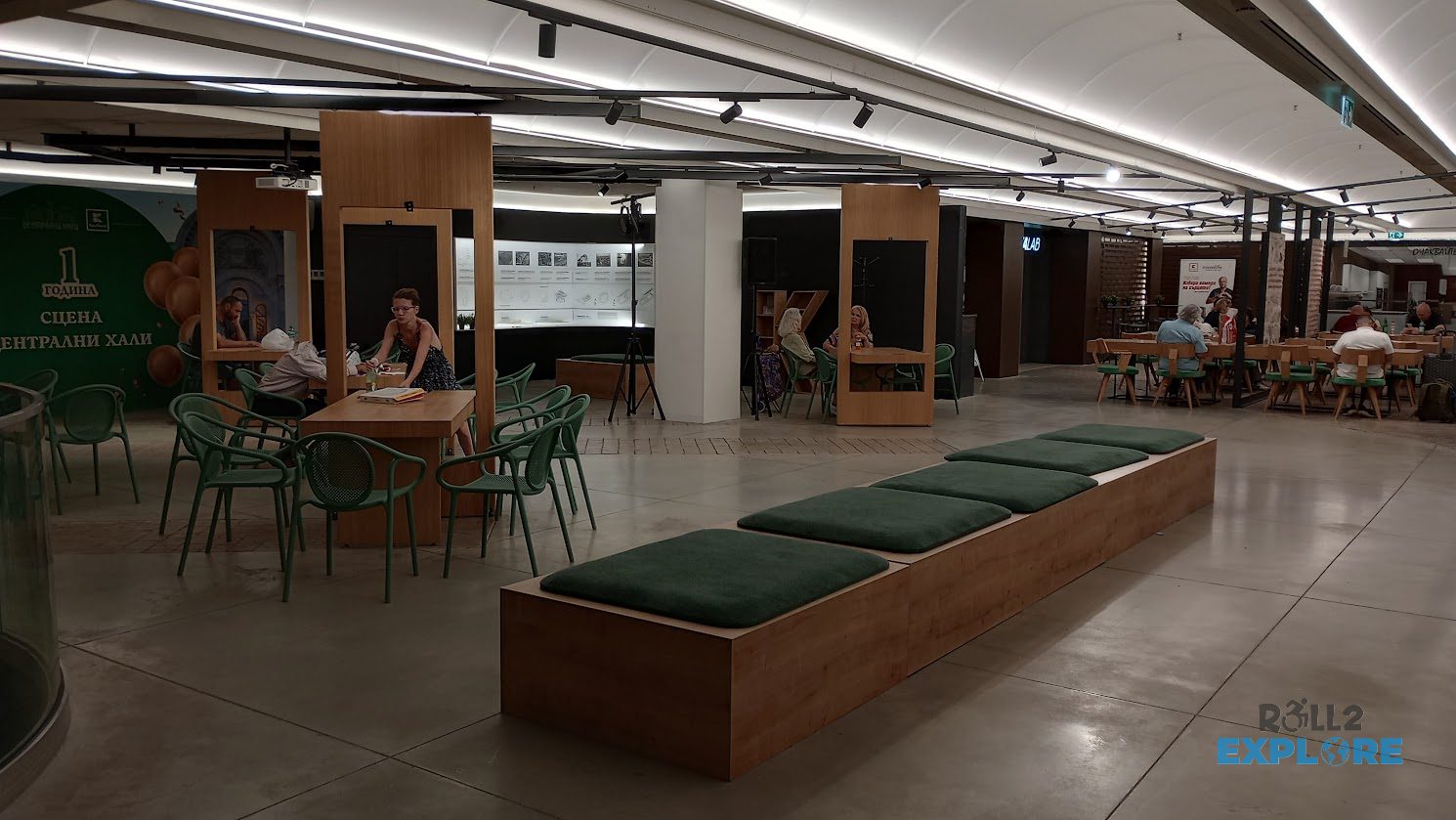
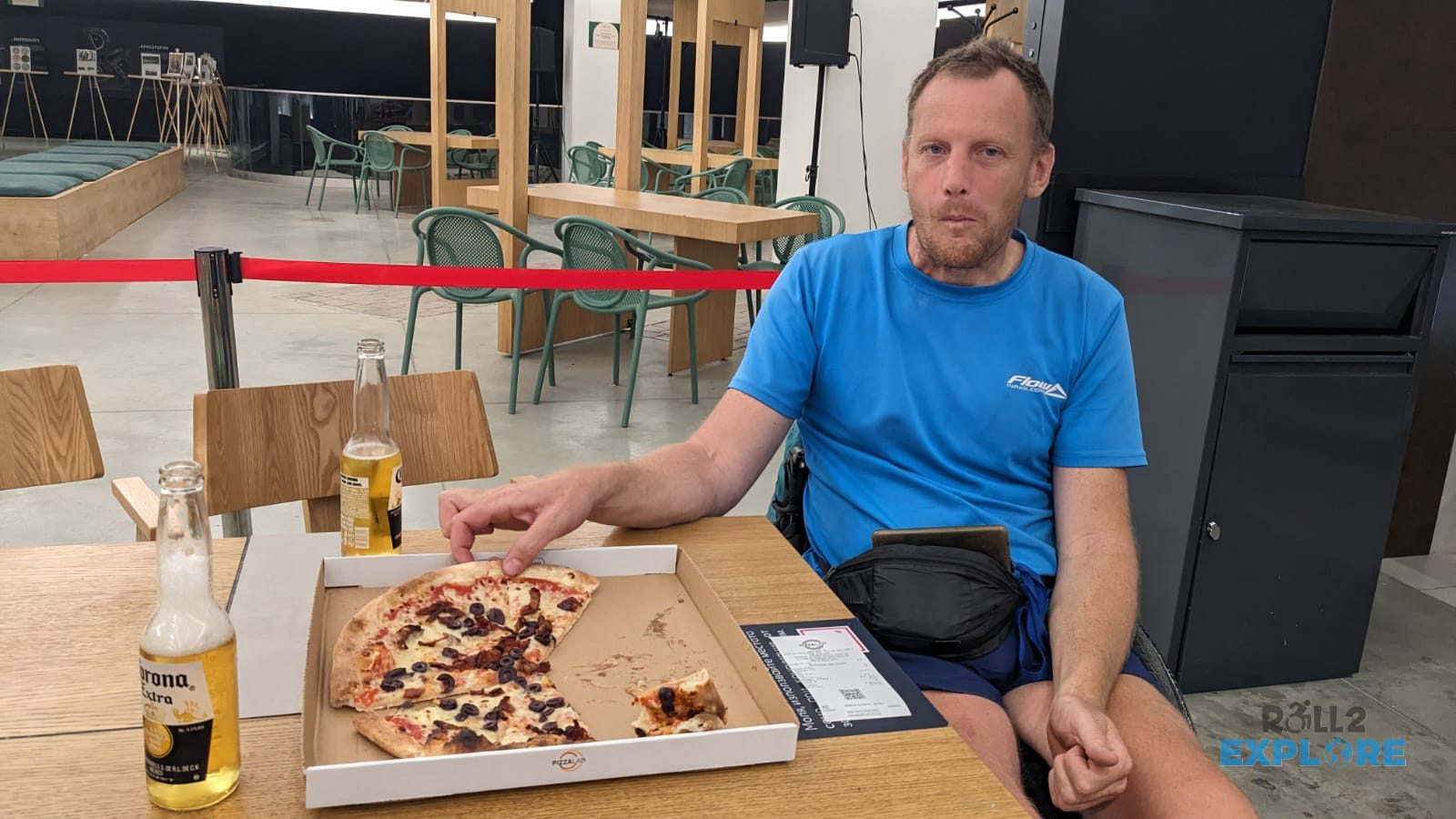
Don’t miss the Central Market Hall of Sofia — a unique mix of historical architecture and modern shopping. Inside this elegant 1911 building, you’ll now find a Kaufland supermarket, restaurants, and even exhibitions in the basement. It’s like shopping in a living museum — clean, beautiful, and bustling.
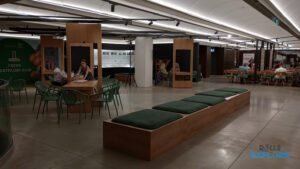
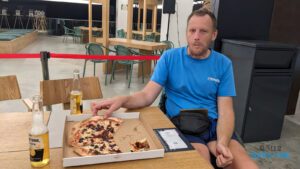
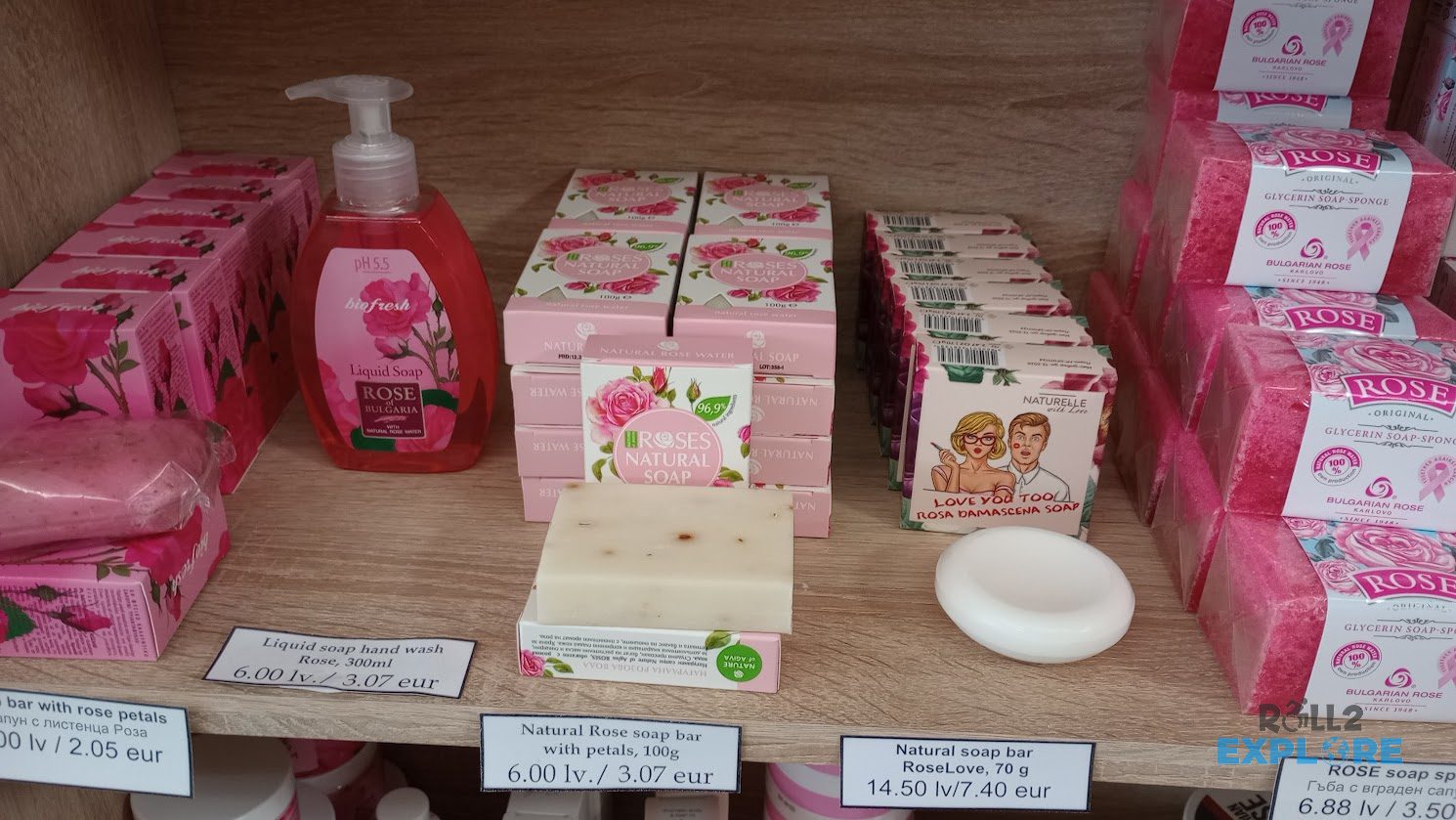
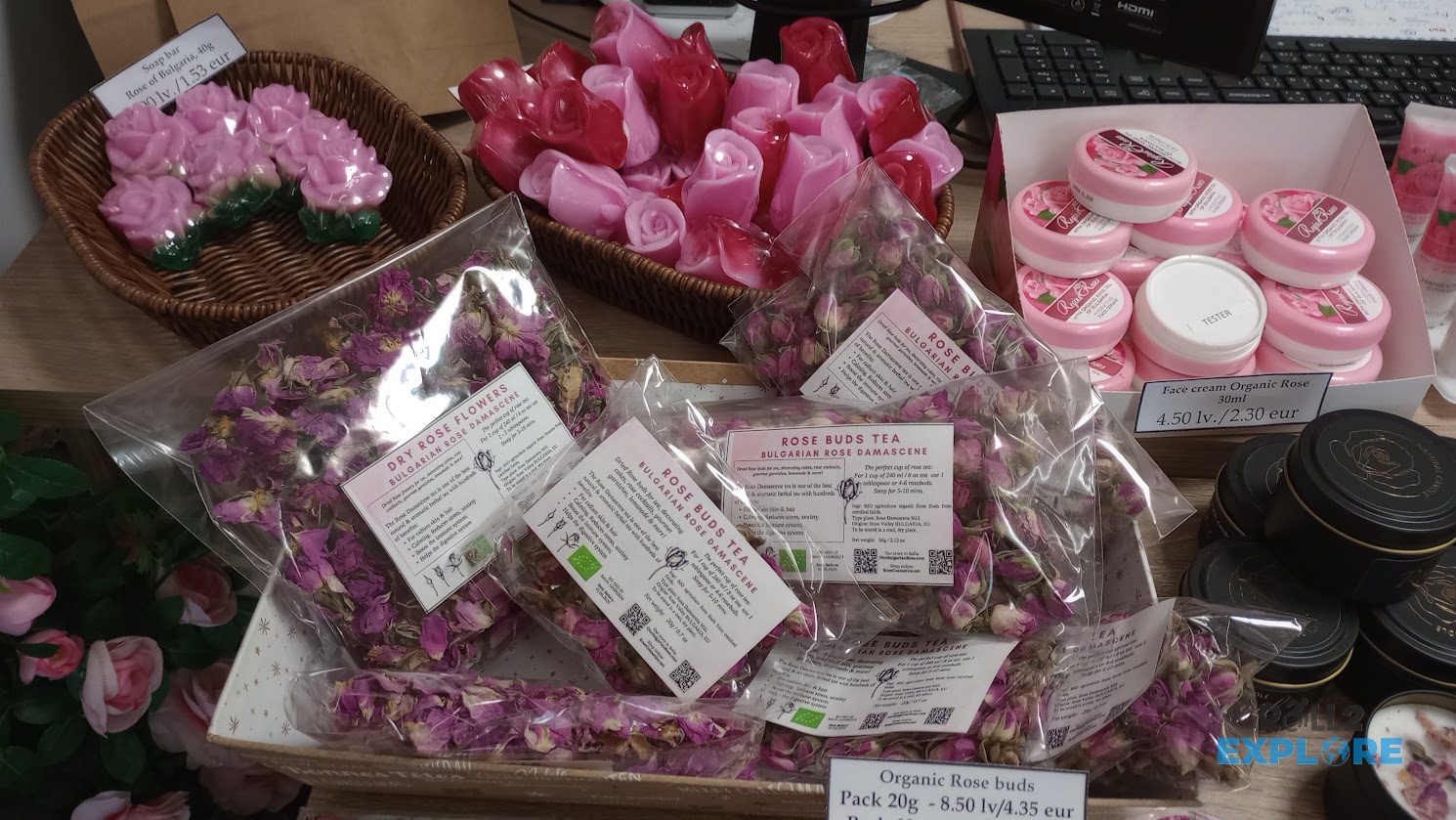
You can pick up cheap souvenirs at Kaufland, such as magnets, notebooks, cutting boards made in Bulgaria, along with plenty of rose products like soaps, oils, sweets, teas, and jams. If you need a break, head to the mezzanine or basement for a meal, or to explore one of the exhibitions. There’s also an accessible restroom in the basement, making it convenient for longer visits.
Visit the majestic Alexander Nevsky Cathedral
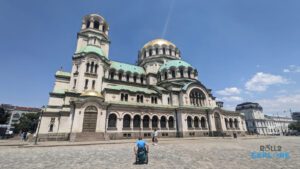
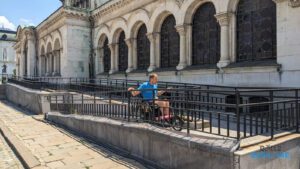
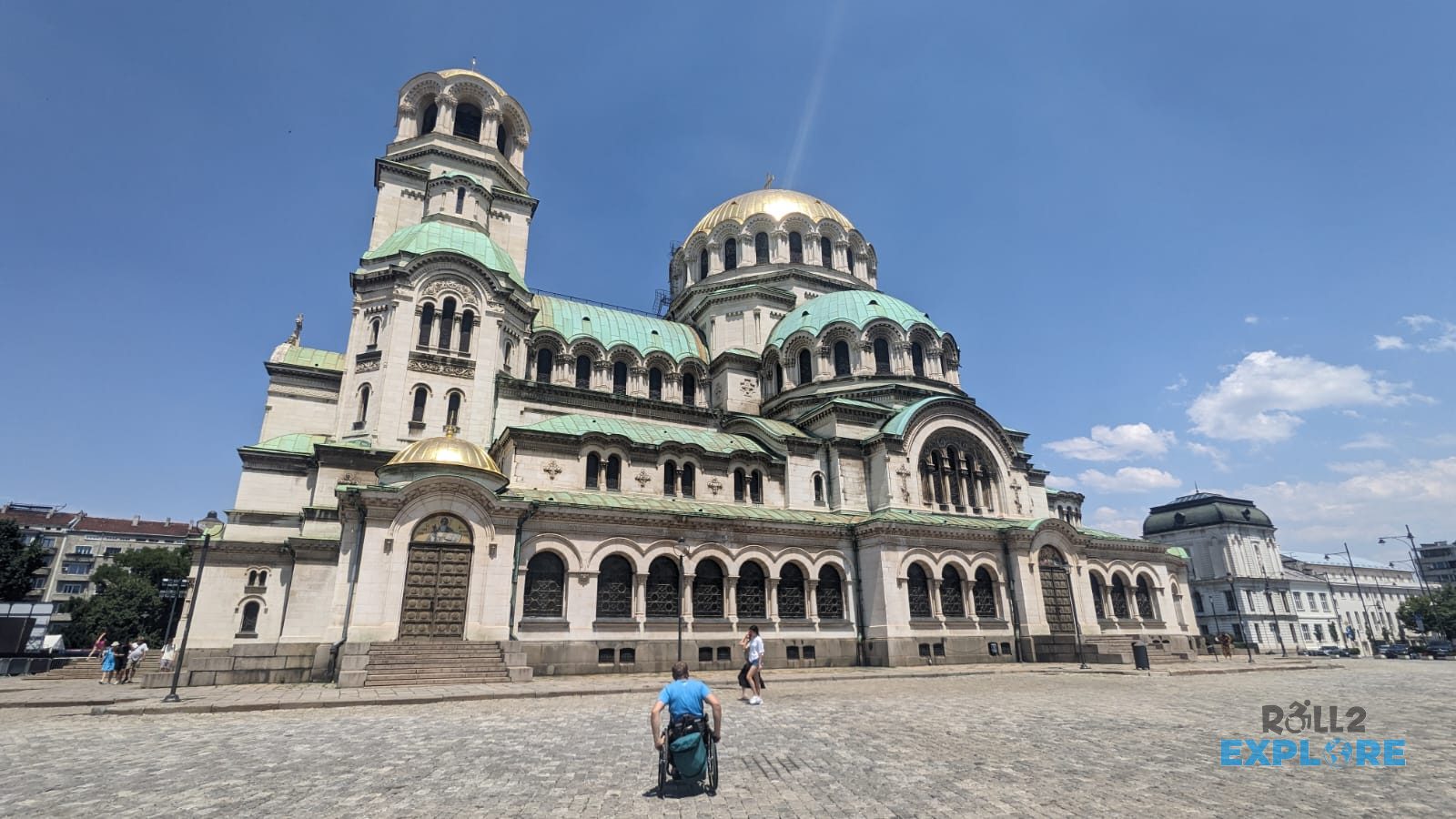
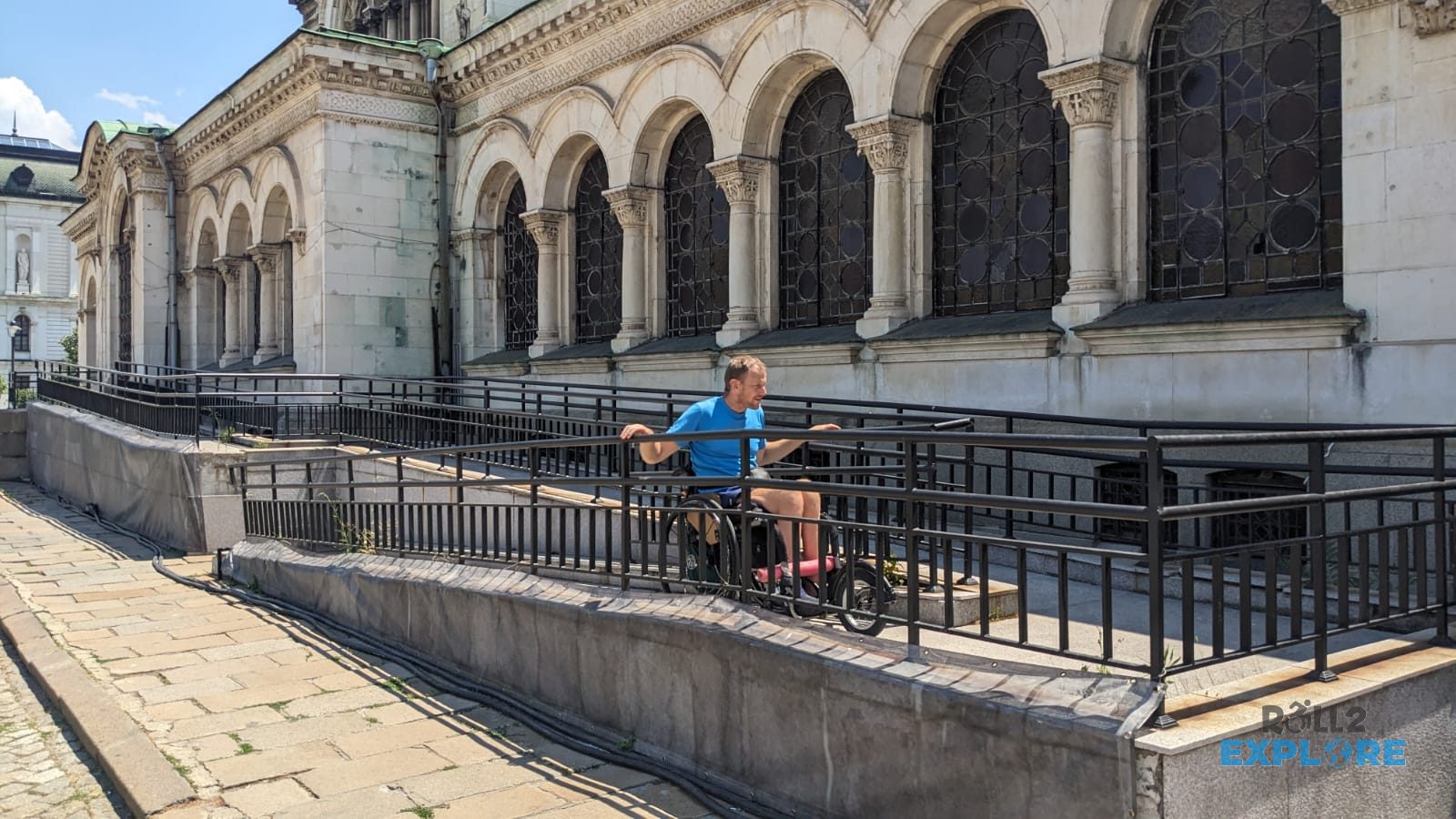
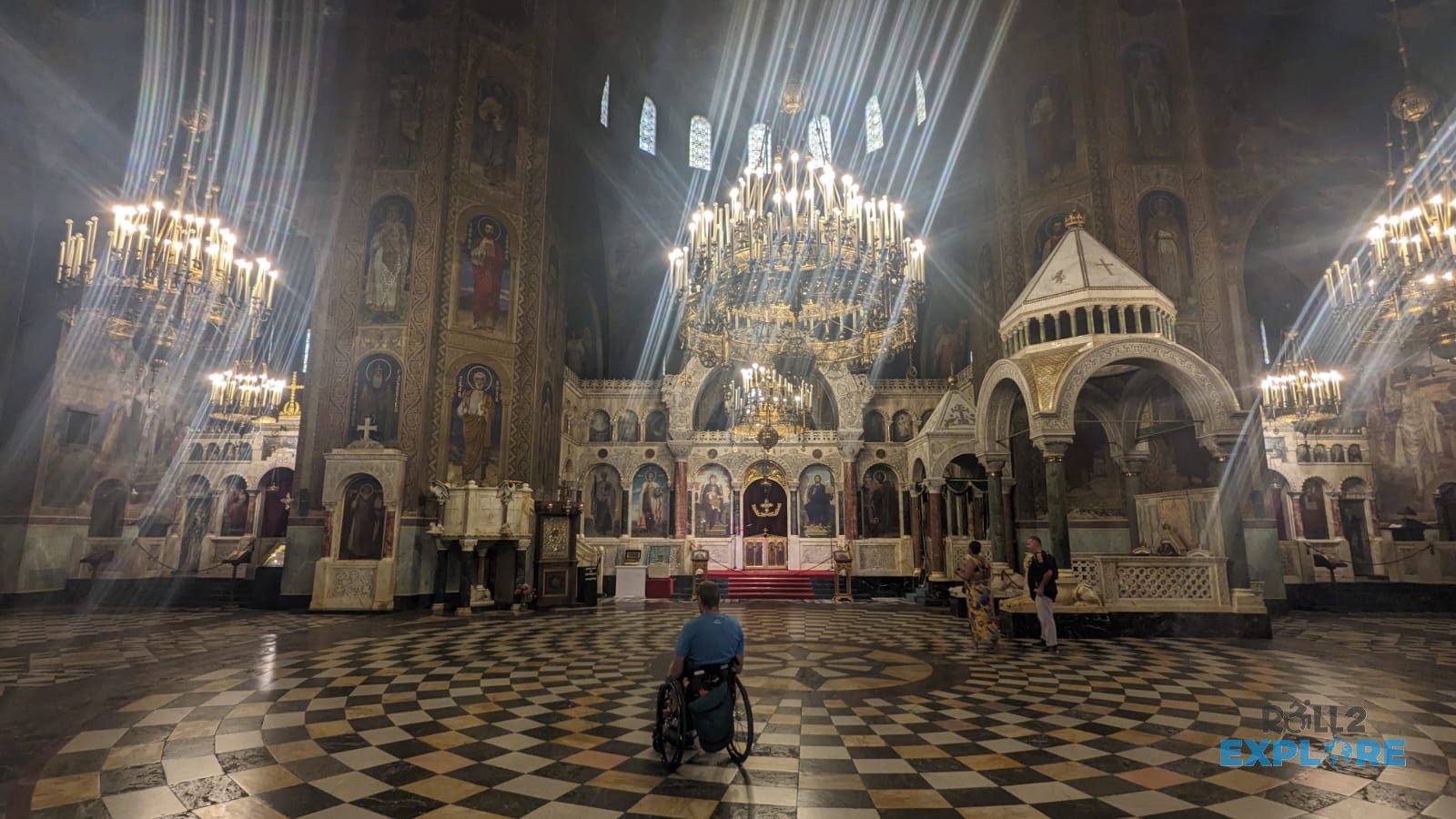
No trip to Sofia is complete without seeing the Patriarchal Cathedral St. Alexander Nevsky, the largest Orthodox temple on the Balkans. There’s a ramp at the side entrance on Oborishte Street, but usually these side doors are locked. Your companion will need to go inside and ask a priest to open them for you.
Once inside, marvel at the golden domes and intricate icons. It’s free to visit, though donations are appreciated.
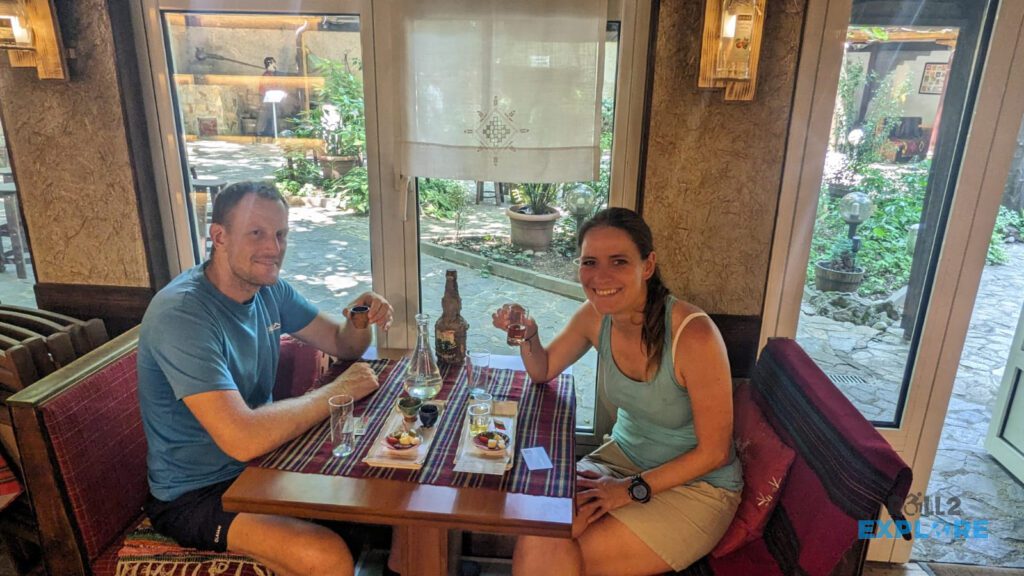
Try rakia at the Rakia Museum
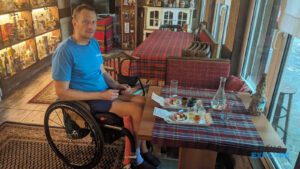
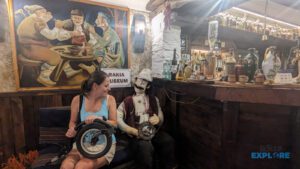
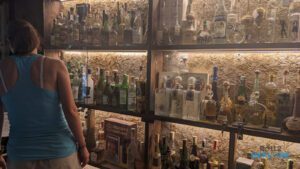
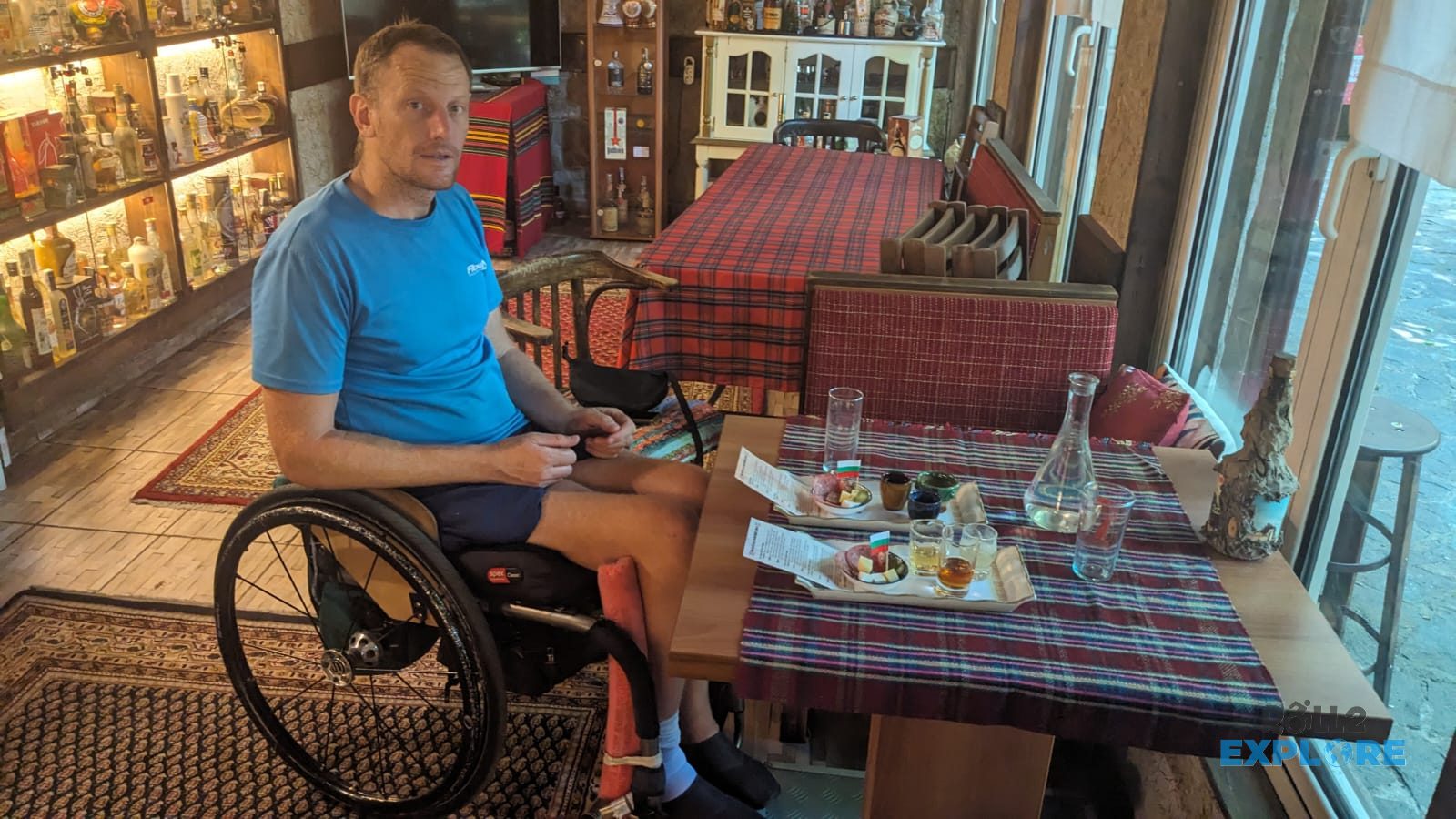
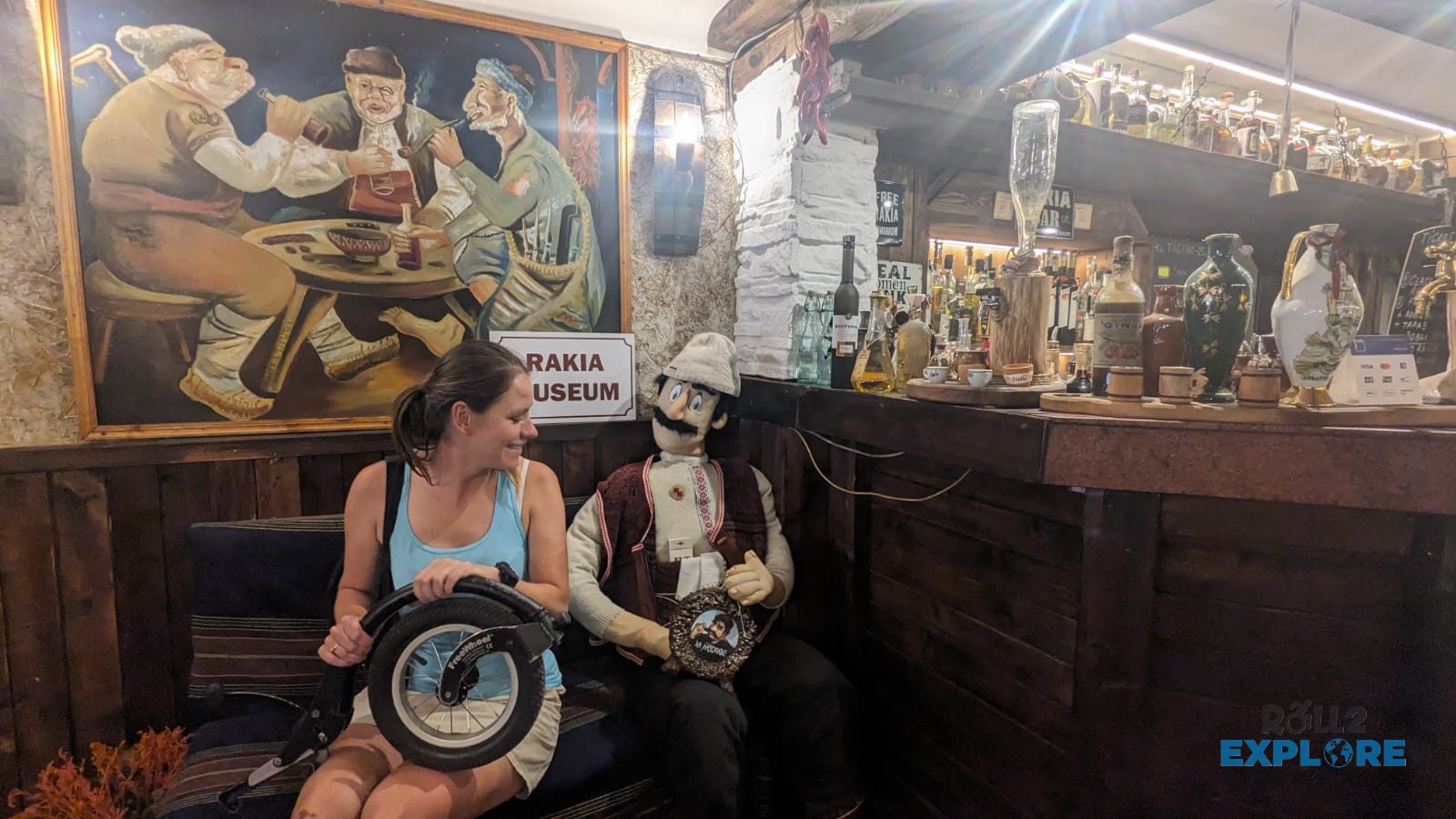
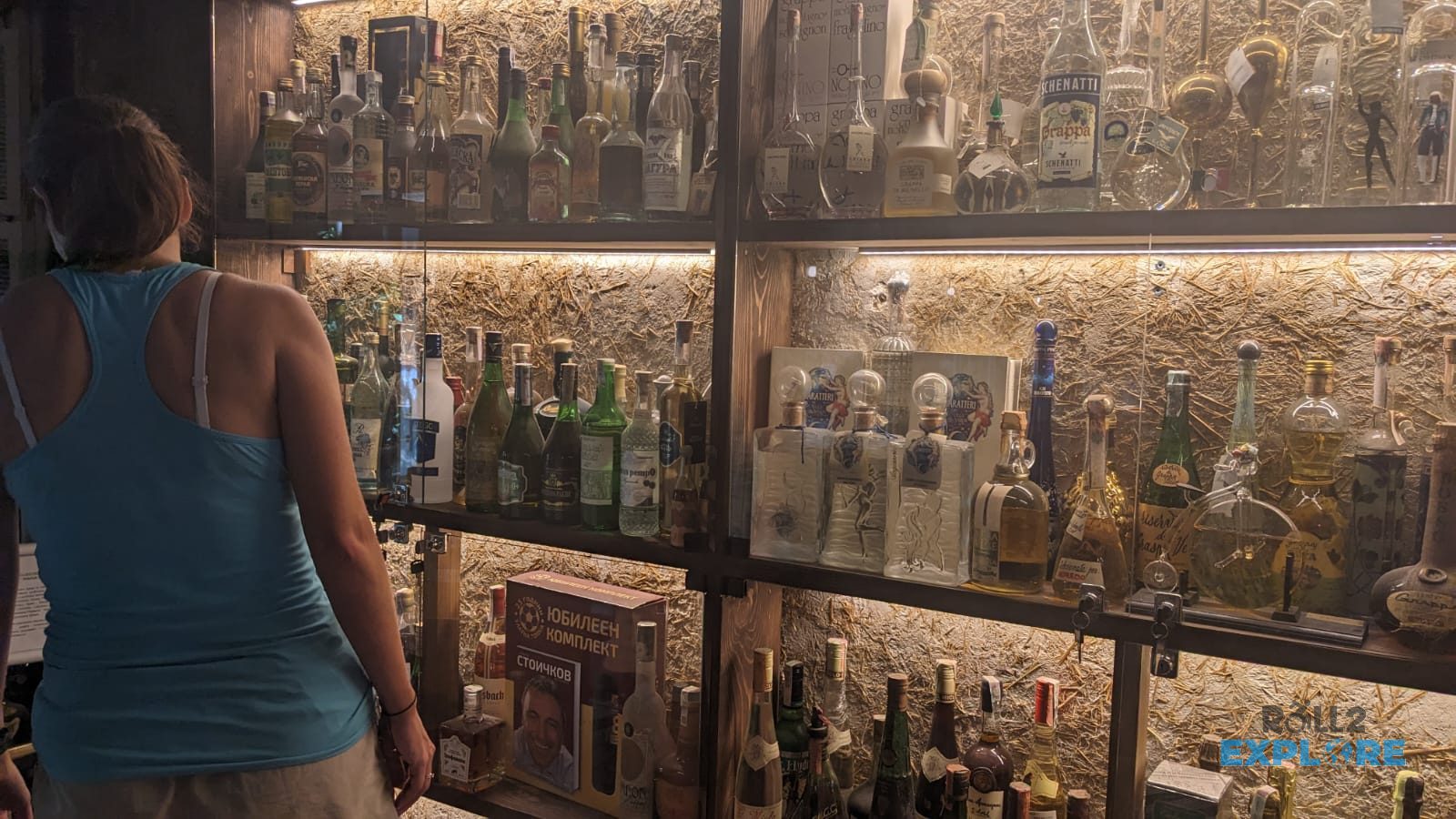
Rakia is Bulgaria’s famous (and very strong) fruit brandy, usually made from grapes or plums. The Rakia Museum in Sofia is a fun place to learn more. You’ll get an audio guide and taste three types of rakia — they have different tasting sets to choose from.
There’s a small threshold at the entrance, and accessible tables are at the back. Note there’s no accessible toilet here. But it’s a memorable stop to sample Bulgaria’s national drink.
Picnic in the park
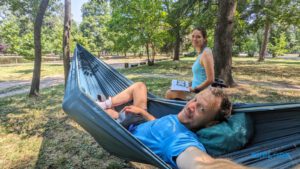
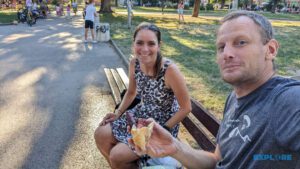
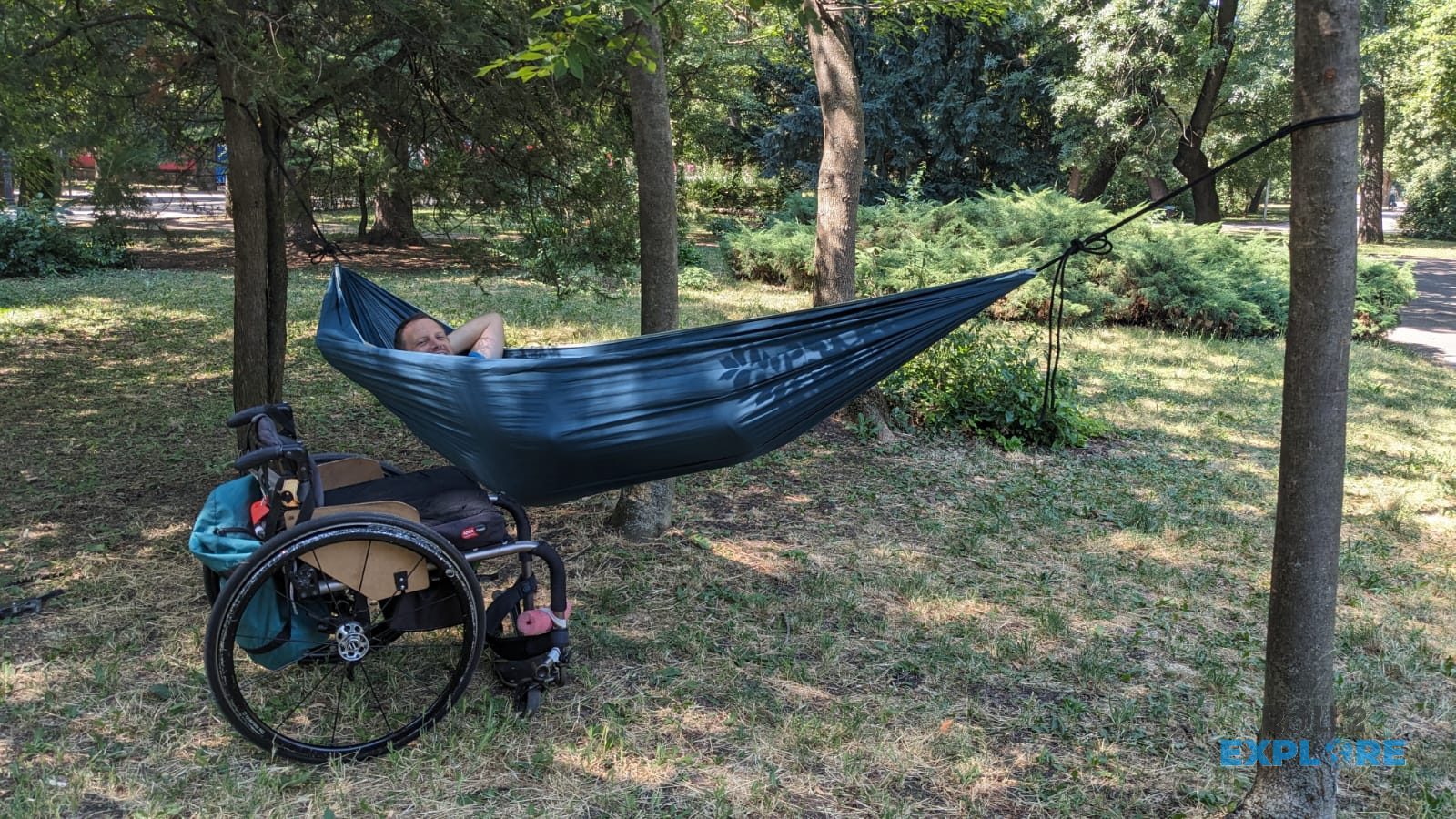
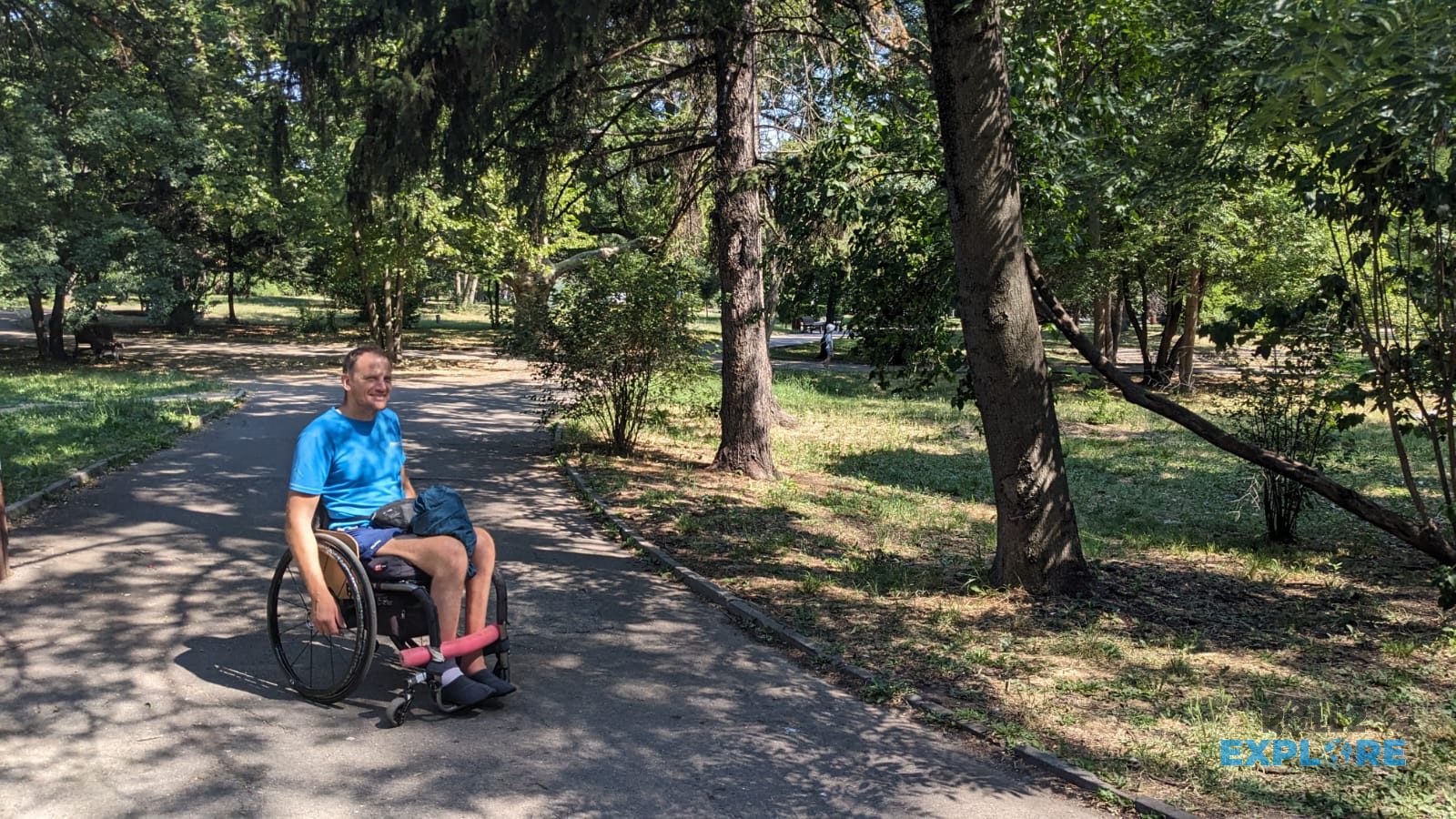
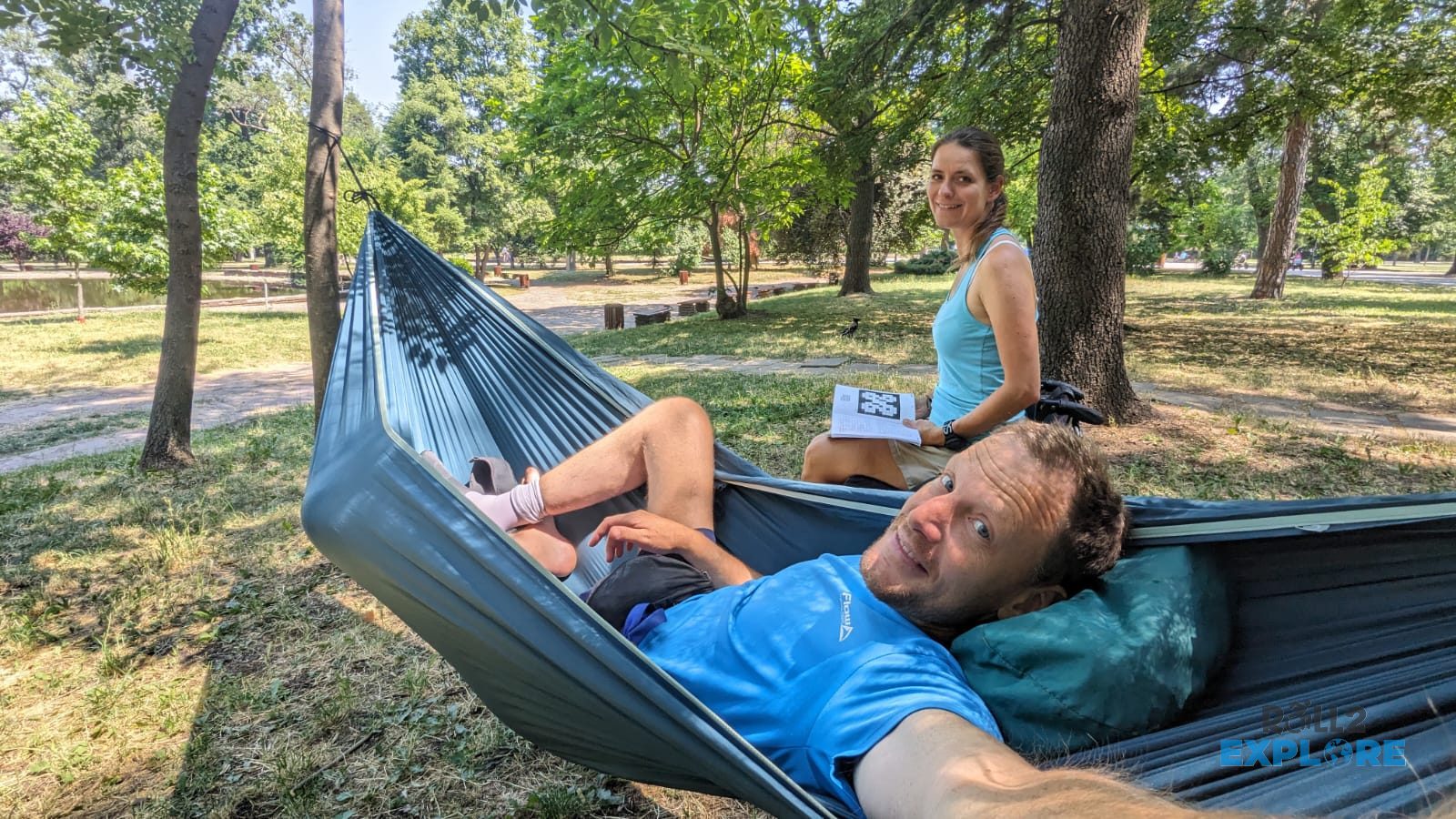
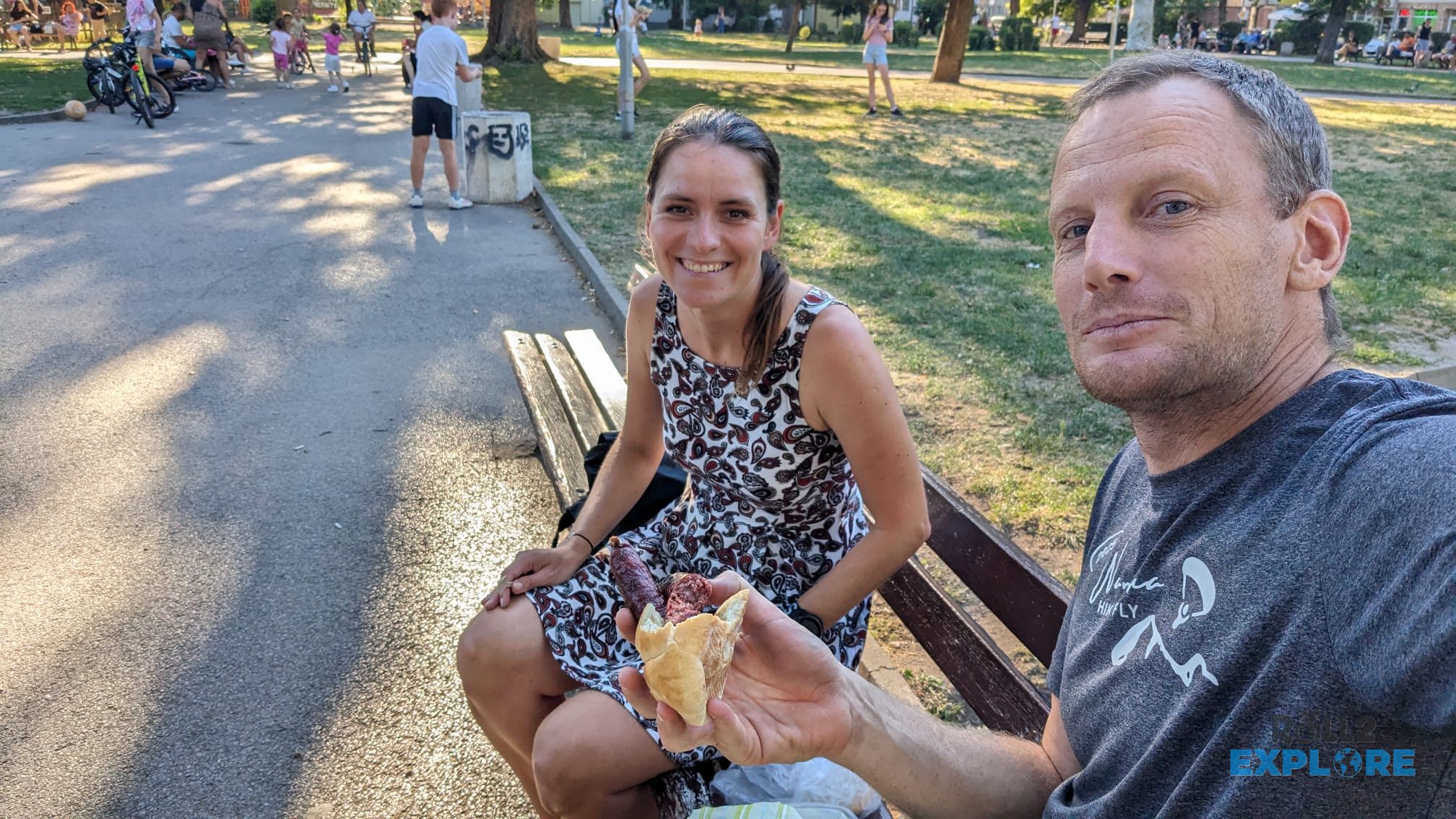
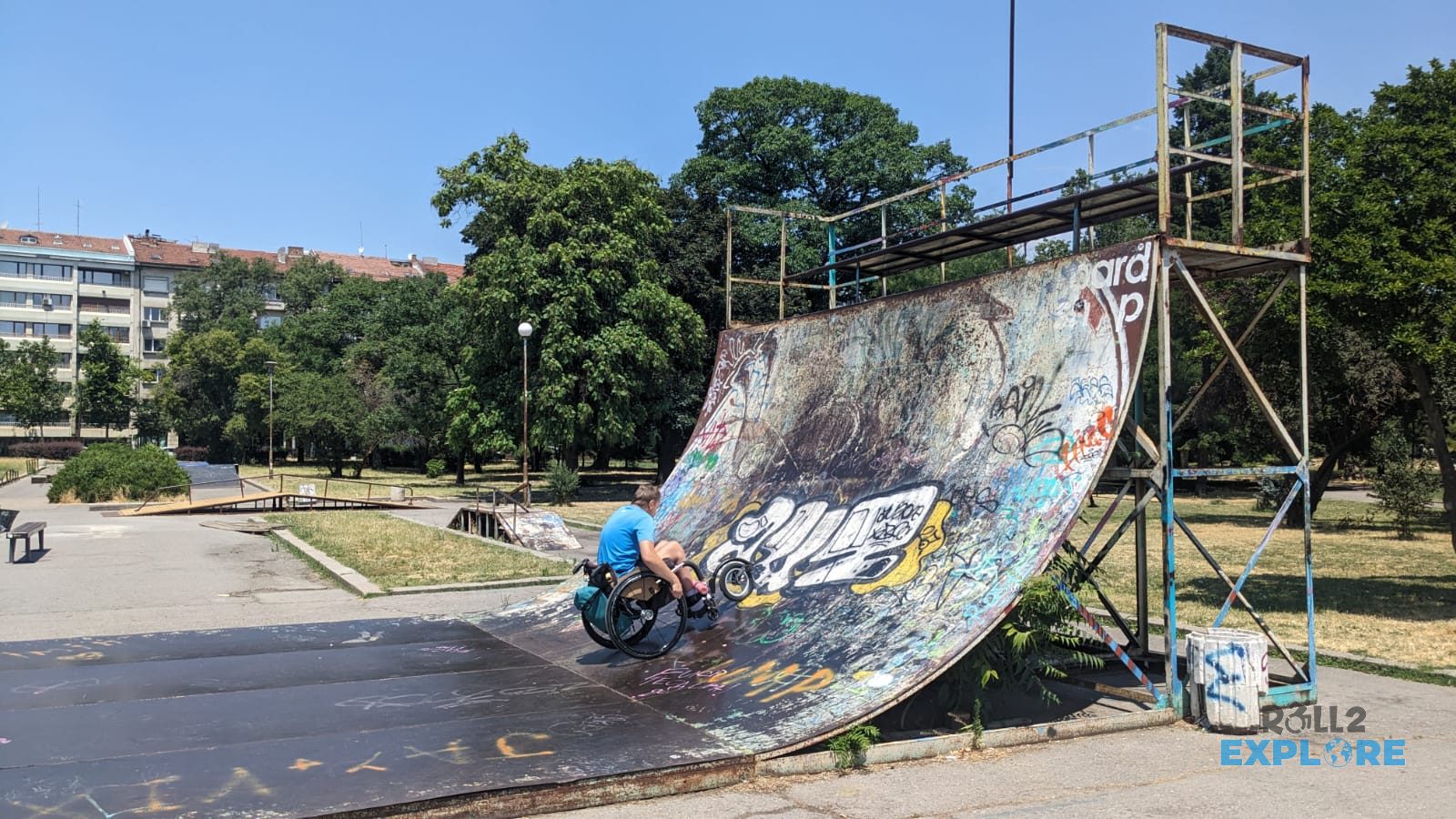
Sofia is full of leafy parks perfect for a relaxed afternoon. Head to Park Borisova Gradina (the city’s largest and oldest park) or Park “St. Nikola” for a picnic.
You can grab cheap ready meals, pastries or fresh salads at supermarkets like Billa or Kaufland, and enjoy them under the trees. Watching locals play chess or walk their dogs is a simple way to soak up Sofia’s easy-going atmosphere.
Escape to Vitosha Mountain
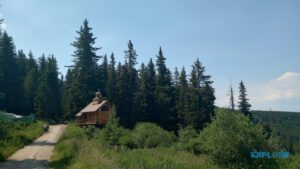
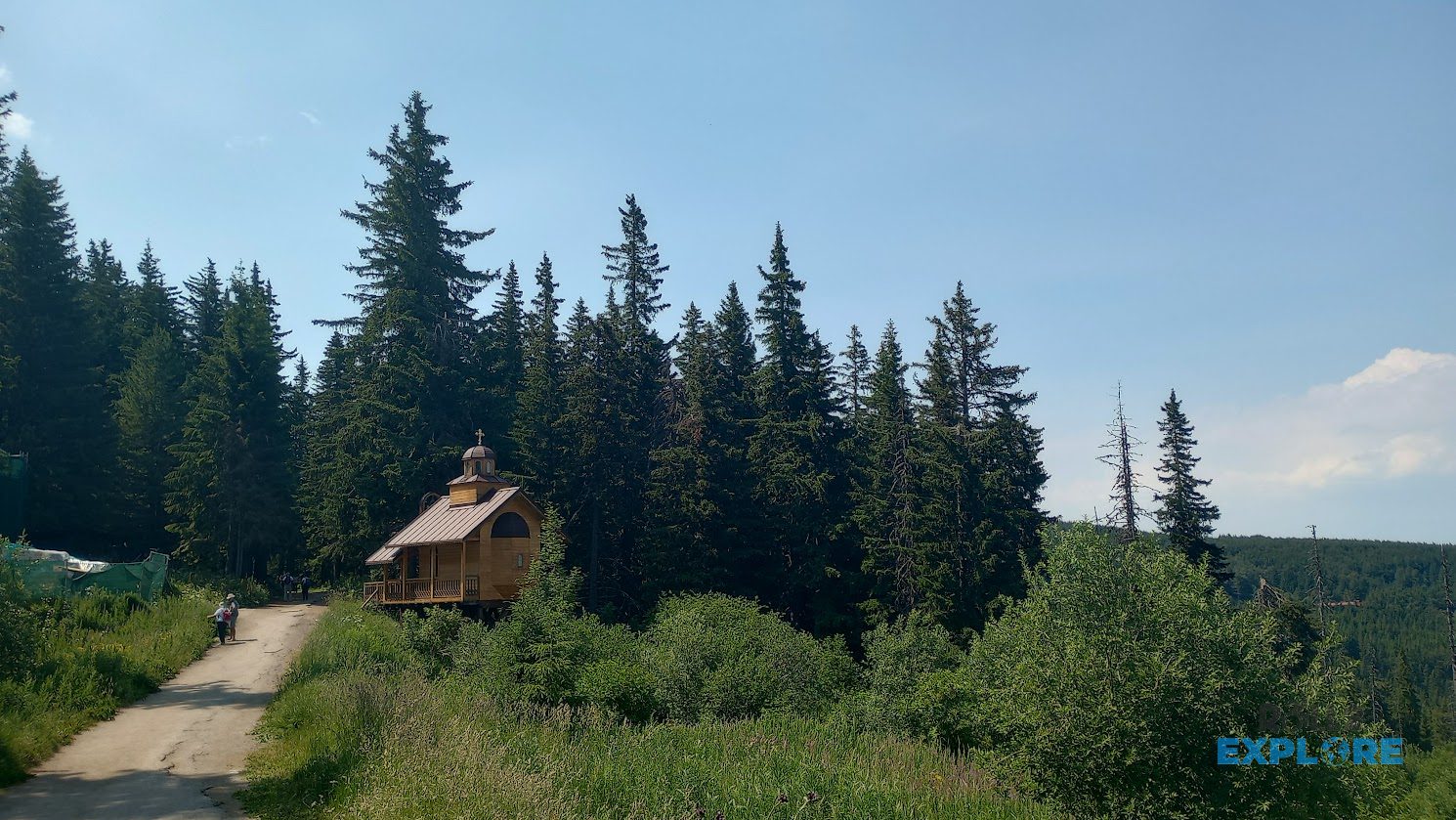
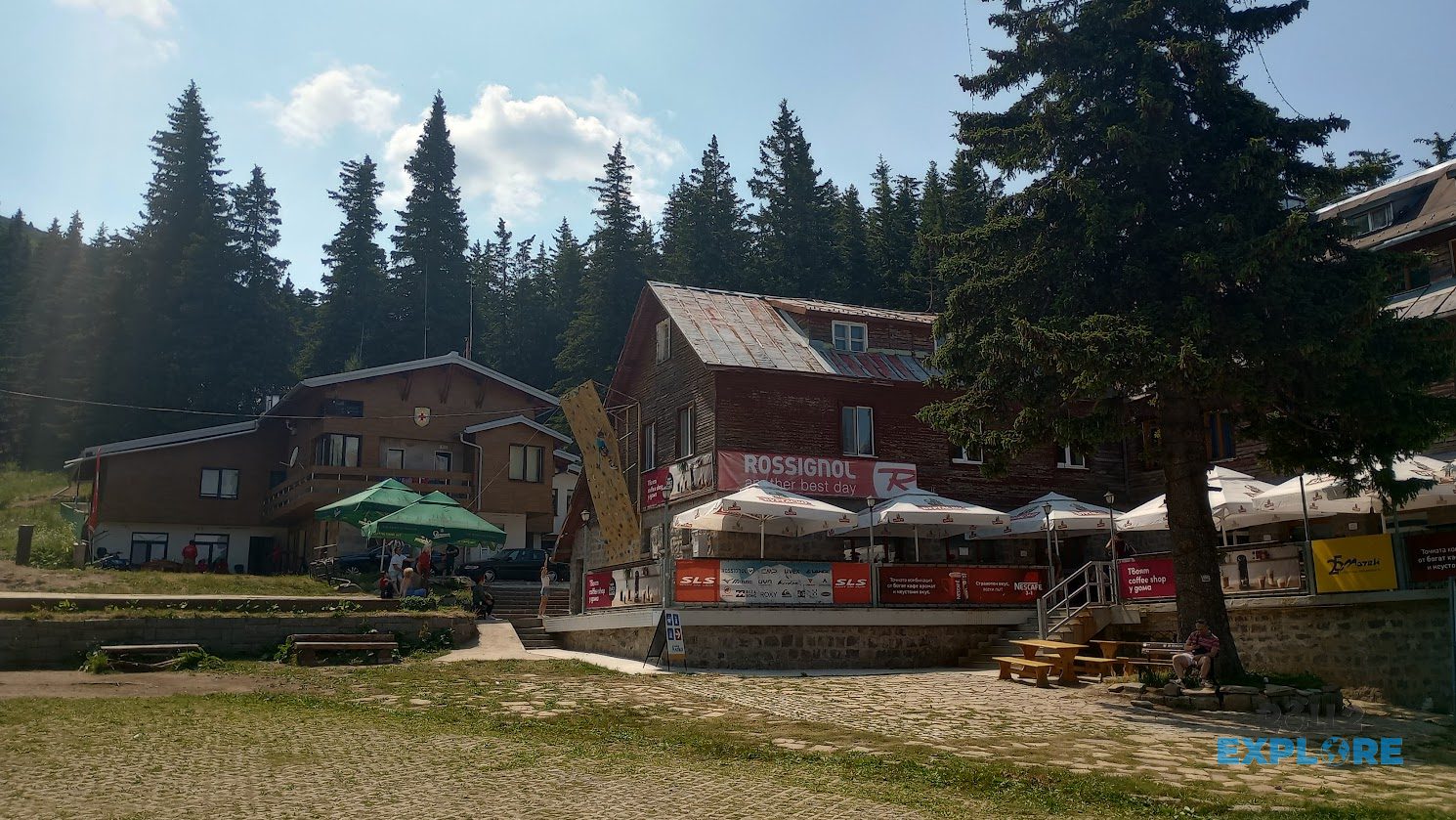
When the city gets hot, locals head up Vitosha Mountain, which towers over Sofia. We recommend going to Aleko Hut (1800 m a.s.l.), where it’s noticeably cooler.
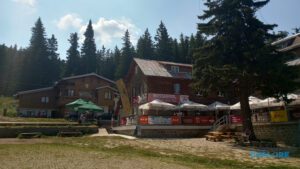
Bus 66 goes there, but it’s a coach-style bus without a ramp. If your wheelchair is light and you have companions, they can lift it on board — there’s space to stay in the wheelchair on the bus, and drivers plus other passengers are generally helpful. Once at Aleko, you can grab a drink at one of the beer gardens or eat on the terrace of the hut (there’s a ramp but it’s steep, so assistance is needed, and there’s no handrail).
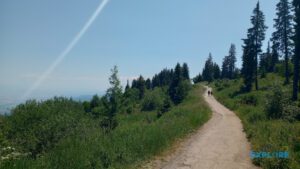
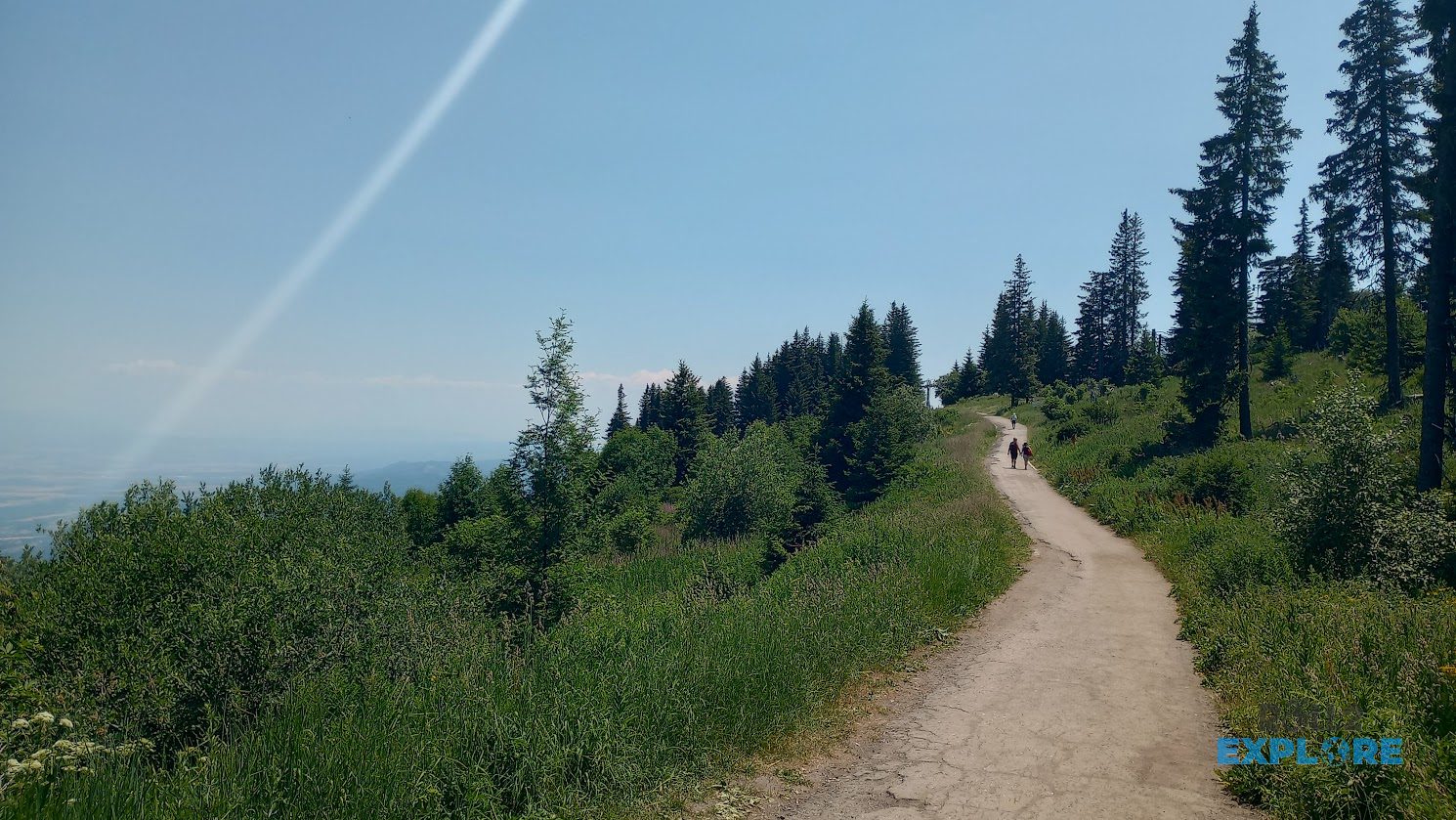
You can also roll a few hundred meters on an old, slightly damaged asphalt road. It’s mostly flat and offers stunning mountain views.
Discover roses at a local shop
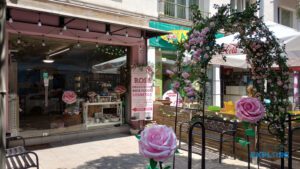
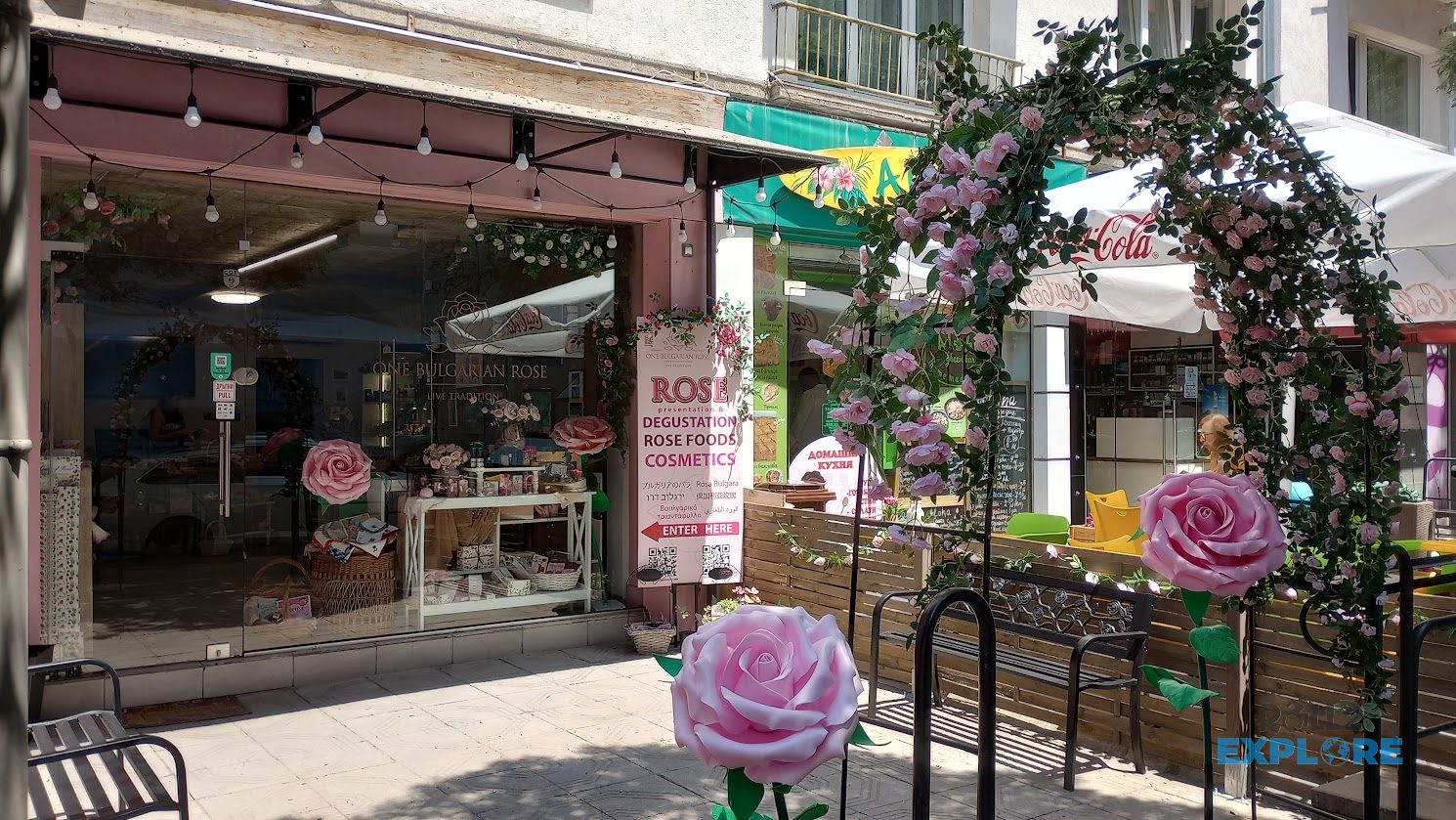
Want a taste of Bulgaria’s most luxurious product? Try the Rose Degustation Experience, run by a family business in the city. There’s a small step at the entrance (your companion may need to help), and the door might be too narrow due to a cabinet inside. If you let them know you’re coming with a wheelchair, they’ll move it in advance.
You’ll learn about the unique Damask rose, smell rose oil in all its forms, sip rose tea or soft drinks, and taste rose delights. Even just chatting with the owners was a rich experience for us.
Where to stay: EasyHotel Sofia
Looking for budget-friendly, wheelchair-accessible accommodation? EasyHotel Sofia offers a fully adapted double room for guests with disabilities. It has a roll-in shower and toilet with grab rails. There’s also an elevator in the building. It’s a simple, no-frills place but perfect if you’re traveling on a budget.
🌍 Share your story!
Have you explored Sofia in a wheelchair or with any other access needs? Tell us about your experiences! Your insights help others plan their trips better.
Also, if you’re curious how accessible Thessaloniki is, check out our detailed post on exploring Greece’s second city.
Pingback: Getting Around Sofia in a Wheelchair: A Guide to Accessible Transportation - roll2explore.com