
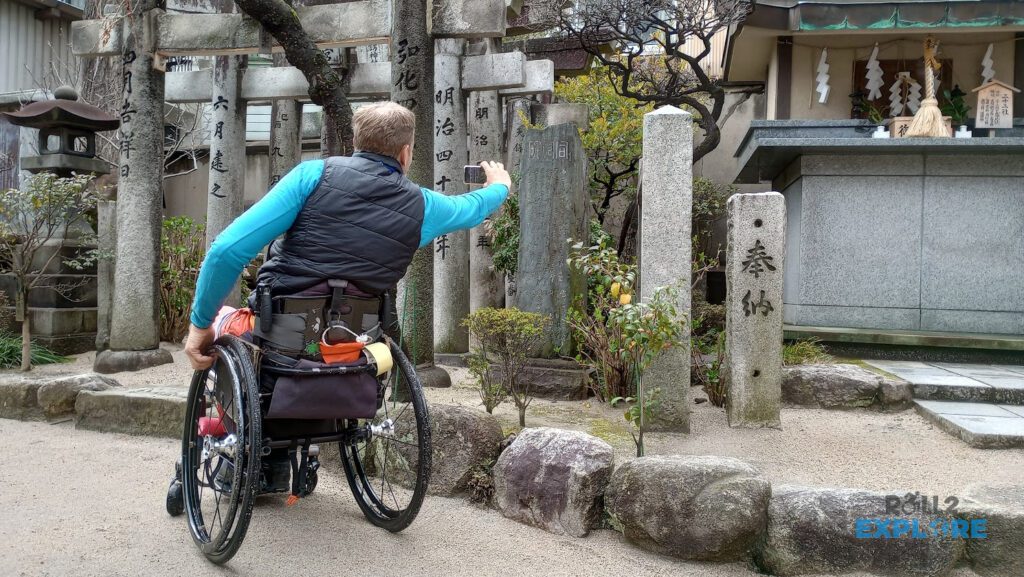
Japan’s Wheelchair Accessibility Rating
(♿ = 1 point, max 10 per category)
1. Public Transportation Accessibility
Score: ♿♿♿♿♿♿♿♿ (8/10)
- Strengths:
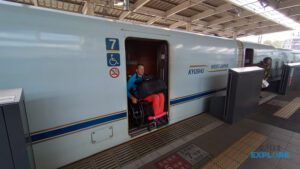
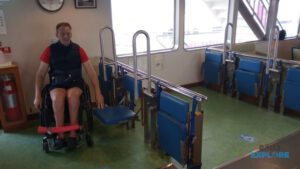
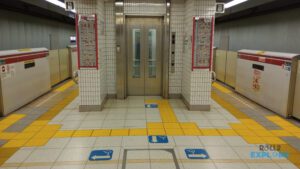
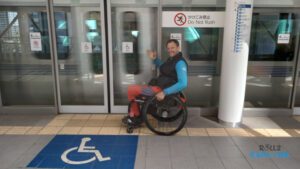
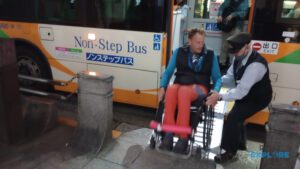
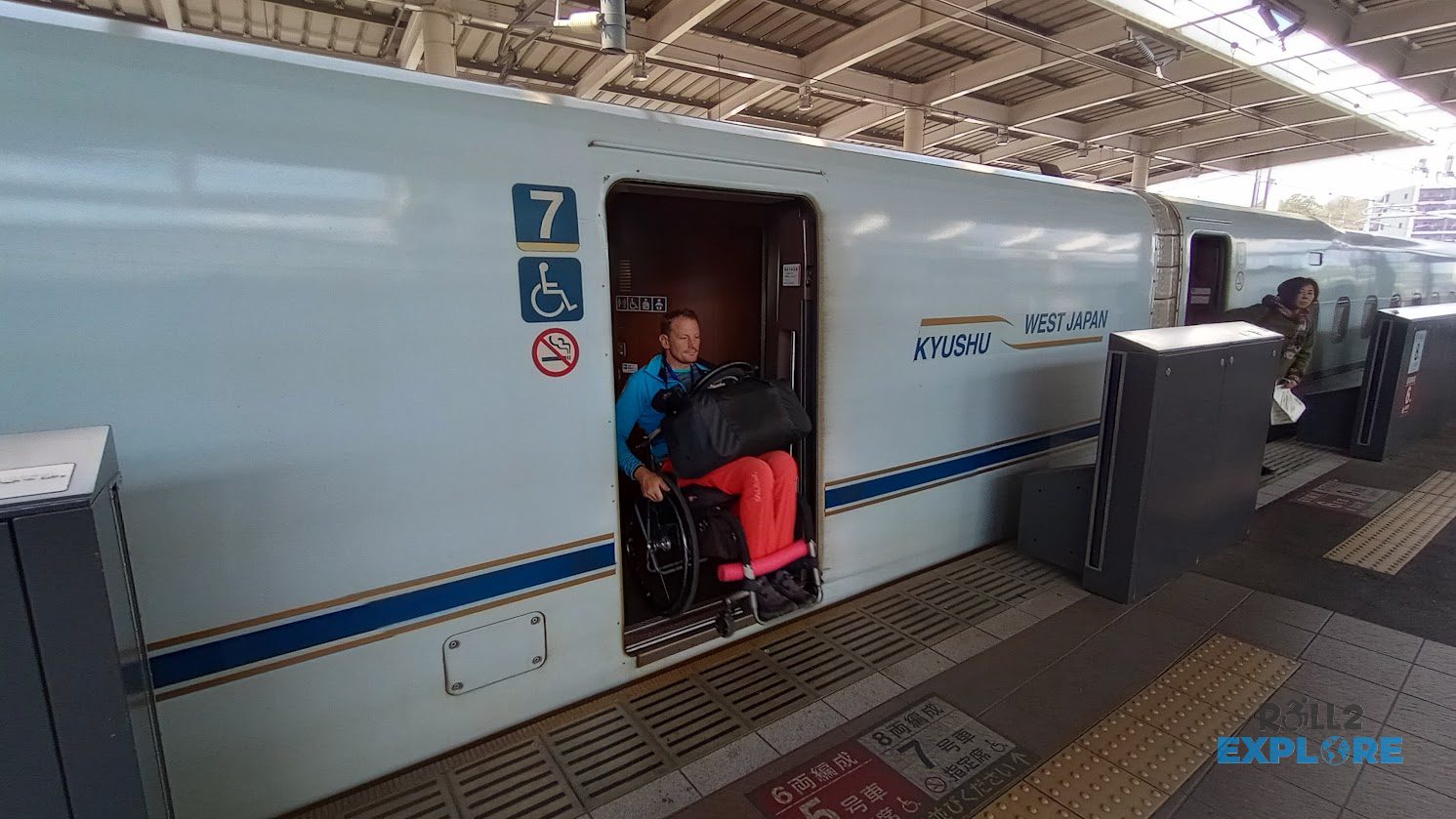
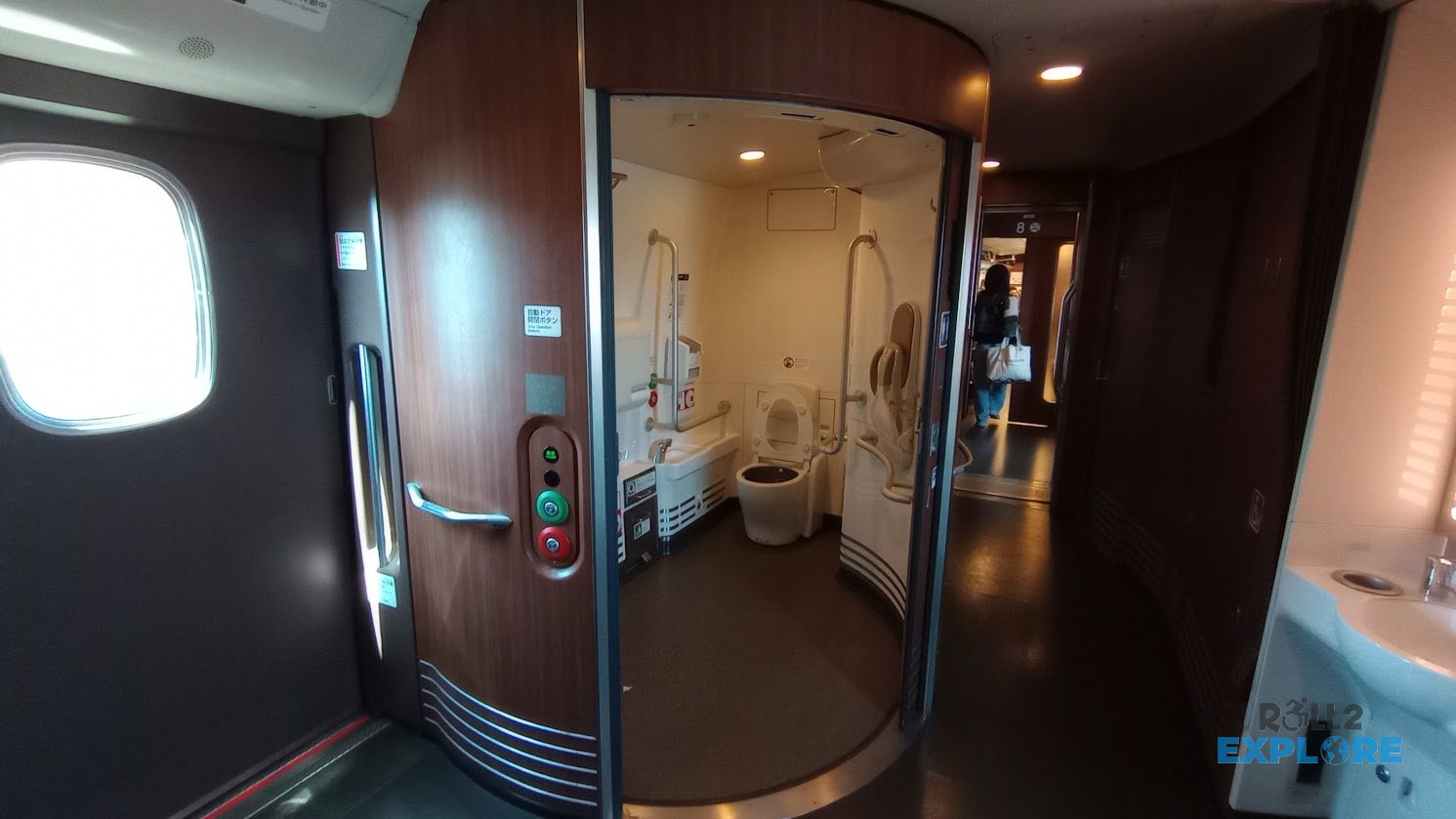
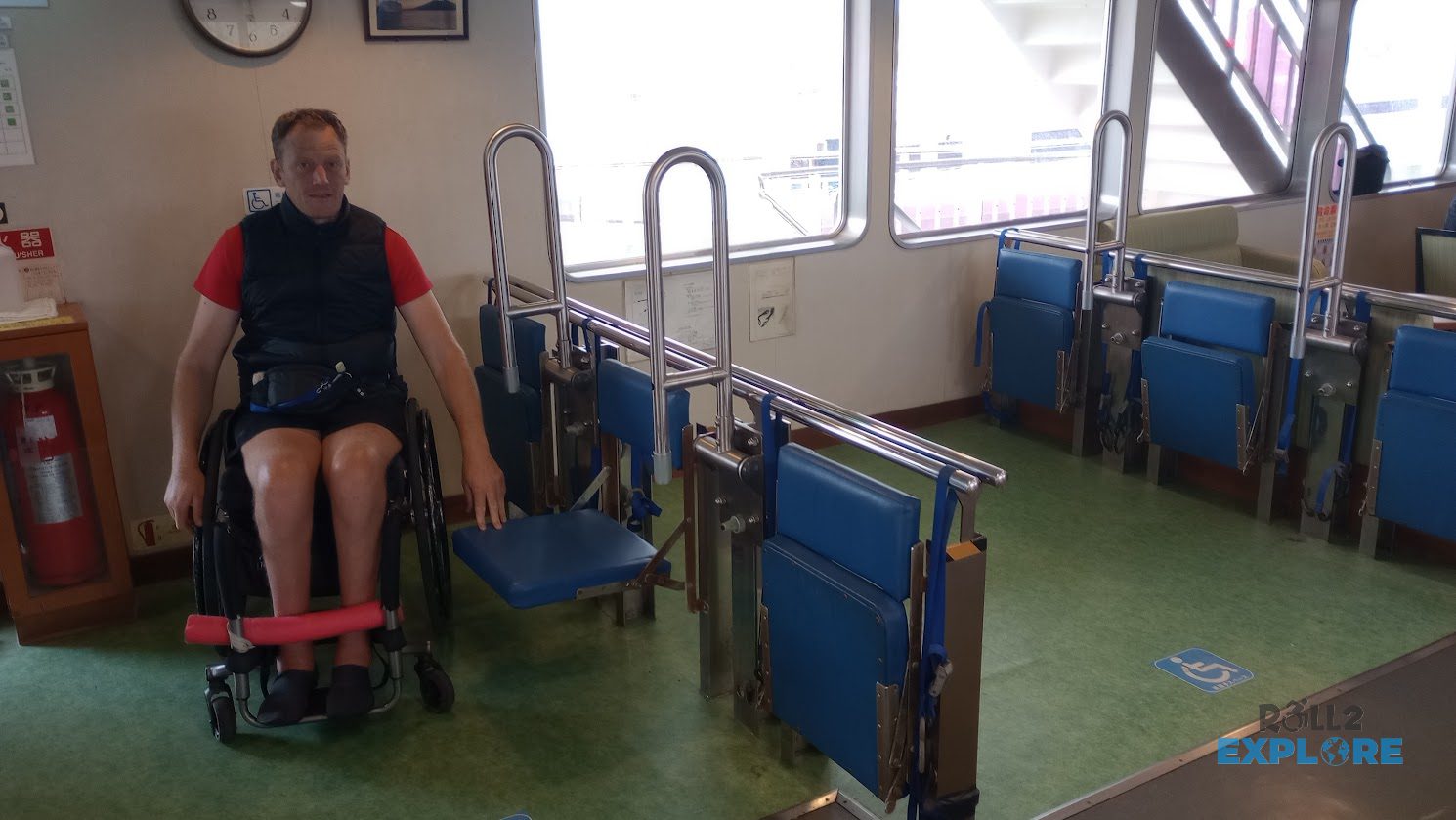
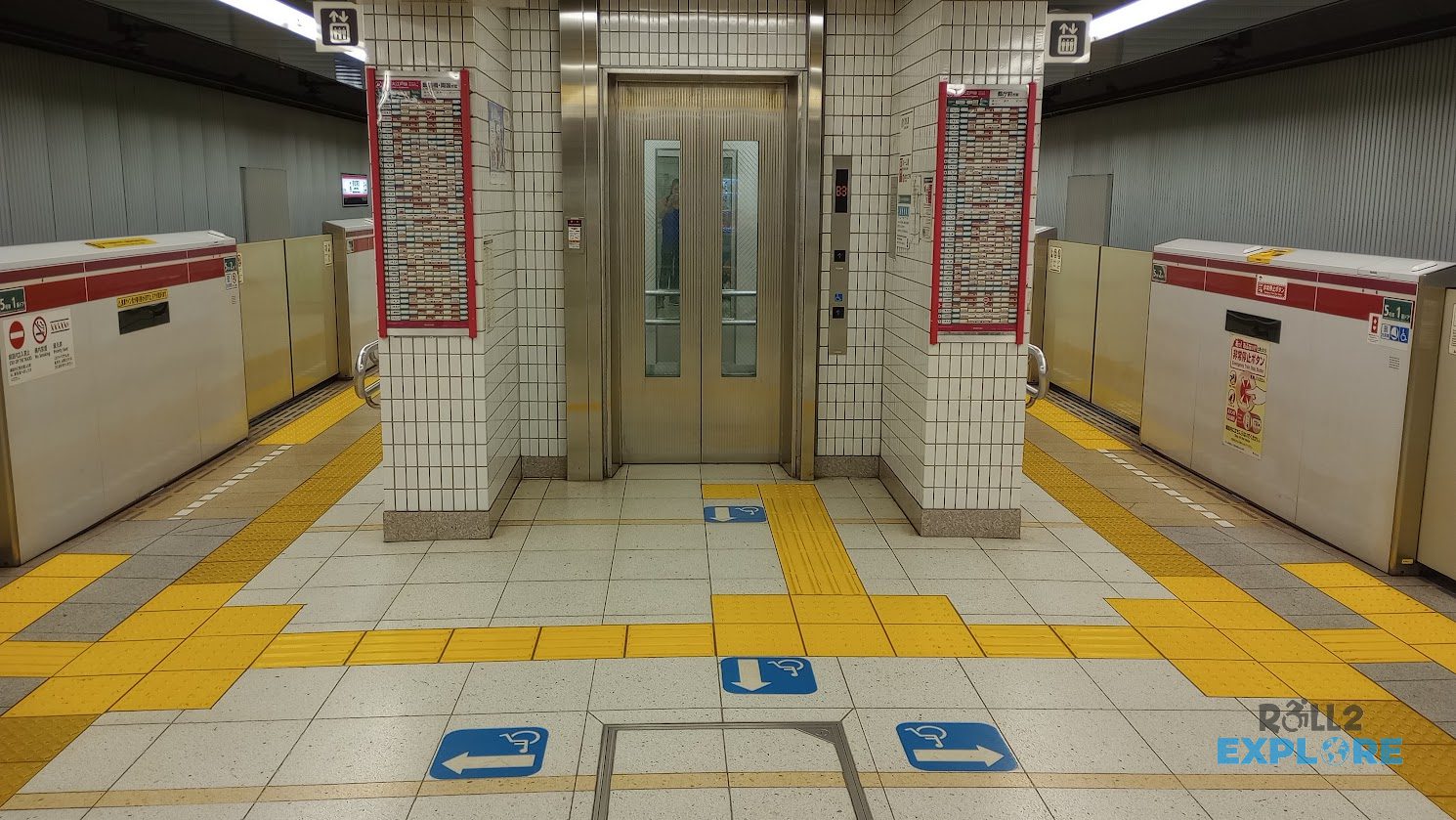
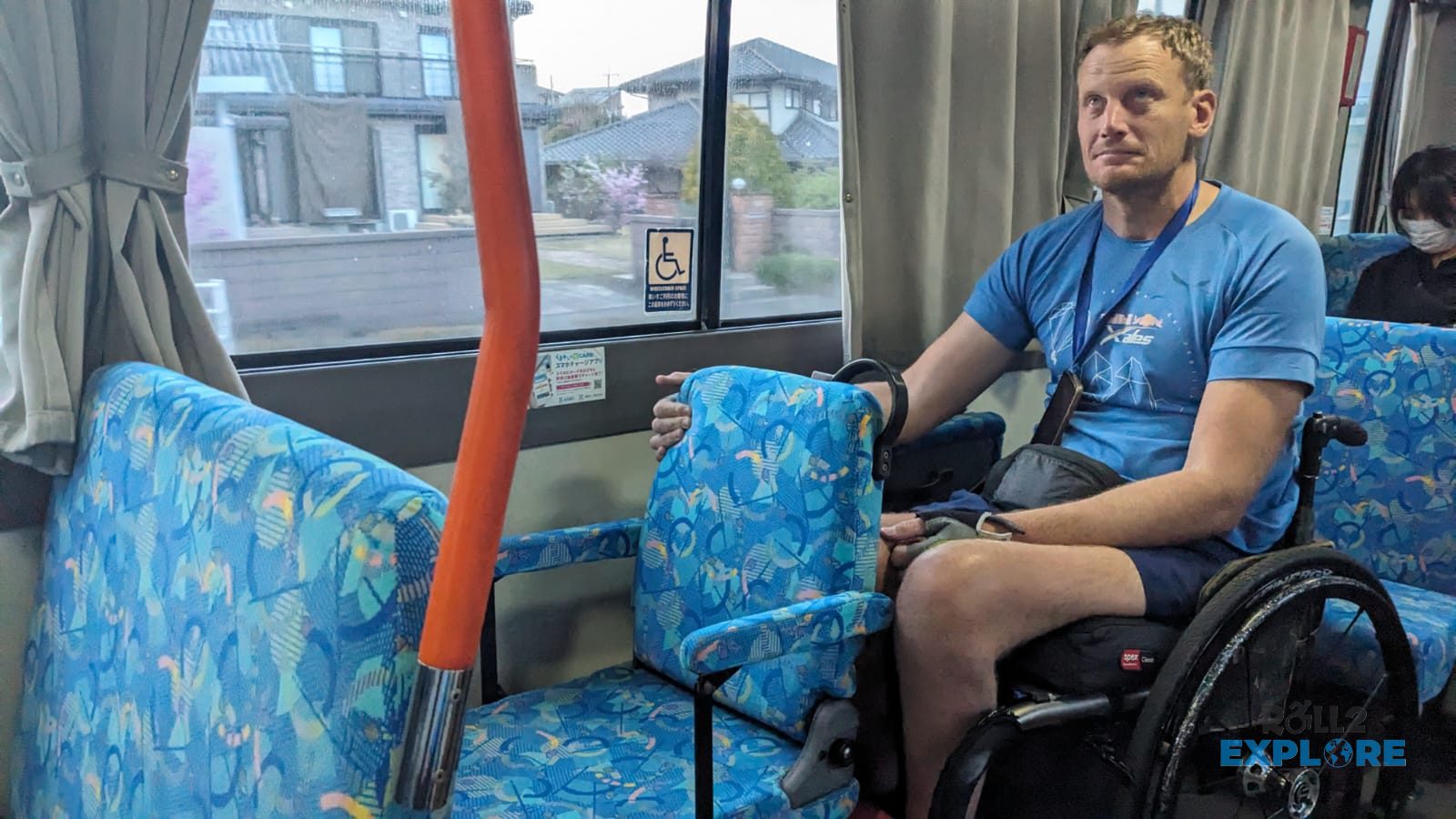
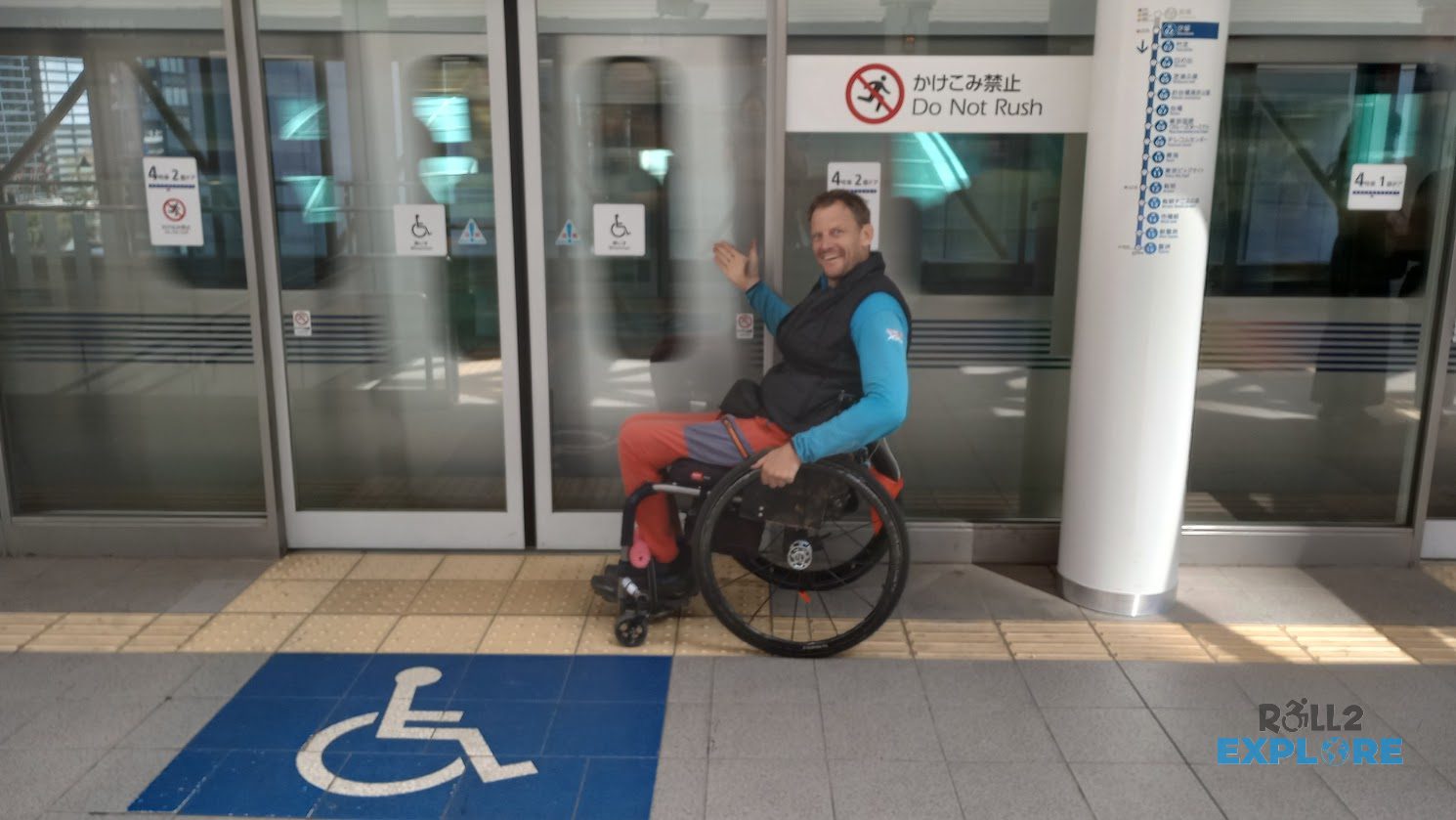
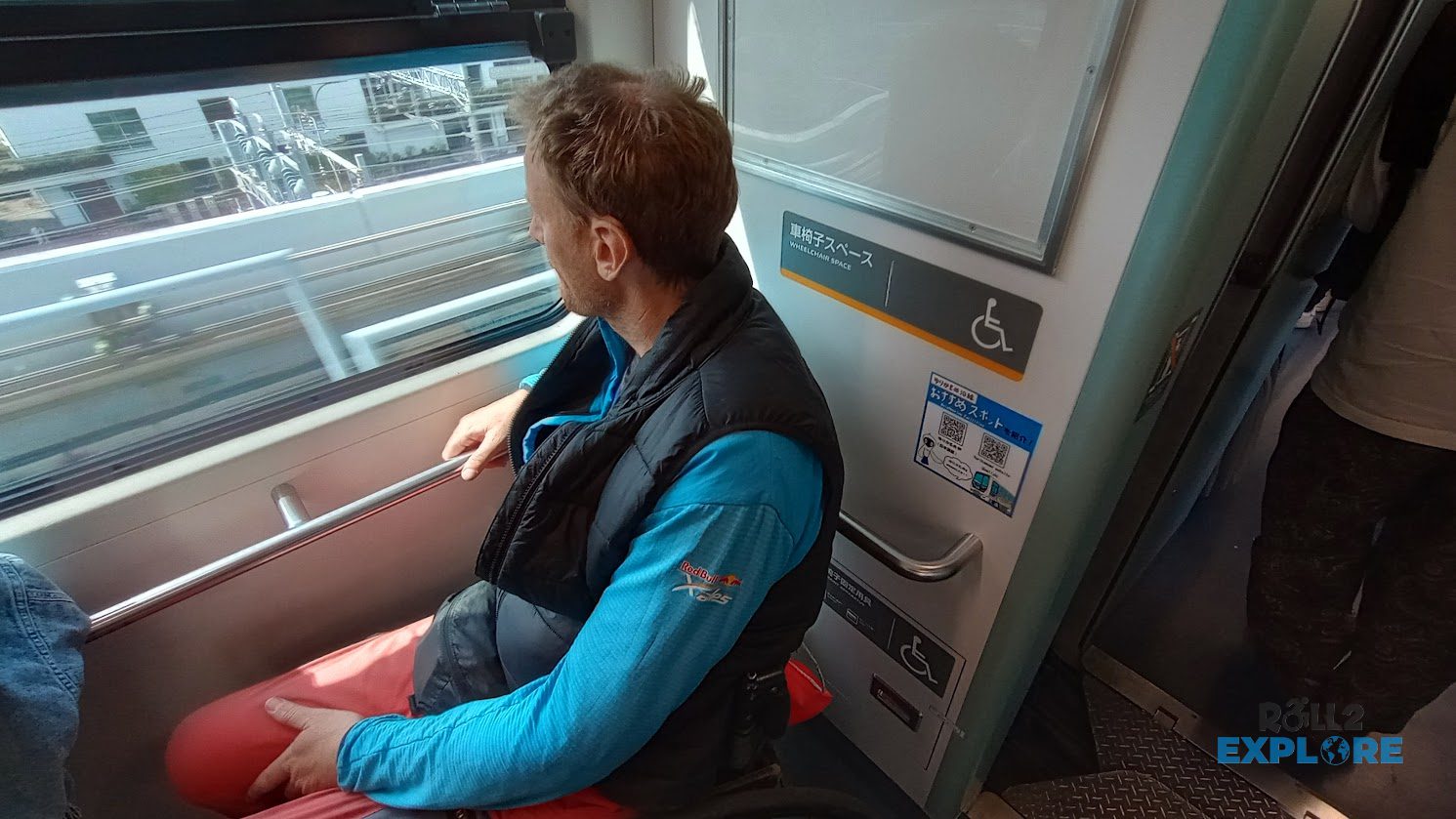
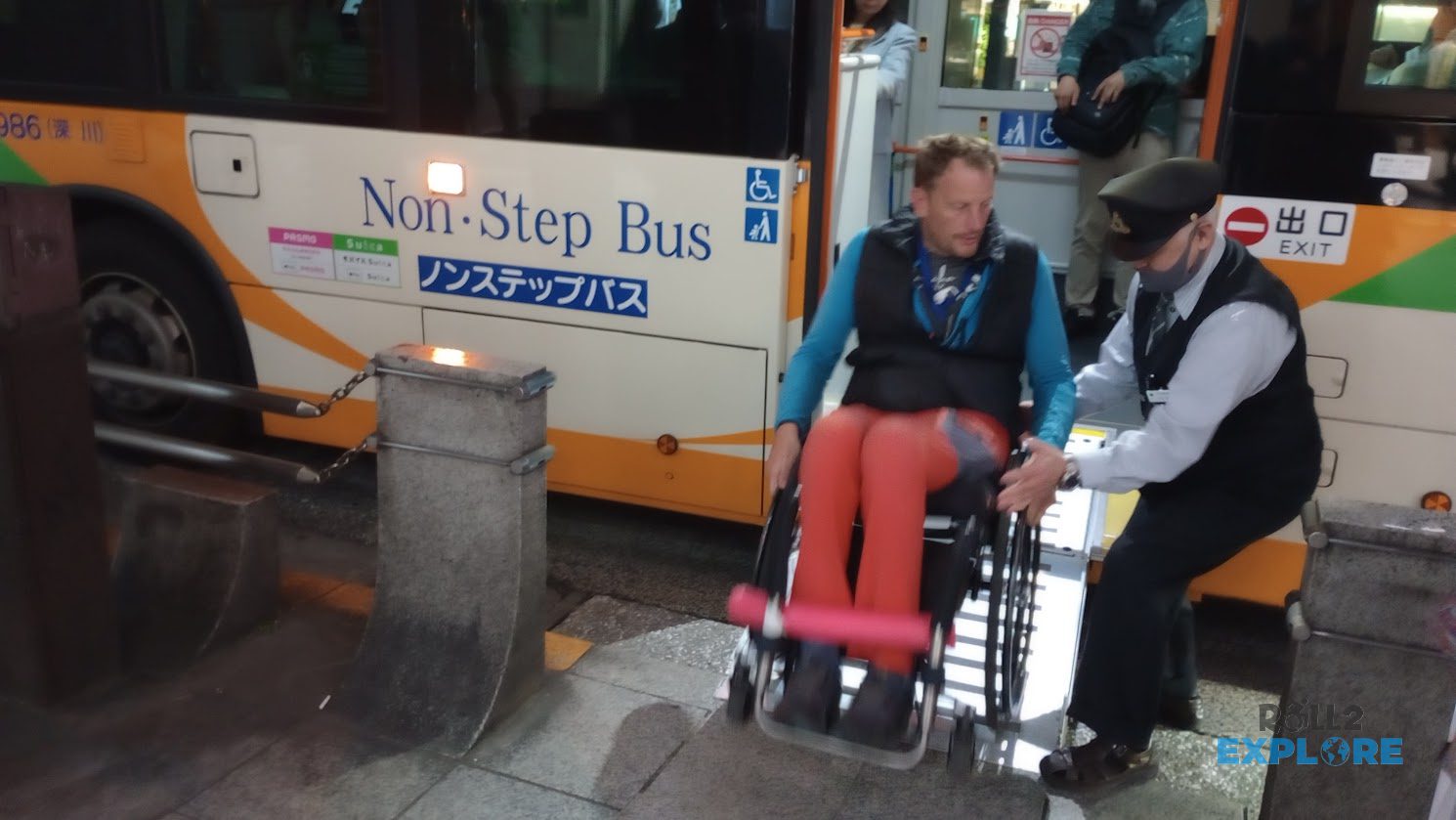
- Trains, subways and ferries are highly accessible, with elevators, ramps, and staff assistance for boarding/alighting.
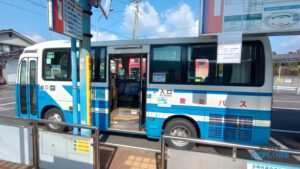
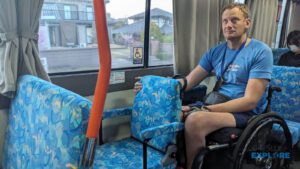
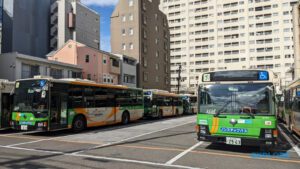
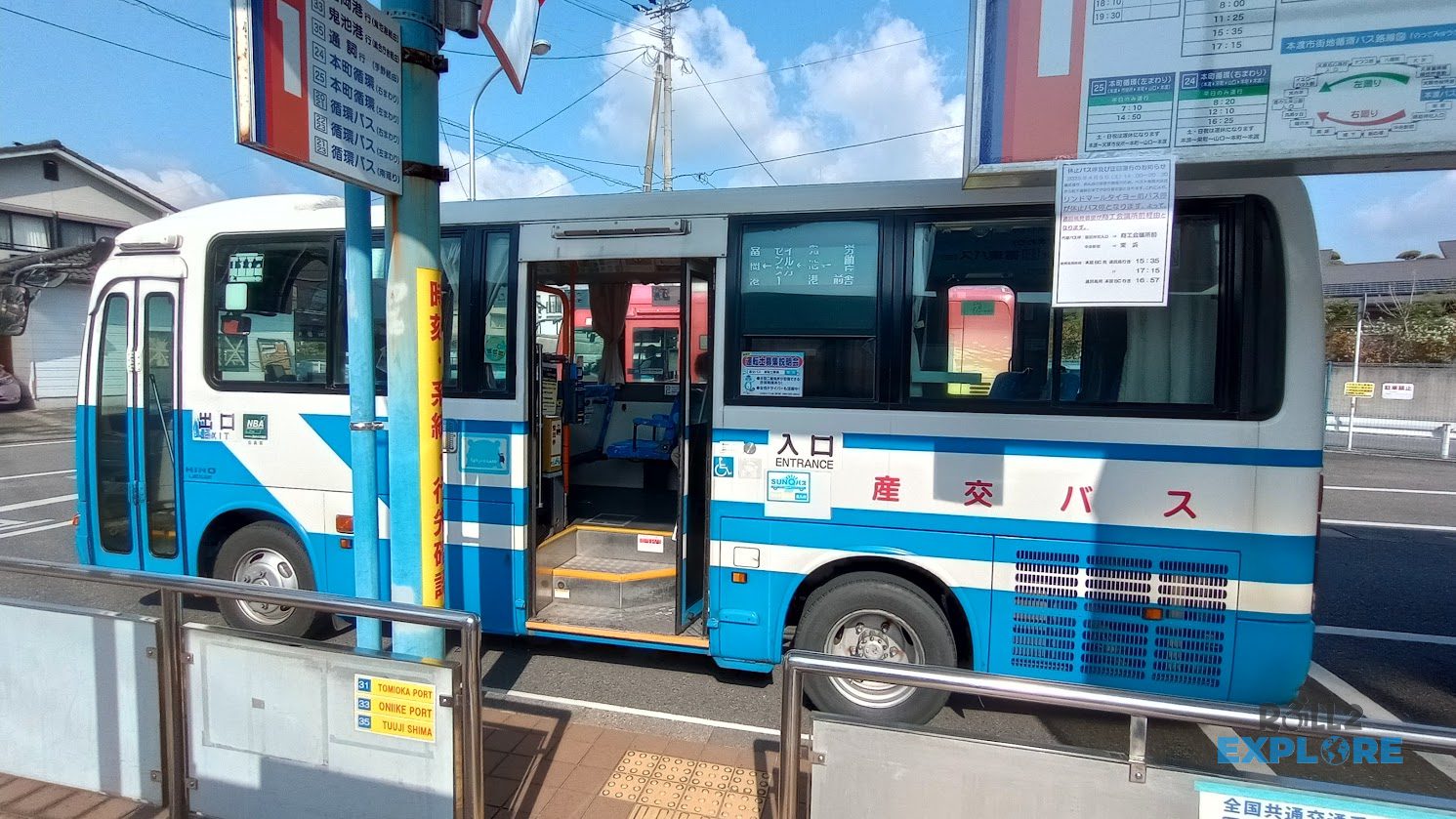
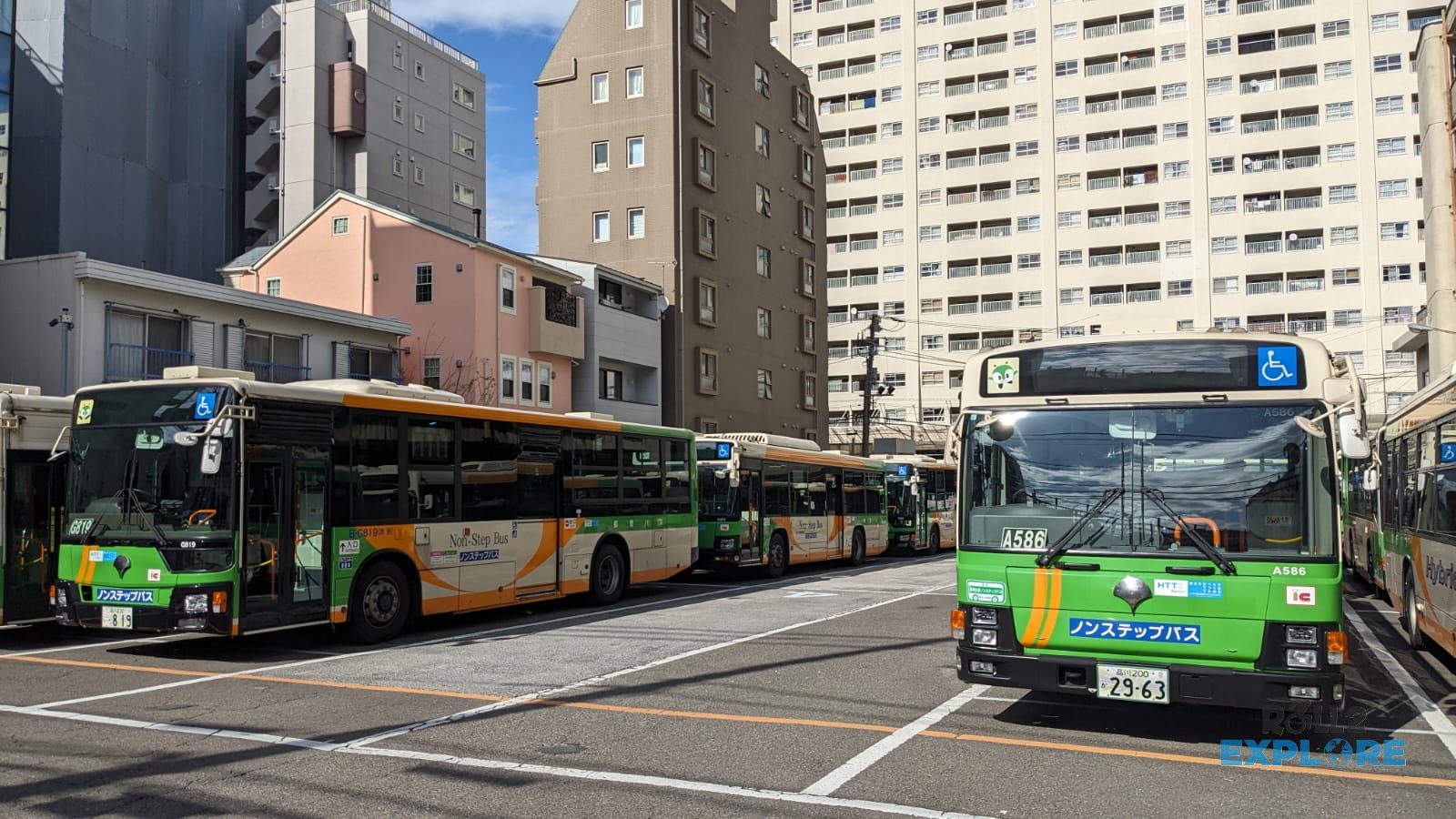
- Many city buses are non-step/with ramps, and priority seating is common.
- Weaknesses:
- Rural stations and older buses may lack accessibility features.
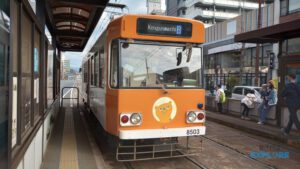
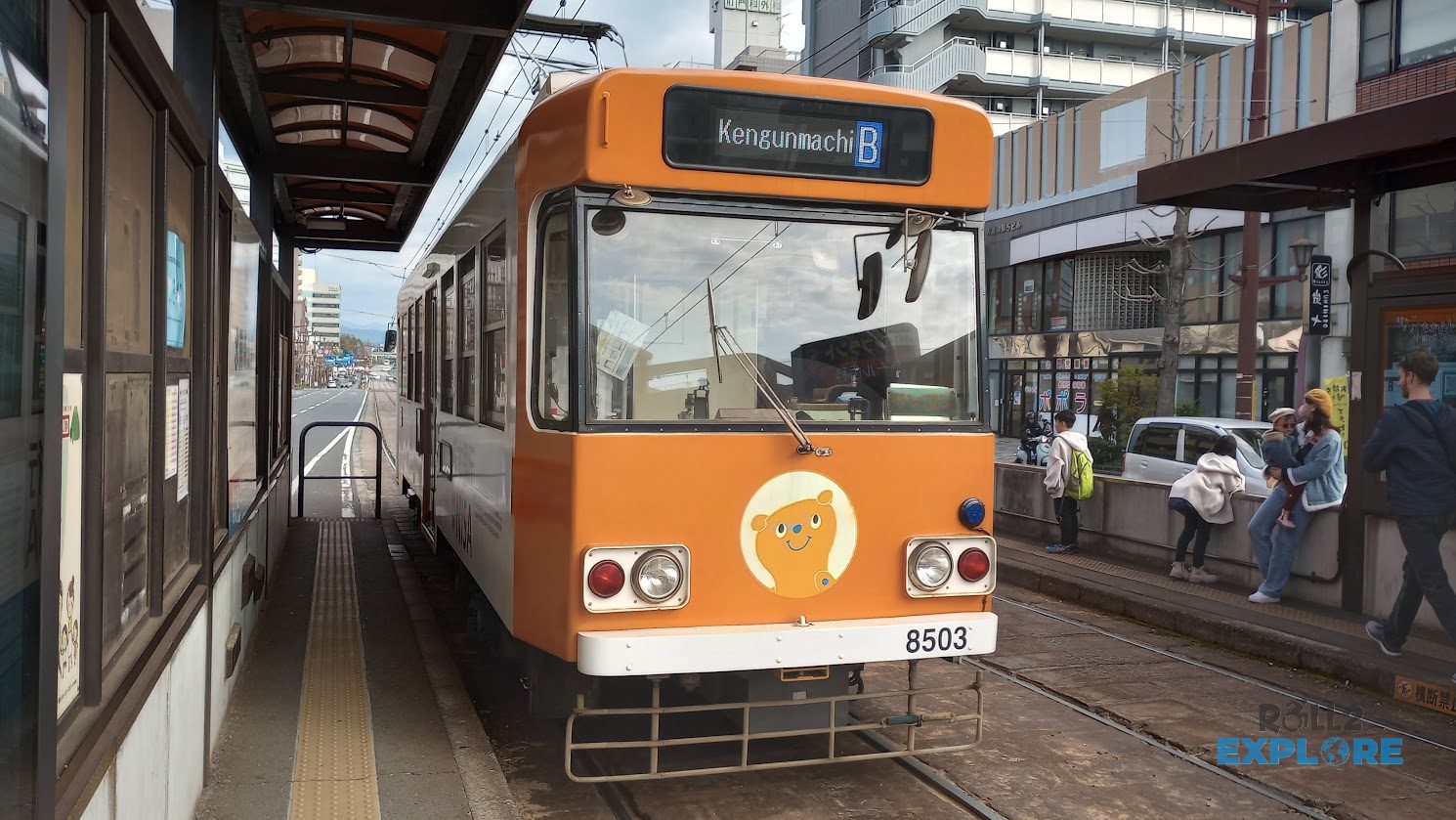
- Some trams have steps.
- Long-distance buses and airport shuttles often have steps and require advance arrangements.
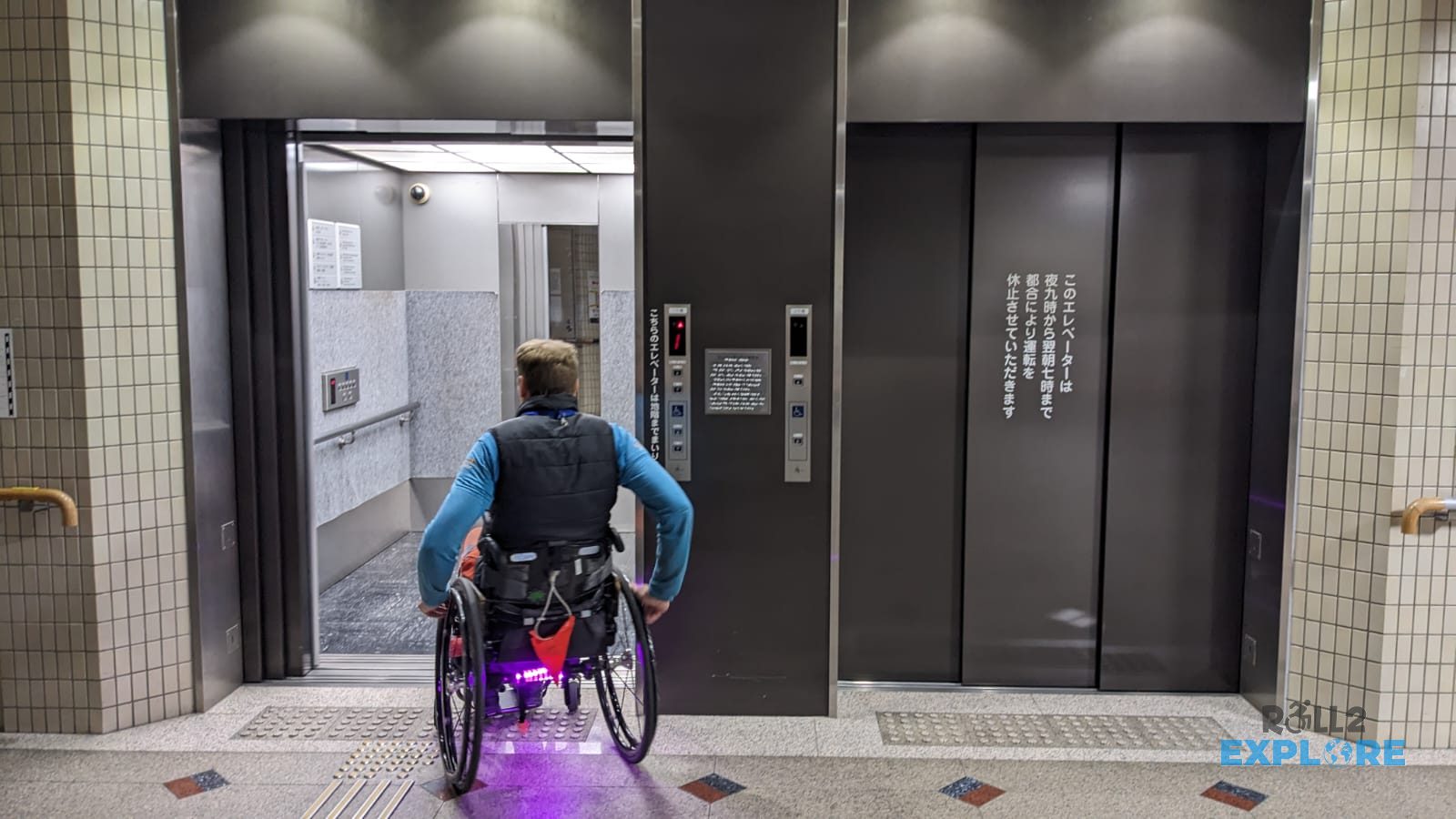
- While ‘universal design taxis’ with ramps exist, they’re scarce outside cities; booking in advance is recommended.
- Though elevators are available at every station, finding which of multiple entrances has one can occasionally be confusing in Tokyo’s extensive metro system.

2. Hotel & Accommodation Accessibility
Score: ♿♿♿♿♿♿♿ (7/10)
- Strengths:
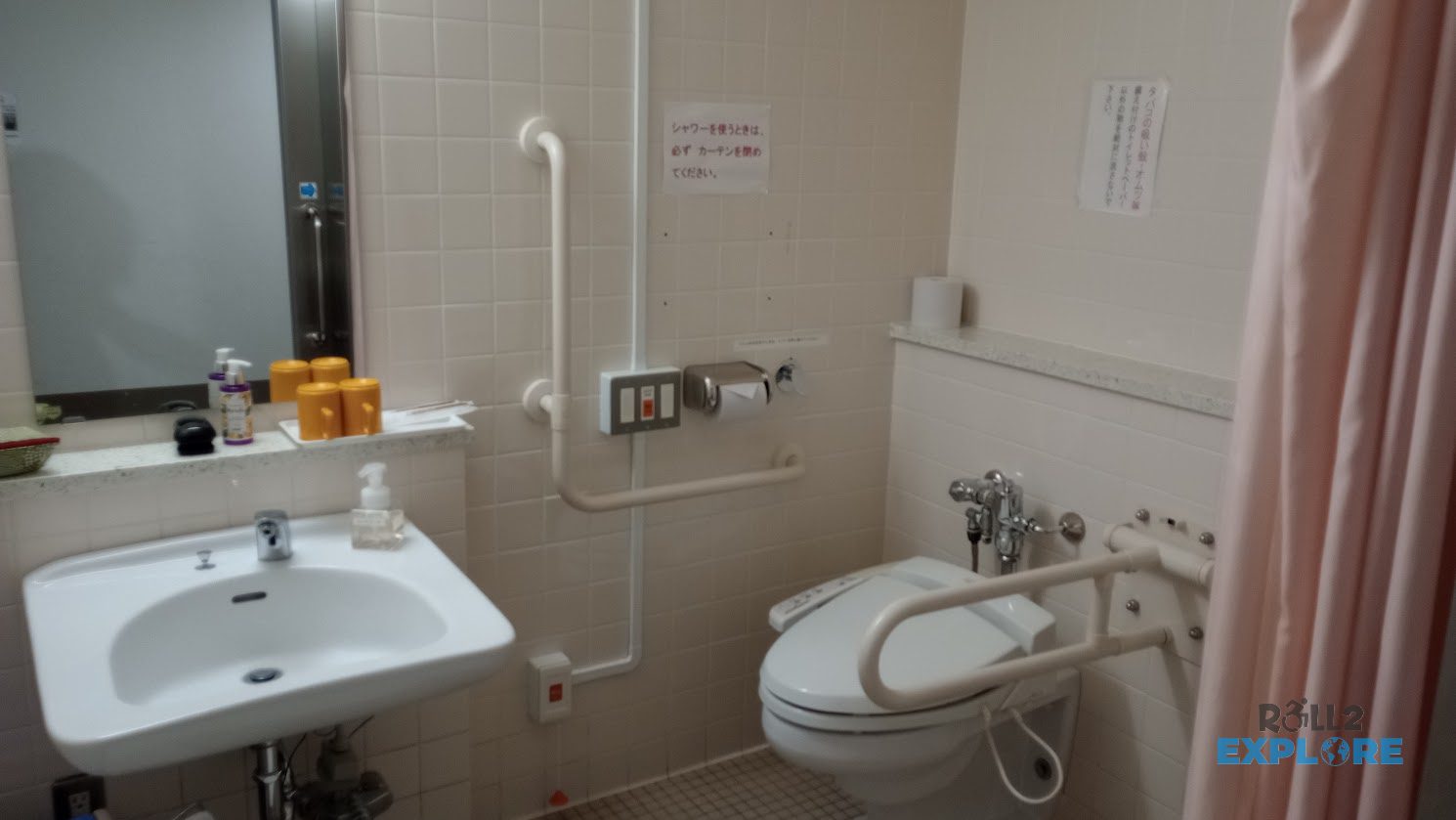
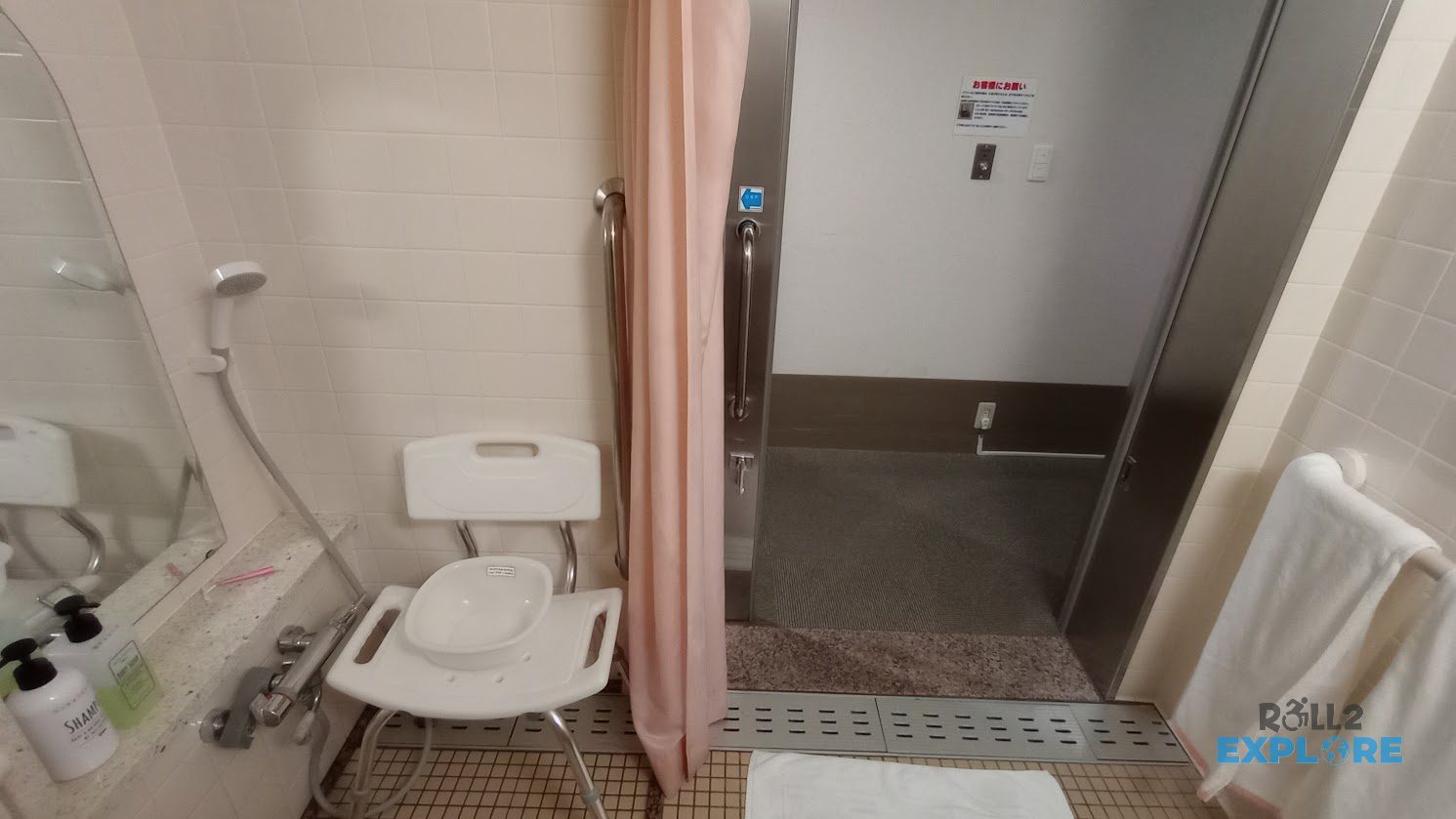
- Newer hotels legally require barrier-free designs, offering roll-in showers and wide doorways.
- Dedicated databases (e.g. Accessible Japan) list verified accessible hotels.
- Weaknesses:
- Older hotels may have limited retrofitted rooms.
- Most of the rooms in Japan are tiny.
- Budget-friendly accommodation usually is not wheelchair-friendly.
- Very often Japanese hotels require direct contact via phone/email to book an accessible room (not possible via Booking.com)

3. Restaurant & Dining Accessibility
Score: ♿♿♿♿♿♿ (6/10)
- Strengths:
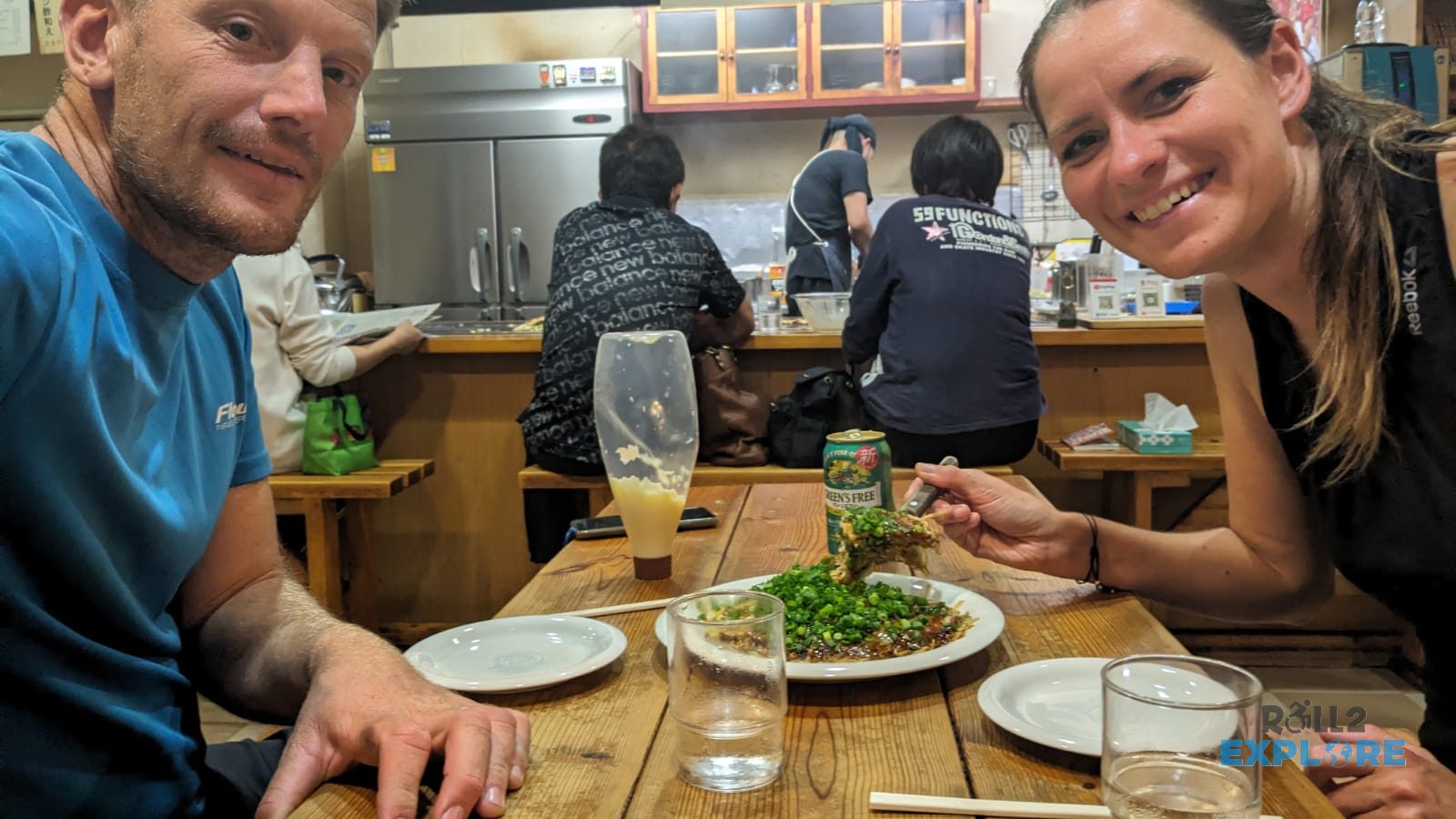
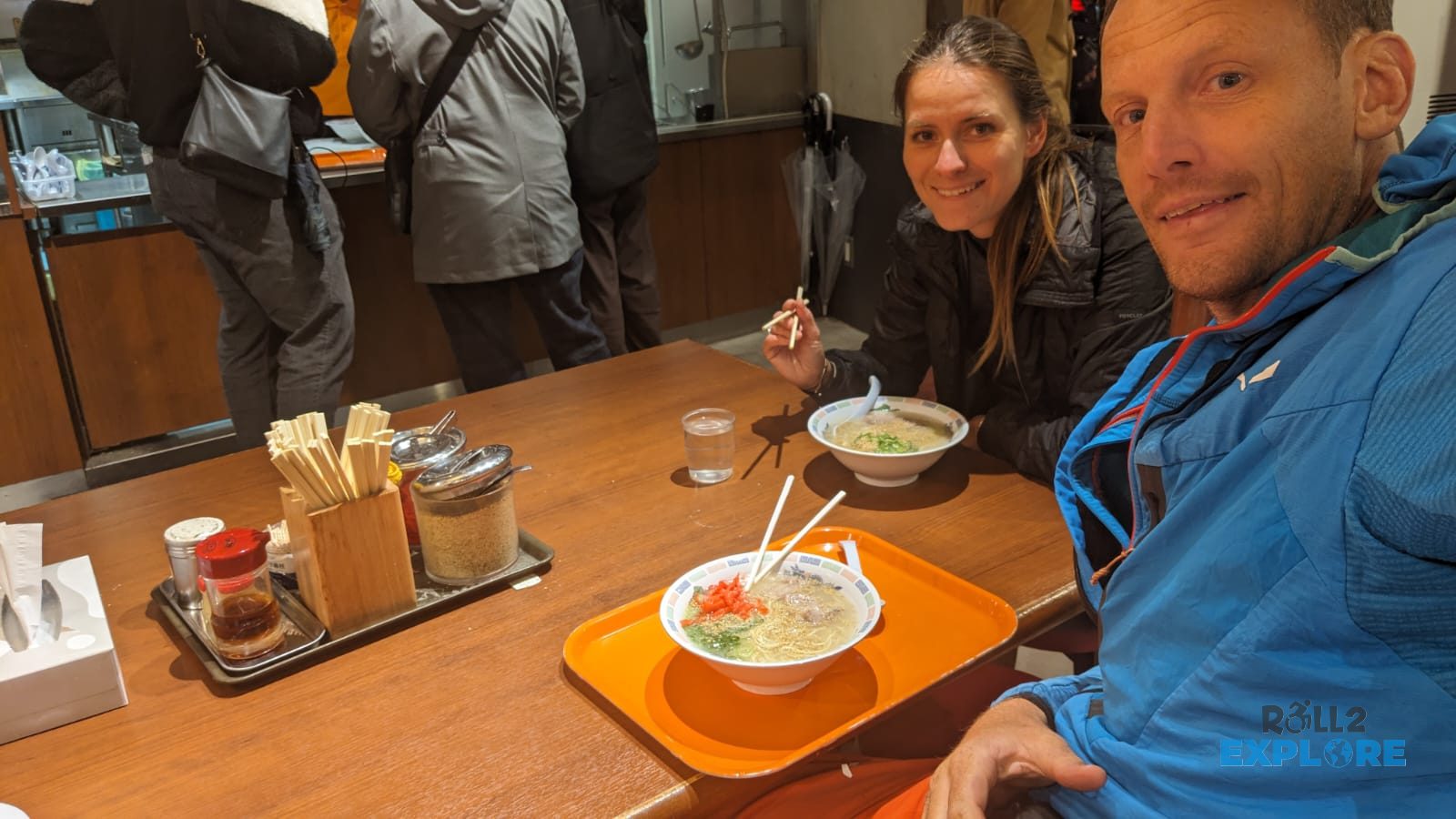
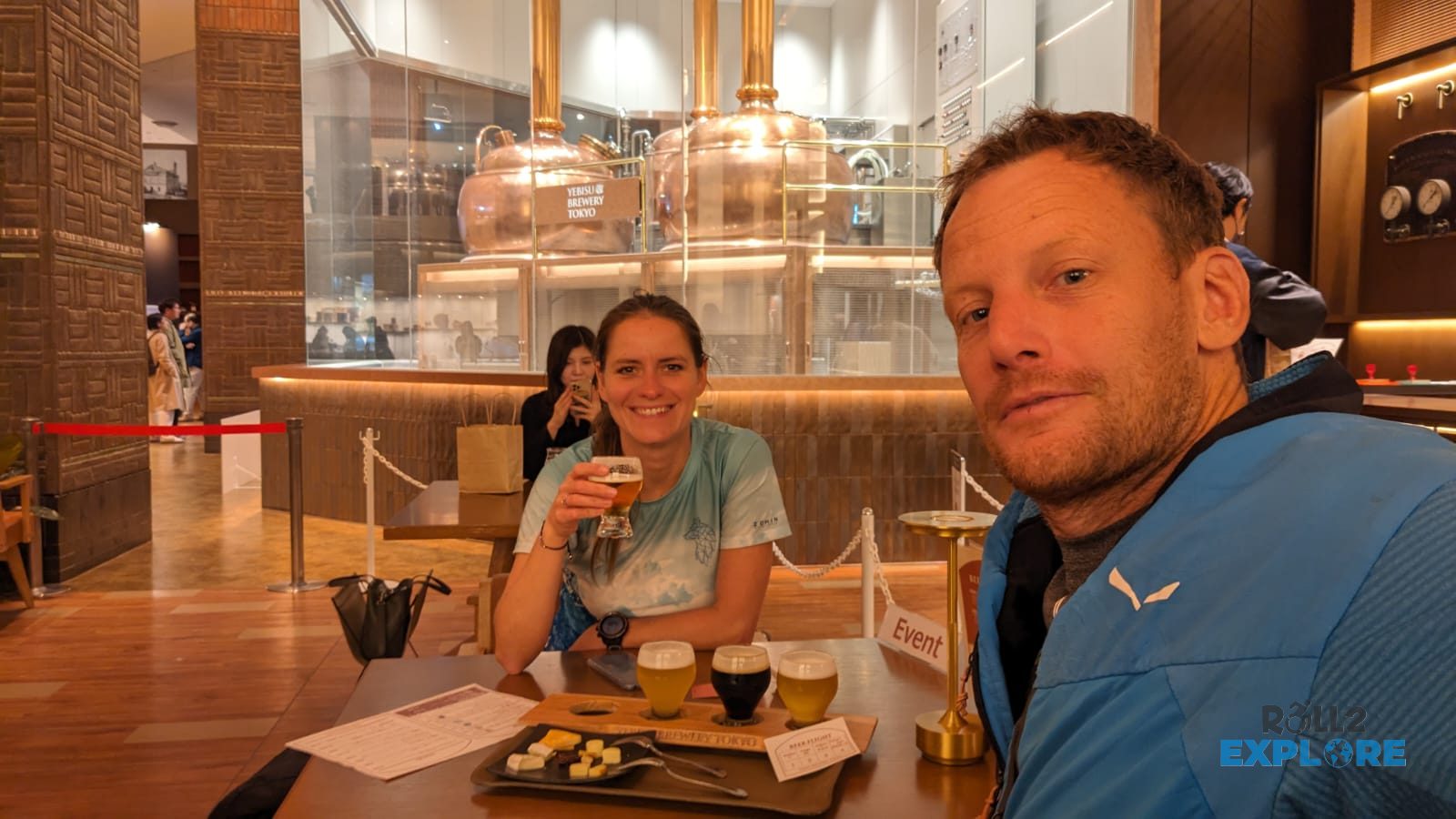
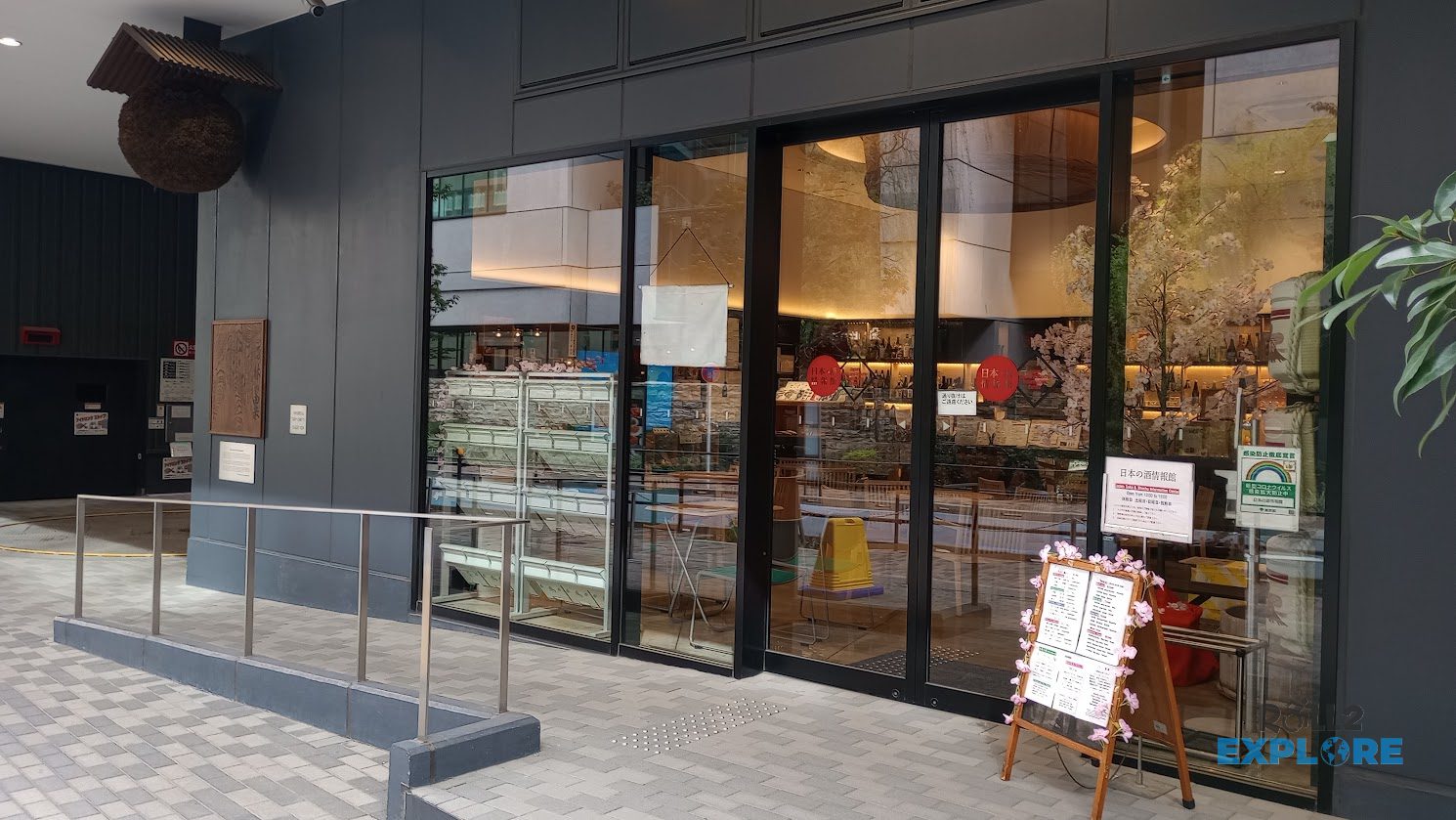
- Modern establishments (malls, chains) are typically wheelchair-friendly.
- Weaknesses:
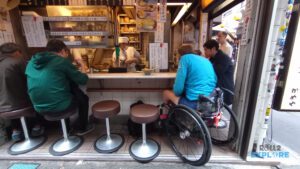
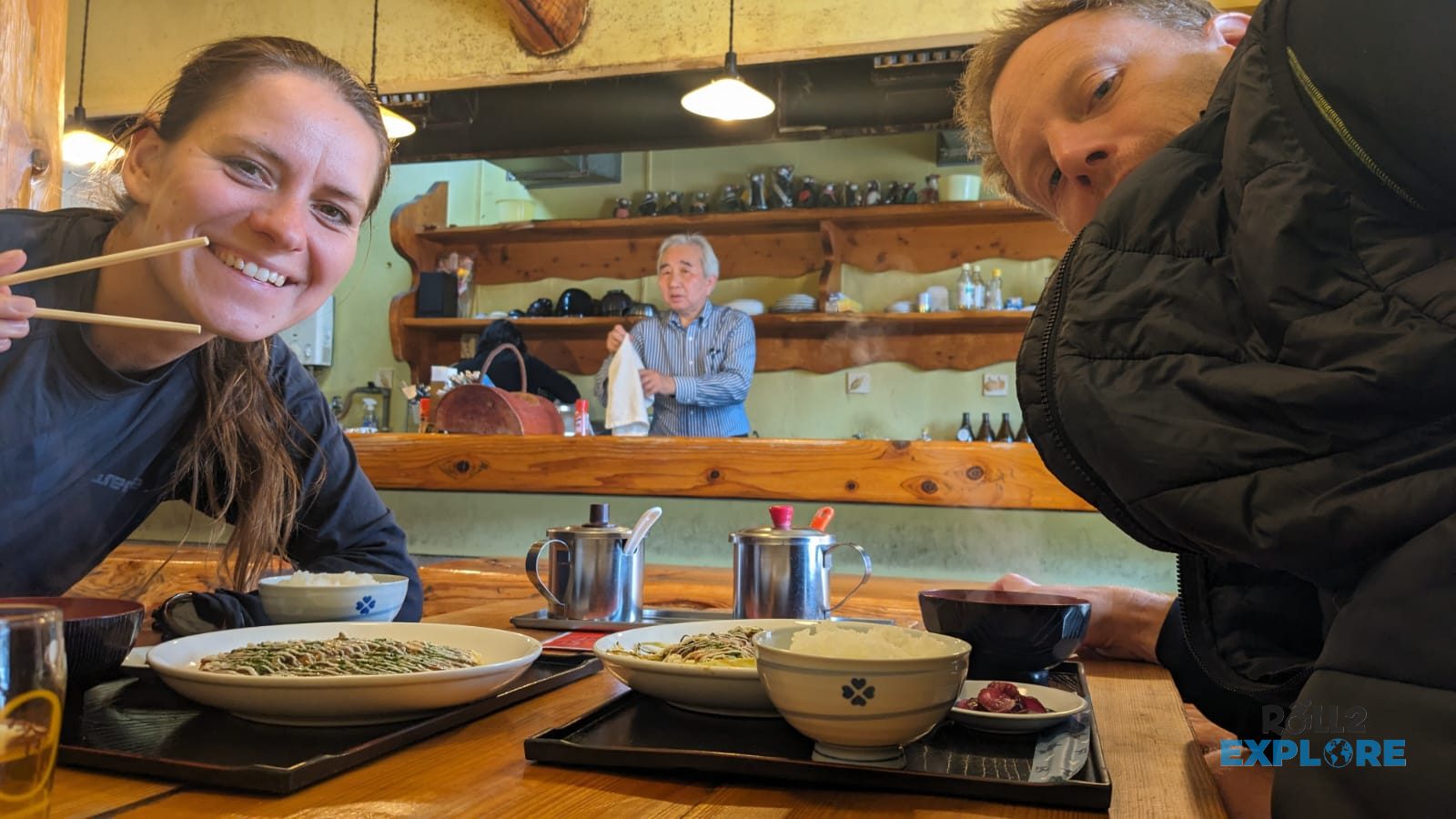
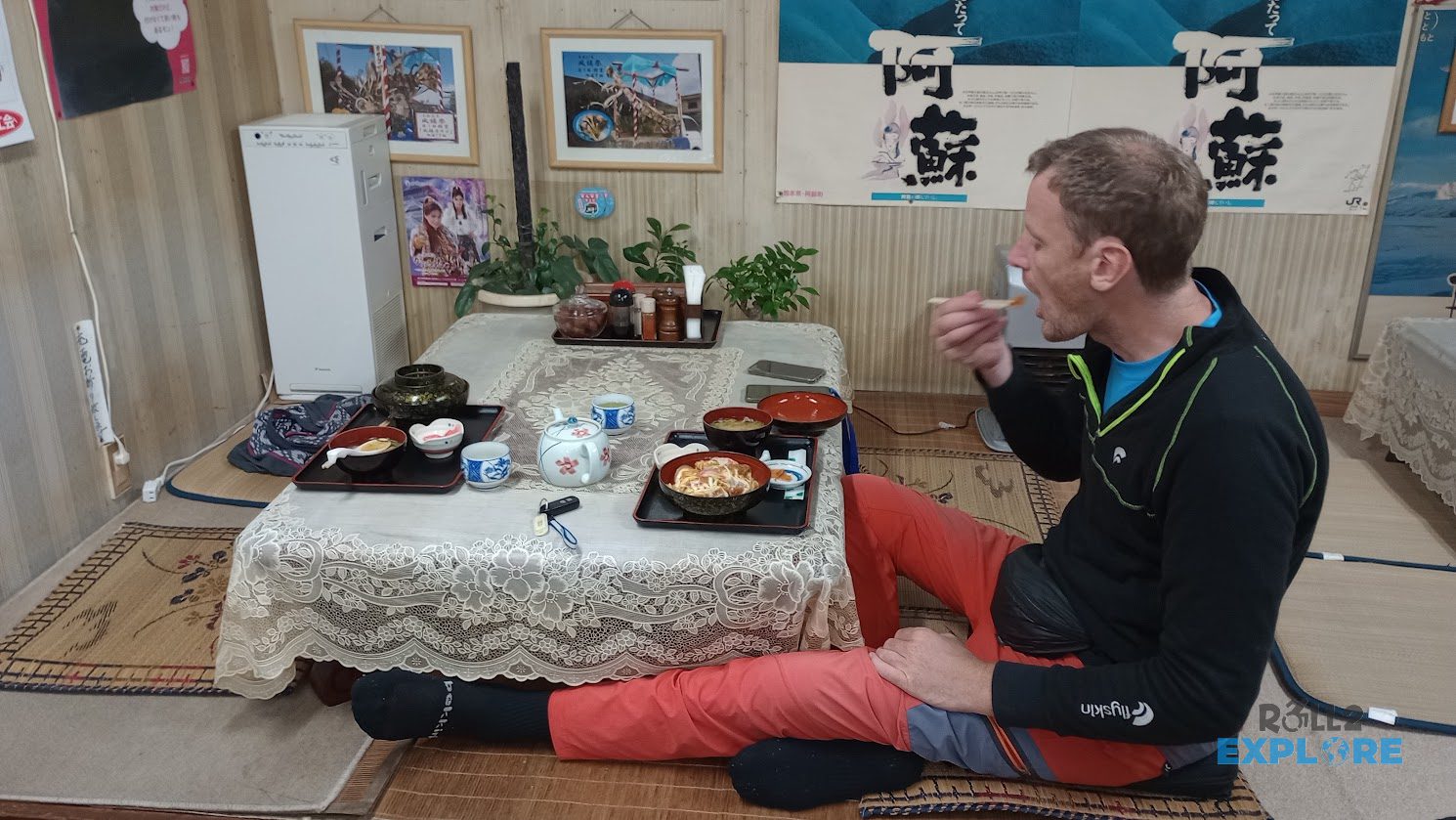
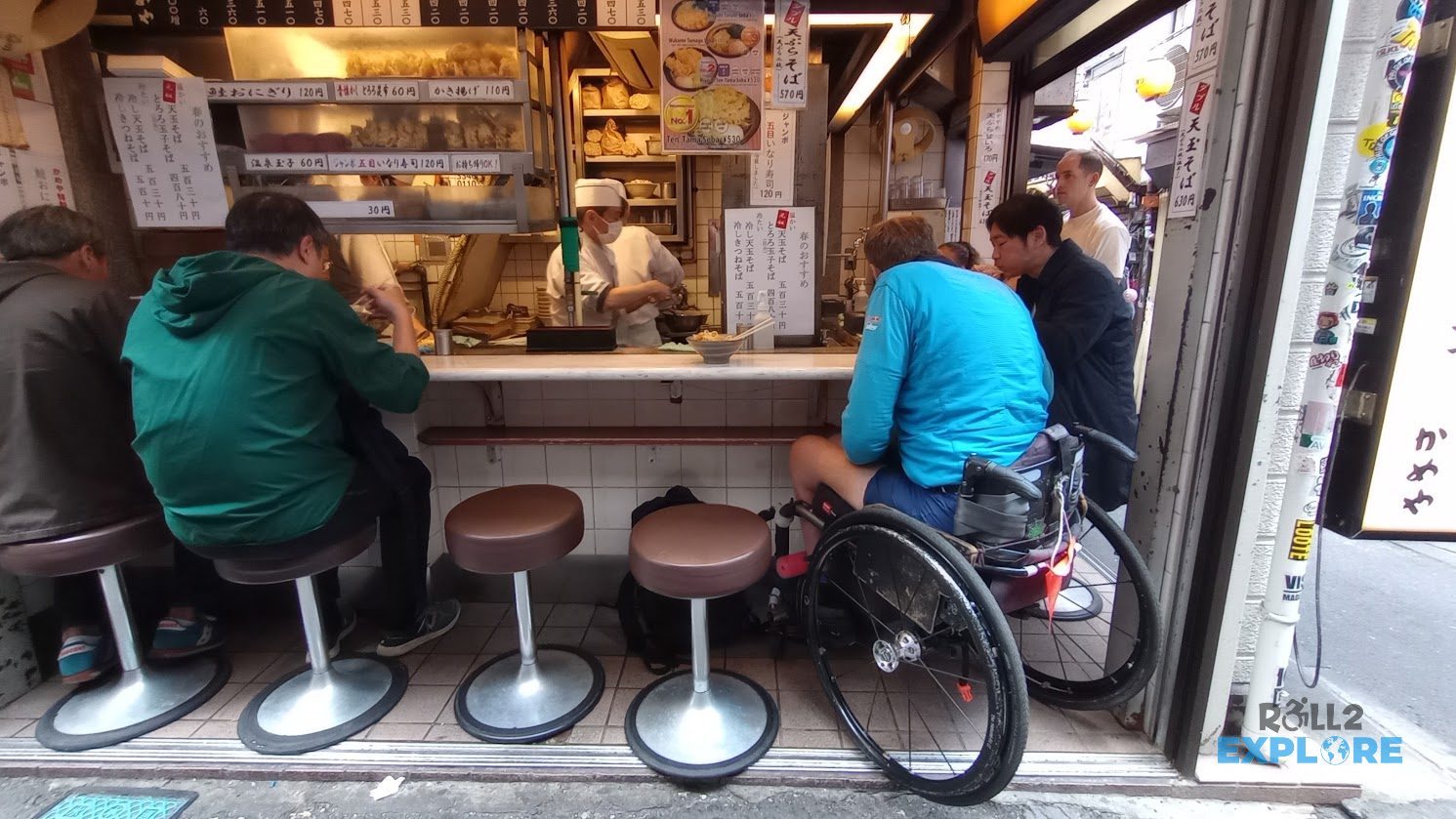
- Small/traditional eateries often have steps or tight spaces.
- Staff training on assistance varies widely.






4. Tourist Attractions & Cultural Sites
Score: ♿♿♿♿♿♿♿♿ (8/10)
- Strengths:
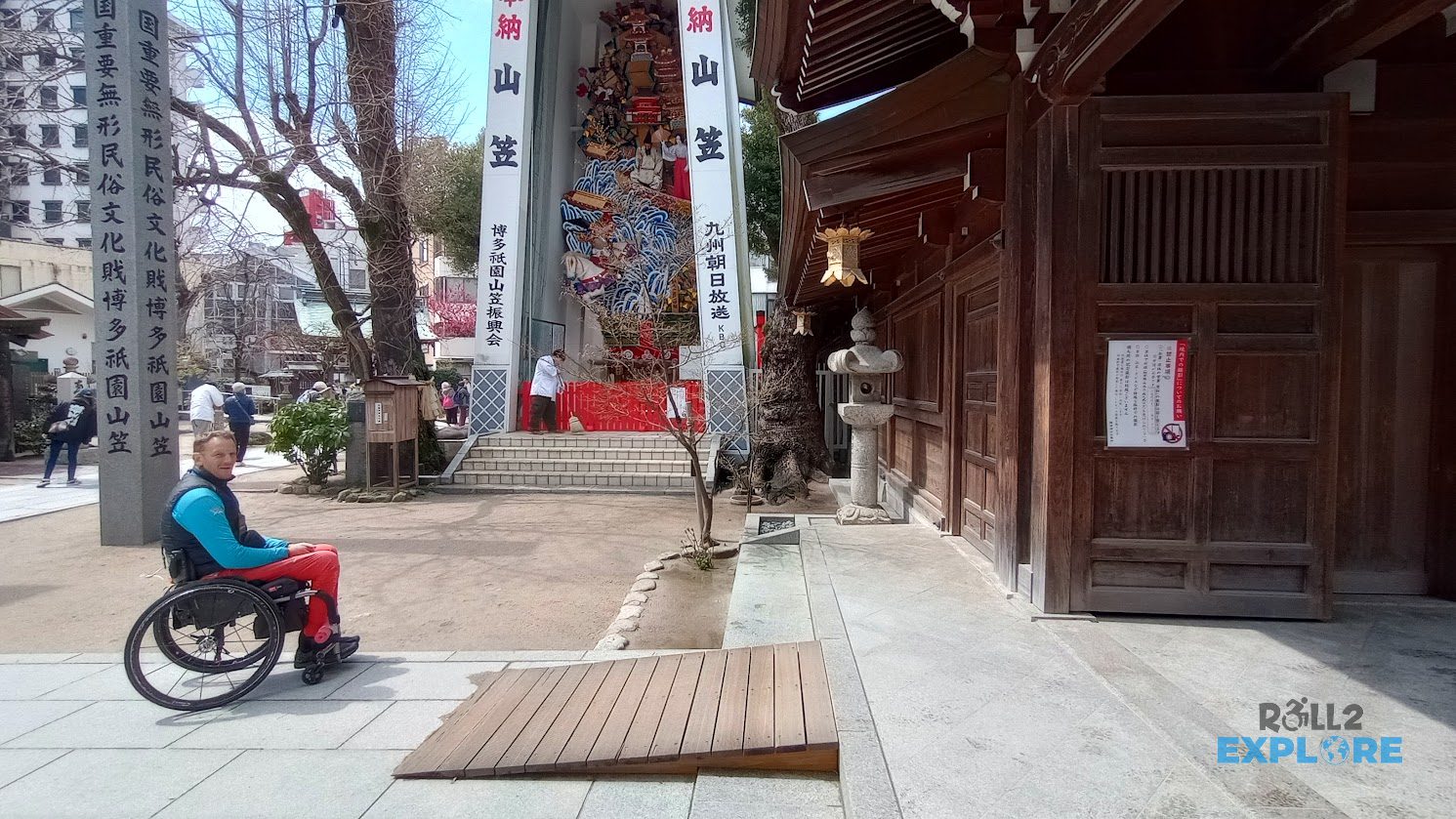
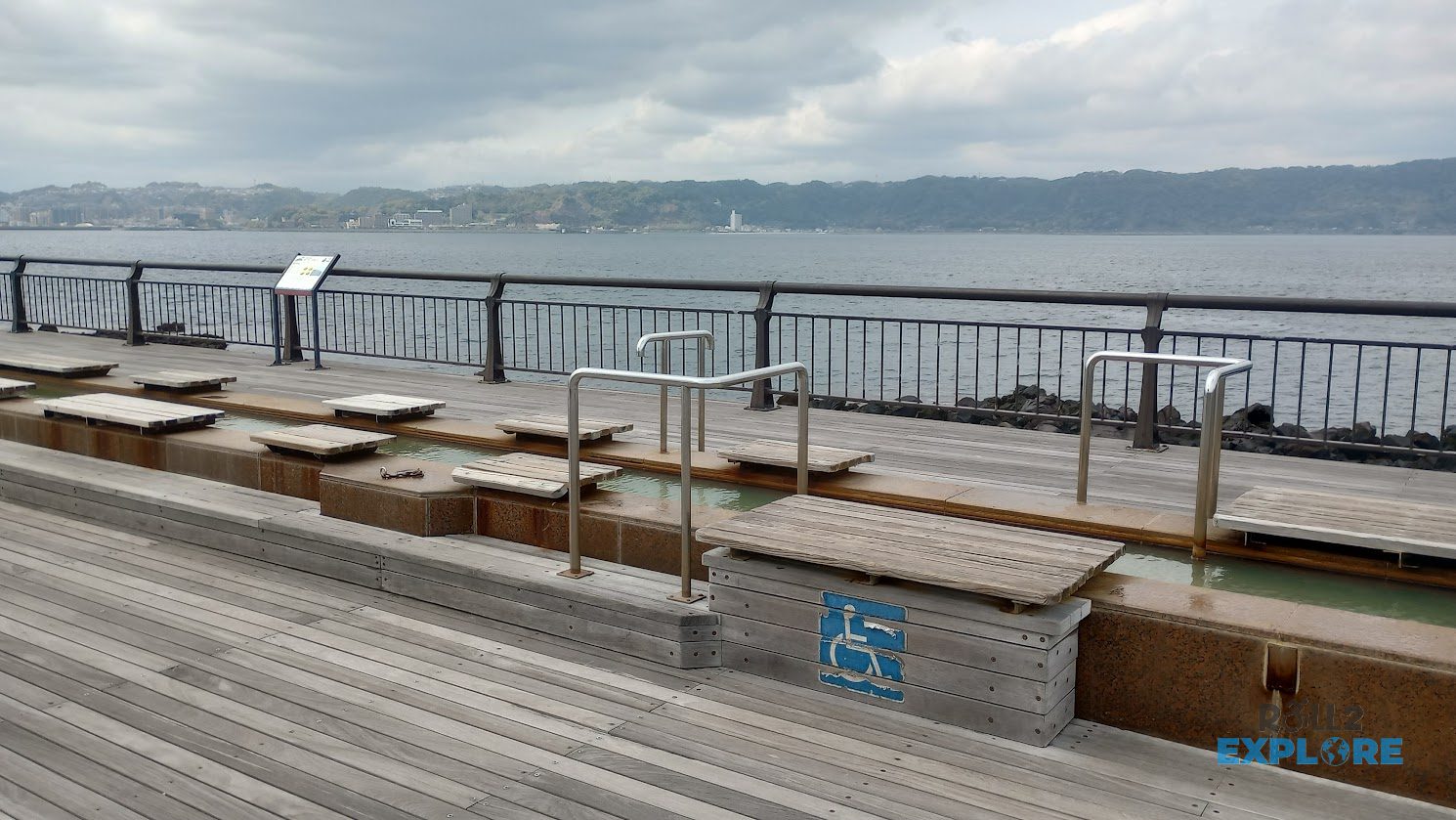
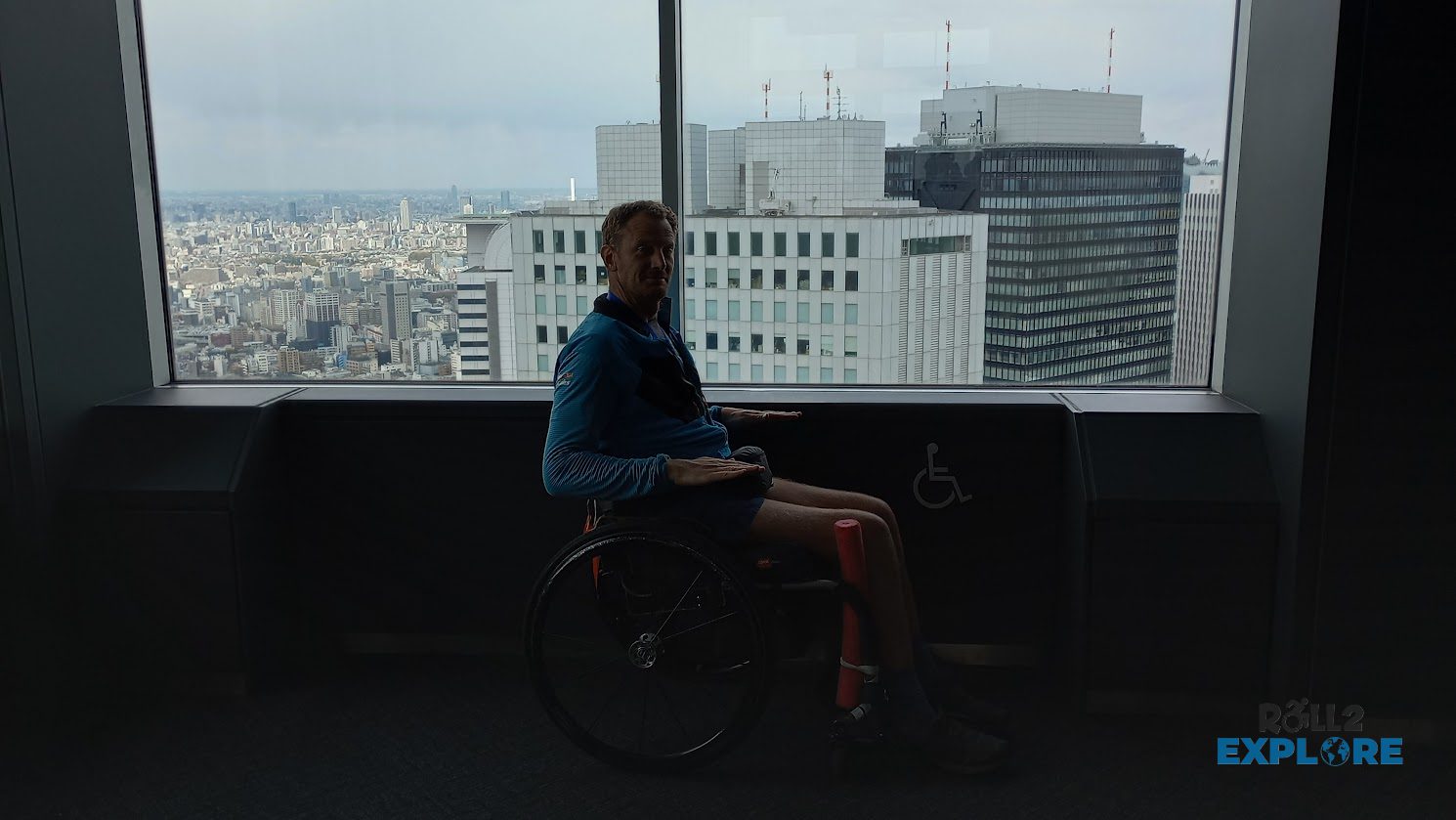
- Major sites (e.g. Sensoji Temple, Osaka Castle) have ramps, elevators, and tactile paths.
- Universal design is mandatory for new constructions.
- Wheelchair rental is widely available.
- Weaknesses:
- Historic sites (e.g. Fushimi Inari’s gravel paths) may remain challenging.


5. Urban Infrastructure & Sidewalk Accessibility
Score: ♿♿♿♿♿♿♿♿♿ (9/10)
- Strengths:
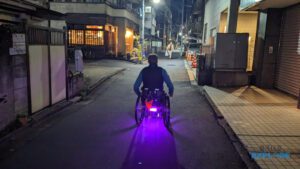
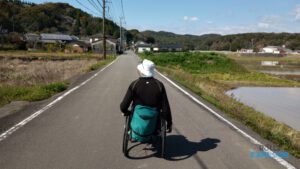
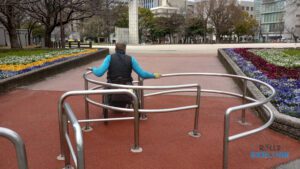
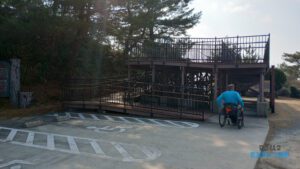
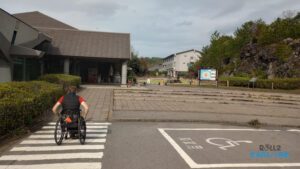
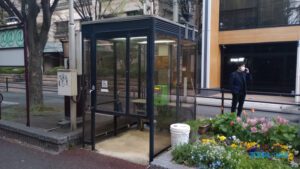
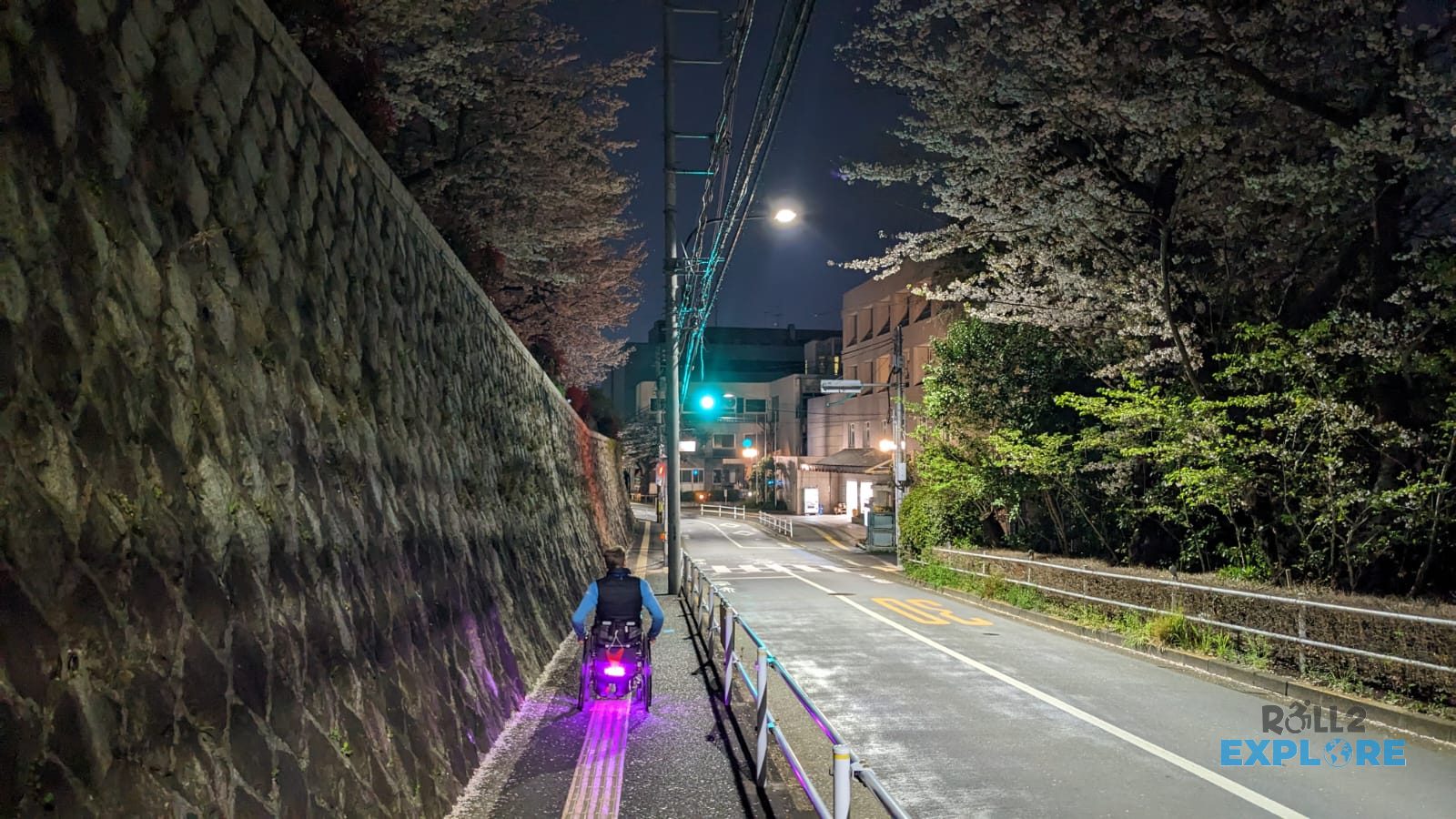
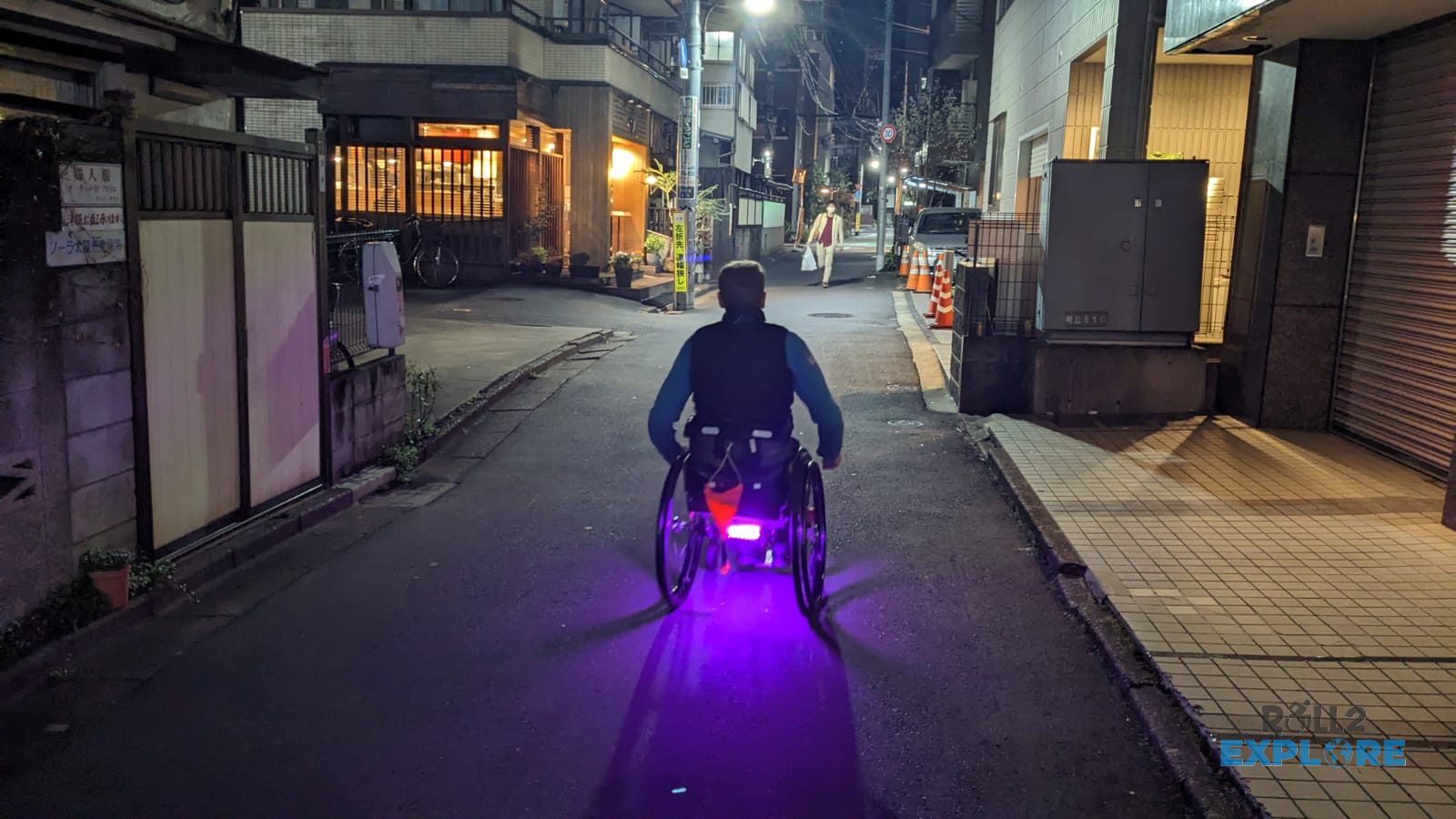
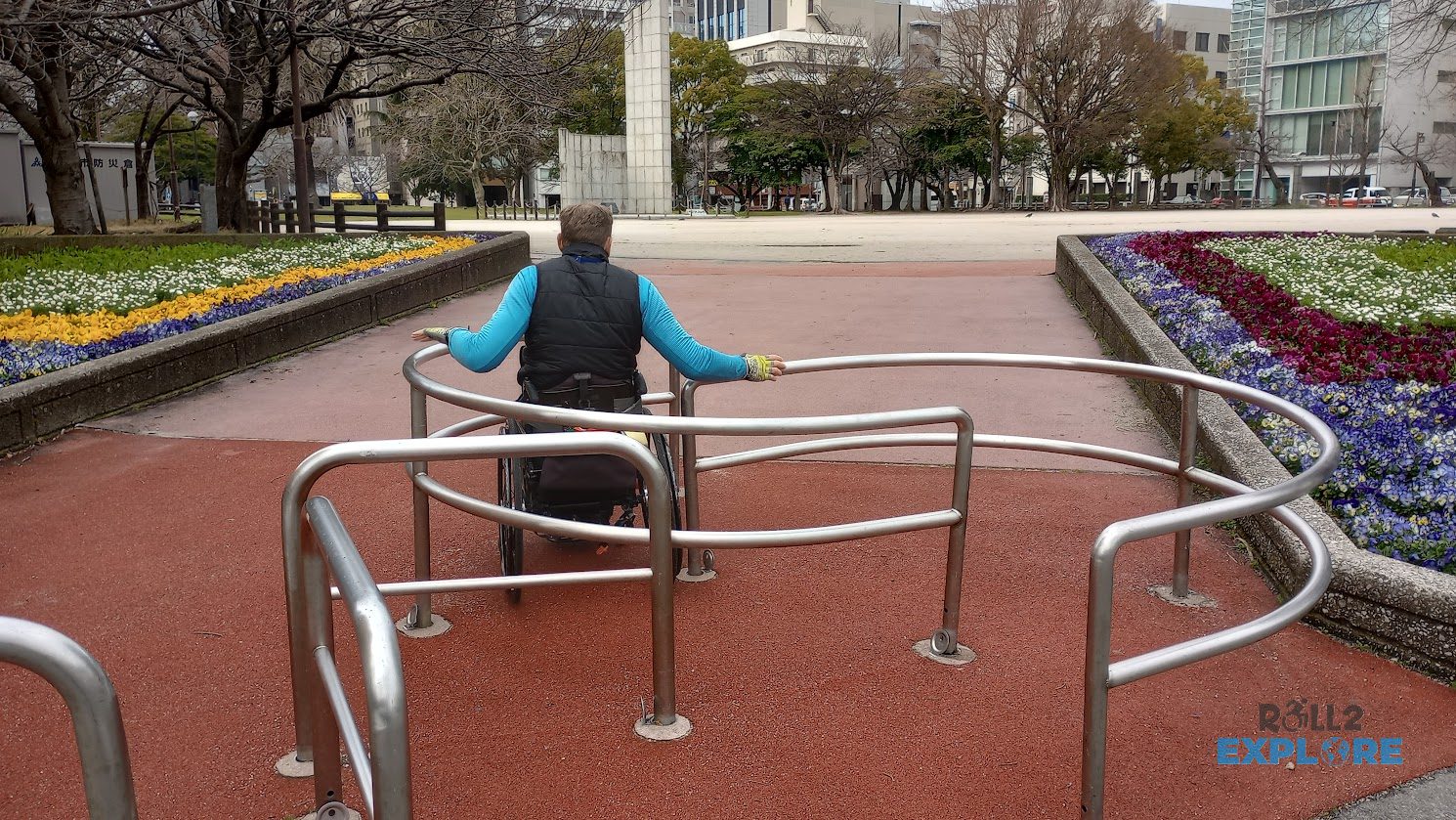
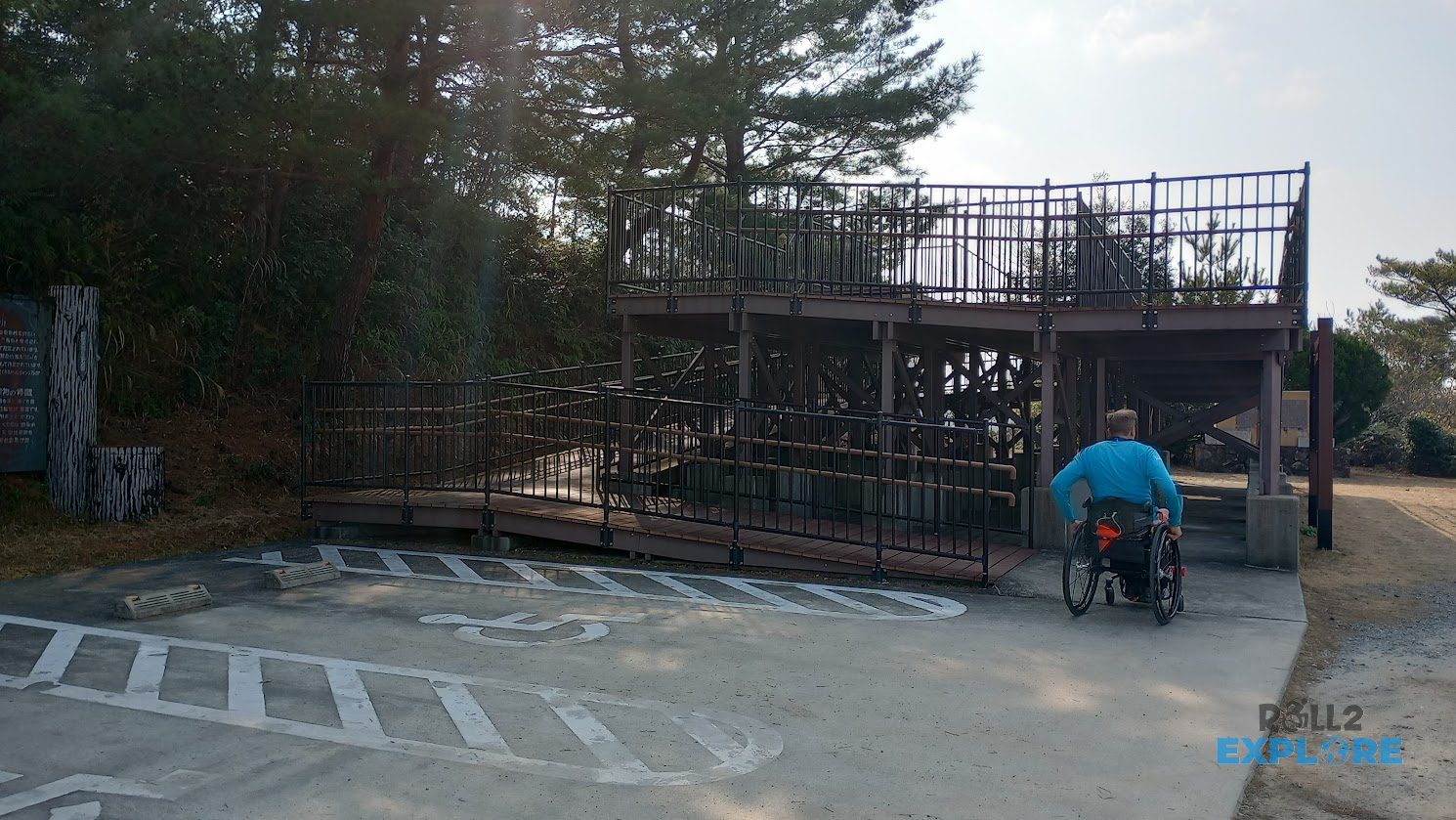
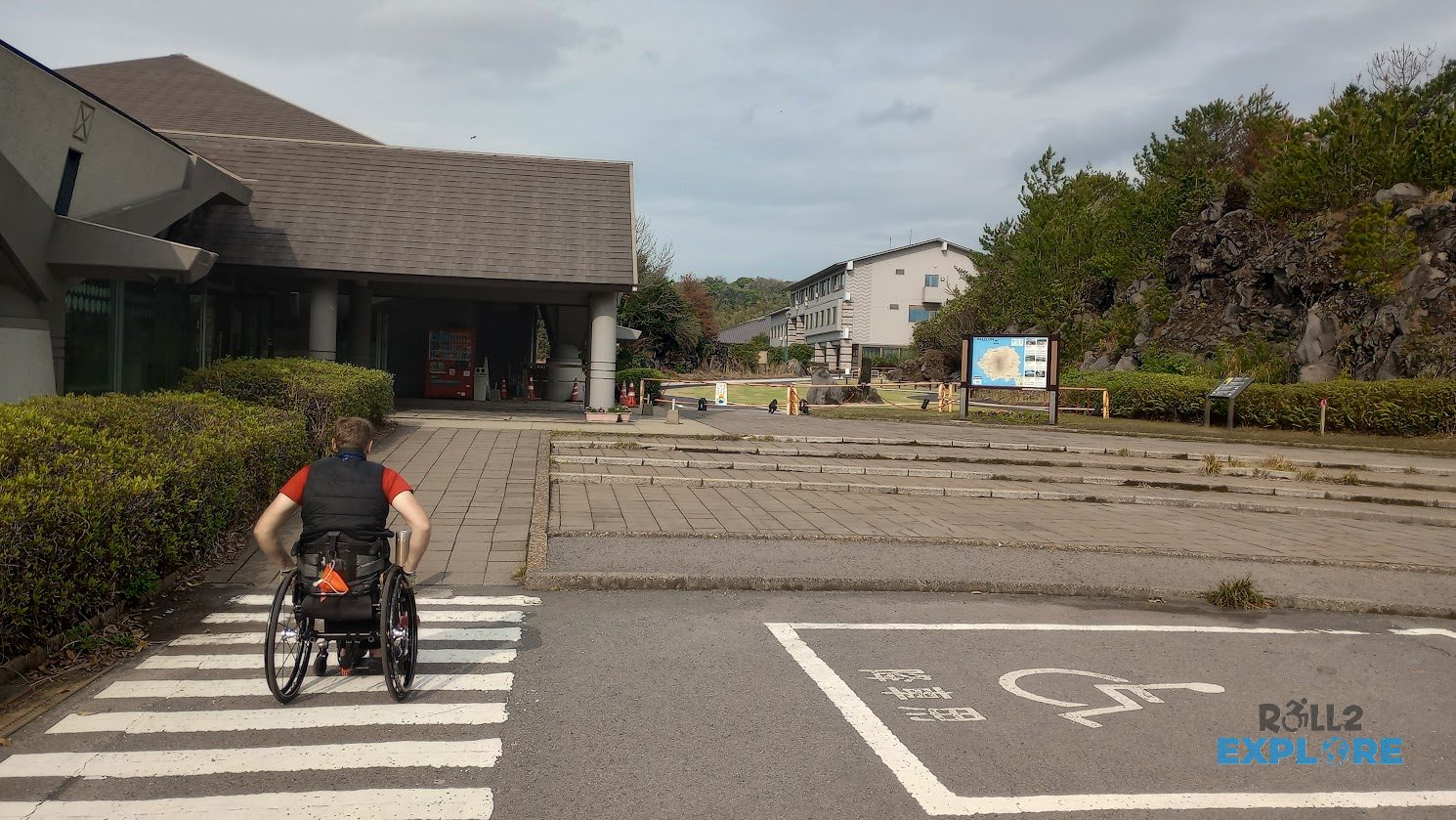
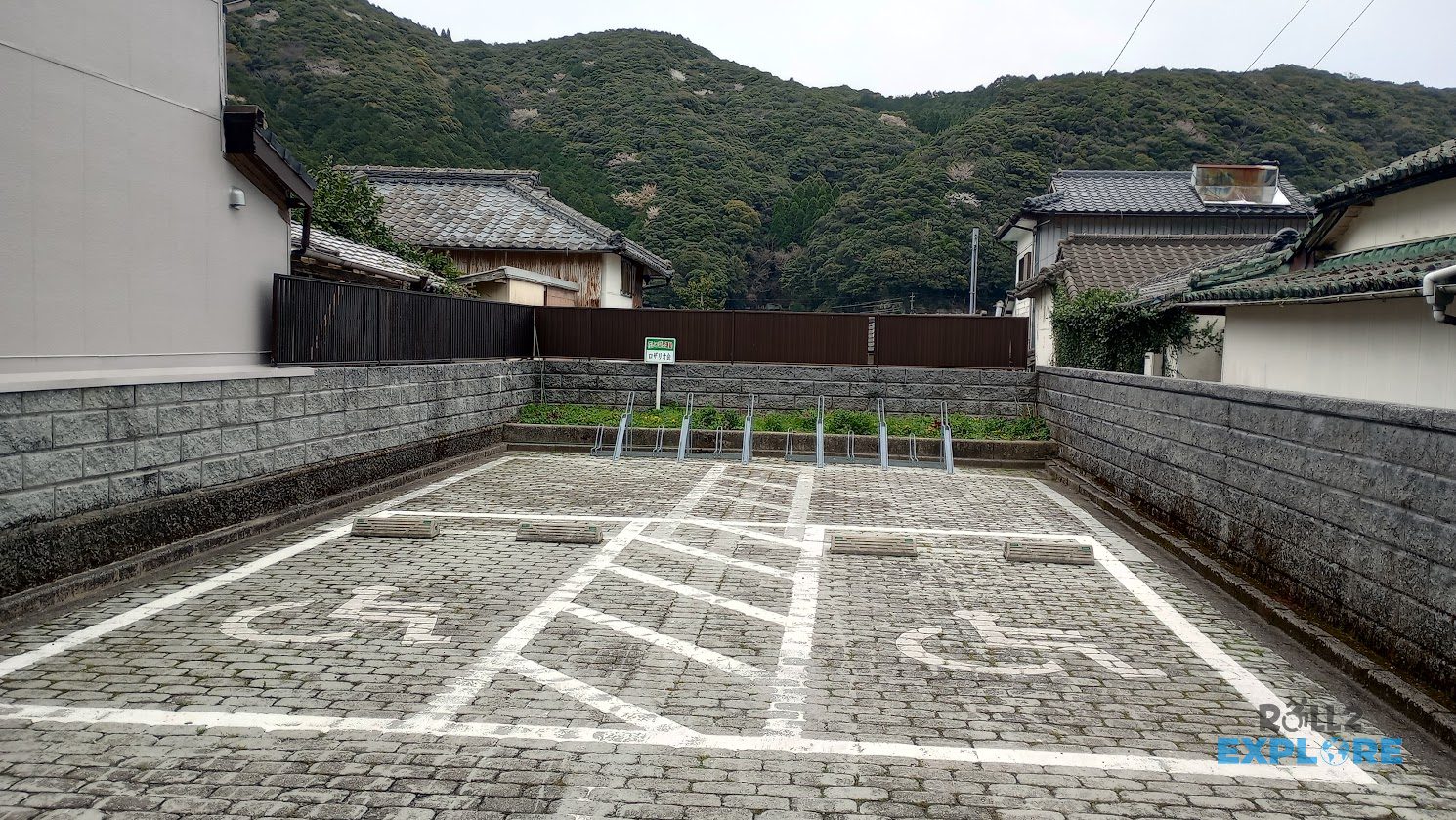
- Sidewalks in cities are generally flat and spacious with curb cuts; tactile paving is ubiquitous.
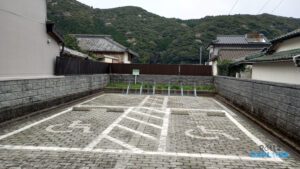
- Many dedicated disabled parking spots
- Weaknesses:
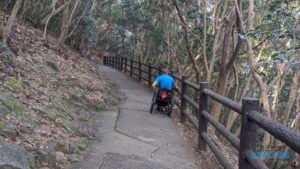
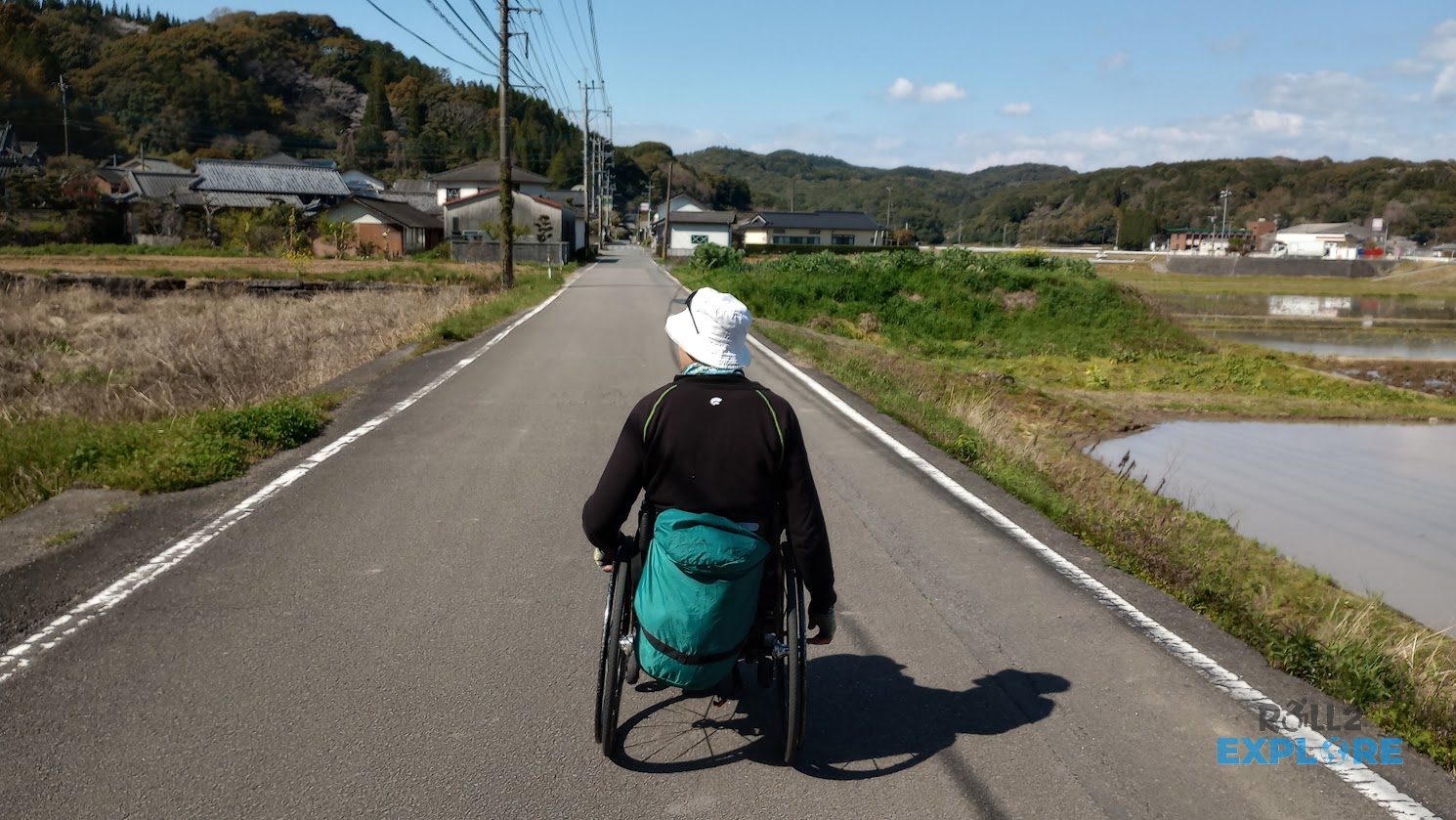
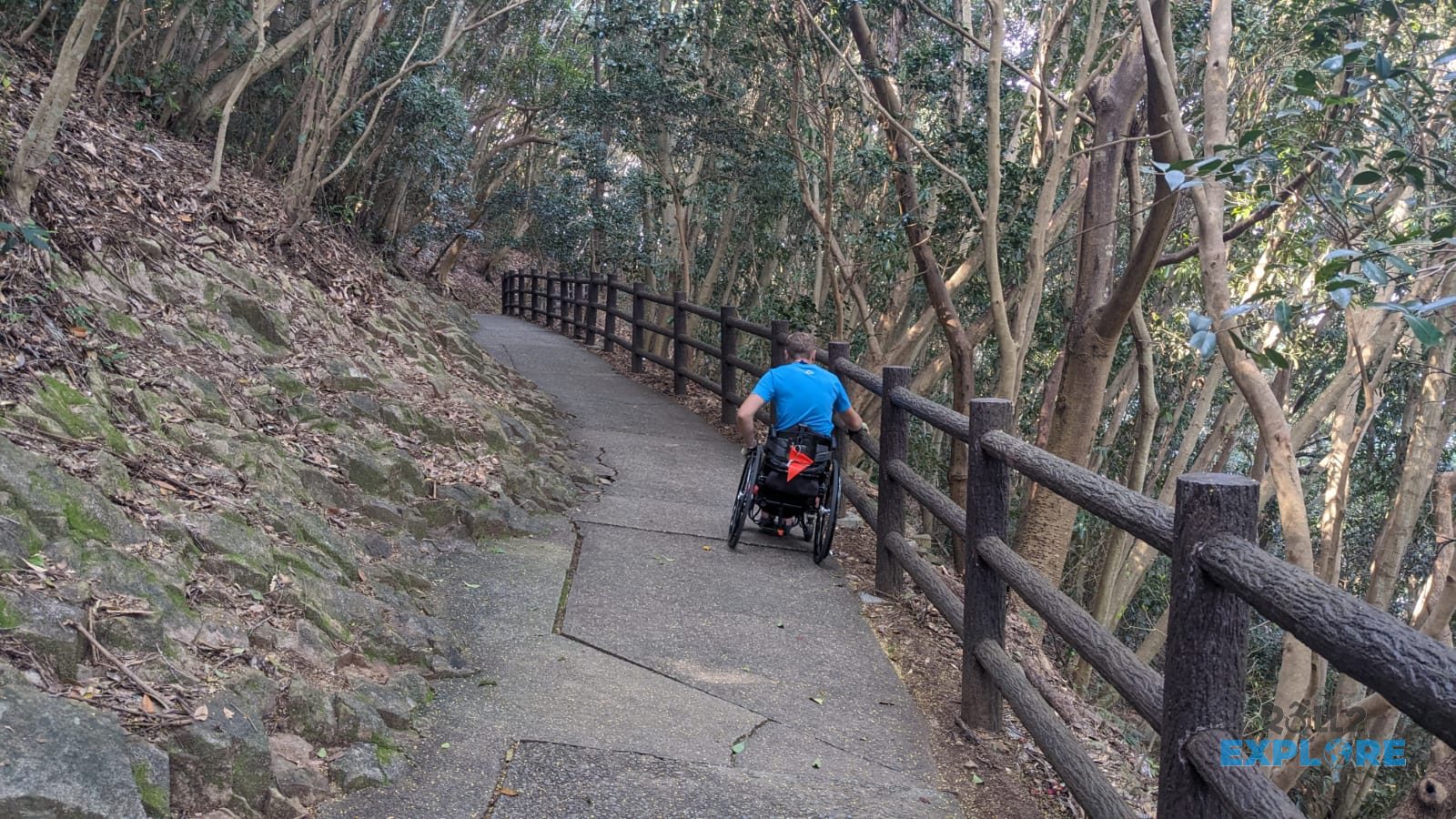
- Rural areas and older districts may lack sidewalks or have steep cuts.
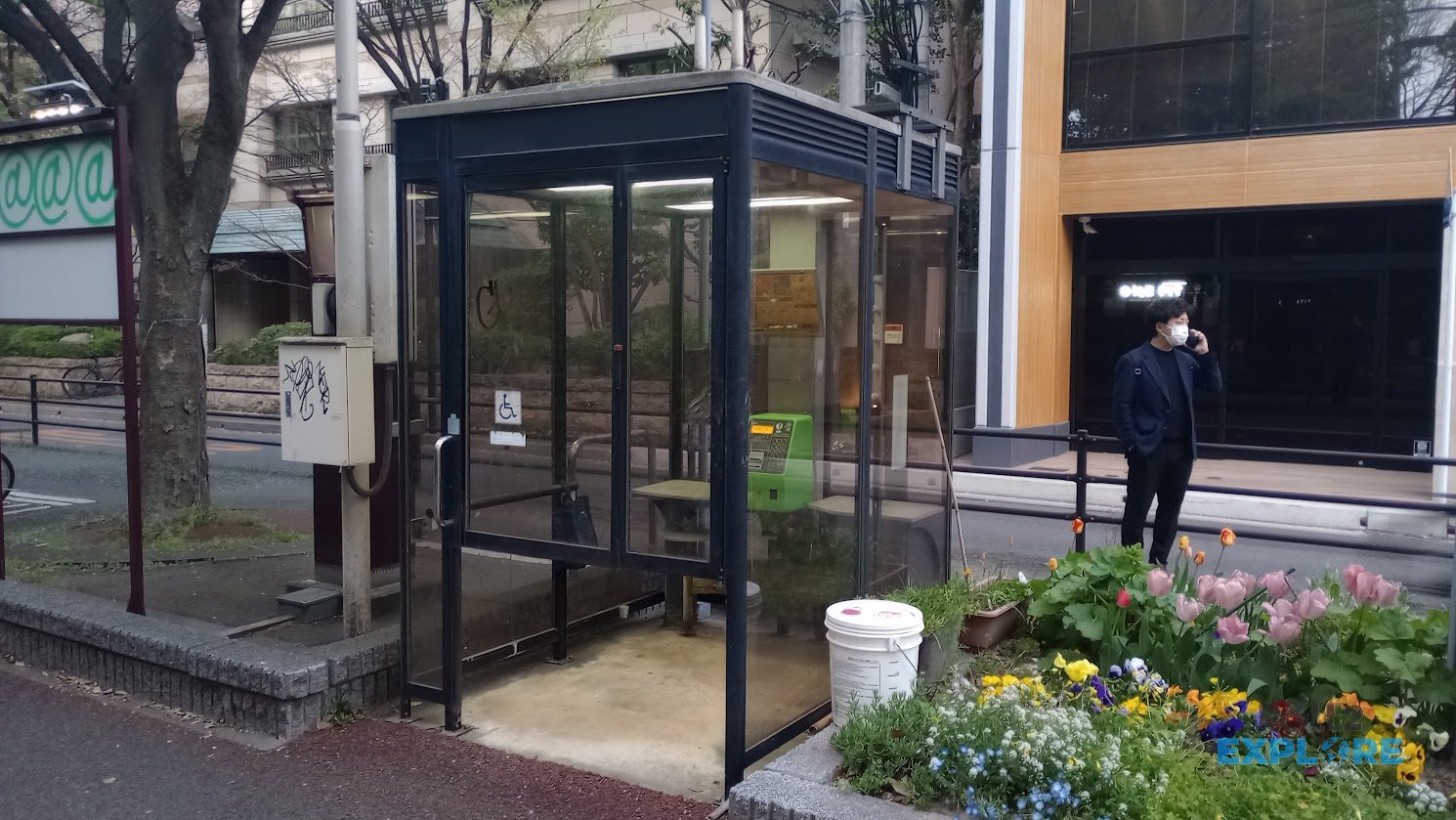
6. Accessible Toilets & Changing Facilities
Score: ♿♿♿♿♿♿♿♿♿♿ (10/10)
- Strengths:
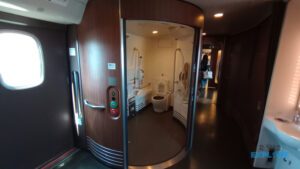
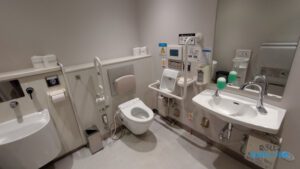
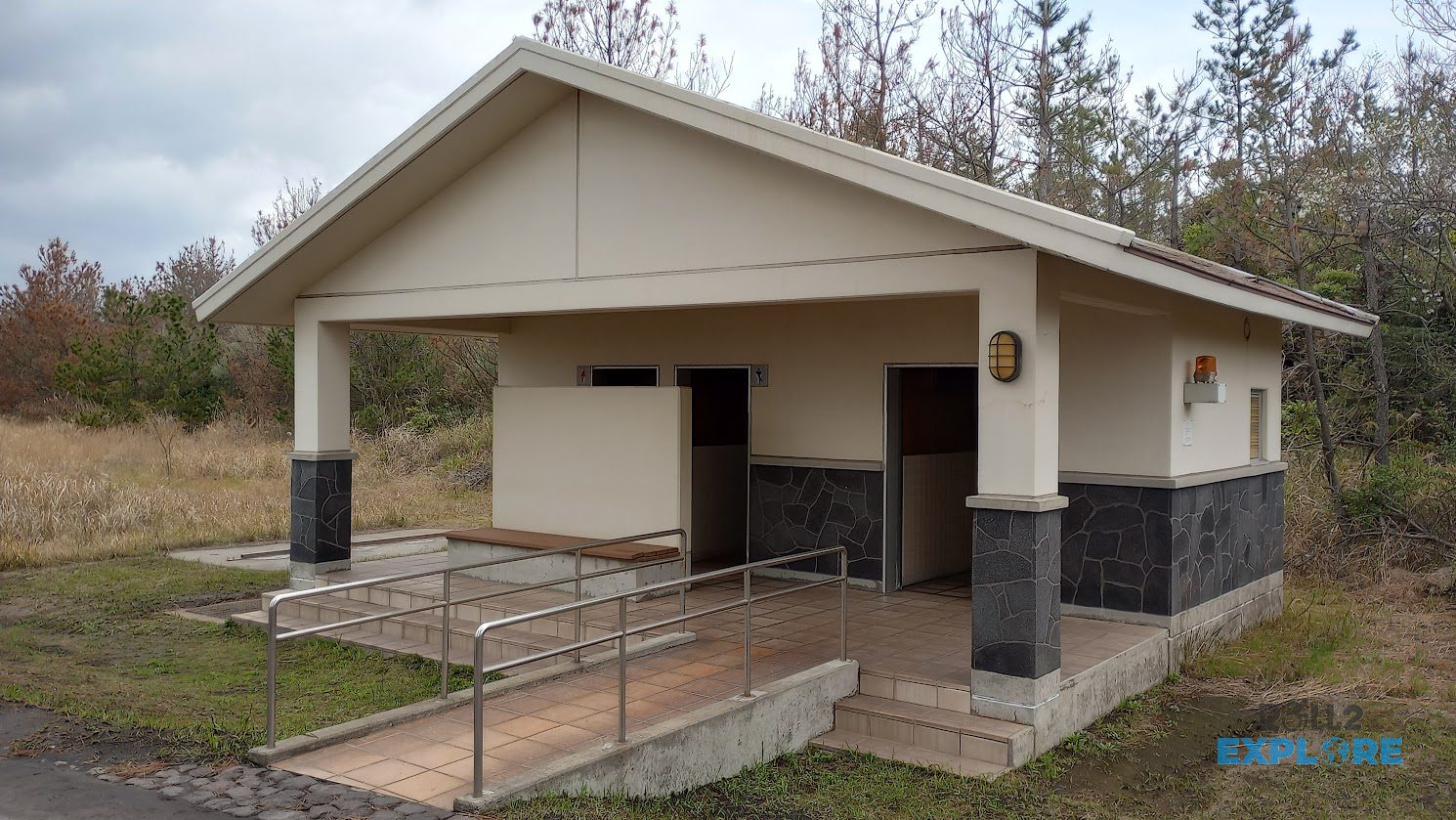
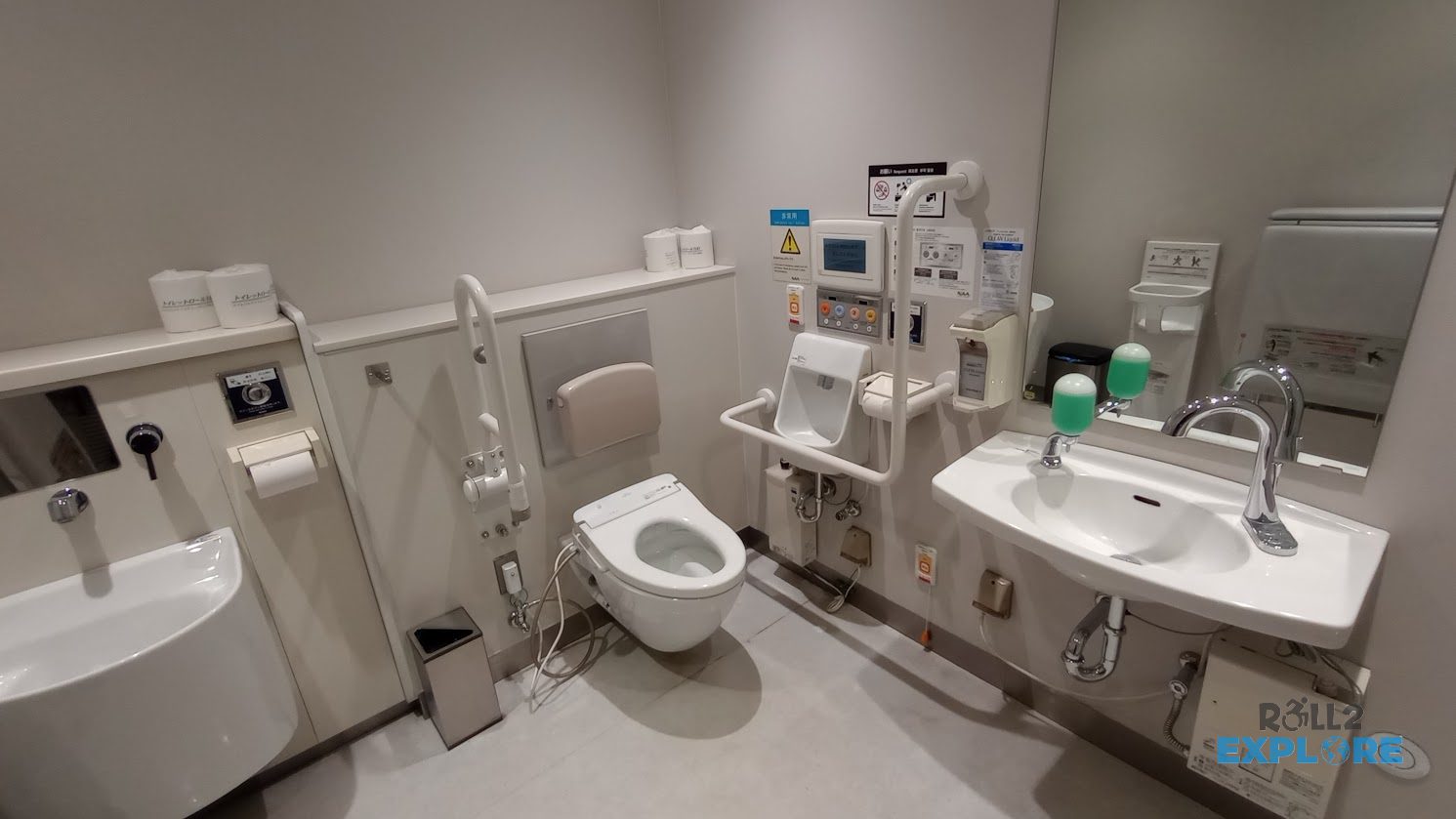
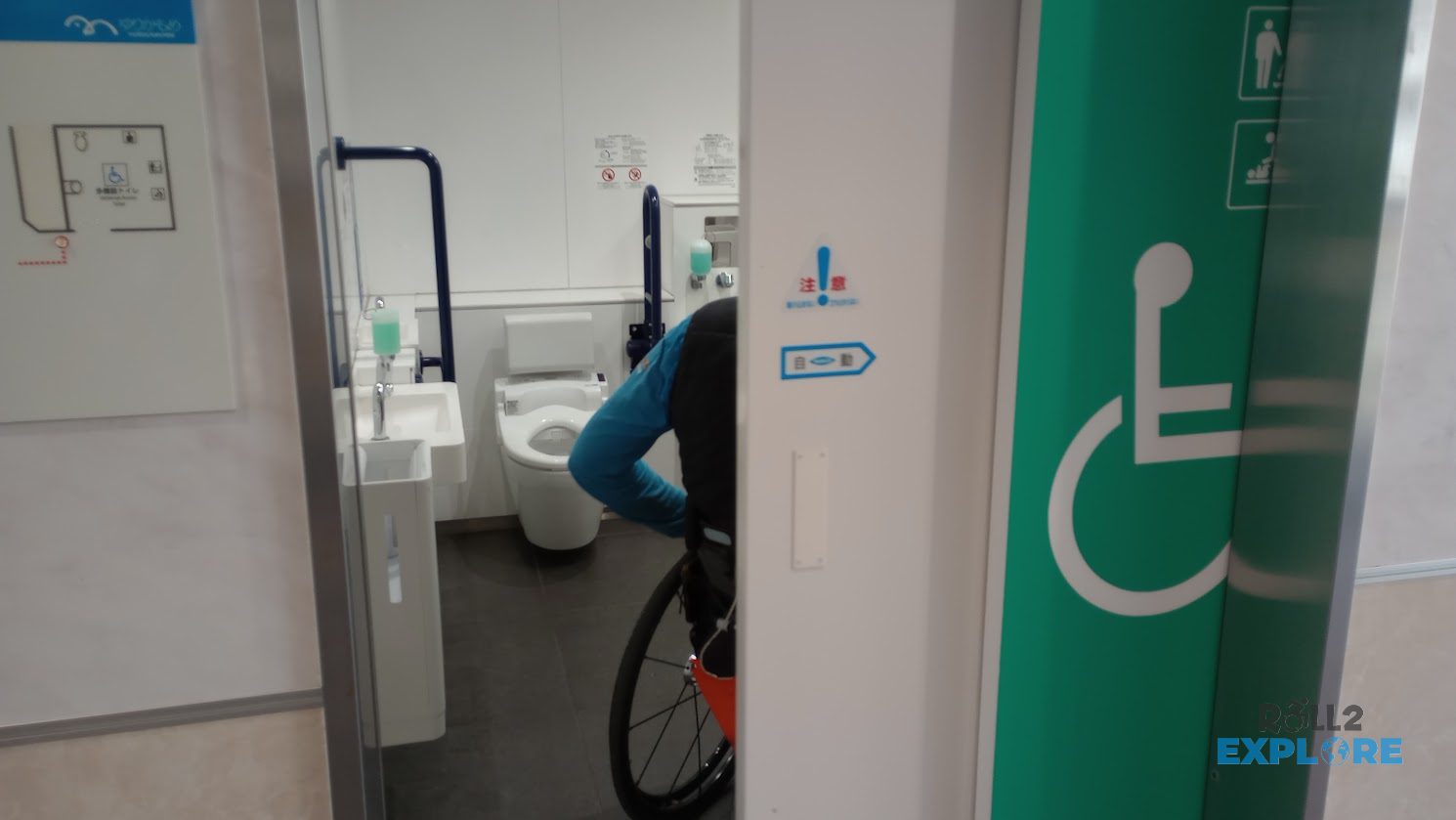
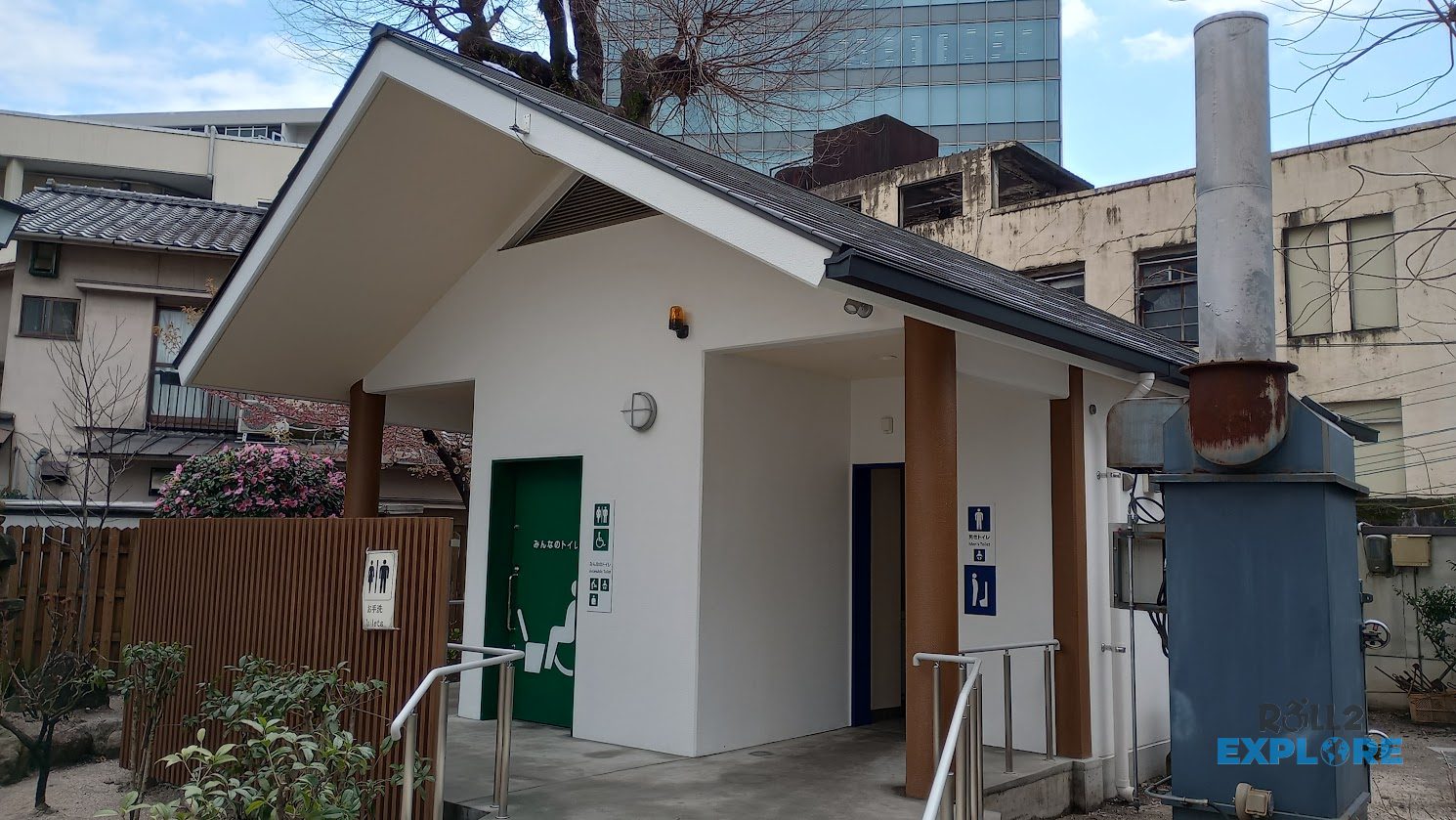
- Best in class! Multipurpose toilets (large, with handrails and ostomate facilities) are widespread in stations, malls, and attractions.
- Automatic doors and clear signage enhance usability.

7. Airport & Travel Hub Accessibility
Score: ♿♿♿♿♿♿♿♿♿ (9/10)
- Strengths:
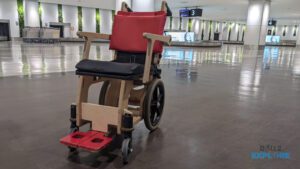
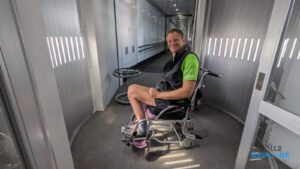
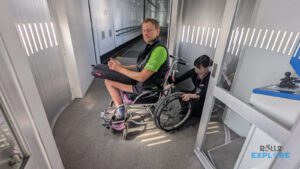
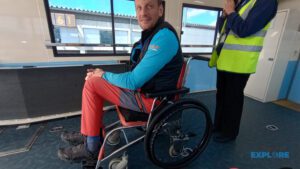
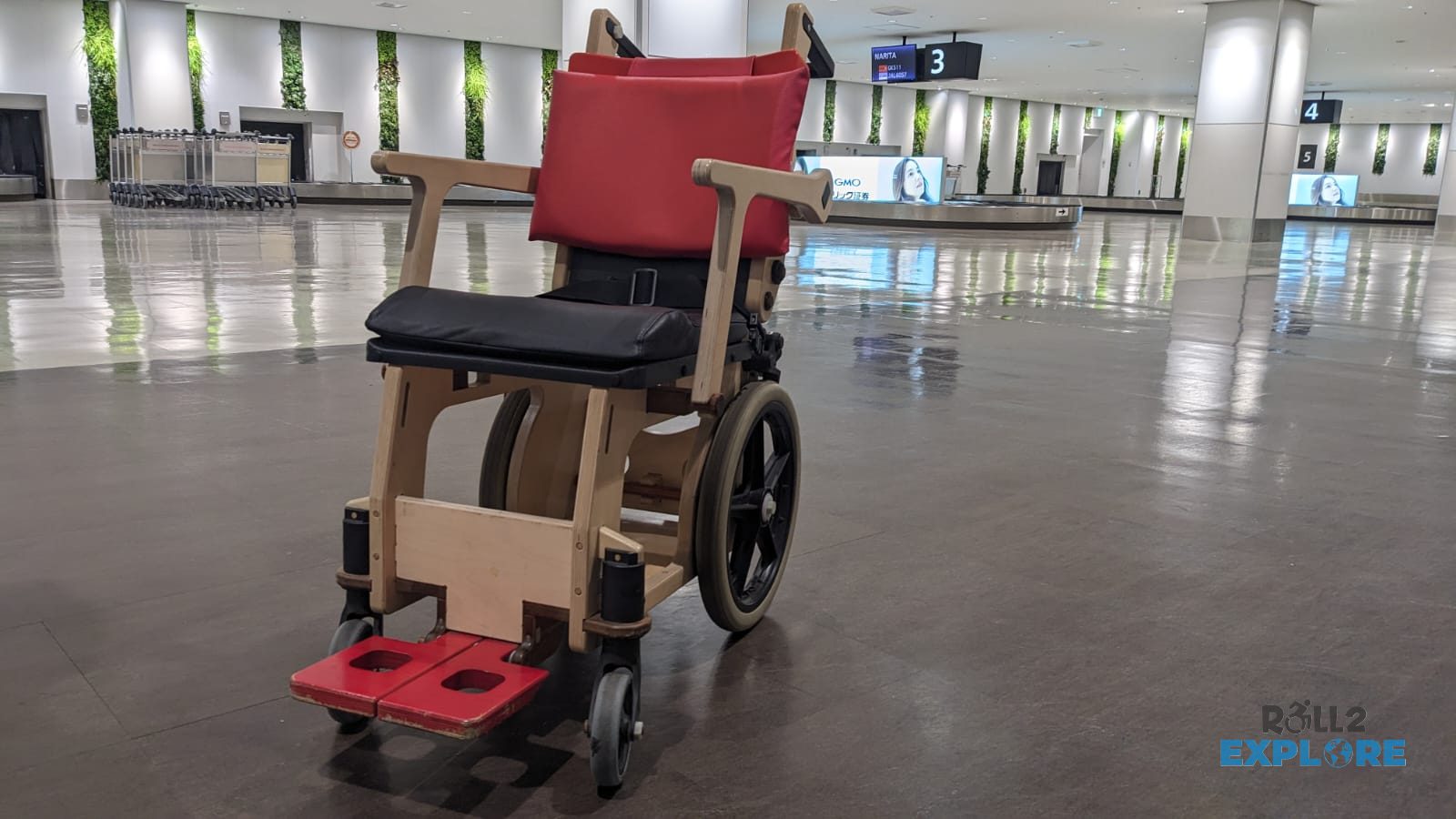
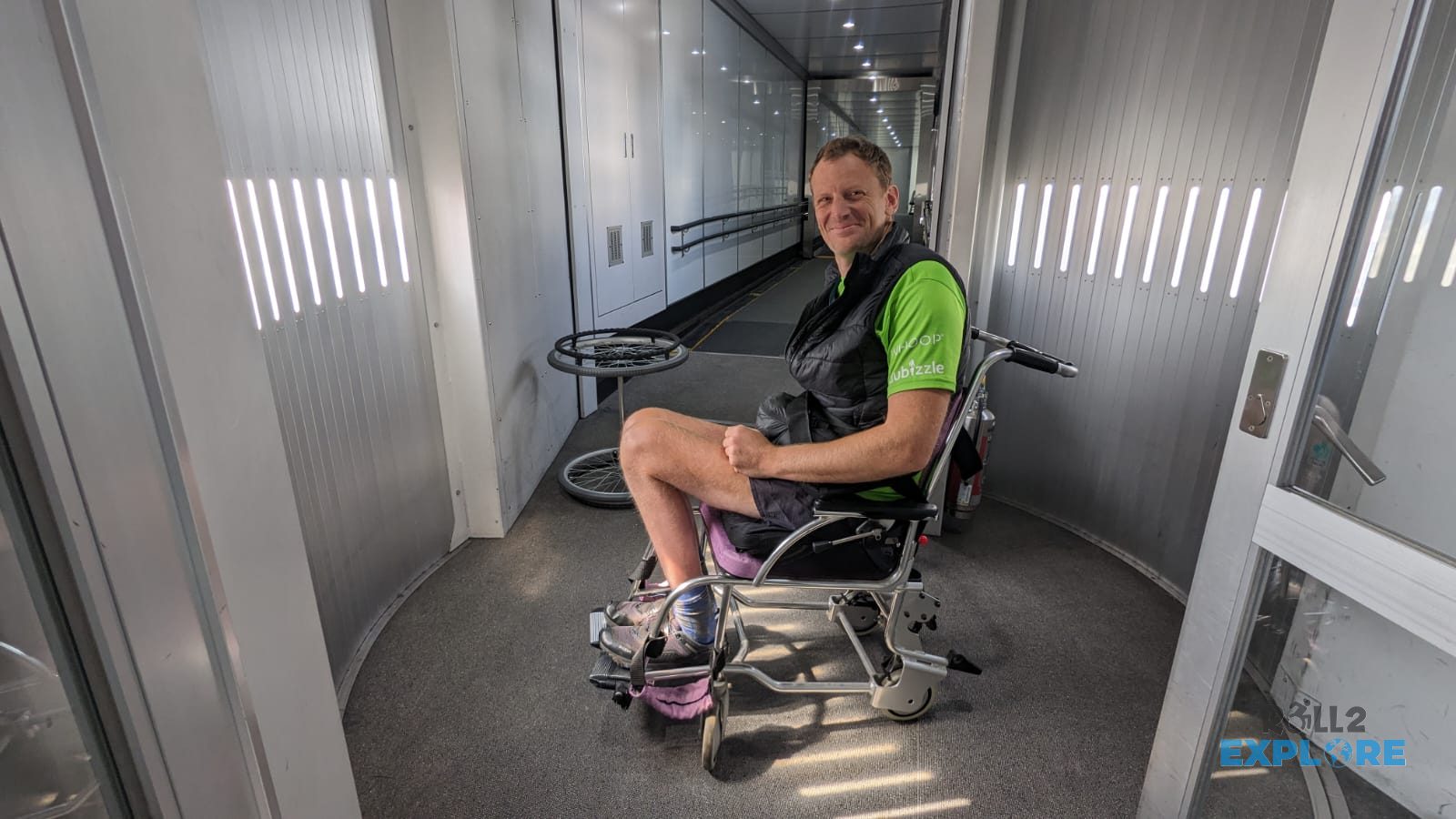
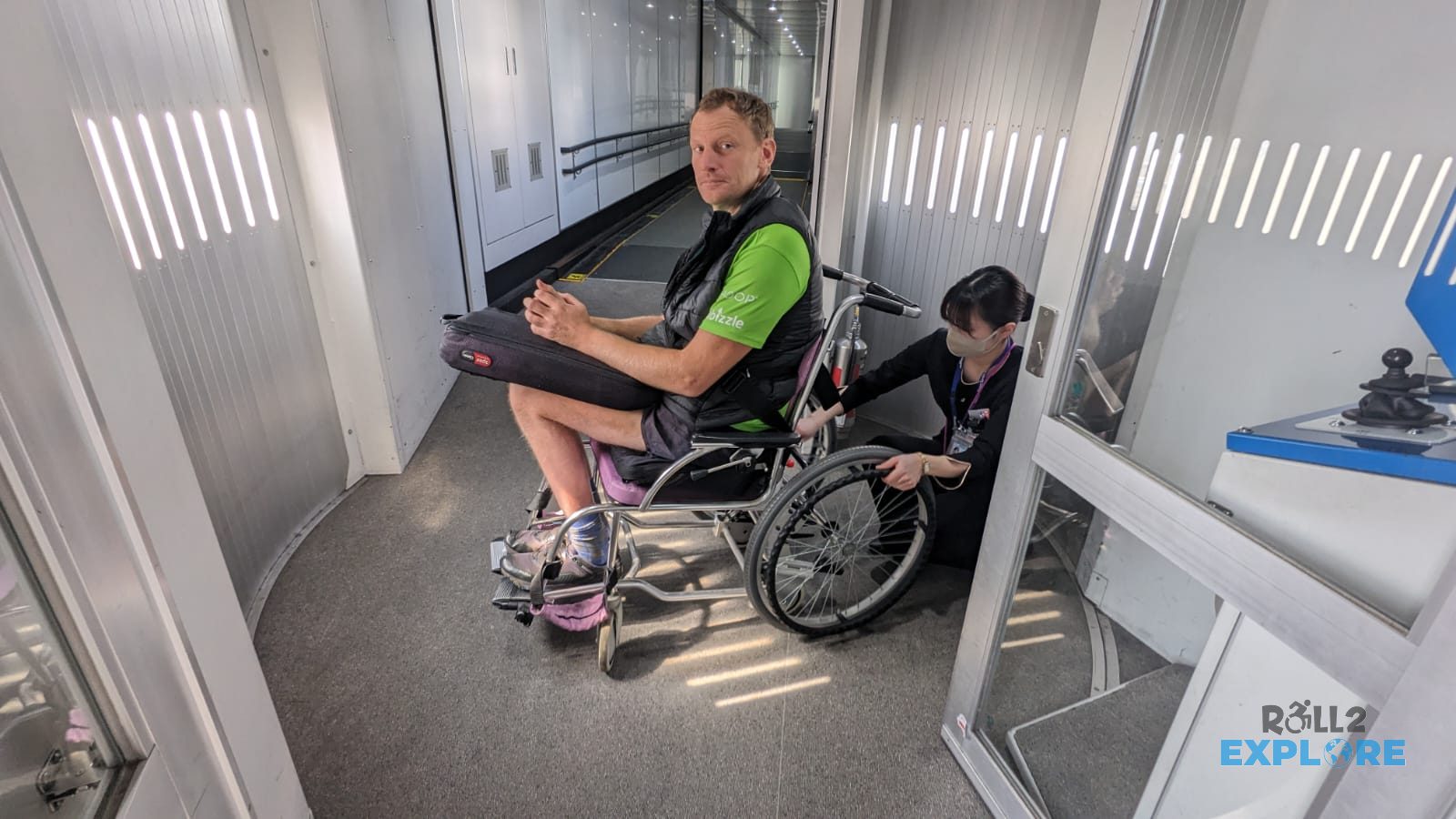
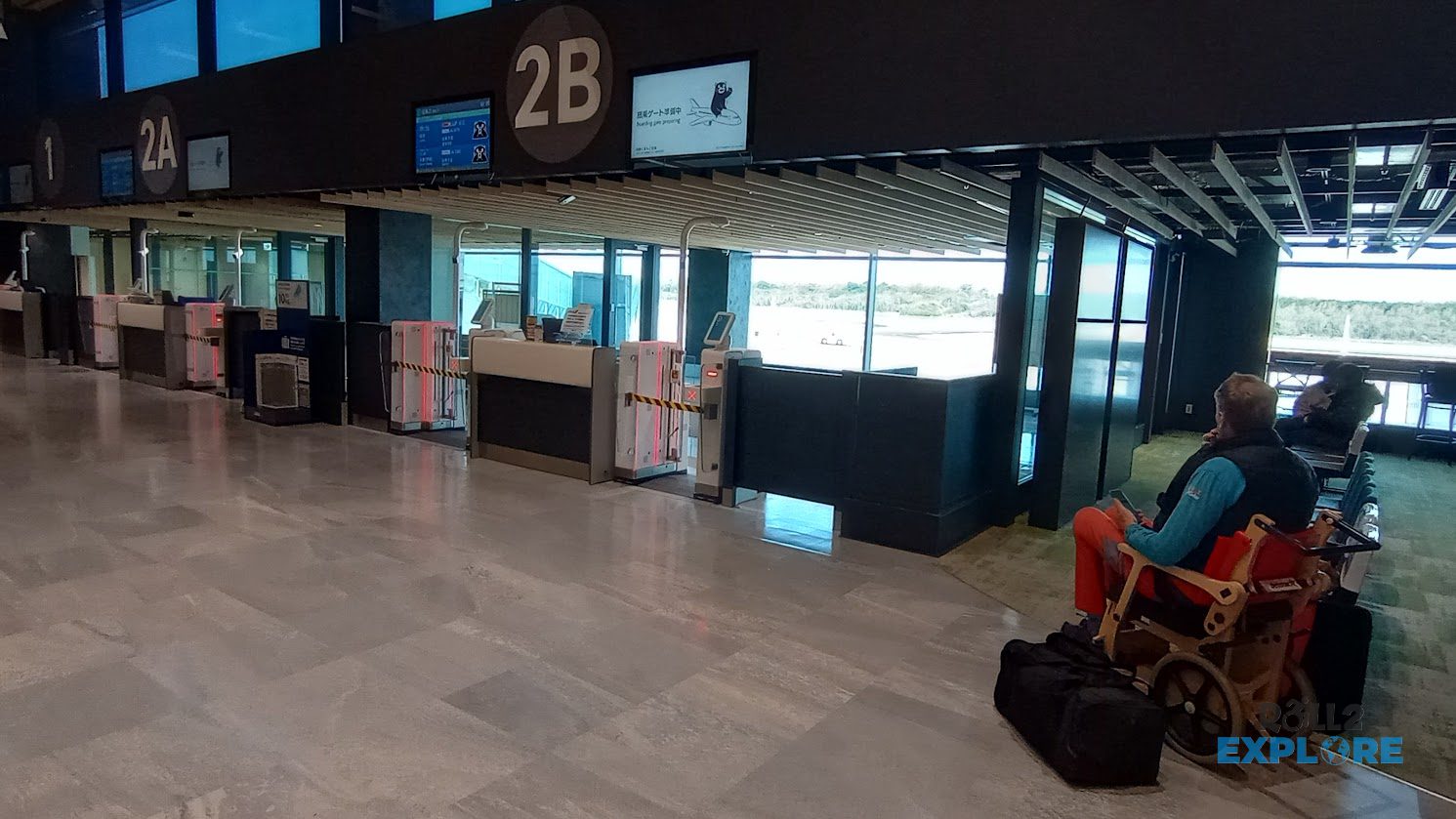
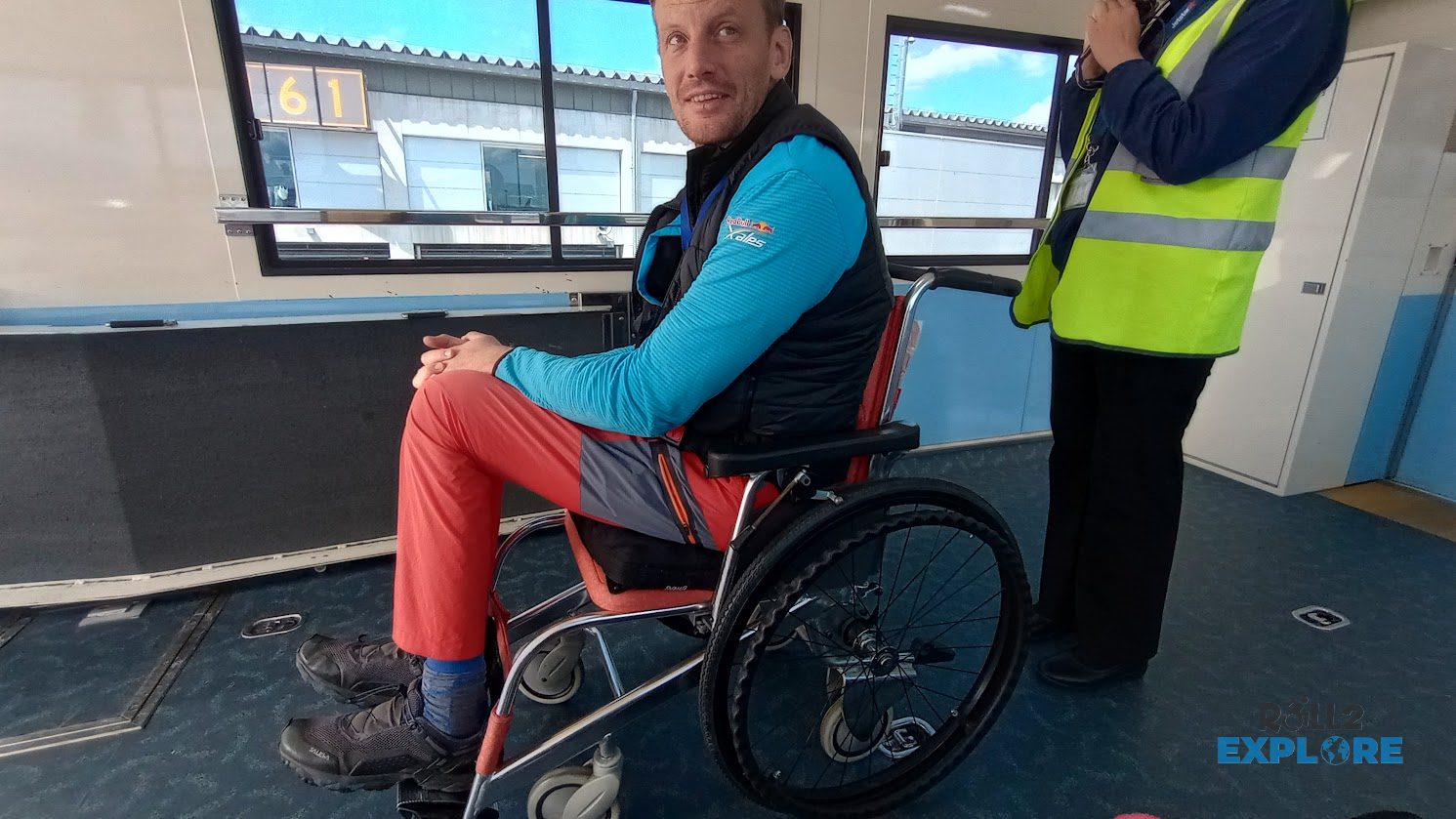
- All airports (Narita, Haneda) offer PRM assistance, wheelchair rentals, and accessible pathways.
- The staff is well-trained, punctual and always explains what tasks are they going to perform.
- Modern and useful solutions.
- Seamless check-in process taking great care of the wheelchair.
- Dedicated passport control counter (we have never experienced any queues there).
- Weaknesses:
- Most of the airport buses (coaches) have stairs.

8. Digital & Information Accessibility
Score: ♿♿♿♿♿♿♿♿ (8/10)
- Strengths:
- Resources like Accessible Japan and Japan Accessible provide detailed guides.
- Google Maps correctly marks accessible places.
- Weaknesses:
- Real-time accessibility updates (e.g., elevator outages) are rarely available in English.
- Information in English is mostly available only for big cities.
9. Local Policies & Societal Attitudes
Score: ♿♿♿♿♿♿♿♿ (8/10)
- Strengths:
- Strong legal framework (e.g., 2011 Basic Act for Persons with Disabilities) and Paralympics-driven improvements.
- Staff are typically courteous and proactive in assisting wheelchair users.
- Japanese people are incredibly polite and will often go out of their way to assist if asked.
- Weaknesses:
- Disability discounts (e.g. transport, tourist attractions) often require Japanese residency proof.
- Due to cultural norms around privacy and respect for personal space, locals may hesitate to approach strangers—including disabled travellers who might need assistance—unless explicitly asked.
10. Emergency & Healthcare Accessibility
Score: ♿♿♿♿♿♿♿♿♿ (9/10)
- Strengths:
- Hospitals are generally accessible.
- Weaknesses:
- English-speaking staff are limited.
Overall Average Score: ♿♿♿♿♿♿♿♿ (8.2/10)
Why? Japan is a global leader in urban accessibility (toilets, transport, infrastructure) but has room to improve in rural areas, some historic sites, and real-time information.
Conclusion: With its extensive accessible infrastructure, considerate services, and widespread awareness, Japan stands out as arguably the most accessible country in Asia. We highly recommend it—even for solo disabled travellers—as a destination that prioritizes inclusivity and ease of travel.
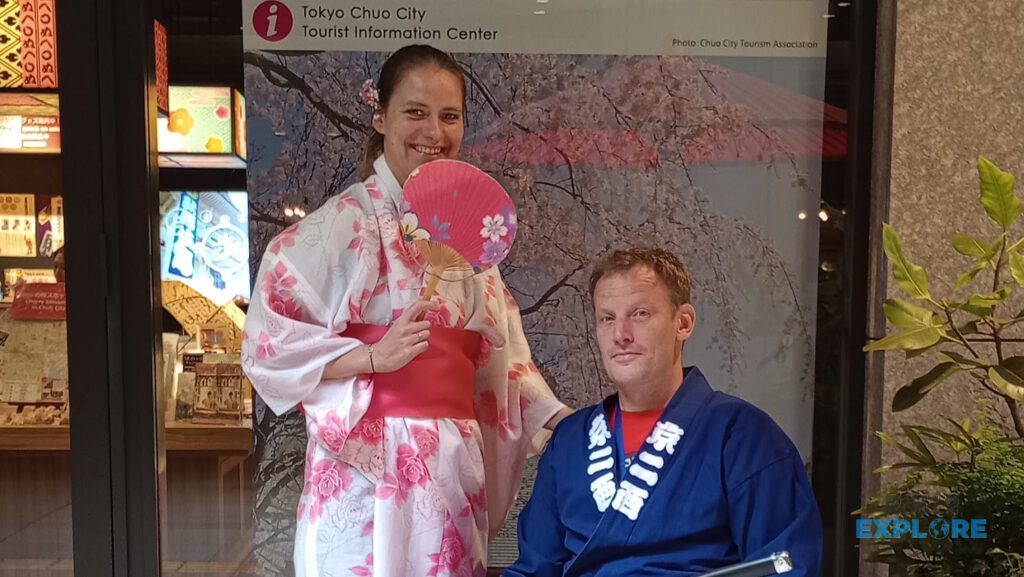
Our 10 Wheelchair-Accessible Free or Cheap Favorites in Tokyo
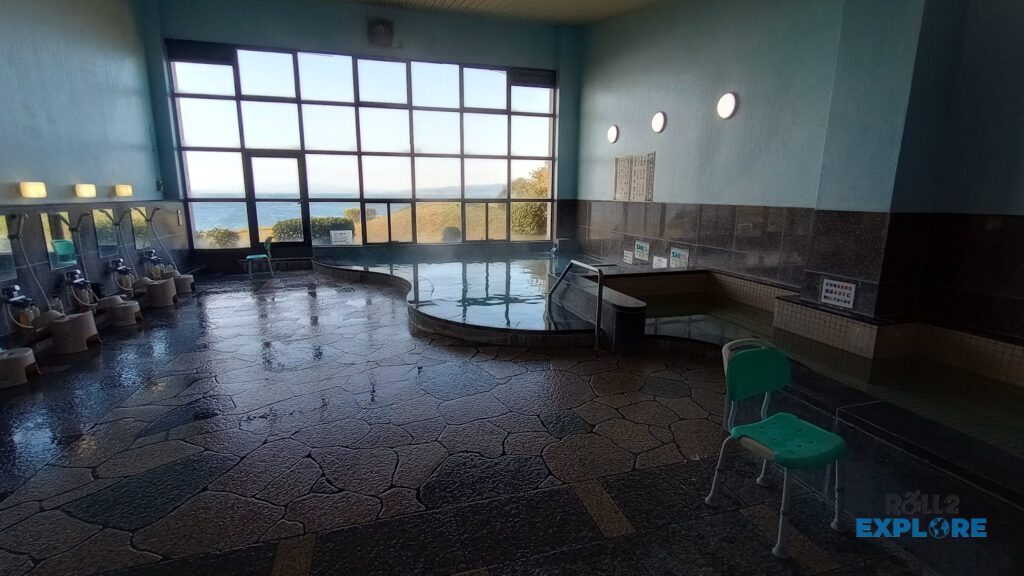
Accessible Onsen in Japan: Enjoying Hot Springs with Ease
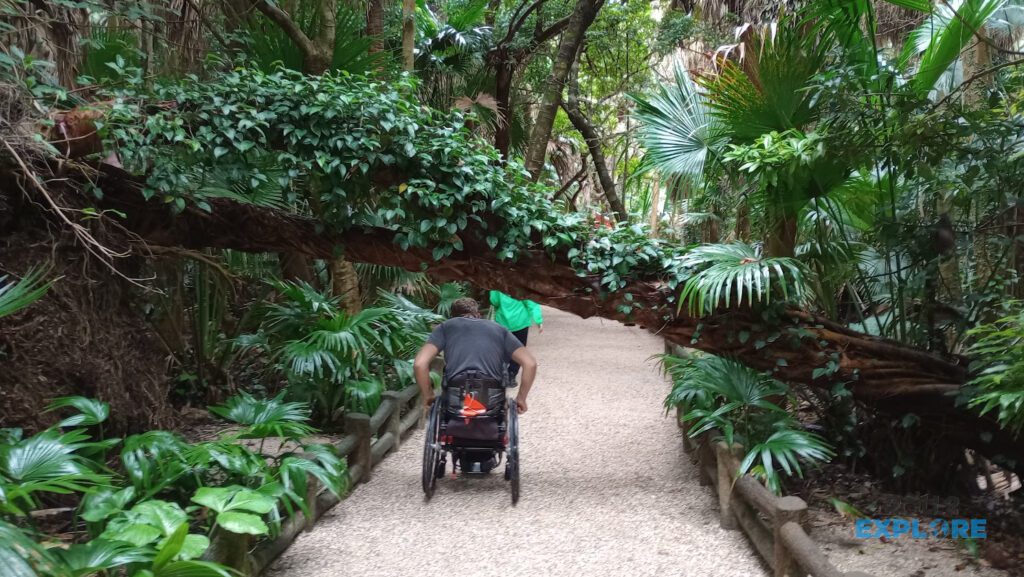
Wheelchair-Accessible Kagoshima & Nearby
Wheelchair-Accessible Kagoshima & Nearby Kagoshima’s blend of volcanic landscapes and subtropical beauty makes it a…
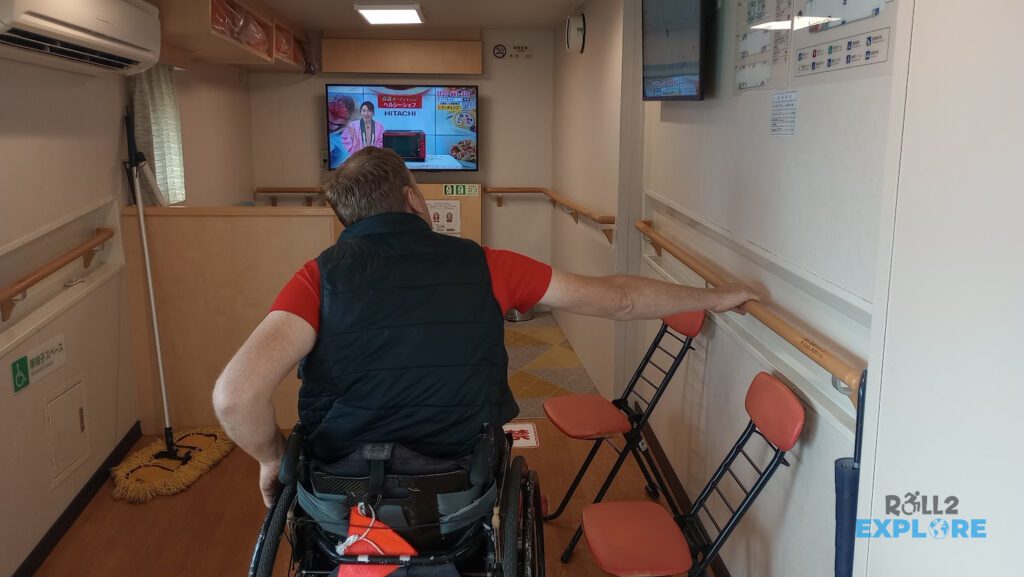
Accessible Ferry Travel from Shoura to Amakusa: Timetables, Prices, and Facilities
Accessible Ferry Travel from Shoura to Amakusa: Timetables, Prices, and Facilities Traveling by ferry isn’t…
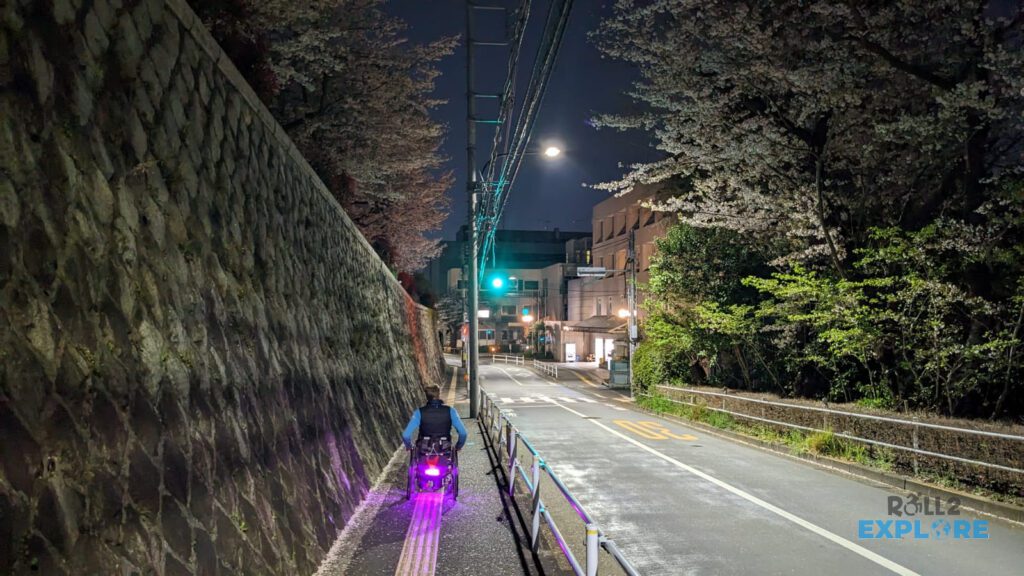
Toyama Sunrise: Affordable Accessible Accommodation in Tokyo
Toyama Sunrise: Affordable Accessible Accommodation in Tokyo Toyama Sunrise (戸山サンライズ) is a national welfare center in Tokyo…