
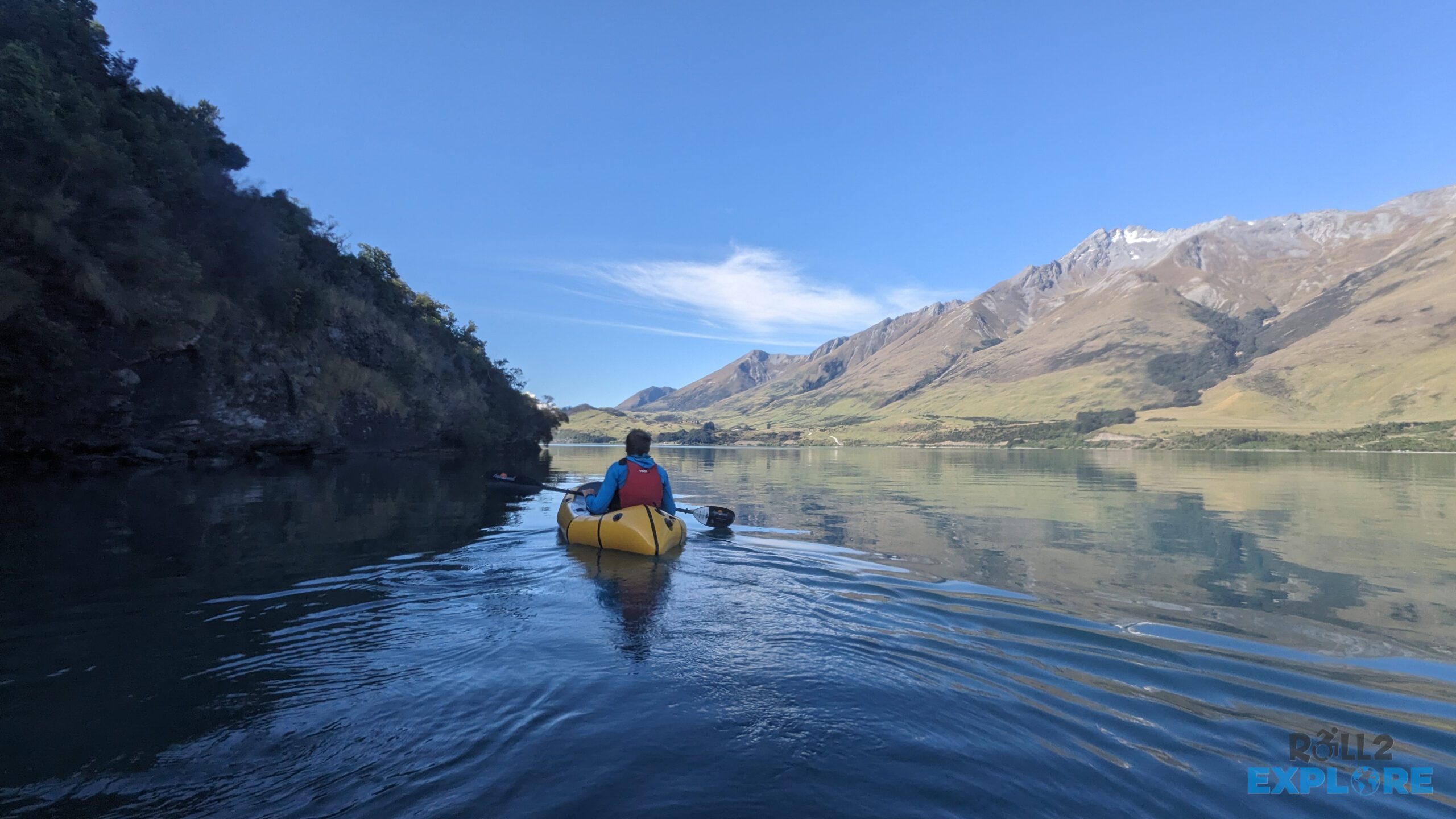
Packrafting:
A Disabled Person’s Adventure on the Water
Kayaking, canoeing, and packrafting offer a unique sense of independence. For many people with disabilities, outdoor activities are often designed with group participation in mind, which can sometimes limit personal autonomy. However, these water sports allow individuals to engage in solo adventures at their own pace.
Packrafting, in particular, offers a high level of portability and flexibility. It’s easy to transport, and the boats are lightweight and inflatable, which means that you can carry a packraft and paddle on your own, even if you have mobility challenges. Whether you’re paddling a quiet river or navigating through calmer waters, being able to control your own journey can be an empowering experience.
What Is Packrafting?
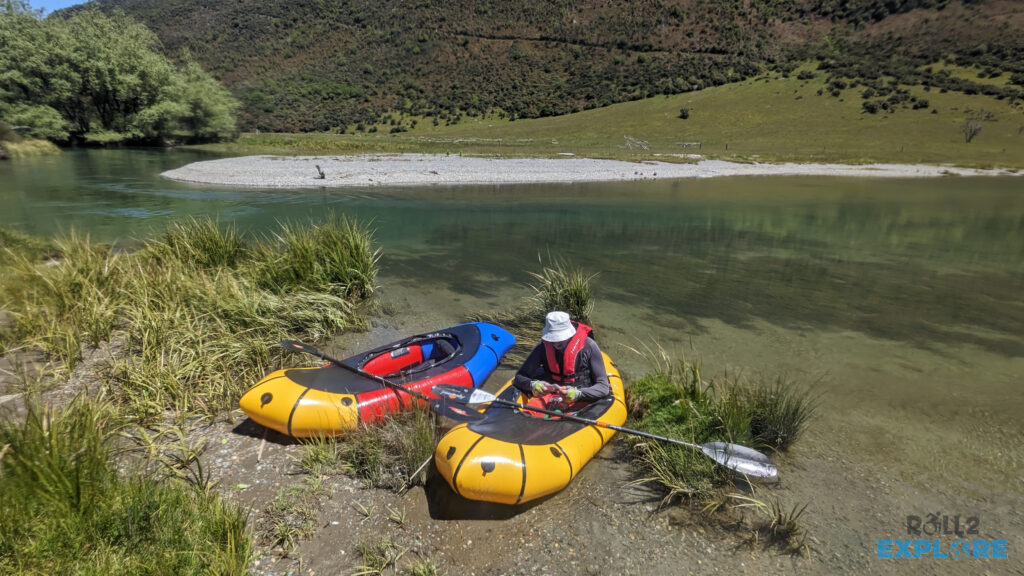
Packrafting involves using small, inflatable boats that are designed to be light and portable. The boats can be carried in a backpack, making them ideal for those who want to explore remote areas that are difficult to access by foot. Once you reach the water, you inflate the raft using an inflation bag, assemble the paddle and you are ready to go. The compact nature of packrafts allows you to take them to places where larger, rigid boats might struggle to go, like smaller rivers or lakes, which makes them particularly useful for people with mobility issues.
Unlike traditional kayaks or canoes, packrafts are generally easier to handle and transport. This simplicity is what drew us to the sport, and it’s why we believe it’s such a great option for anyone looking for a way to enjoy the water while accommodating different levels of ability.
Why Packrafting Can Be Ideal for Disabled Adventurers
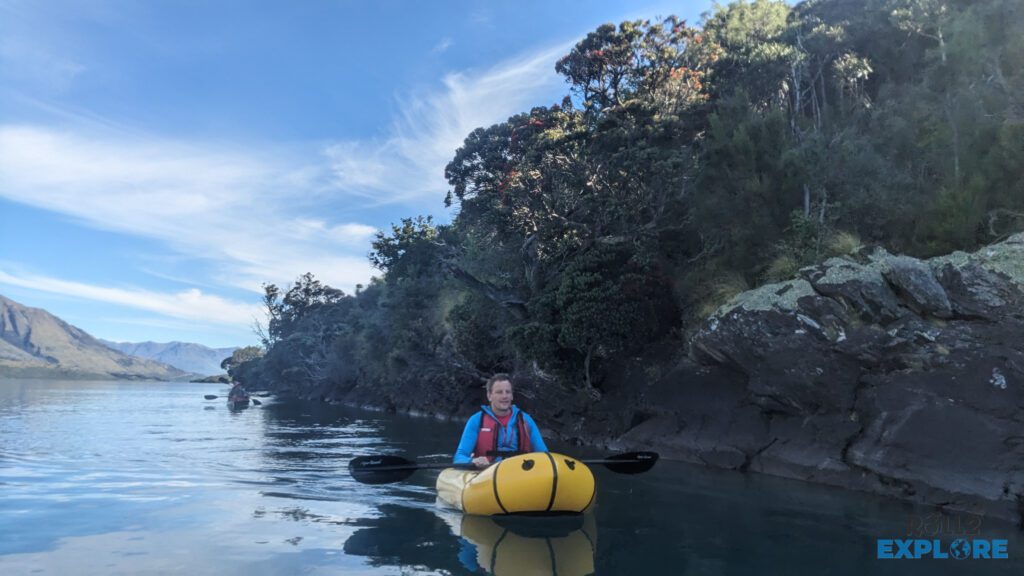
- Lightweight and Easy to Transport One of the first things that appealed to Nick about packrafting was the light weight of the boat itself. Most packrafts weigh between 1.5 and 6 kilograms, which makes them manageable for people with limited strength or mobility. Whether you’re using a wheelchair or need assistance with walking, the boats are easy to carry or transport to the water’s edge. There’s no need for a large trailer or heavy equipment—just a small pack on your back.
- Comfort The inflatable nature of the boat means it can conform to the body in a way that rigid boats can’t. Even though the probality of pressure sores is much smaller, we would still recommend using a special cushion (e.g. ROHO).
- Access to Smaller, More Remote Waterways One of the biggest advantages of packrafting is the ability to access waterways that larger boats can’t reach. For people with disabilities, this is an invaluable aspect of the sport. With packrafts, you can explore smaller lakes and quiet streams. This opens up a whole new world of exploration that might not be possible with other types of boating.
- Solo or Group Experience Packrafting can be done solo or with others, giving you the flexibility to choose the kind of experience you want. If you’re someone who enjoys solitude and independence, you can go alone. But if you prefer companionship, packrafting can easily be a group activity.
- Mental and Emotional Benefits Spending time outdoors has been shown to improve mental well-being, and for those of us with disabilities, getting out on the water can be particularly healing. The calmness of a quiet river, the beauty of surrounding landscapes, and the rhythm of paddling can be grounding and peaceful.
- Low Physical Demands The inflatable boats are relatively stable and easy to handle, meaning that you don’t need a lot of strength or stamina to enjoy the experience. You can spend a day on the water without the physical strain that might come with more demanding activities.
What to Consider Before Starting
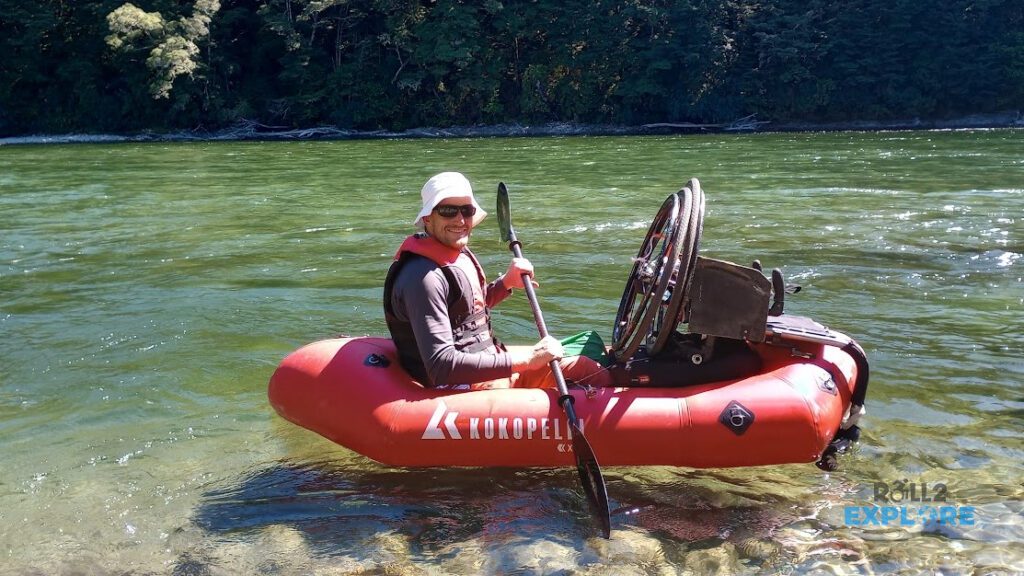
- Gear Adaptation Adjust your seating to ensure comfort while paddling. We would advise using a cushion inside the packraft to minimize the risk of pressure sores (Nick uses a ROHO cushion).
- Safety and Preparation It’s important to start in a safe, controlled environment. Practice on a calm lake or slow-moving river to get used to paddling and steering the raft. Safety is key—make sure to wear a life jacket, check your equipment before each trip, and stay within your limits until you’re more comfortable.
- Choosing the Right Location Not all waterways are equally accessible. When choosing where to packraft, look for locations that are easy to reach and have calm waters, especially if you’re just starting out.
Embracing a New Kind of Adventure
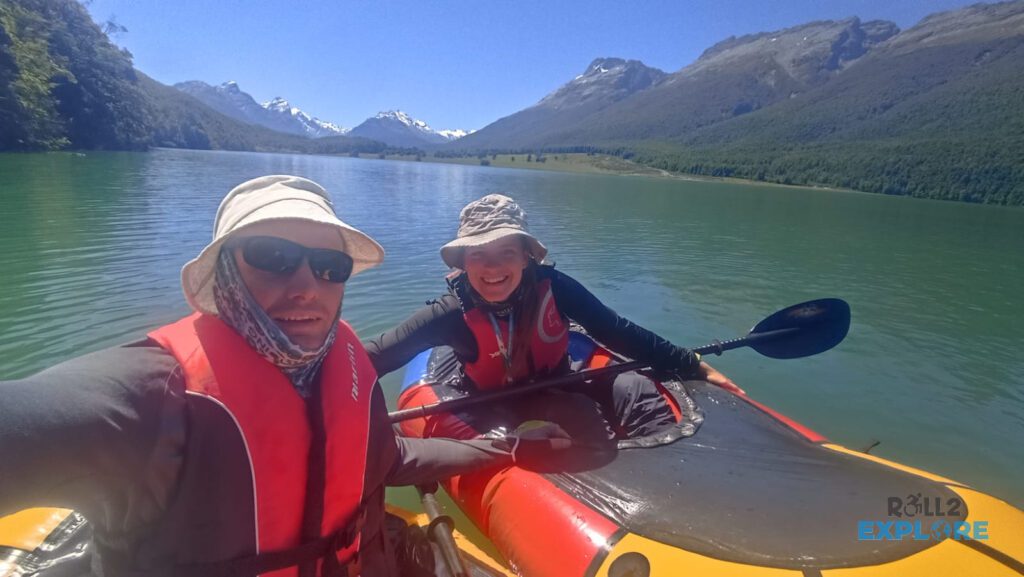
Packrafting gives you the freedom to enjoy nature, challenge yourself, and experience the kind of peace that only comes from being on the water. It’s not about pushing yourself to the limit or proving anything to anyone. It’s about finding a pace and a level of comfort that works for you, and simply being in the moment and enjoying the nature.
If you’ve tried packrafting or are interested in giving it a go, we would love to hear your thoughts or experiences!