
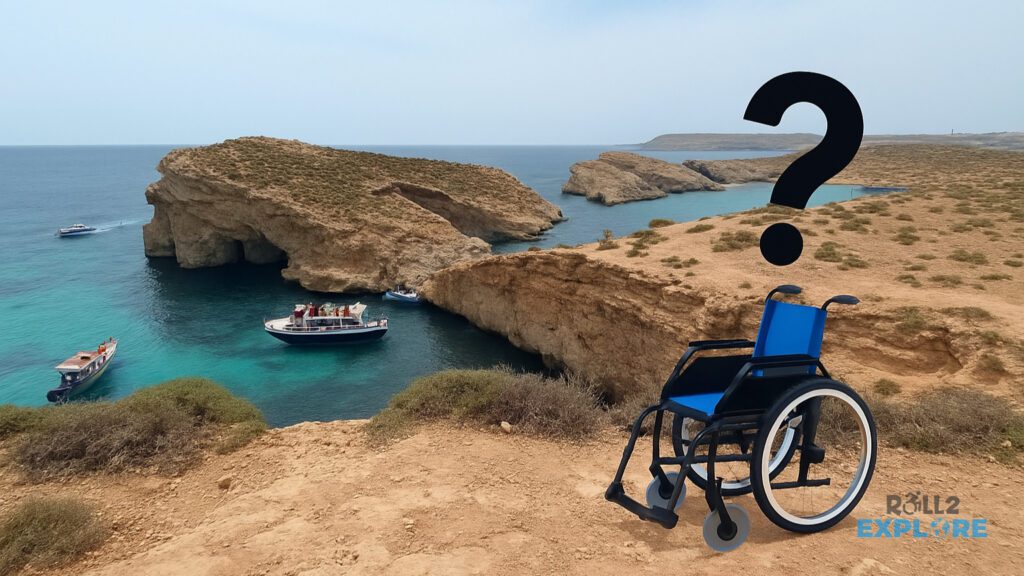
Malta’s Wheelchair Accessibility Rating
(♿ = 1 point, max 10 per category)
1. Public Transportation Accessibility
Score: ♿♿♿♿♿ (5/10)
- Strengths:
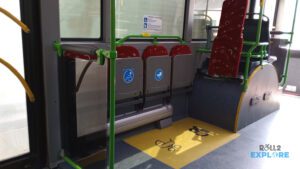
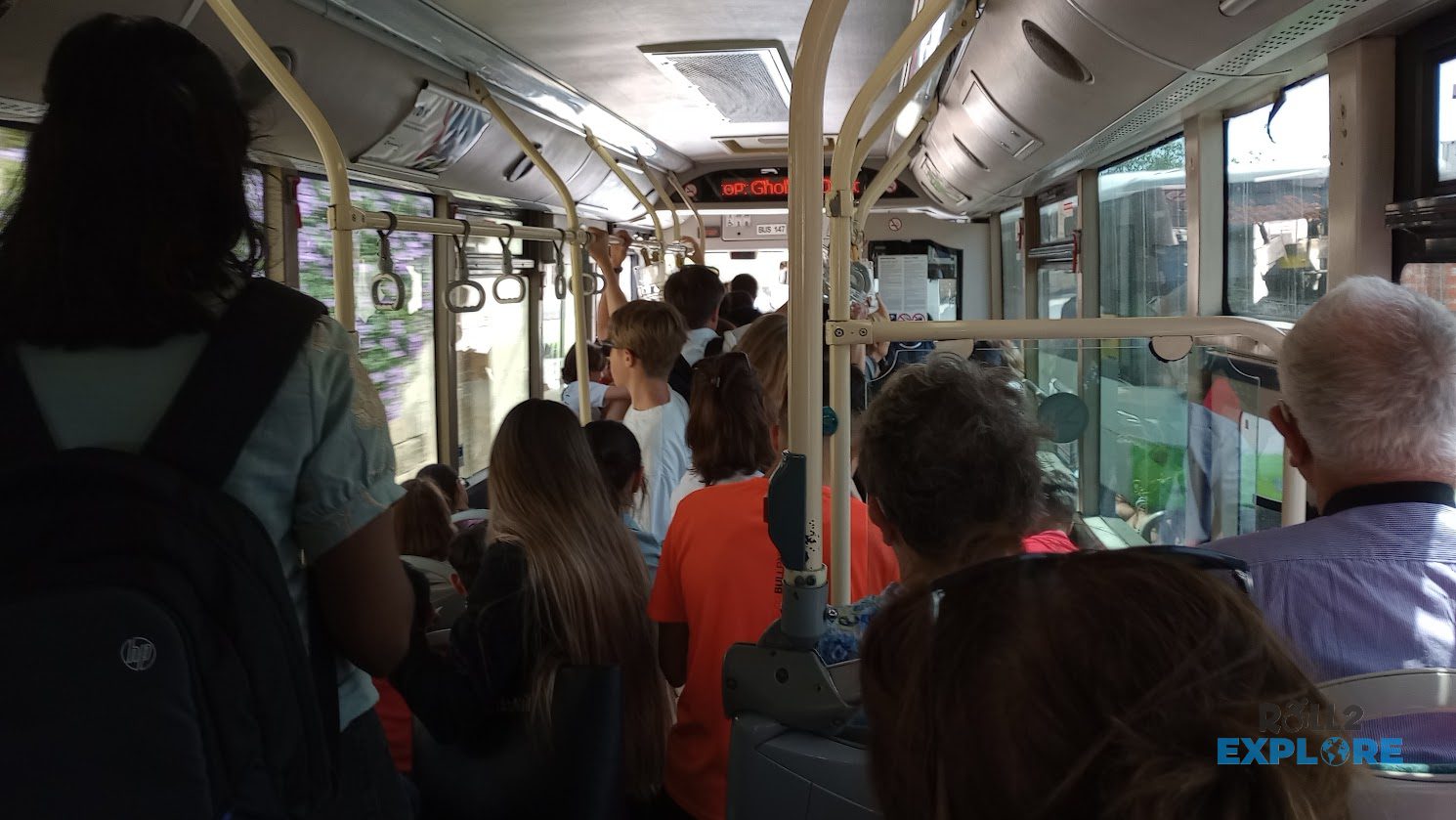
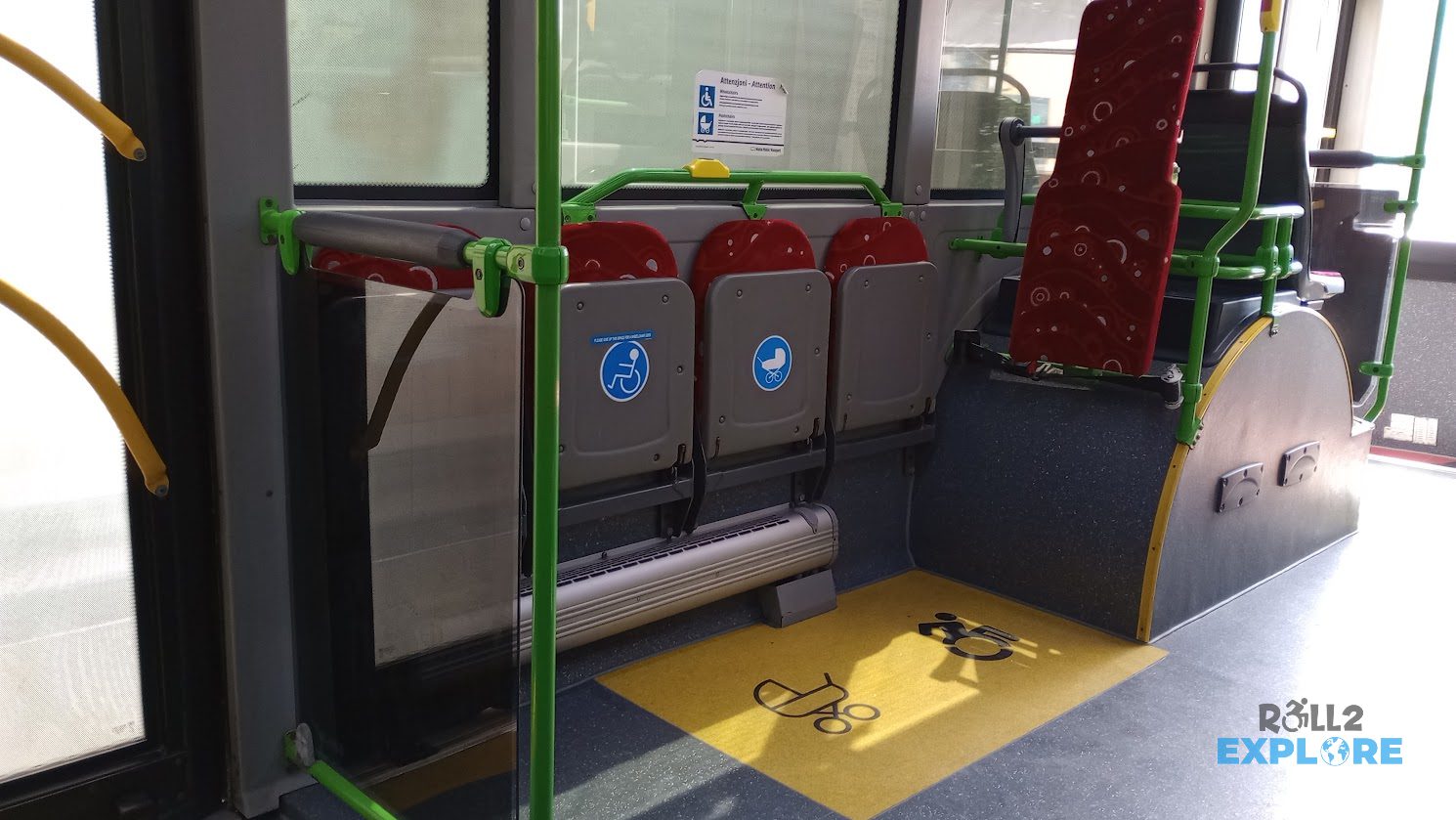
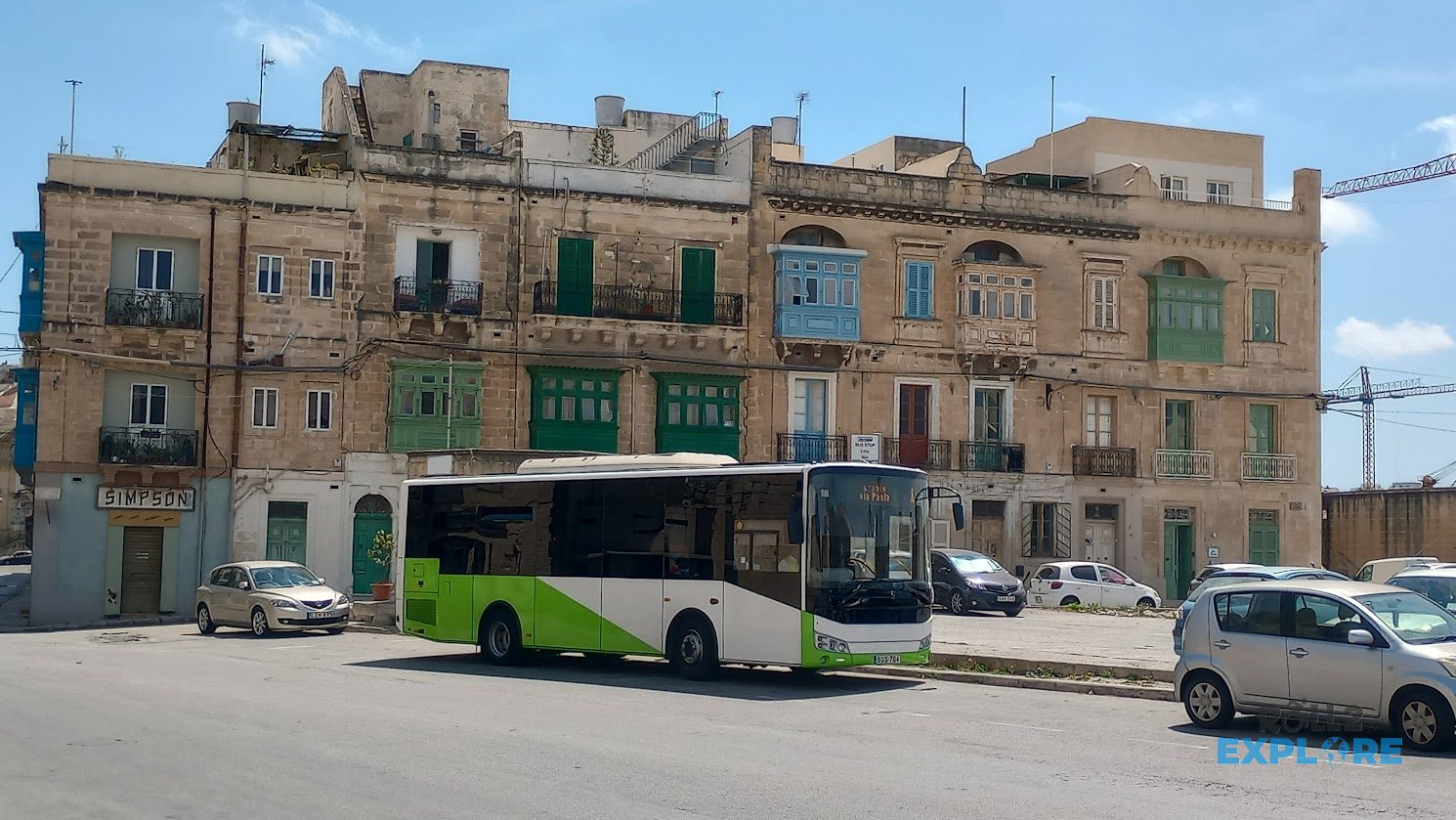
- Buses in Malta have ramps and priority seating.
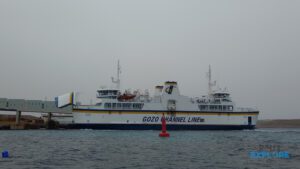
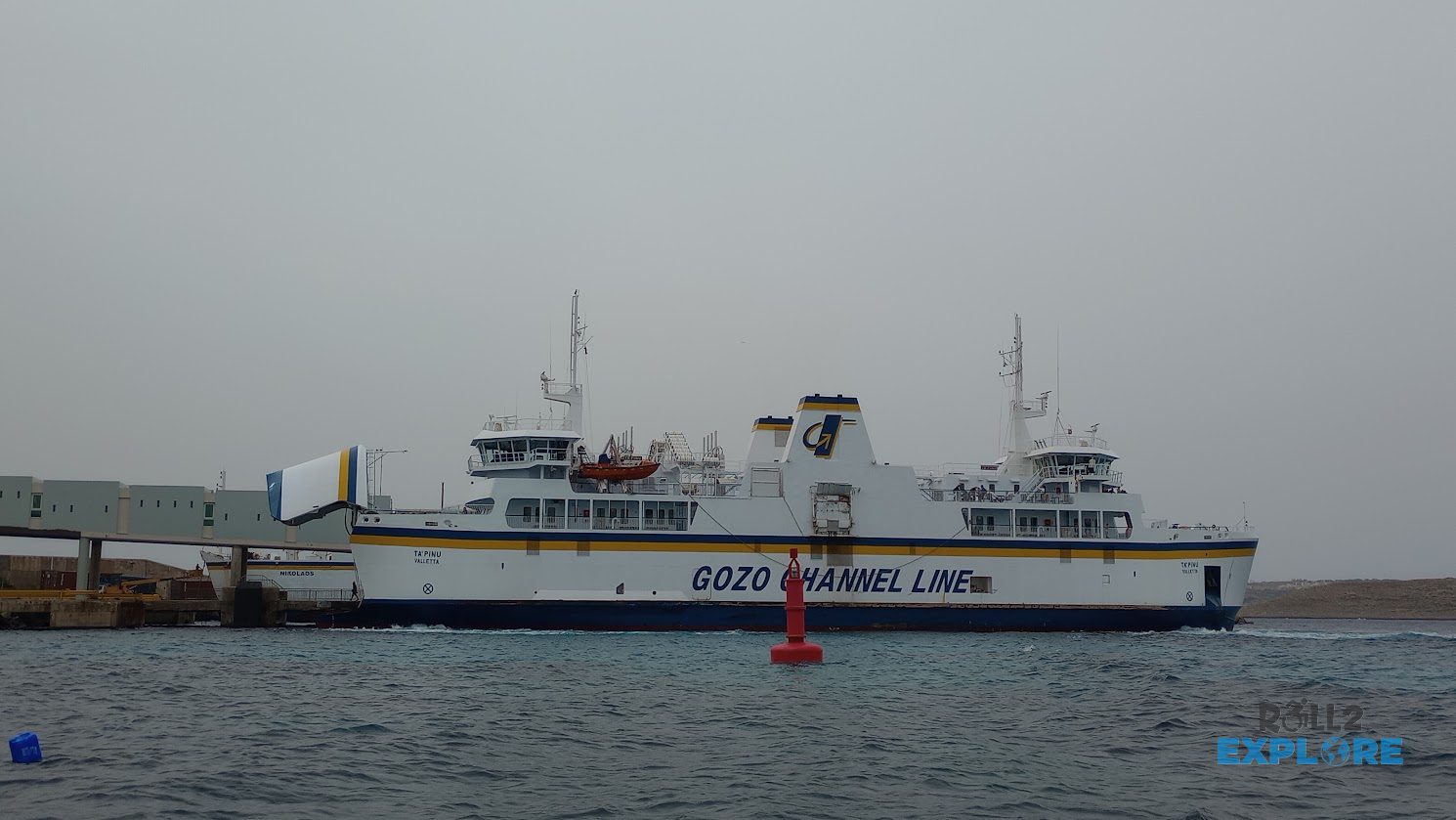
- Ferry routes operated by Valetta Ferry, Gozo Ferry and Fast Ferry are fully wheelchair accessible (ramps, accessible terminals, restrooms and crew assistance).
- Weaknesses:
- Sudden stops and sharp turns on Malta’s winding roads can make wheelchair securement challenging.
- During peak hours, buses often skip stops when full, leaving wheelchair users stranded.
- Buses very often are crowded. Priority spaces are blocked by standing passengers or strollers.
- There are no accessible boats to Comino.

2. Hotel & Accommodation Accessibility
Score: ♿♿♿♿♿♿ (6/10)
- Strengths:
- 4–5 star hotels (e.g., Hilton Malta, InterContinental) offer accessible rooms roll-in showers and widened doors.
- Newer hotels legally require barrier-free designs, offering roll-in showers and wide doorways.
- Weaknesses:
- Older hotels don’t have accessible rooms.
- Budget guesthouses and historic buildings often have steps.
3. Restaurant & Dining Accessibility
Score: ♿♿♿♿♿♿ (6/10)
- Strengths:
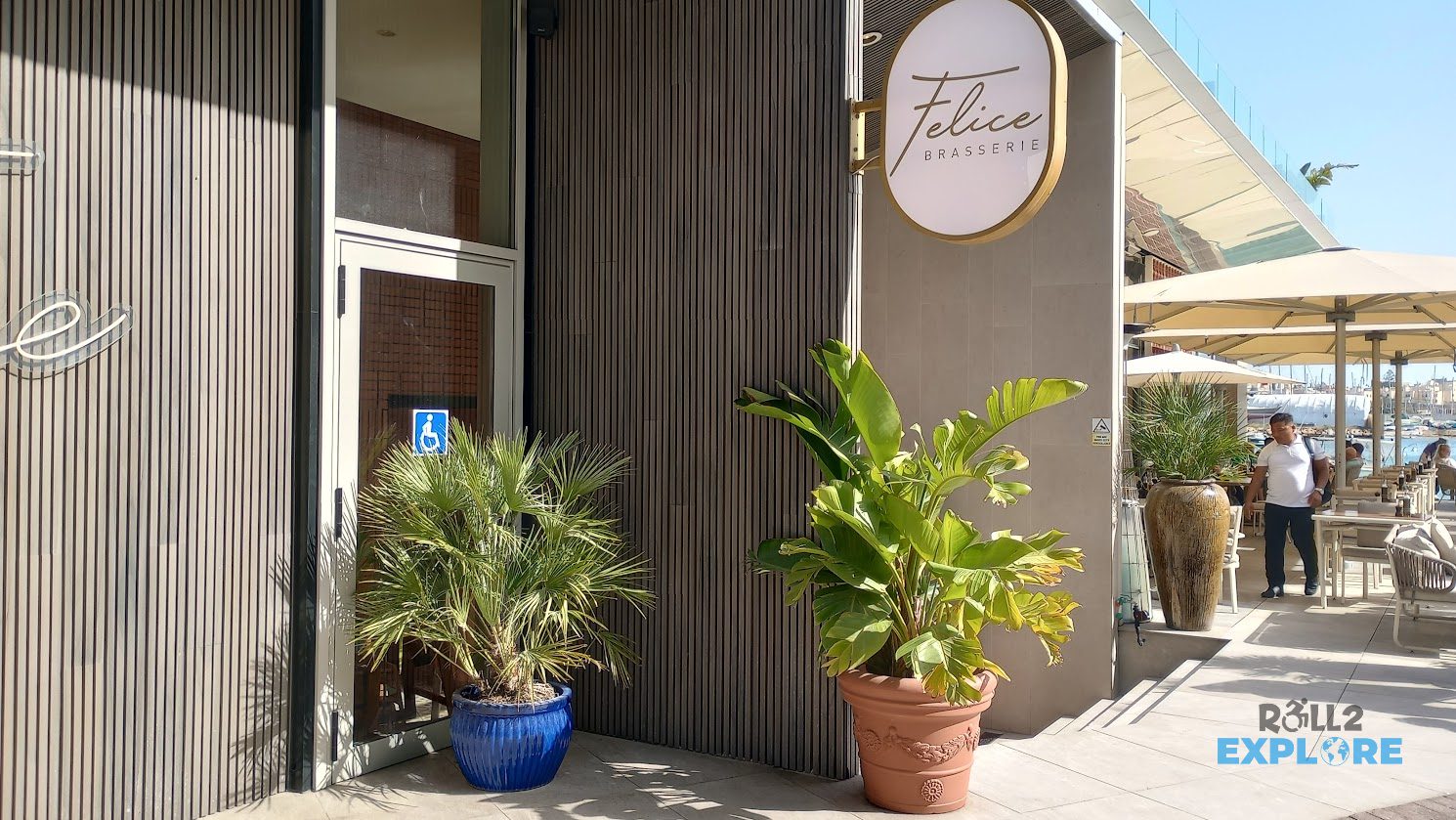
- Modern establishments (malls, chains) are typically wheelchair-friendly.
- Waterfront restaurants have usually step-free terraces.
- Since Malta enjoys warm weather for most of the year, many restaurants provide accessible outdoor seating.
- Weaknesses:
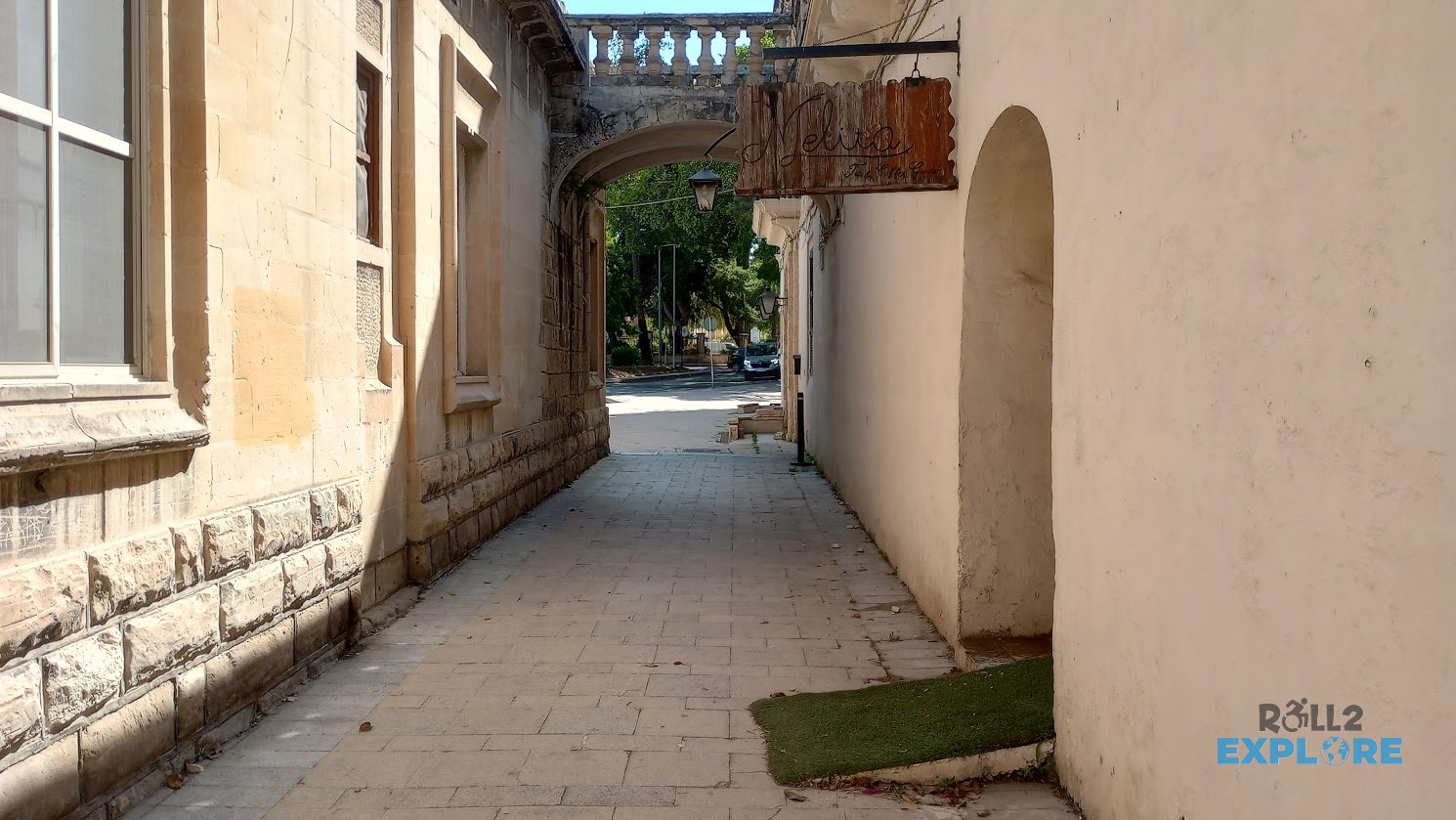
- 70% of restaurants and cafés have narrow entrances, tight spaces or steps.
- Very rarely restaurants have accessible restrooms.

4. Tourist Attractions & Cultural Sites
Score: ♿♿♿♿♿♿♿ (8/10)
- Strengths:
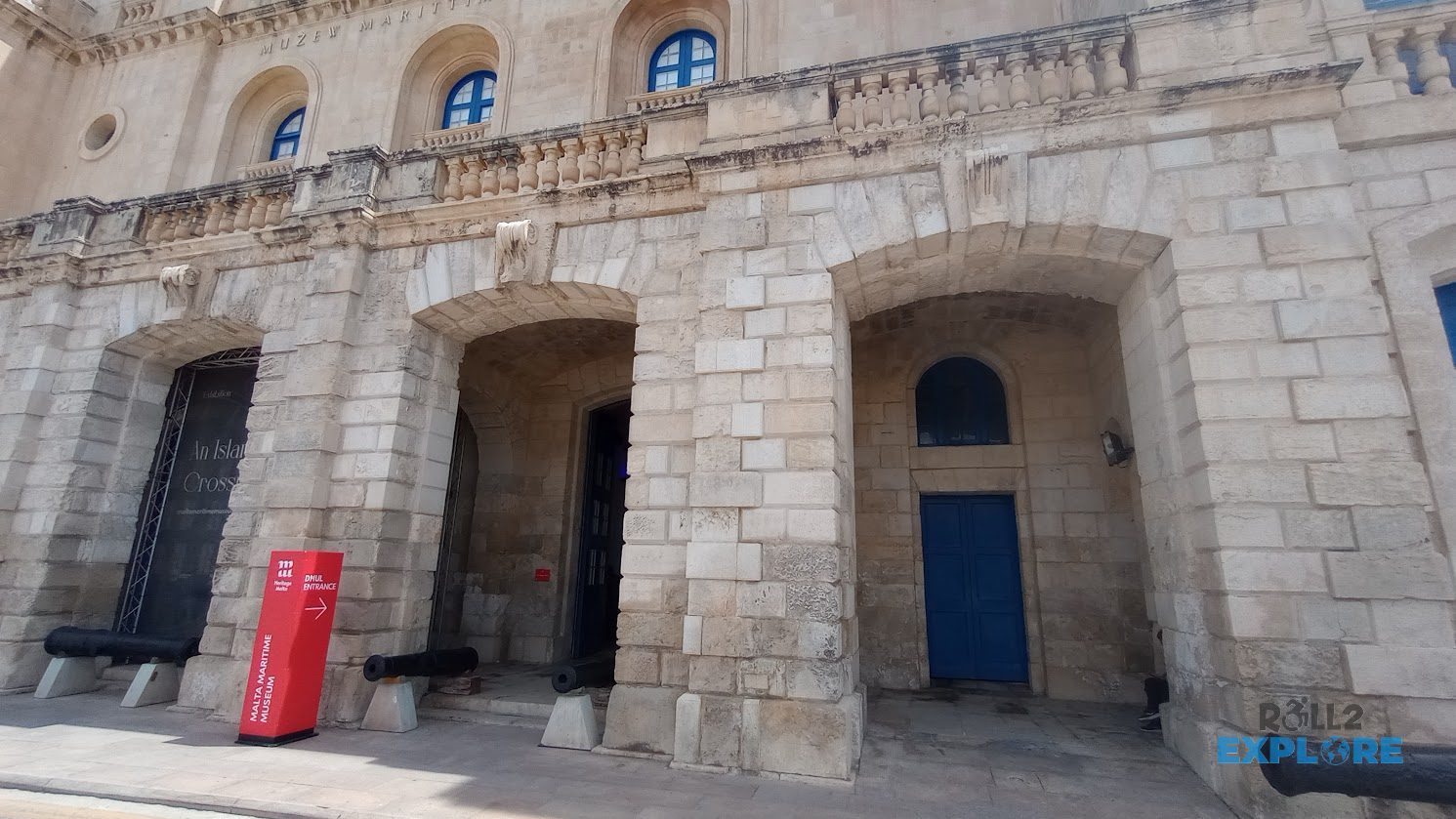
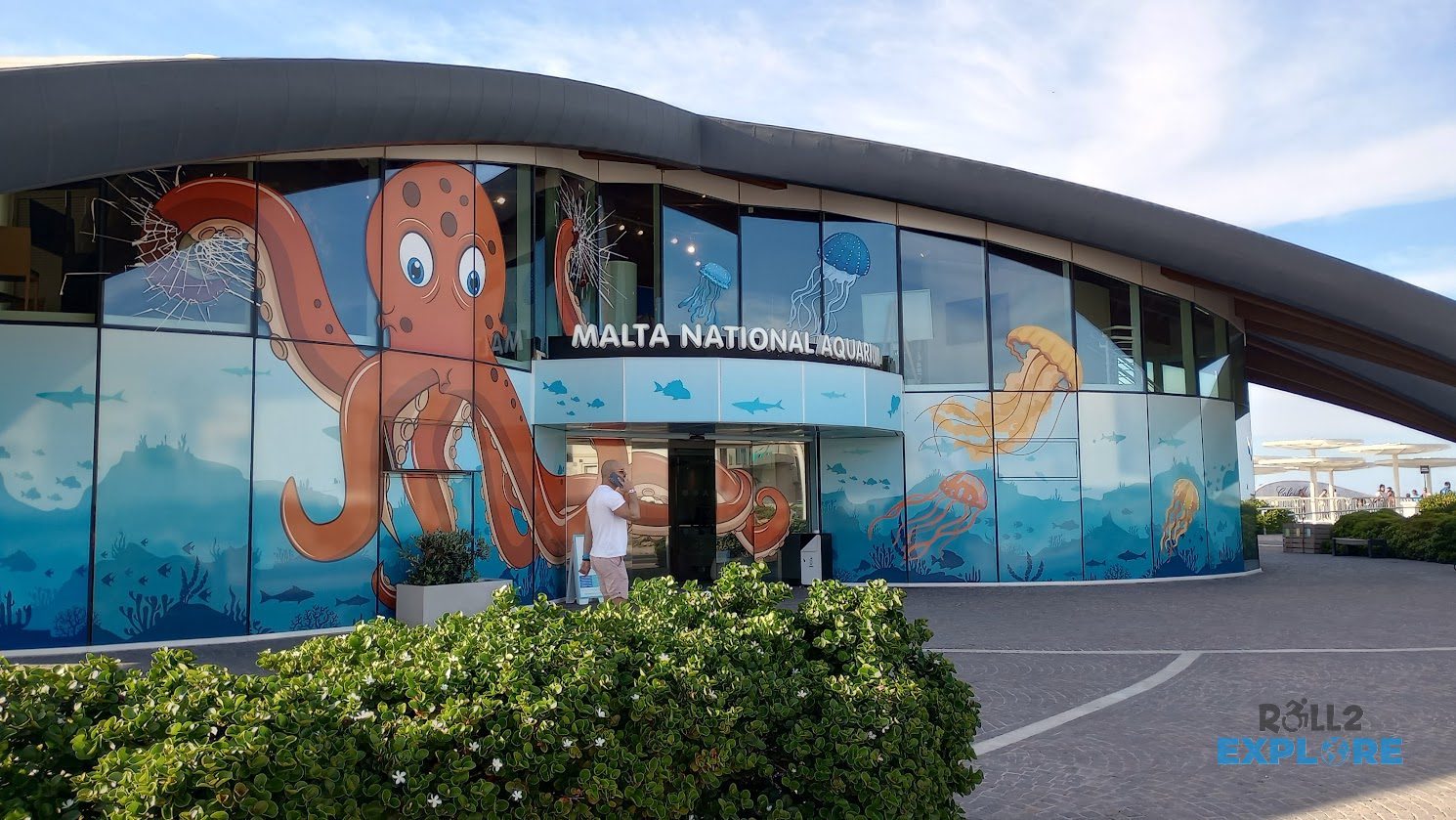
- Major sites have ramps, elevators, and tactile paths.
- Disabled visitors can often receive discounted admission when presenting proof of disability, though policies vary by attraction.
- Weaknesses:
- Wheelchair rental is not widely available.
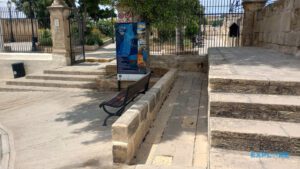
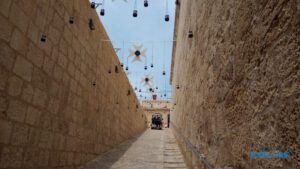
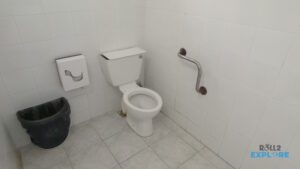
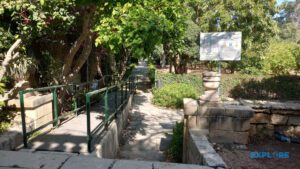
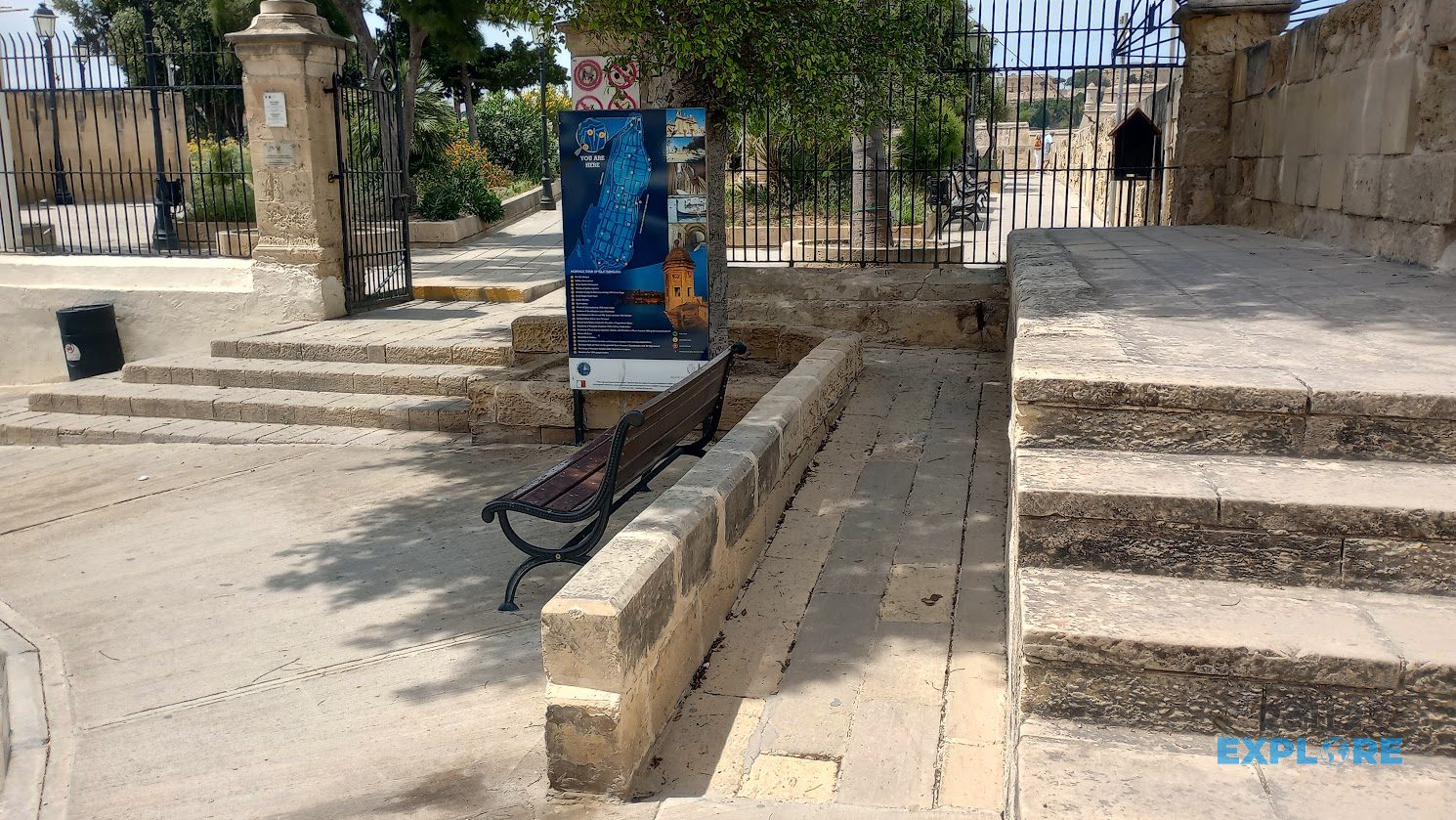
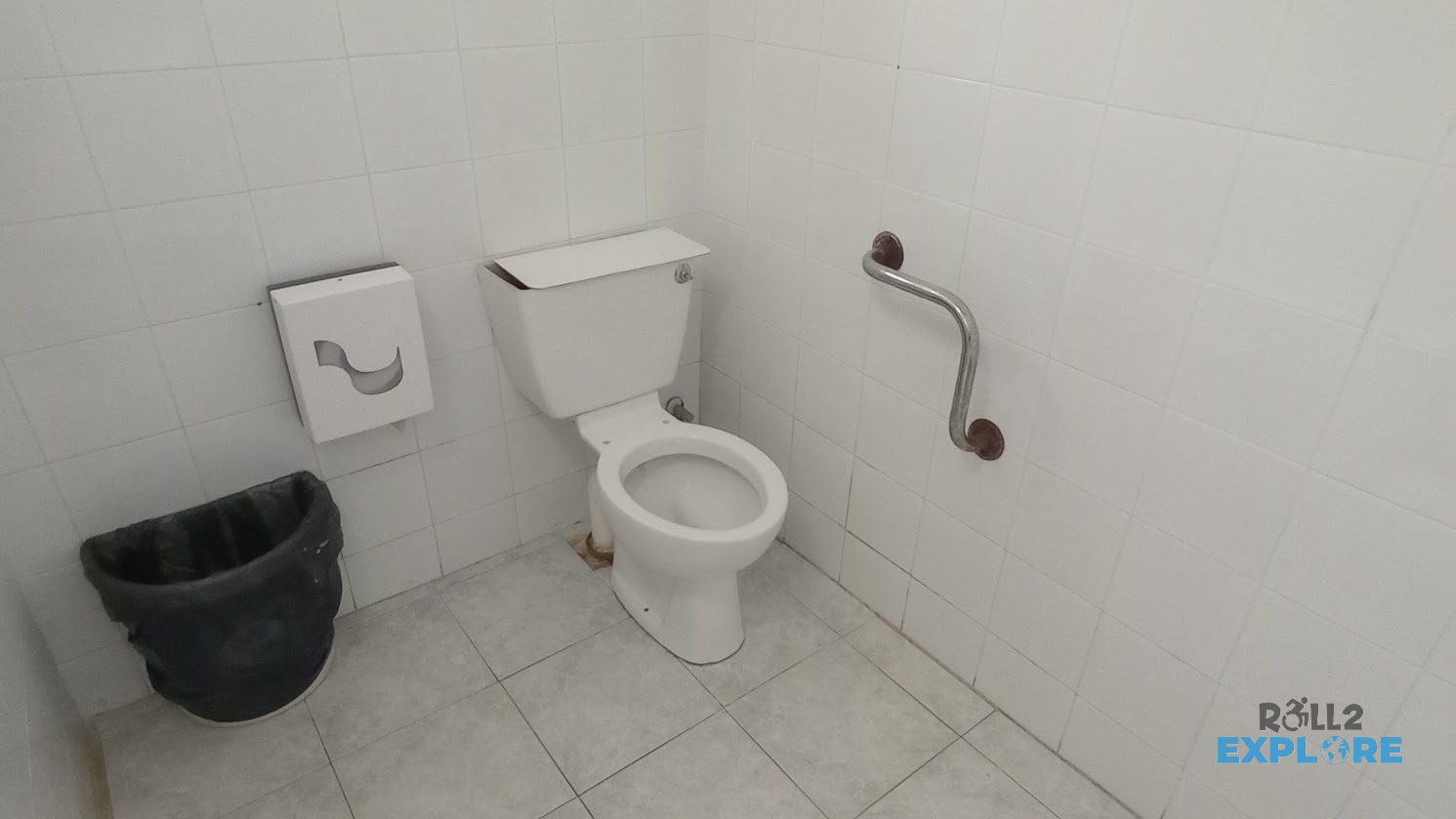
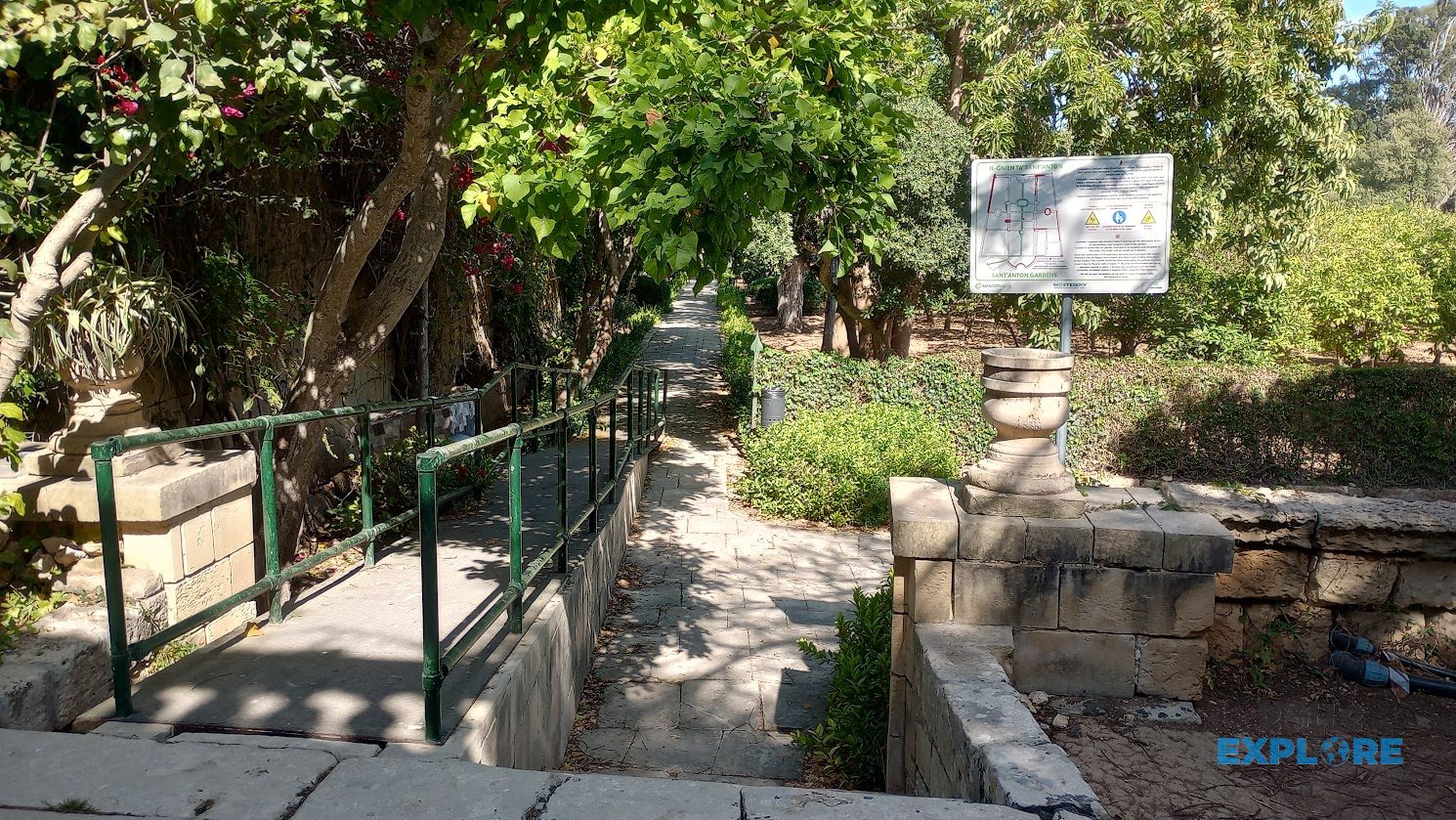
- Some historic sites require accessibility upgrades, featuring deteriorated pathways and outdated accessible toilets that often don’t meet modern standards.

5. Urban Infrastructure & Sidewalk Accessibility
Score: ♿♿♿♿ (4/10)
- Strengths:
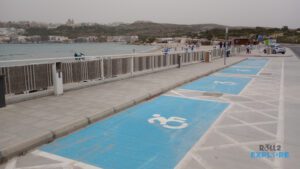
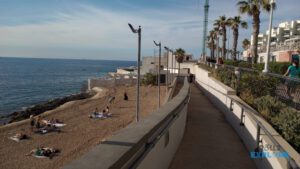
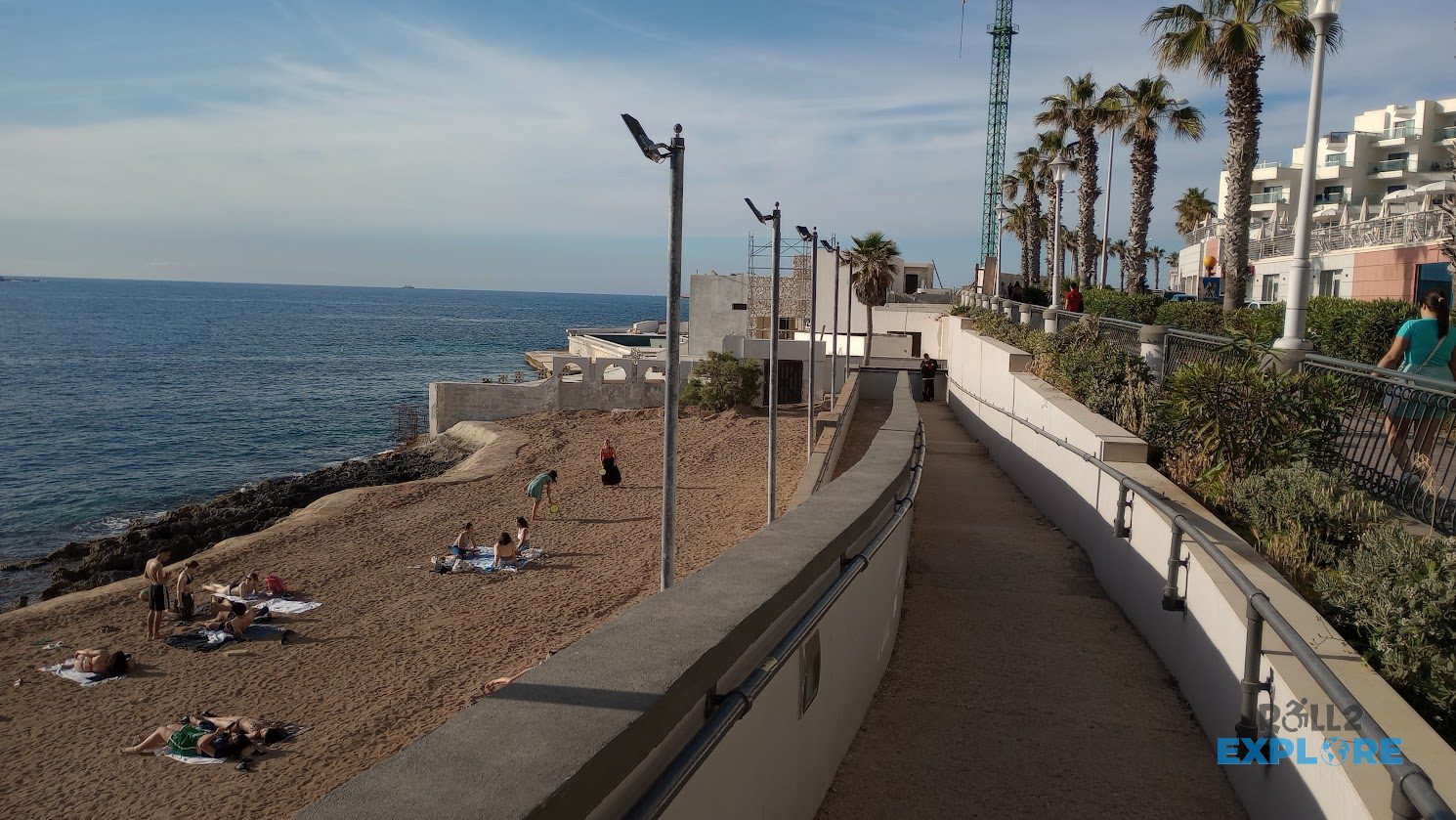
- Coastal promenades (e.g. in Sliema, Marsaskala, Bugibba) provide 2+ km of flat, widened pathways ideal for wheelchair strolls.
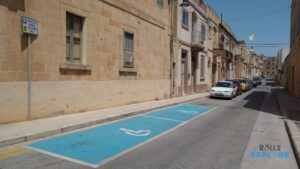
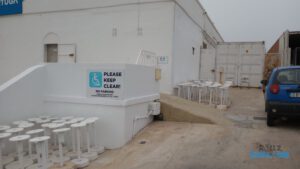
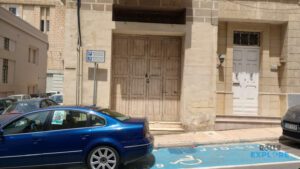
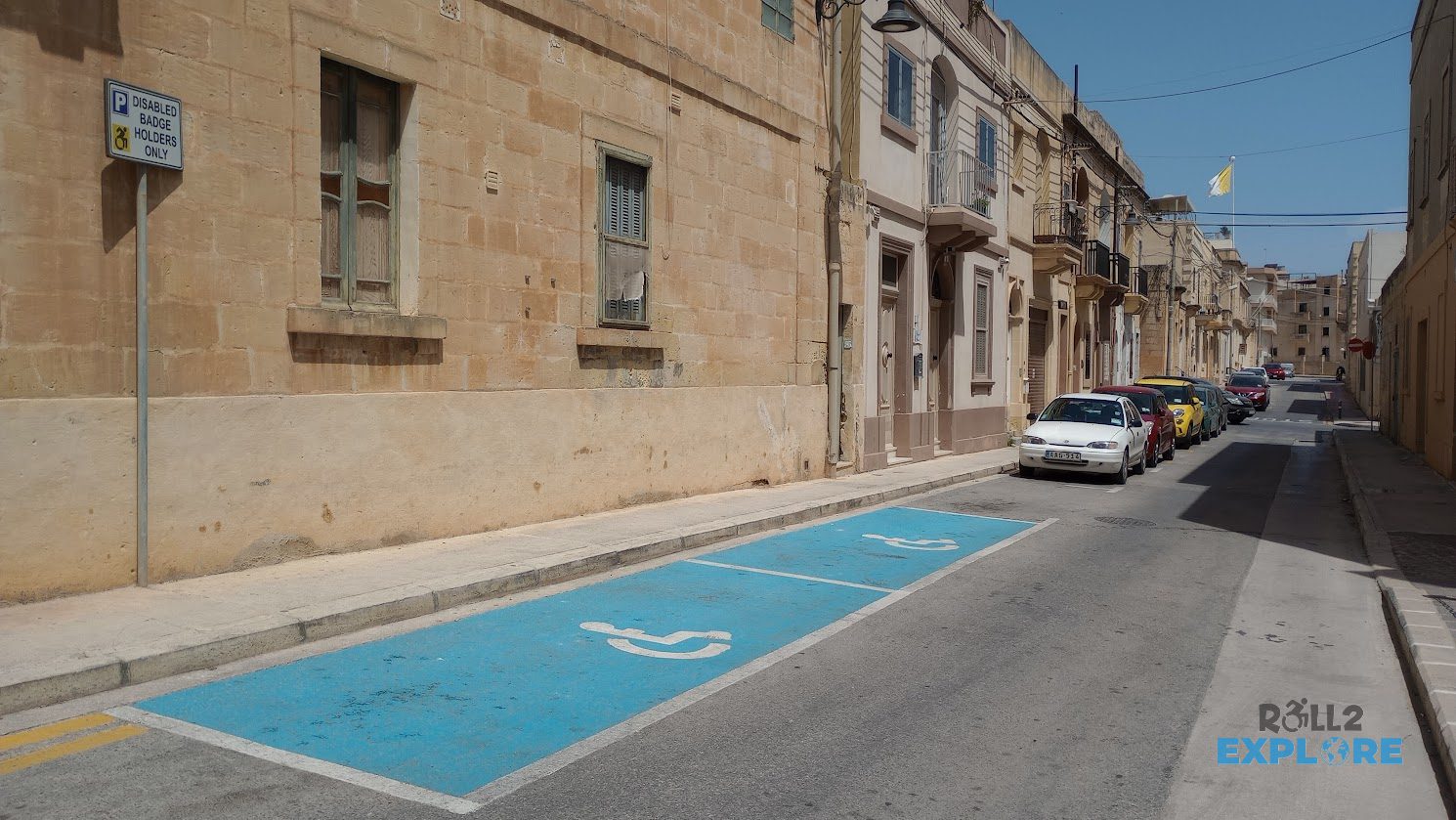
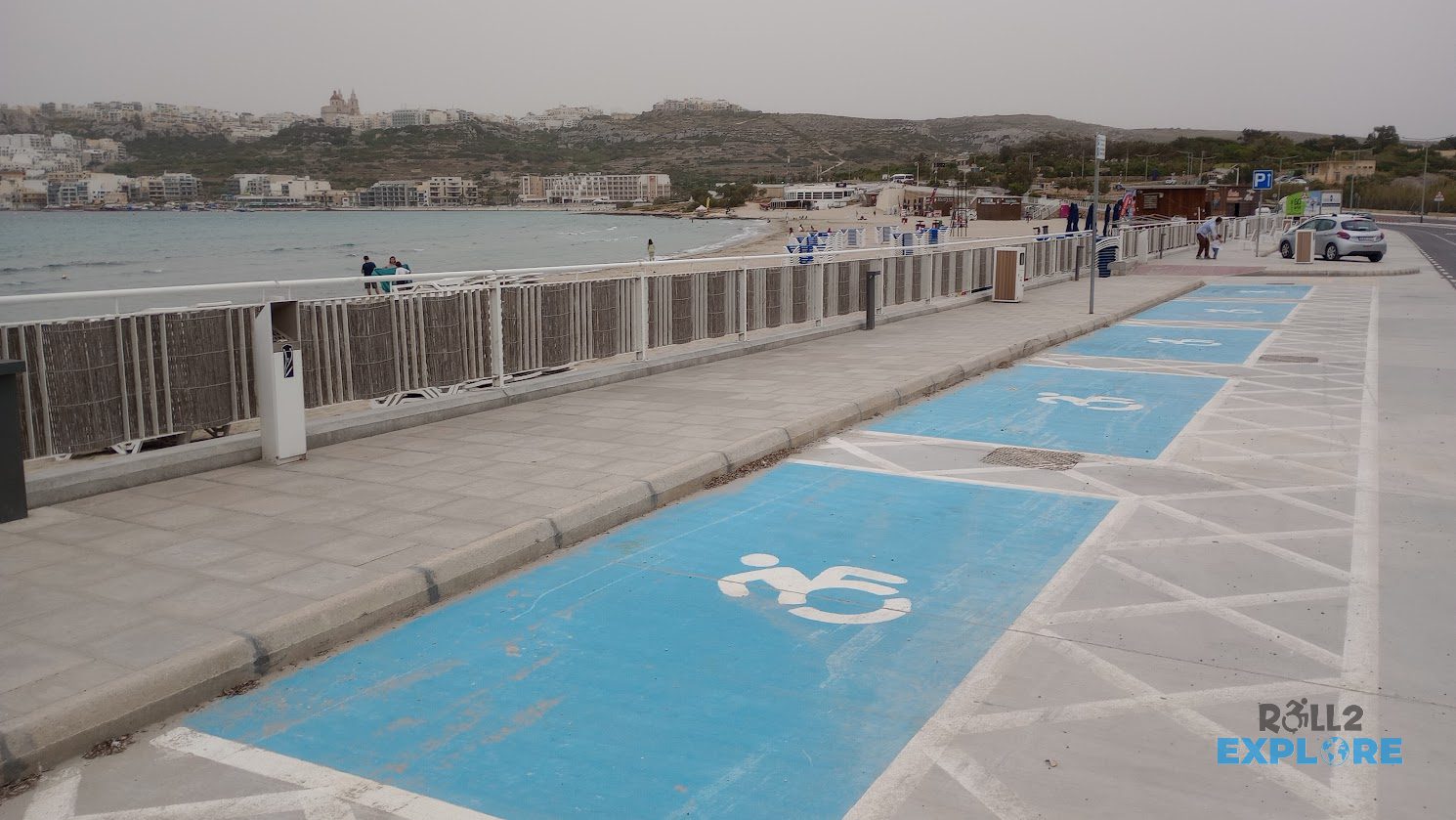
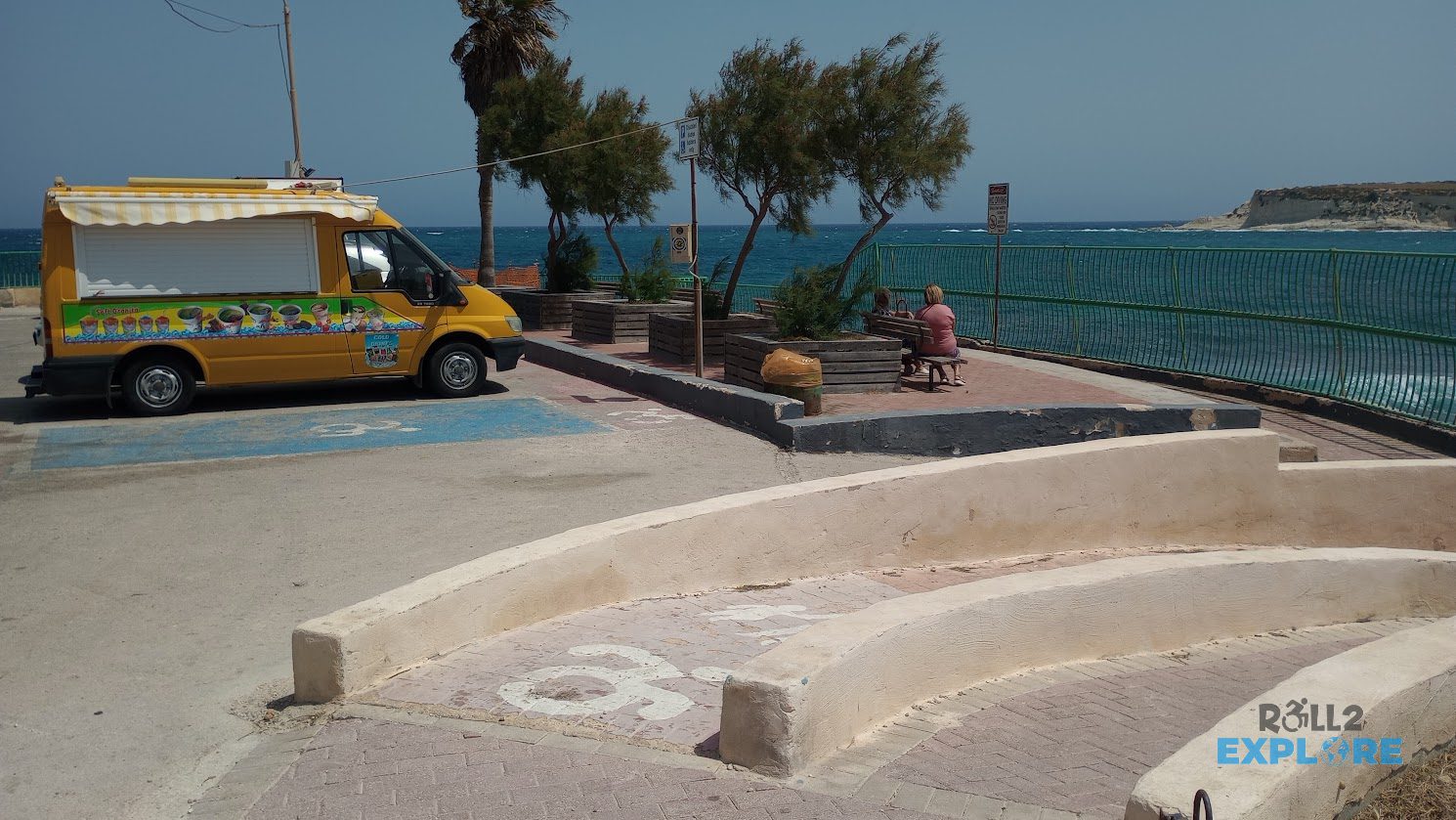
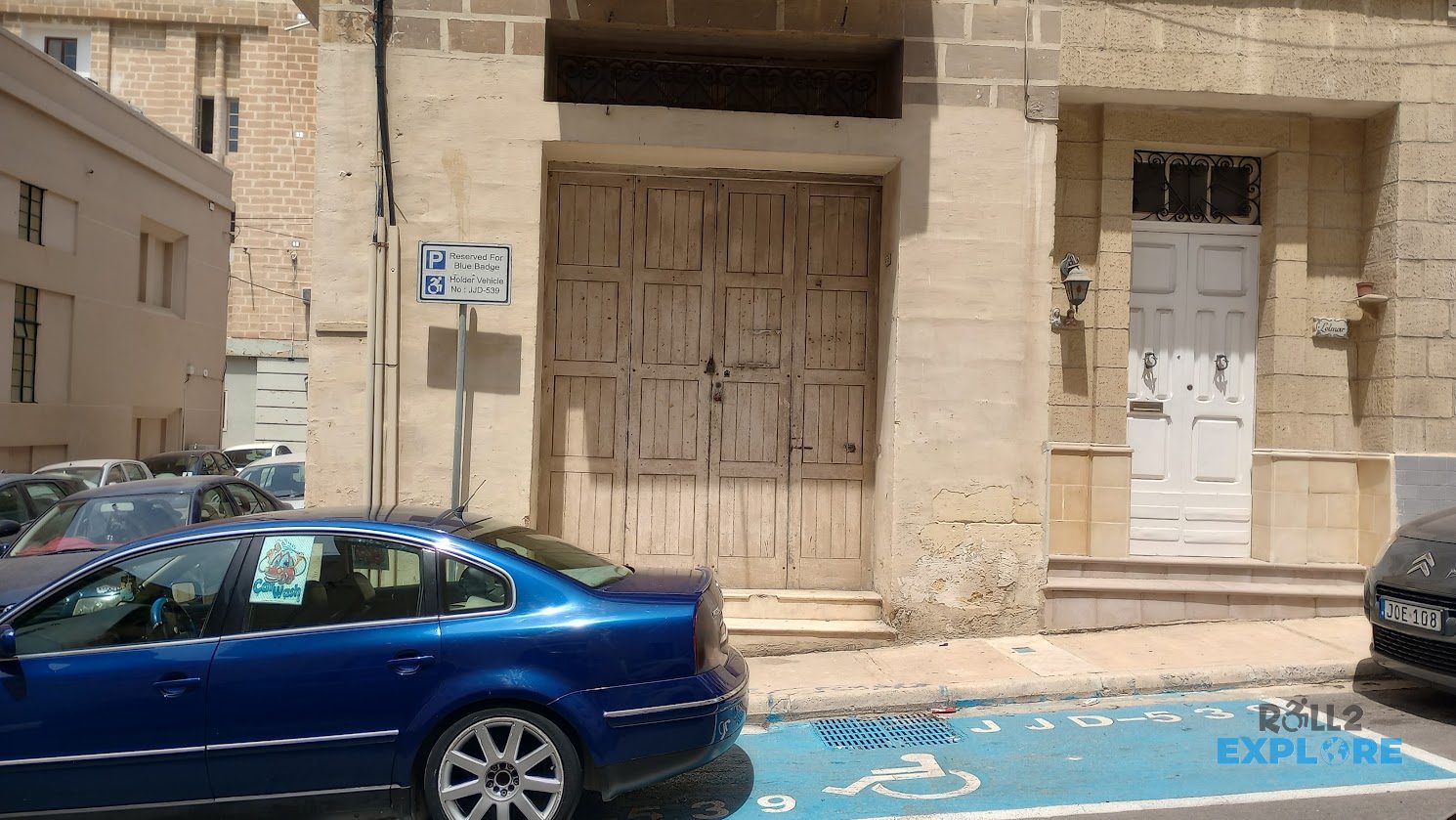
- Many dedicated disabled parking spots.
- Weaknesses:
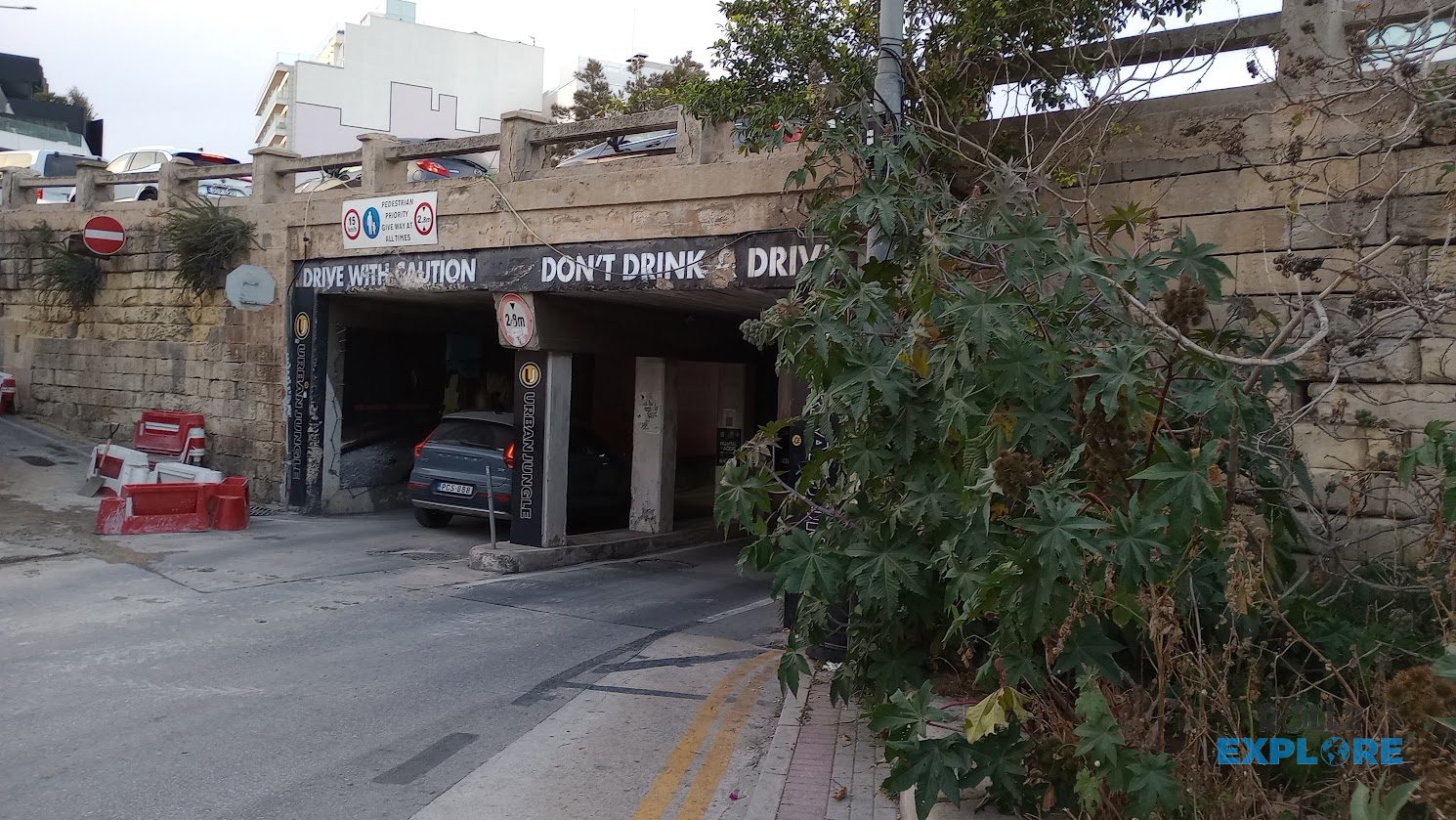
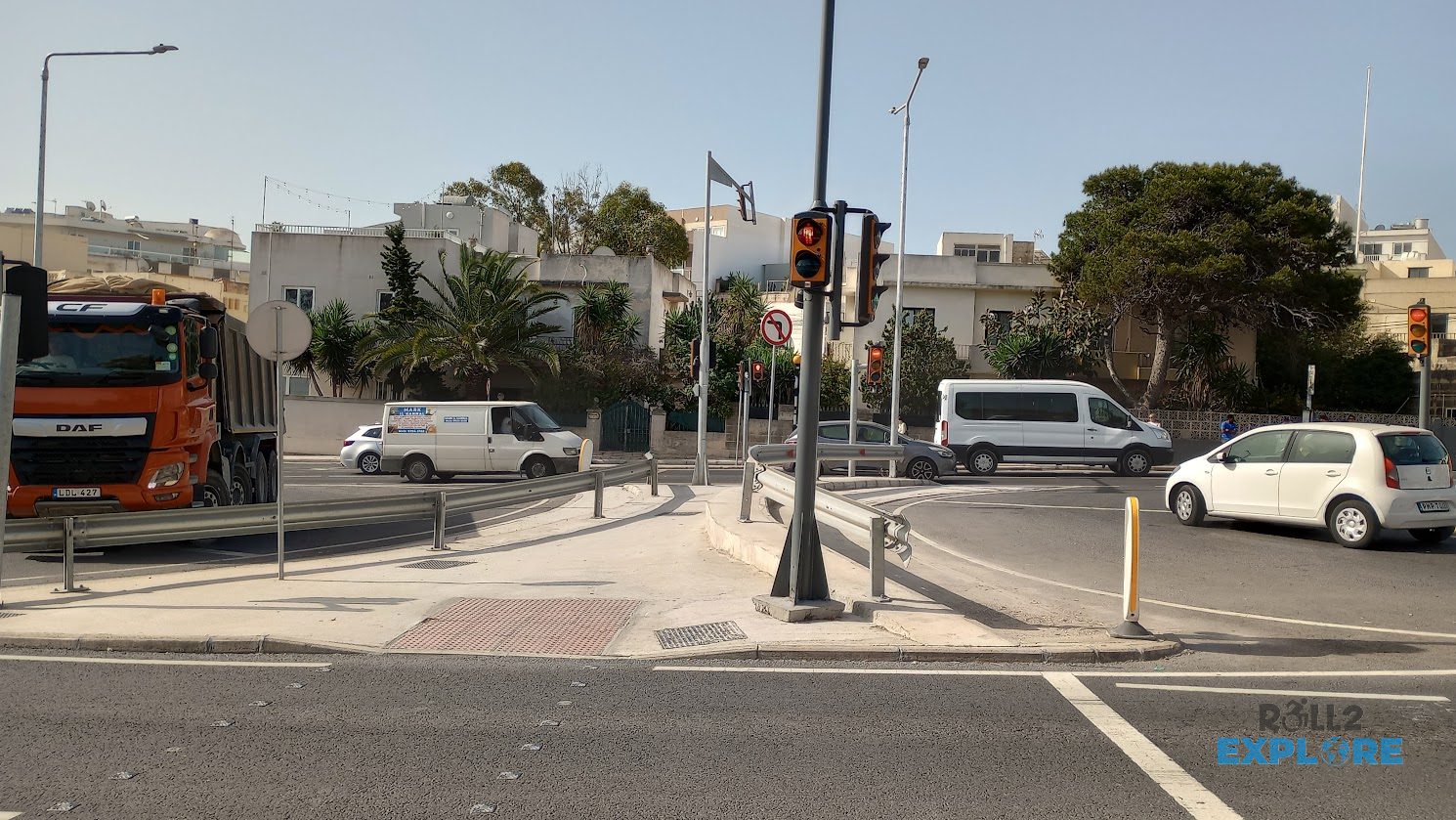
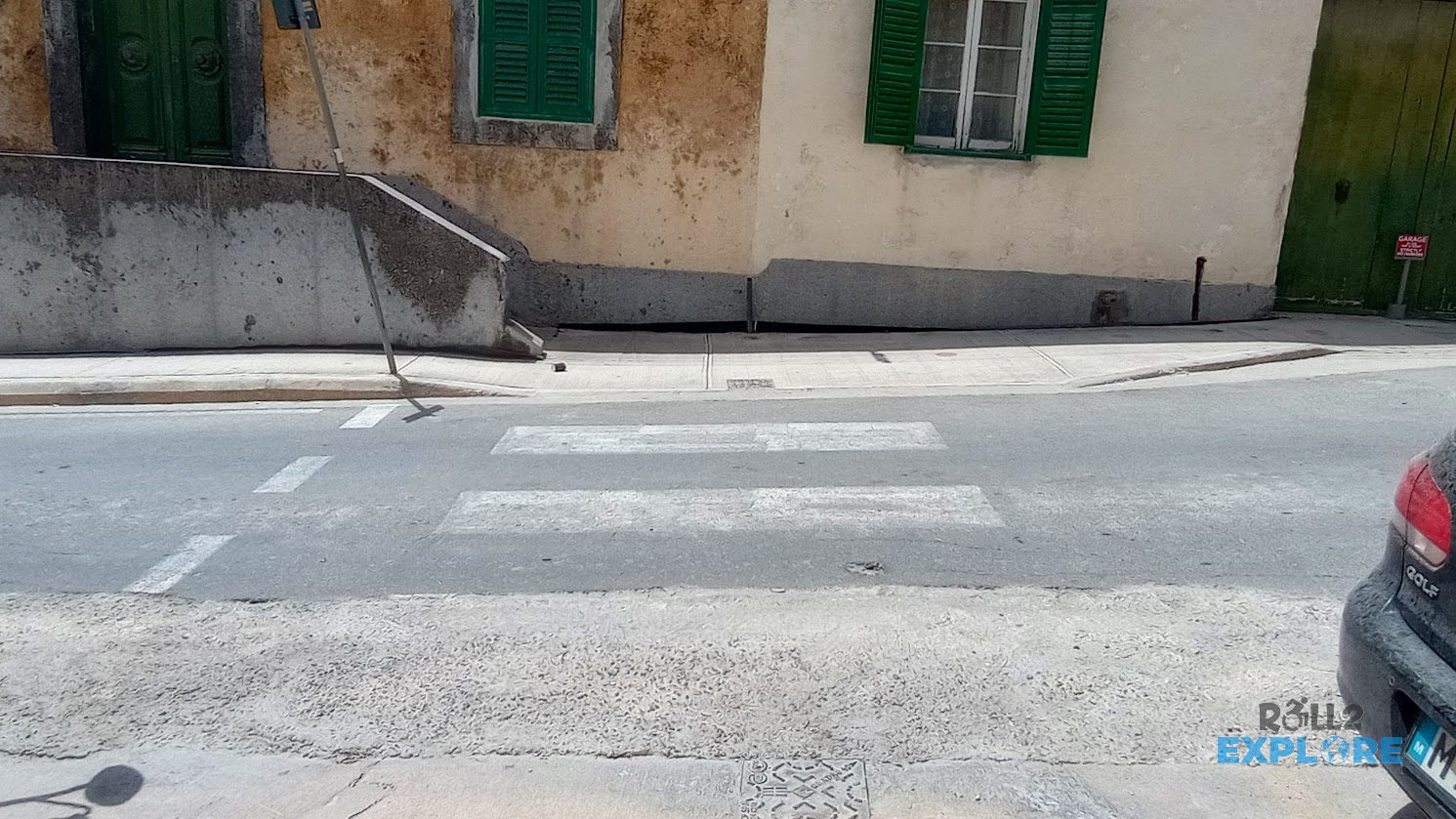
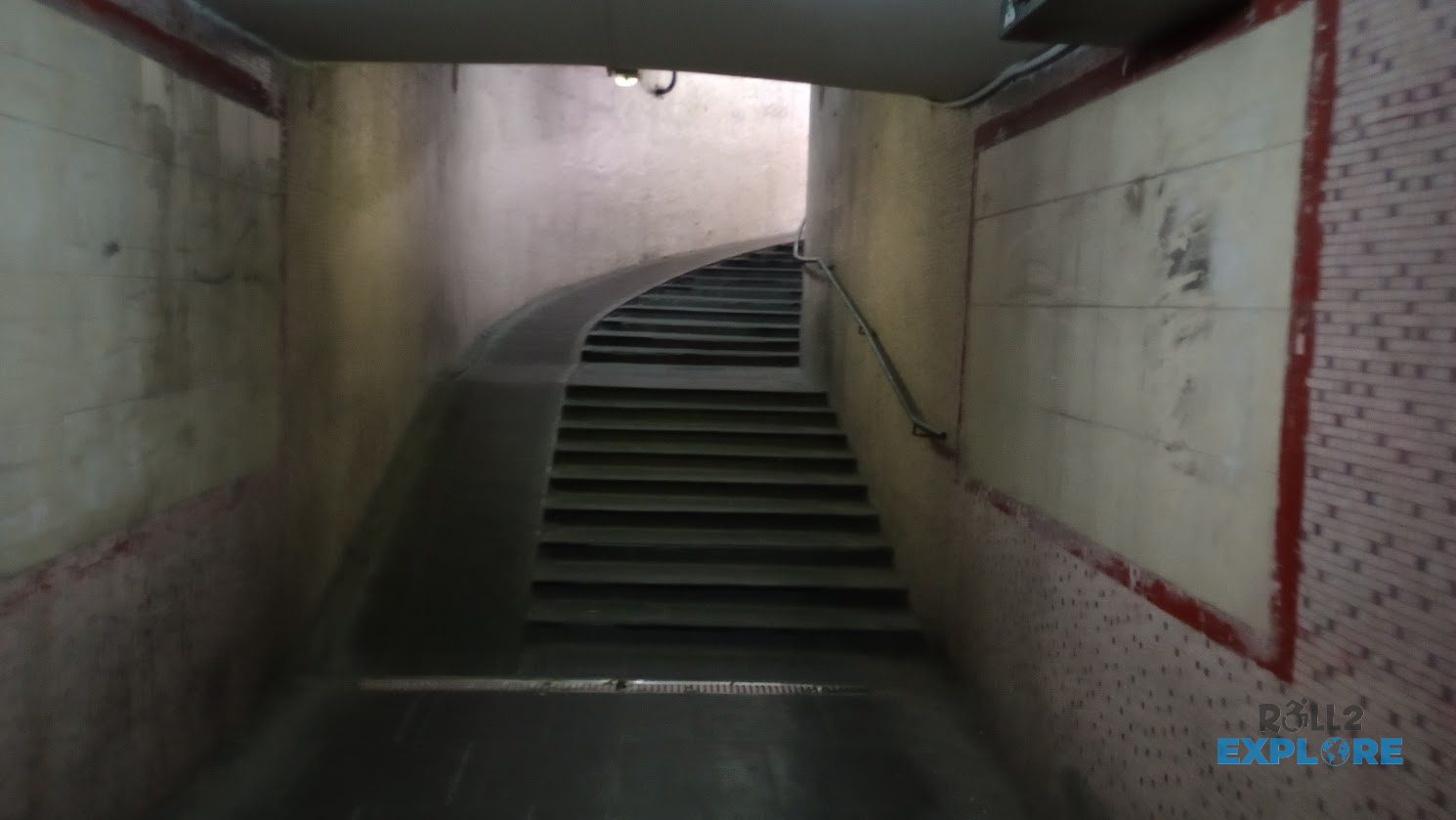
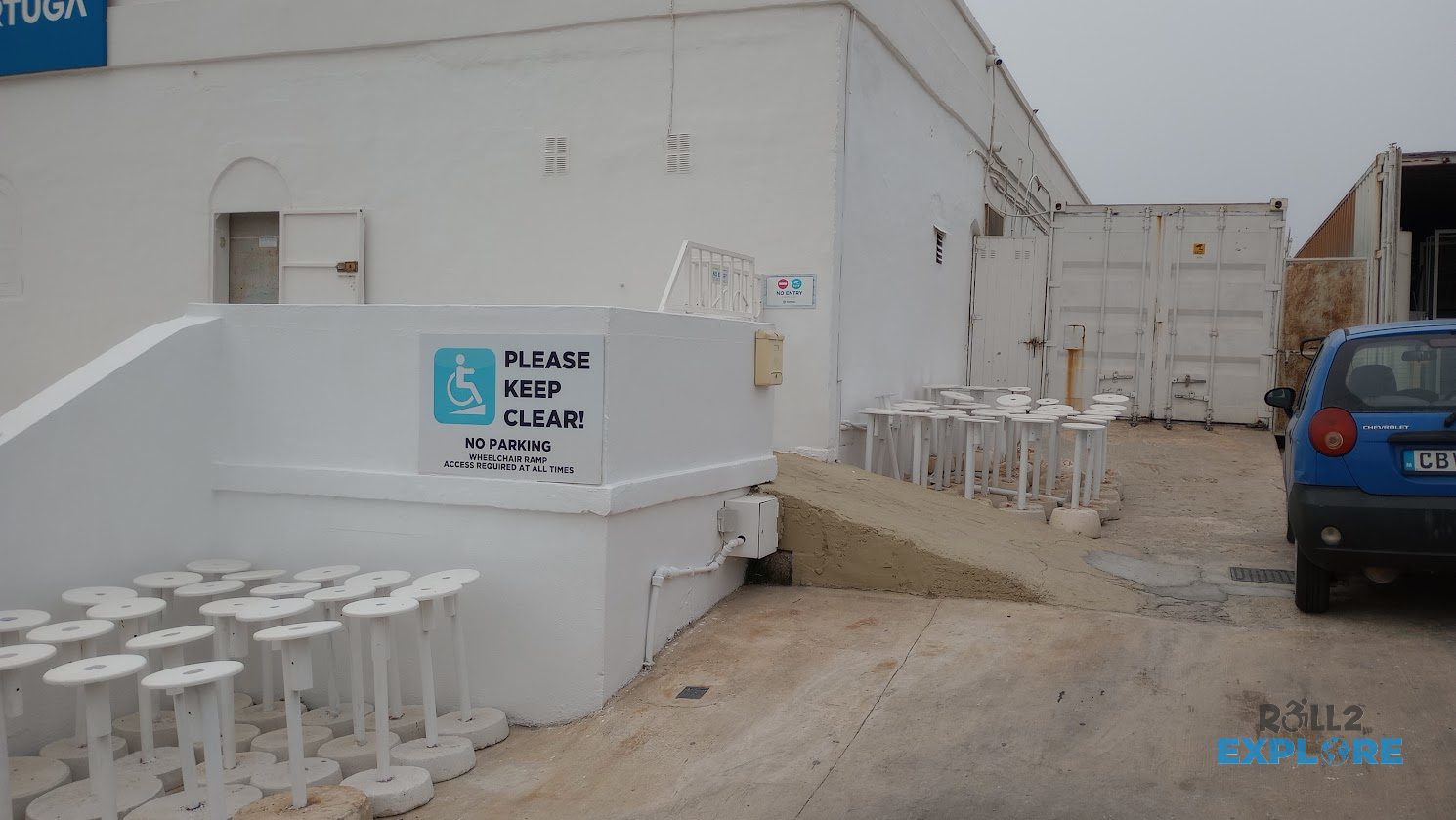
- Many streets of Malta lack sidewalks or have steep cuts.
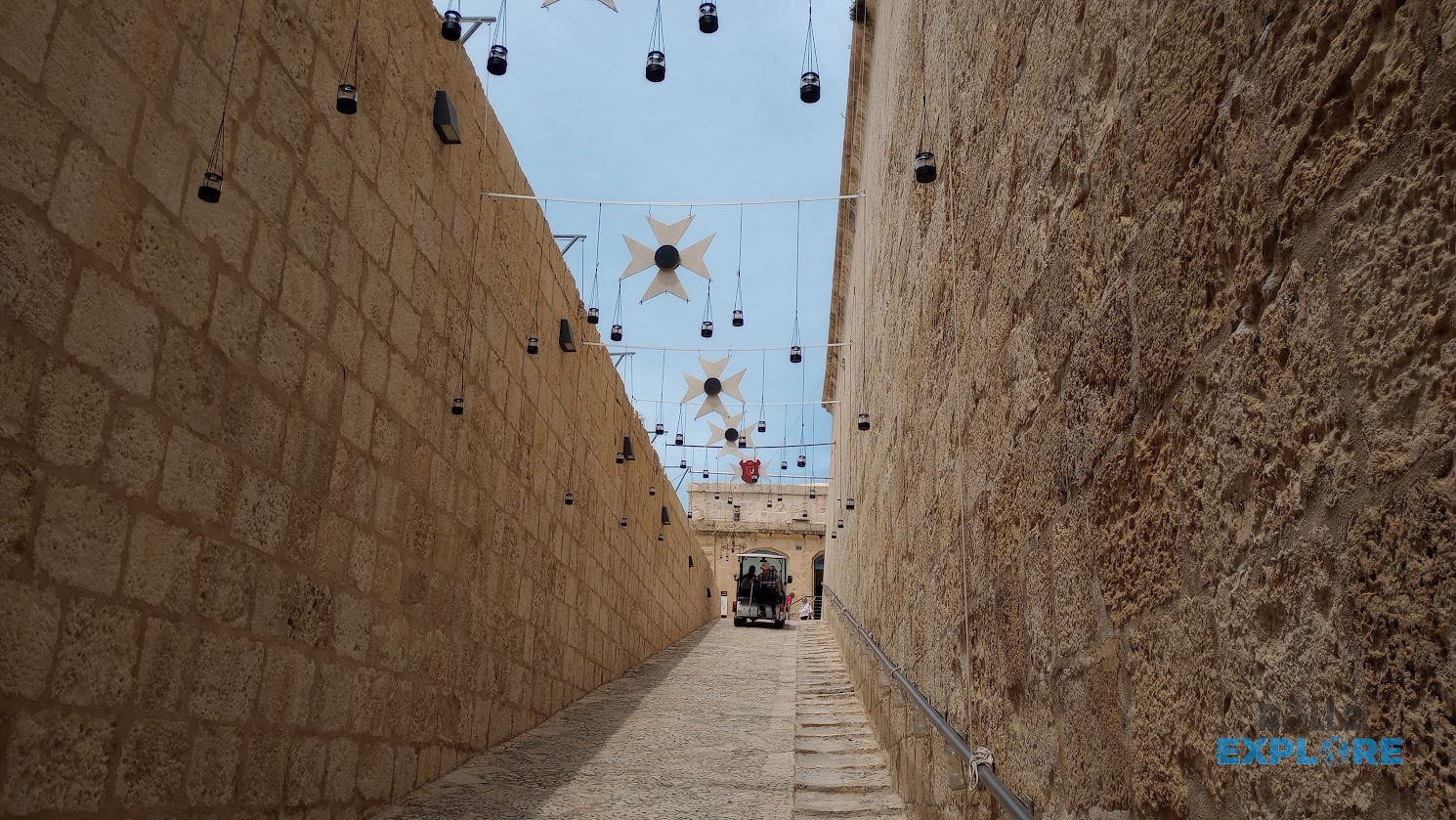
- Many areas have steep inclines where manual wheelchair users may need assistance or a powered chair.
- Cobblestones dominate historic sites, challenging for wheelchairs.
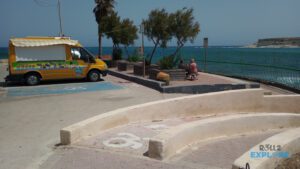
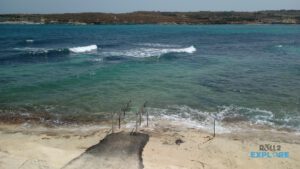
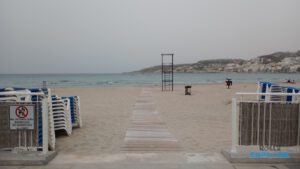
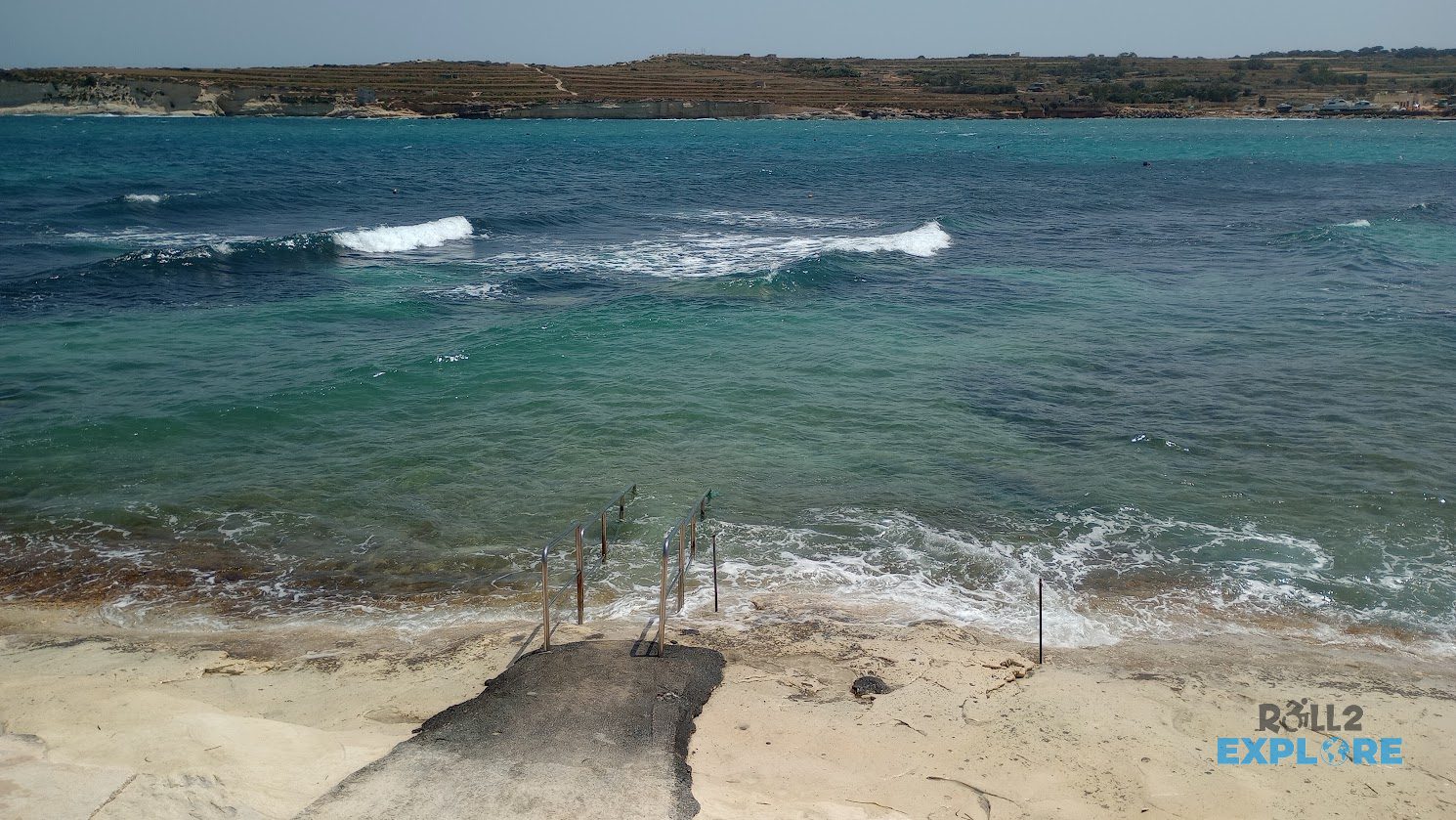
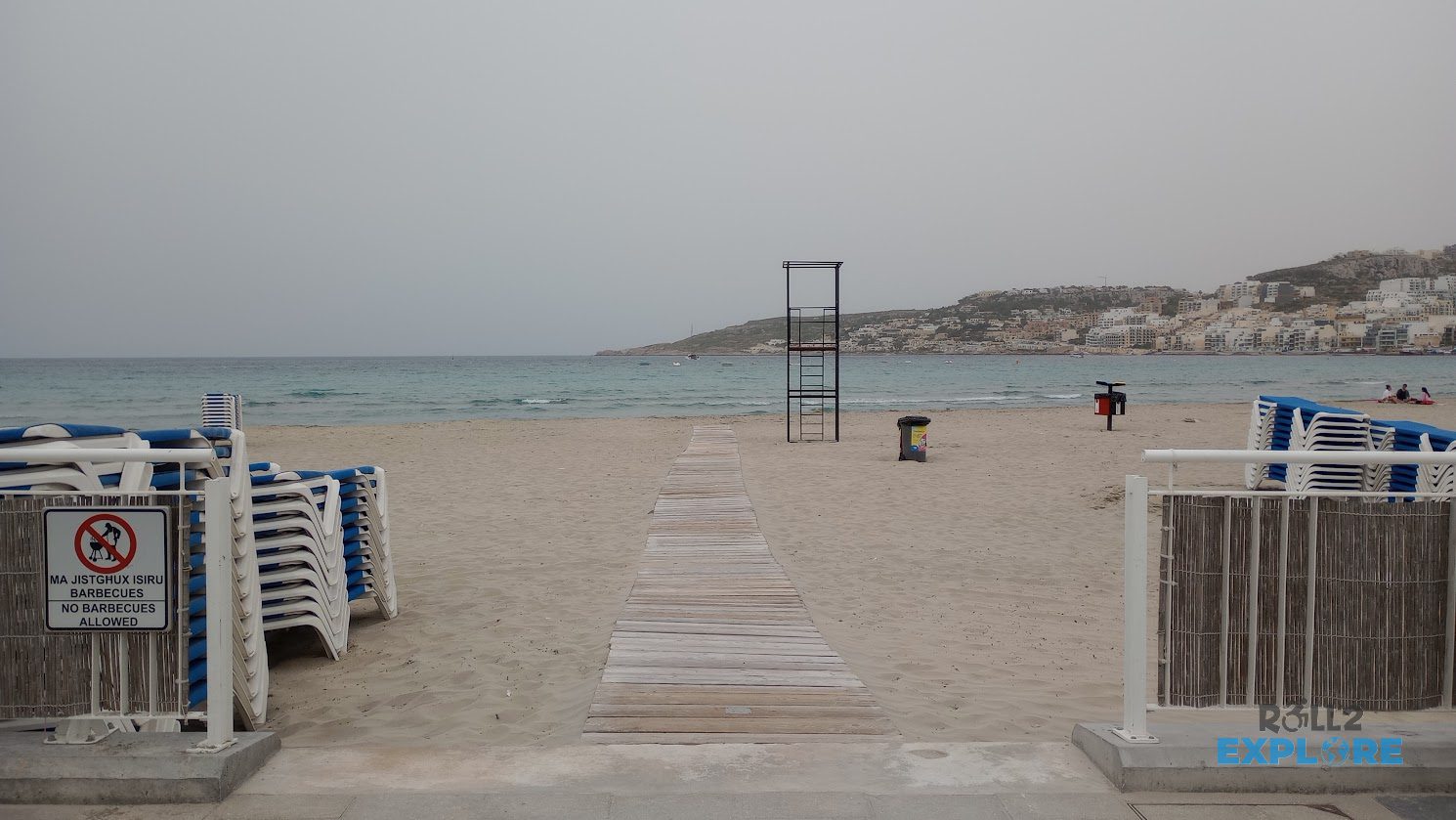
- Some “accessible” beaches rely on outdated solutions.


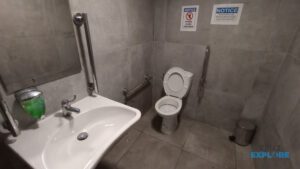
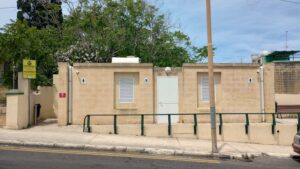
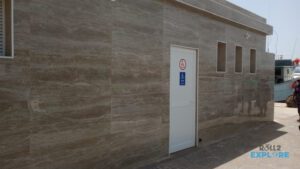
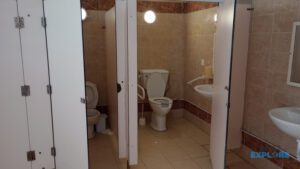
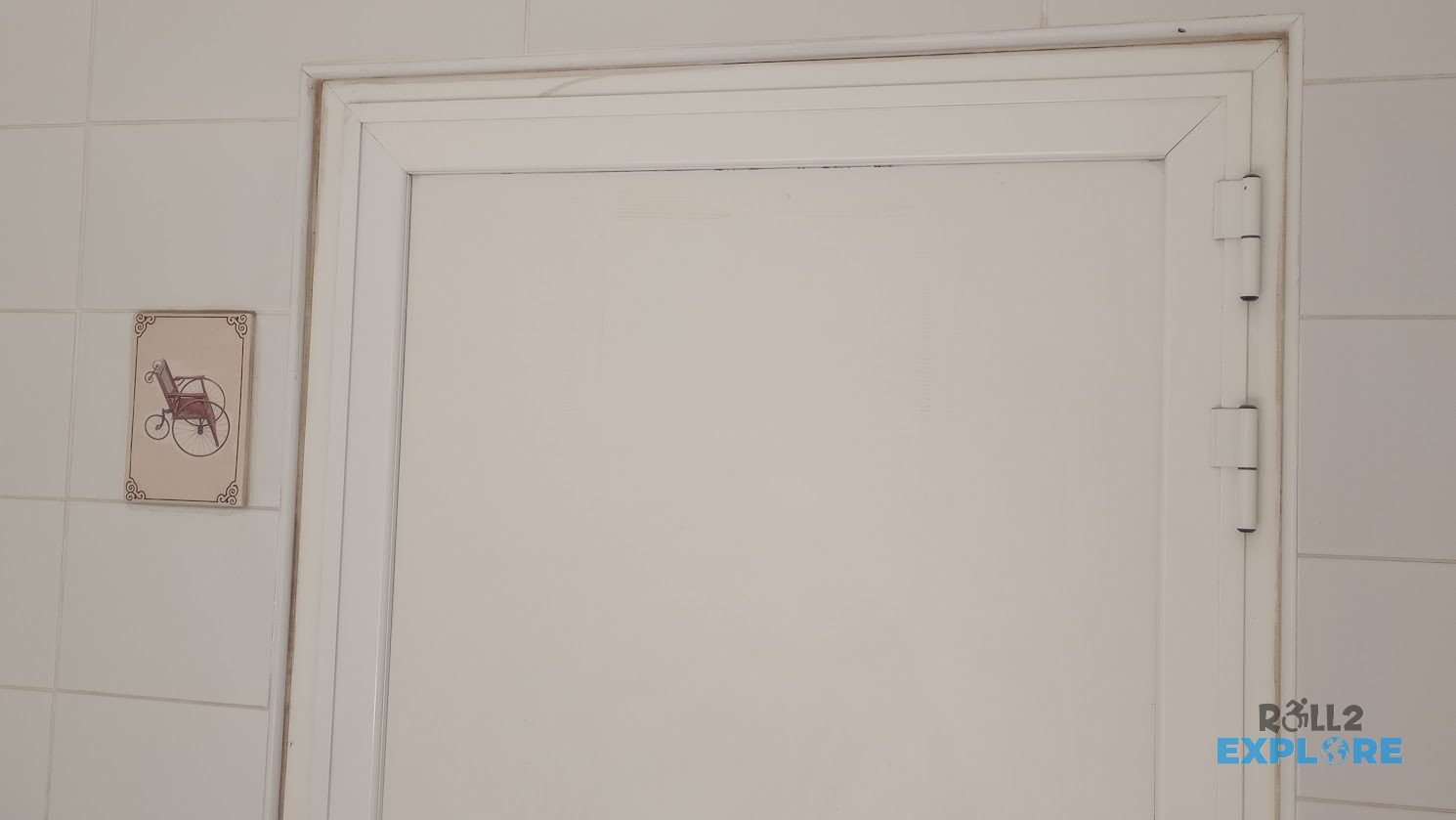
6. Accessible Toilets & Changing Facilities
Score: ♿♿♿♿♿♿♿ (7/10)
- Strengths:
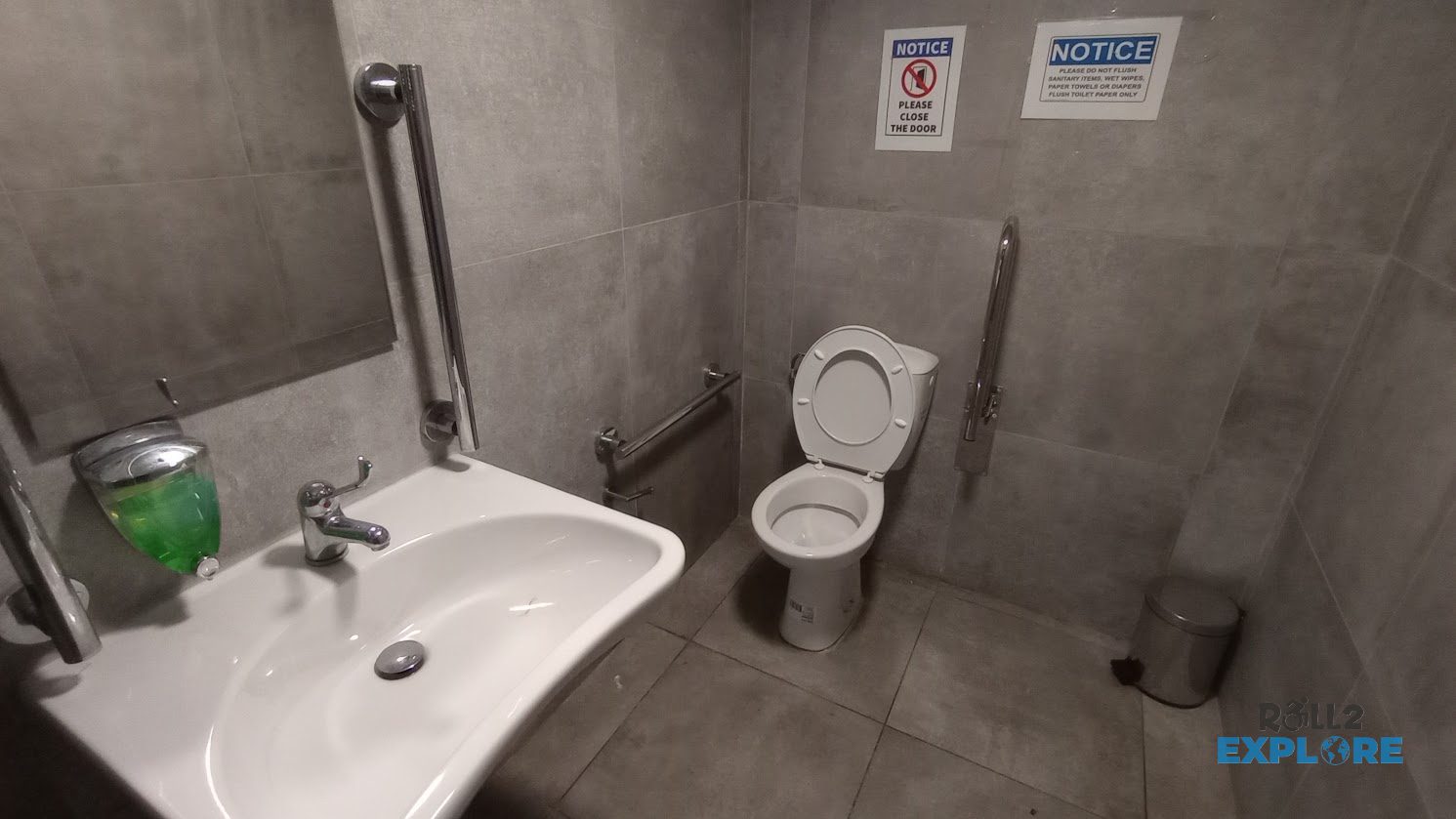
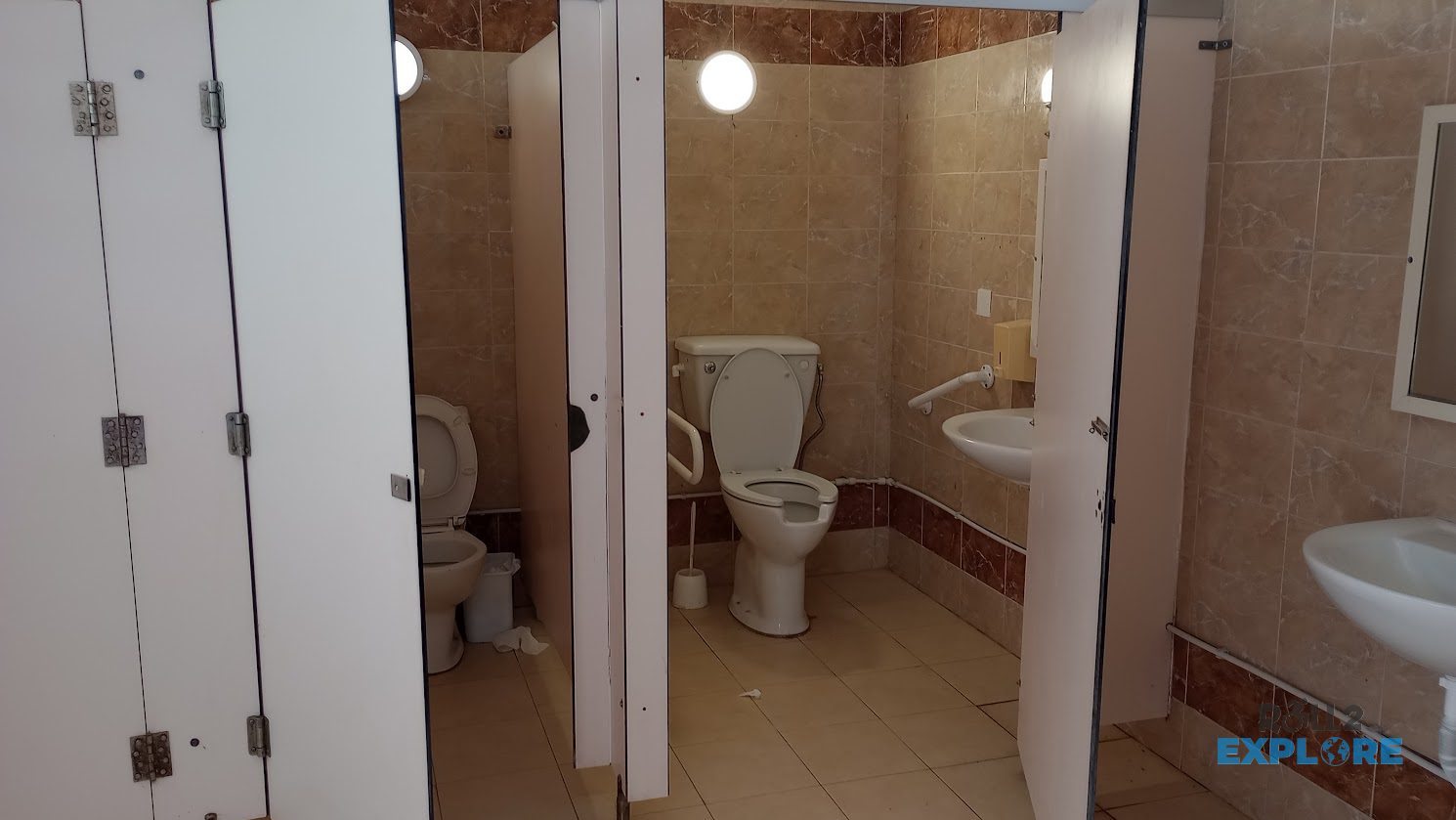
- Malls (The Point, Bay Street) and airports have spacious ADA-style toilets.
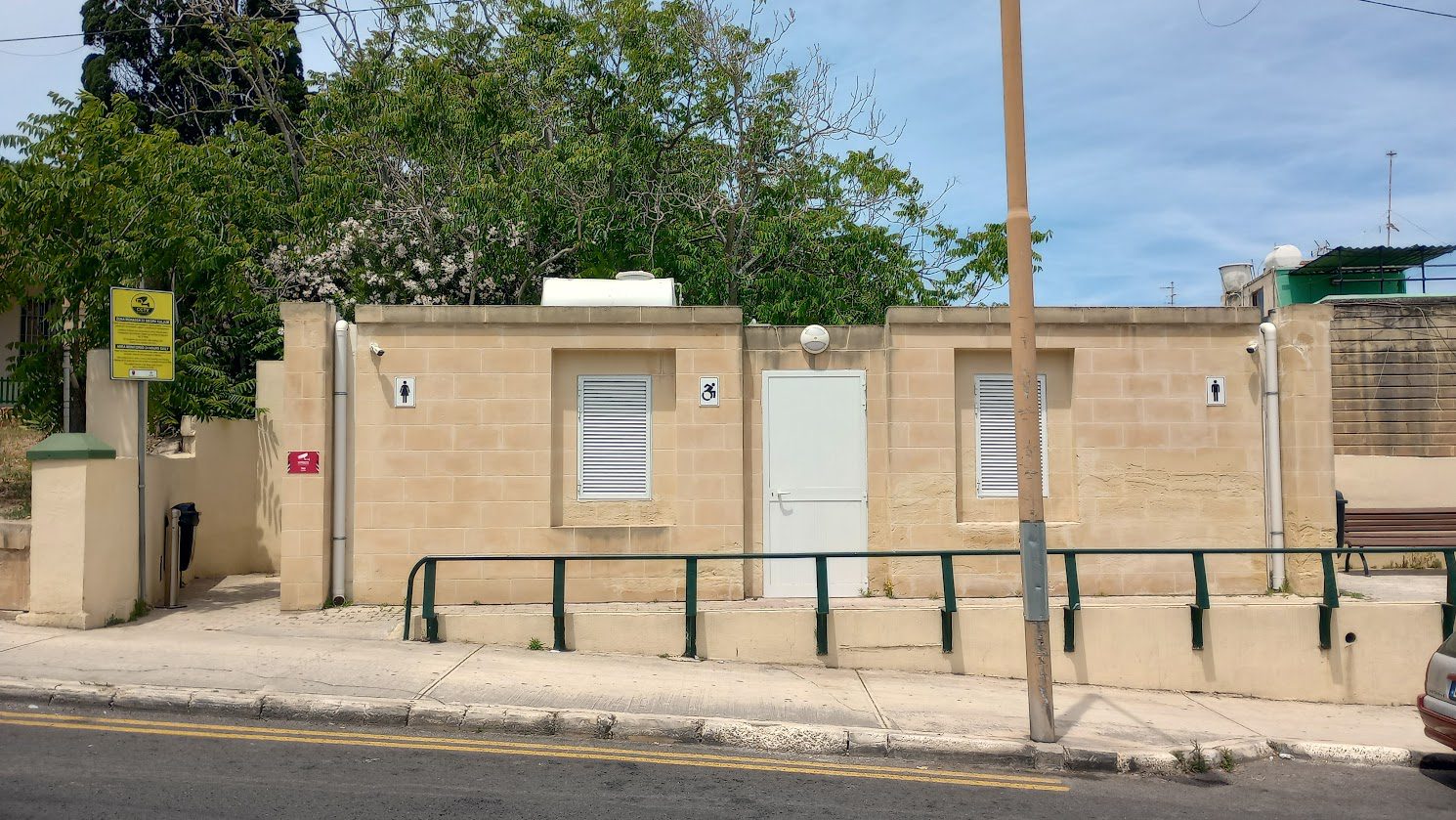
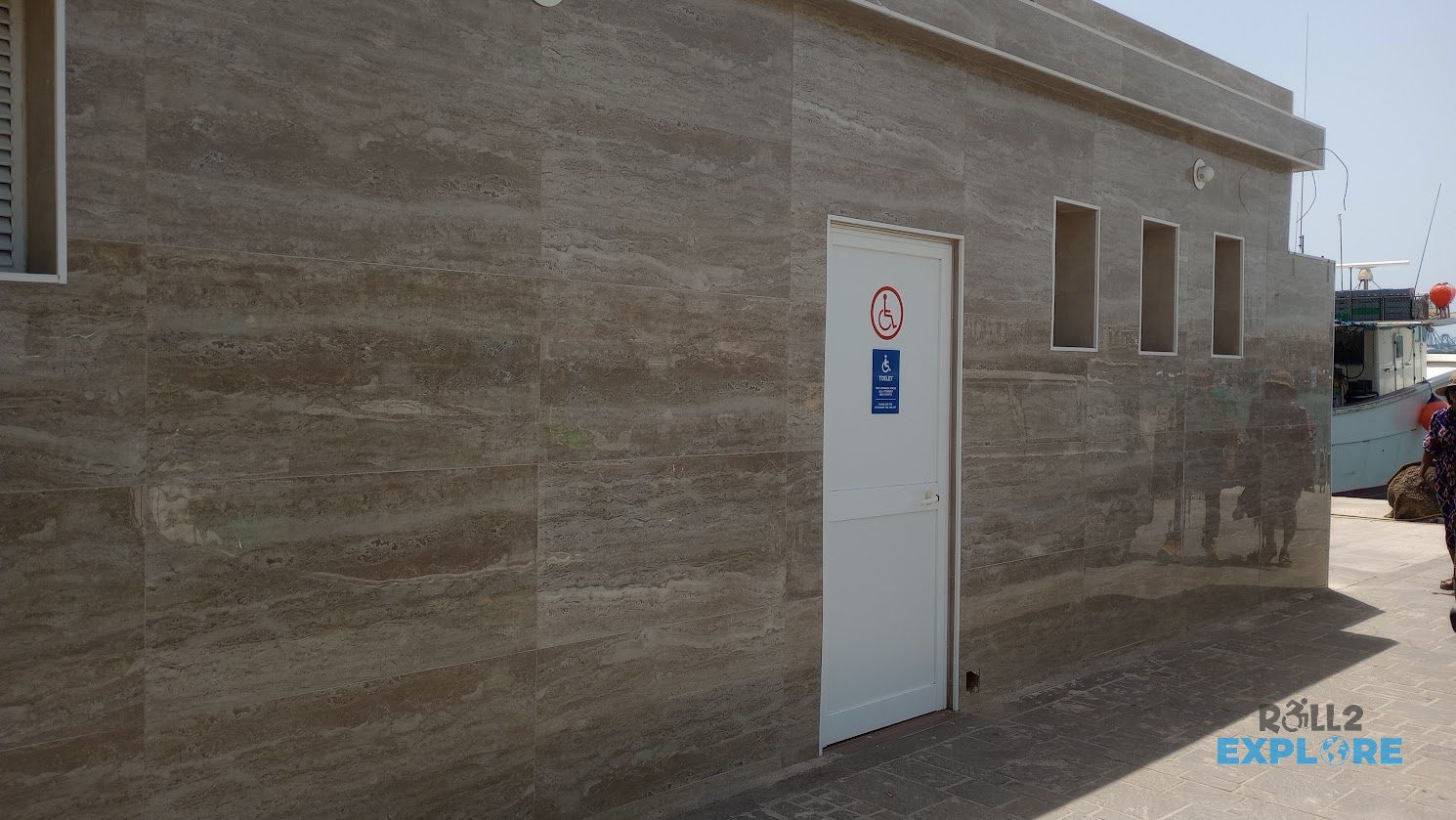
- 90% of public toilets have designated accessible restrooms.
- Weaknesses:
- Poor maintenance: broken locks, empty soap dispensers, and wet floors.
- Lack of automatic doors.
- Lackof adult changing tables.

7. Airport & Travel Hub Accessibility
Score: ♿♿♿♿♿♿♿♿ (8/10)
- Strengths:
- Malta International Airport (MLA) offers PRM assistance, wheelchair loans, and step-free pathways
- Weaknesses:
- Airport shuttle buses (TD) have stairs.
8. Digital & Information Accessibility
Score: ♿♿♿♿ (4/10)
- Strengths:
- Google Maps correctly marks accessible places.
- Weaknesses:
- The only official resource does not provide a lot of information.
- No official Maltese accessibility app.
9. Local Policies & Societal Attitudes
Score: ♿♿♿♿♿♿♿♿ (8/10)
- Strengths:
- Maltese people often offer to assist.
- Malta is one of seven EU-countries that uses the European Disability Card.
- Discounts offered to disabled tourists (disability proof required).
10. Emergency & Healthcare Accessibility
Score: ♿♿♿♿♿♿♿ (7/10)
- Strengths:
- Hospitals are generally accessible.
- Weaknesses:
- Some facilities are outdated.
Overall Average Score: ♿♿♿♿♿♿ (6.3/10)
Why? While Malta has made progress in basic accessibility, significant gaps remain across all categories. Many solutions rely on outdated infrastructure or half-measures that fail to meet modern inclusive standards.
Conclusion: Malta is moderately accessible—ideal for resort-based travelers or city explorers but challenging for solo wheelchair adventurers.