New Zealand’s Wheelchair Accessibility Rating
New Zealand is often celebrated for its breathtaking landscapes, vibrant culture, and adventurous spirit. But how does it perform when it comes to wheelchair accessibility? We’ve evaluated Aotearoa across 10 key categories — from transport to healthcare — to give you a practical overview of traveling here as a wheelchair user.
(♿ = 1 point, max 10 per category)
1. Public Transportation Accessibility
Score: ♿♿♿♿♿♿♿ (6/10)
- Strengths:
- Many city buses are fitted with ramps and priority seating.
- Some train stations provide step-free access and assistance services.
- Wheelchair taxis exist in larger cities.
- Weaknesses:
- Regional areas often lack reliable accessible transport.
- Intercity buses welcome wheelchair users but require passengers to stand unaided during boarding/disembarking and prohibit drivers from assisting with lifting—personal aides must be arranged in advance.
2. Hotel & Accommodation Accessibility
Score: ♿♿♿♿♿♿♿♿♿ (9/10)
- Strengths:
- Hotels and motels commonly offer adapted rooms with roll-in showers and grab bars.
- Common areas like lobbies and breakfast rooms are often step-free.
- Online booking platforms allow filtering by accessibility features.
- Weaknesses:
- Smaller B&Bs and rural stays may not have adaptations.
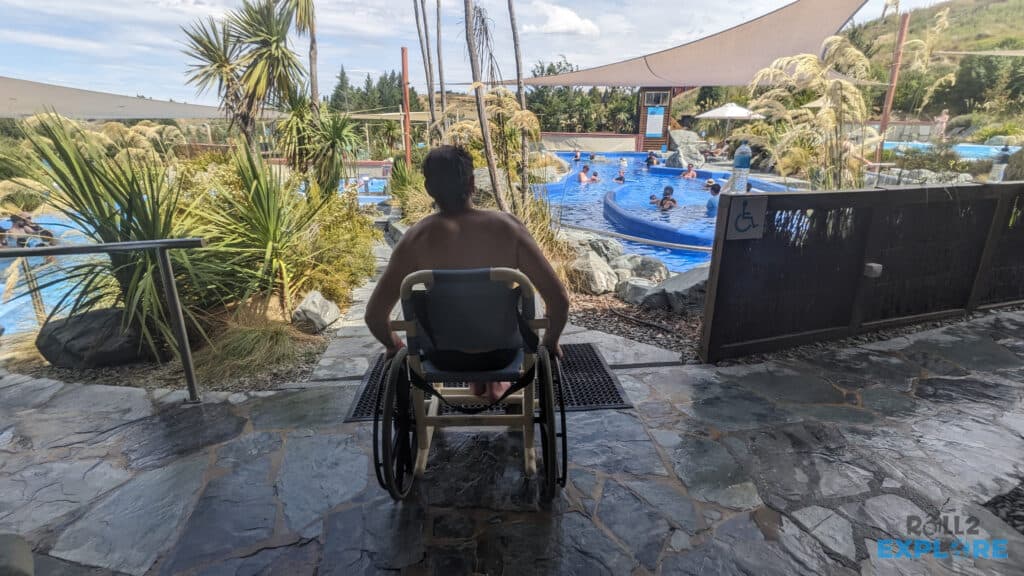
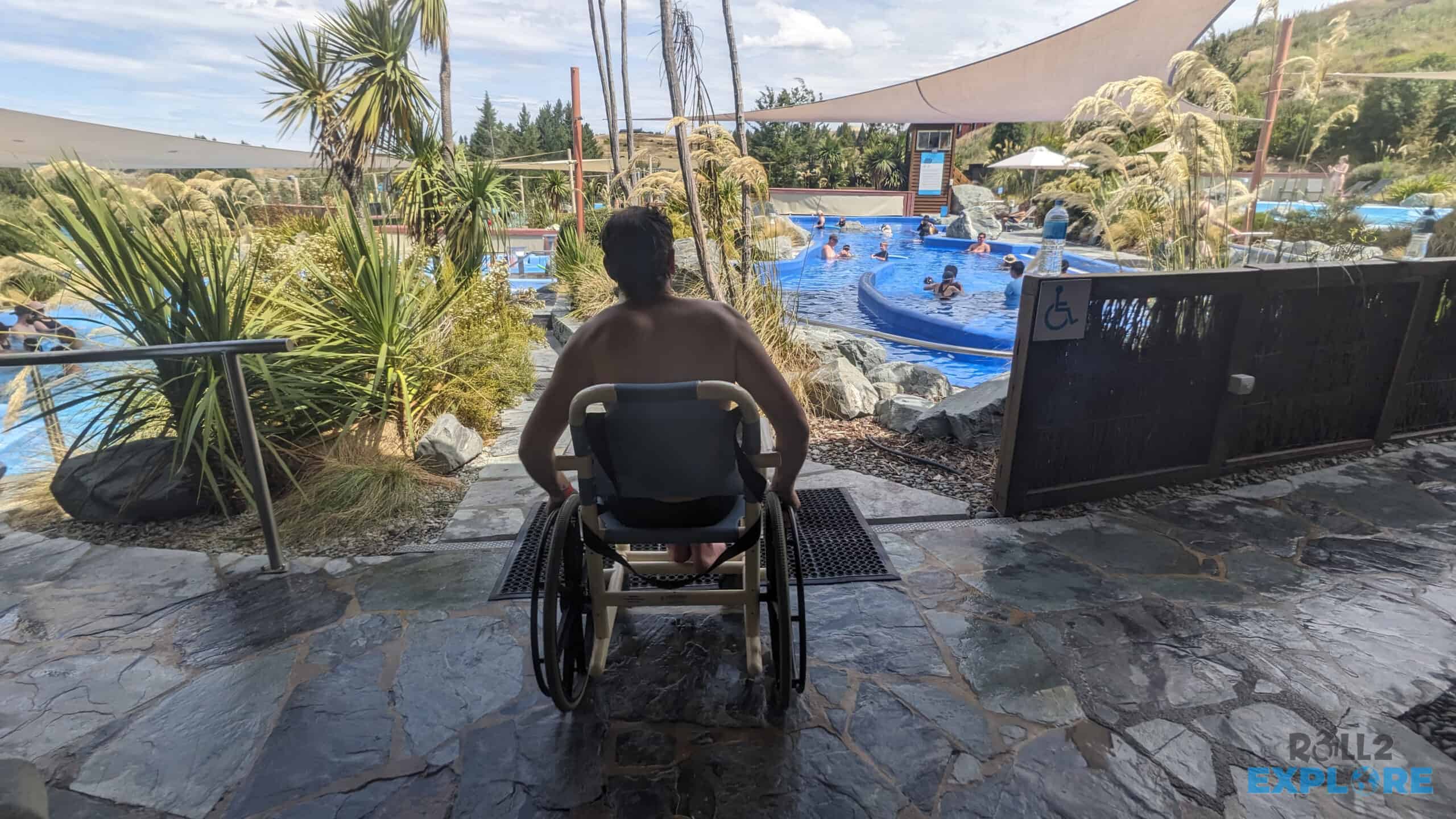
- Pool and spa areas aren’t always wheelchair-friendly.
3. Restaurant & Dining Accessibility
Score: ♿♿♿♿♿♿♿♿♿ (9/10)
- Strengths:
- The majority of restaurants and cafés in cities and tourist towns have step-free entrances.
- Spacious seating layouts and accessible restrooms are common in modern venues.
- Staff are friendly and usually quick to assist when needed.
- Weaknesses:
- Some cafés in smaller towns still have steps at entrances or narrow interiors.
4. Tourist Attractions & Cultural Sites
Score: ♿♿♿♿♿♿♿♿♿ (9/10)
- Strengths:
- Museums, galleries, and cultural sites are usually wheelchair-friendly.
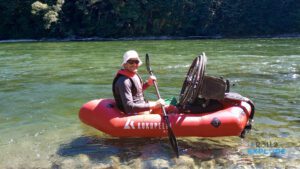
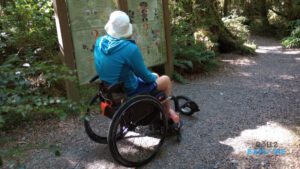
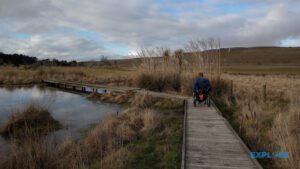
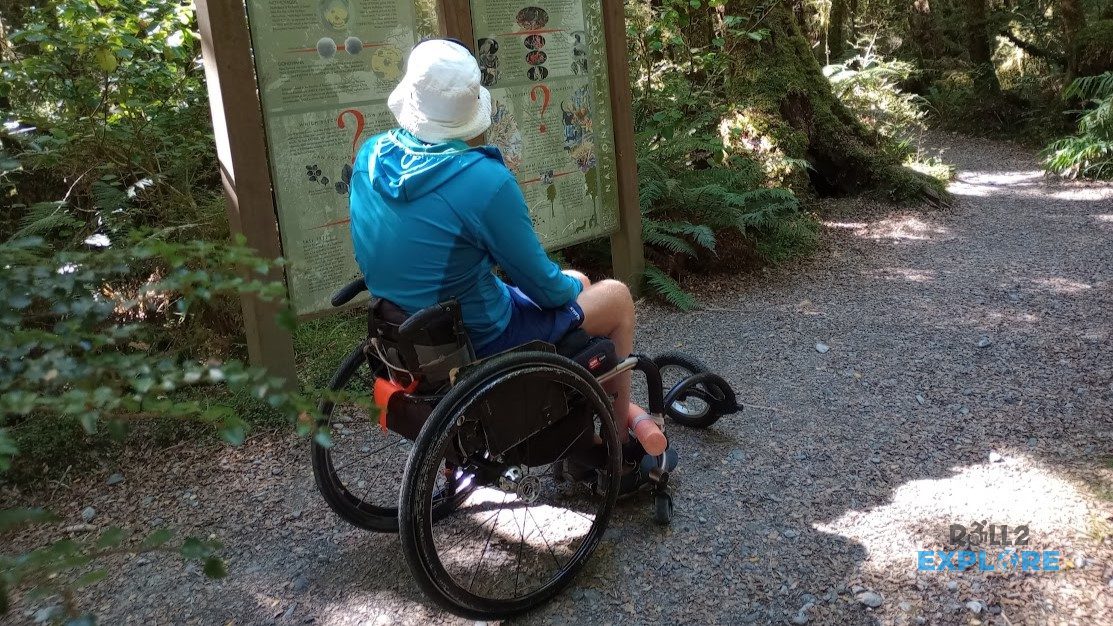
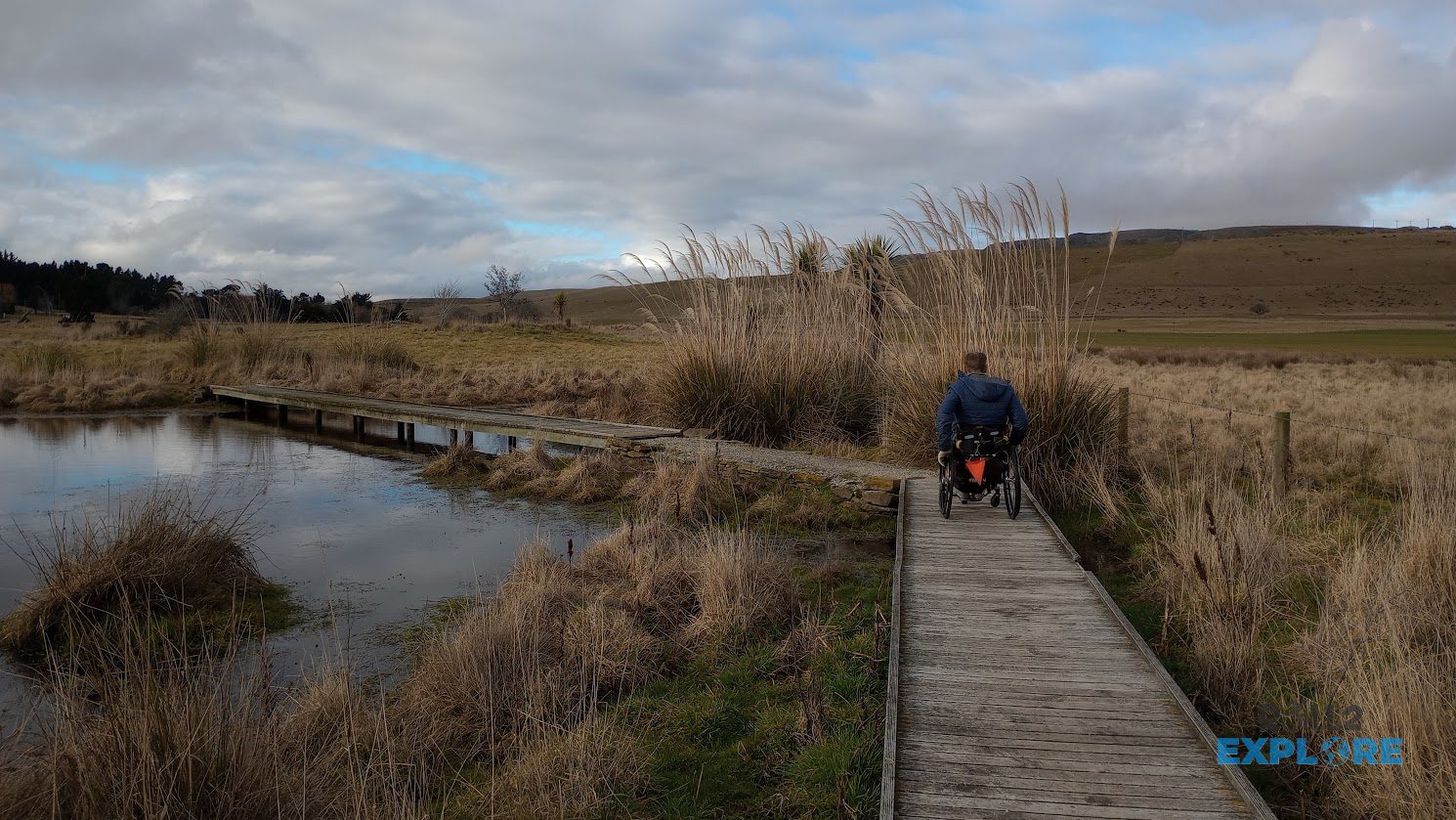
- The Department of Conservation (DOC) website lets you filter for accessible walks and tracks, making it easier to plan outdoor adventures.
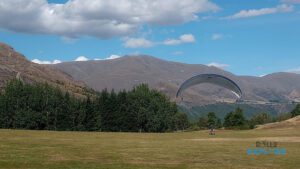
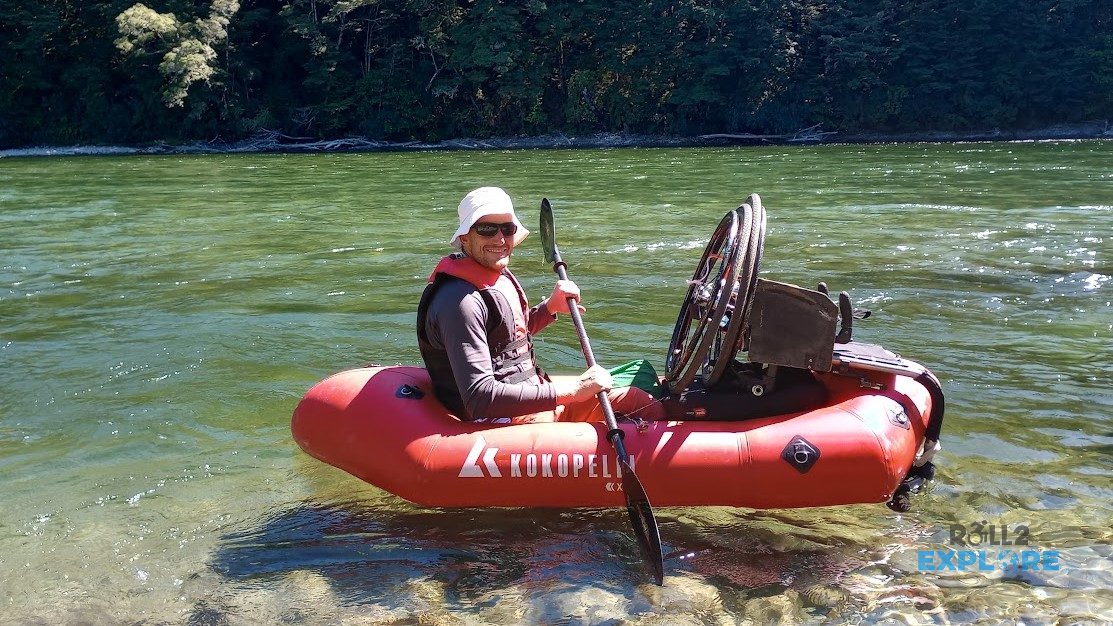
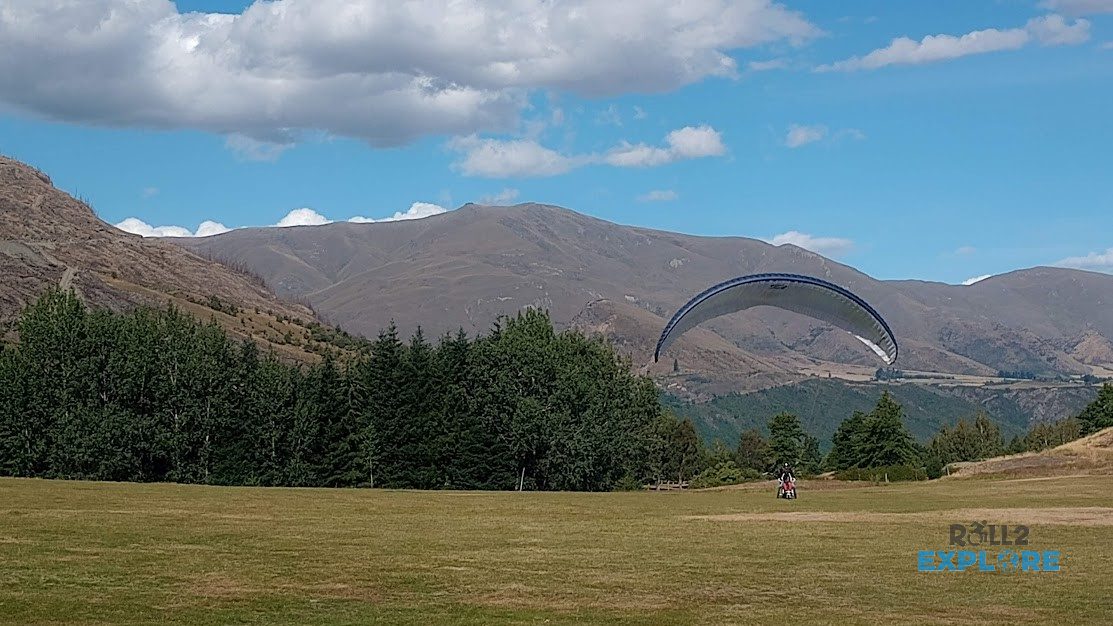
- Some wildlife parks and adventure operators are inclusive.
- Some sites offer discounted/free entry for disabled visitors + companions (read more about Hapai Card).
- Weaknesses:
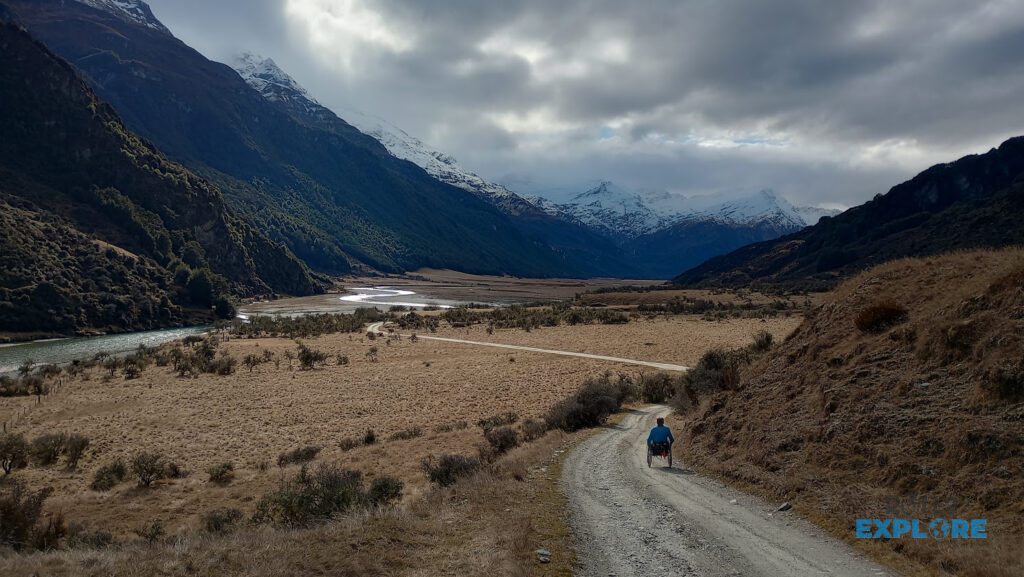
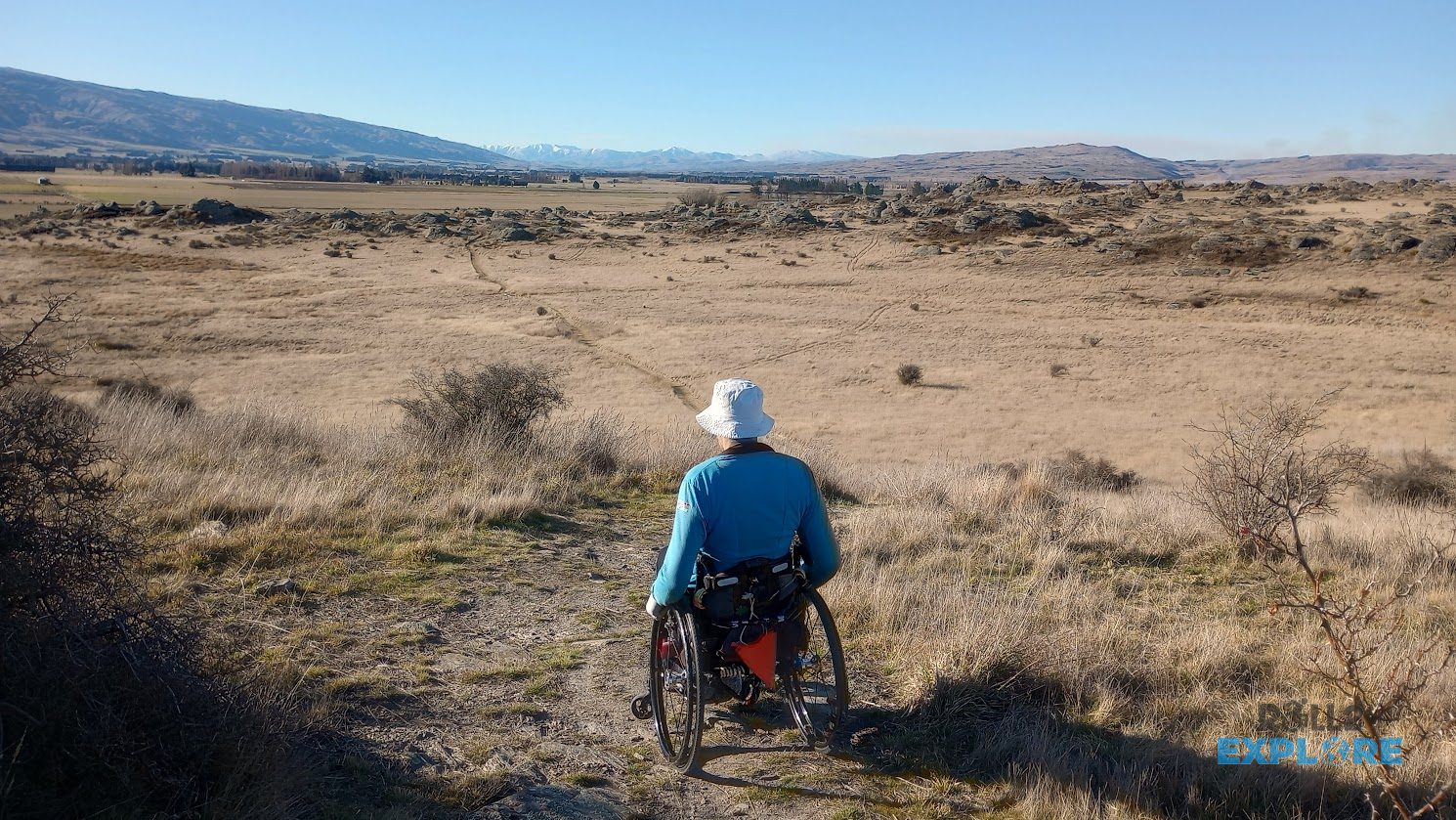
- Many nature trails remain rugged and steep.
5. Urban Infrastructure & Sidewalk Accessibility
Score: ♿♿♿♿♿♿♿♿ (8/10)
- Strengths:
- Major cities provide curb cuts, accessible pedestrian crossings, and smooth pavements.
- Seating and tactile paving exist in many central districts.
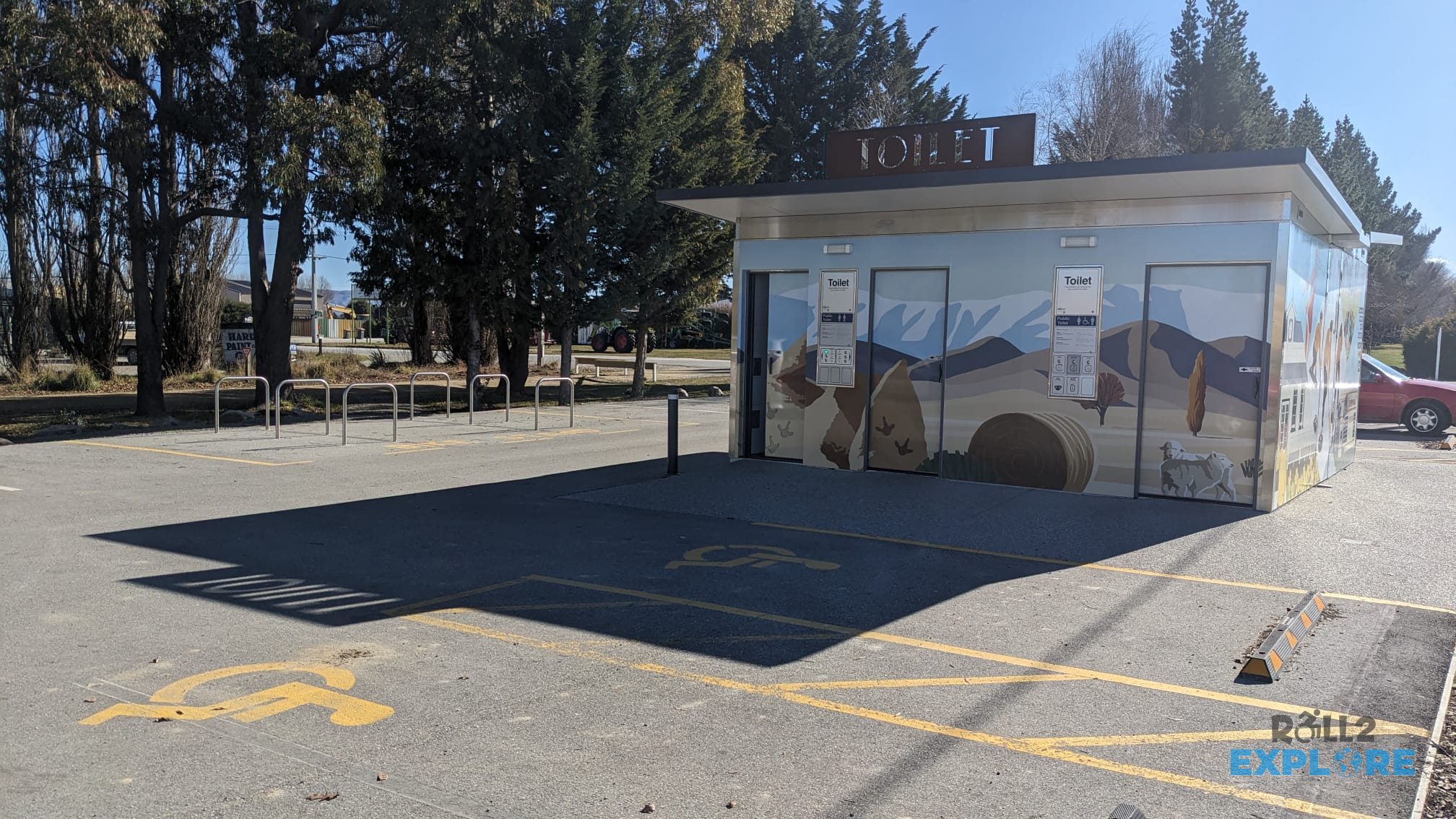
- Many dedicated disabled parking spots.
- Weaknesses:
- Hilly cities like Wellington or Queenstown can be challenging.
6. Accessible Toilets & Changing Facilities
Score: ♿♿♿♿♿♿♿♿♿ (9/10)
- Strengths:
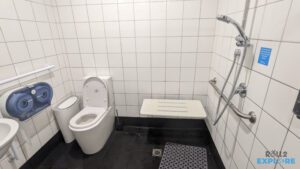
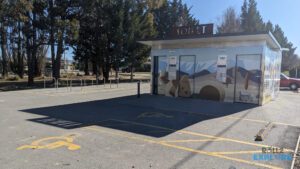
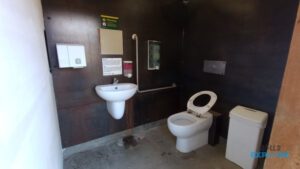
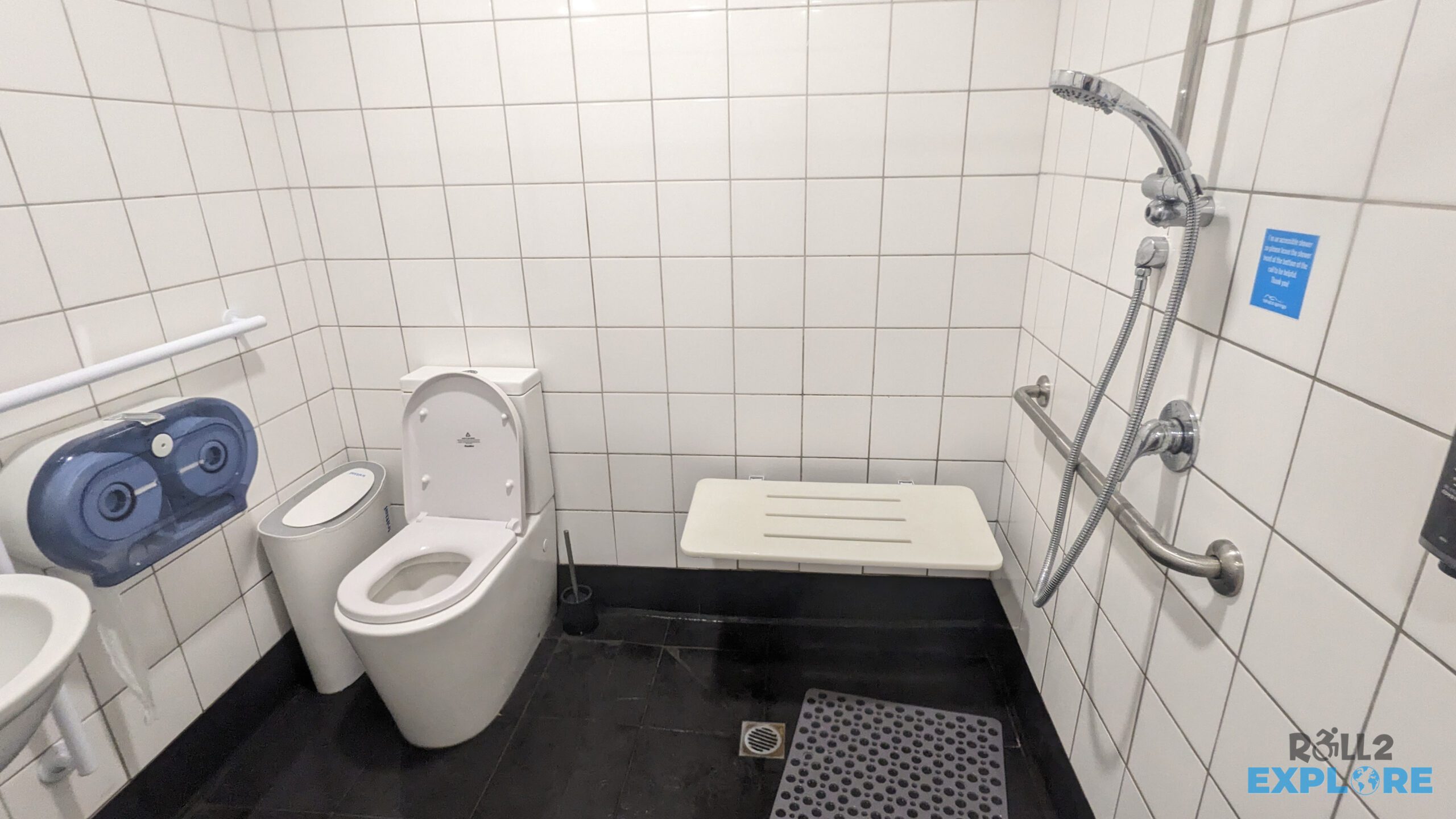
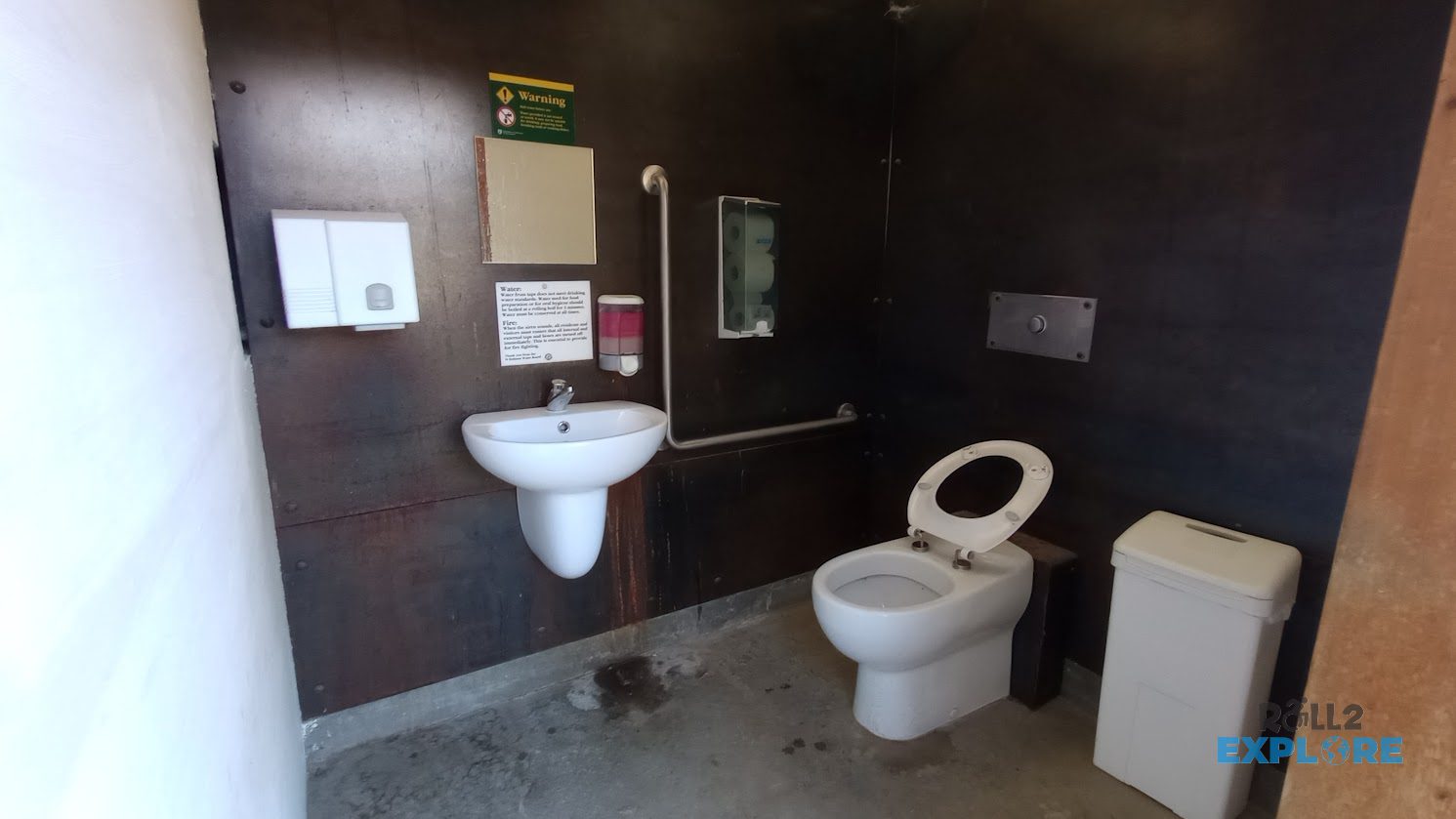
- Accessible toilets are common.
- Generally clean and well signposted.
- Weaknesses:
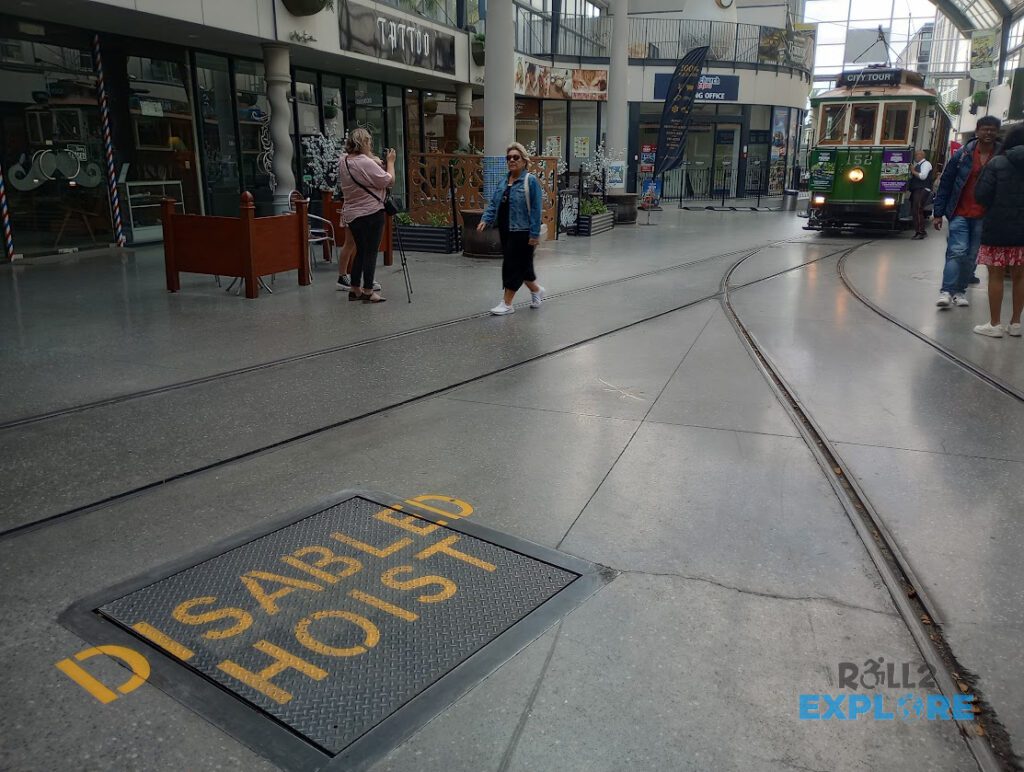
- Limited Changing Places toilets with hoists and adult-sized benches.
7. Airport & Travel Hub Accessibility
Score: ♿♿♿♿♿♿♿♿♿ (9/10)
- Strengths:
- Major airports (Auckland, Wellington, Christchurch, Queenstown) are highly accessible.
- PRM (Persons with Reduced Mobility) assistance is well organized.
- Sunflower Lanyard program for hidden disabilities increasingly recognized.
- Weaknesses:
- Regional airports are small, with fewer dedicated accessibility services.
8. Digital & Information Accessibility
Score: ♿♿♿♿♿♿♿ (7/10)
- Strengths:
- Tourism websites sometimes highlight accessible attractions.
- Tourism NZ’s website has solid accessibility info.
- Several excellent resources exist for travelers with access needs, such as Wheelie Accessible Adventures – detailed reviews of accessible places in Christchurch; Hāpai Access Card – a card that communicates accessibility needs to businesses or Making Trax – adventure tourism specialists promoting inclusive activities.
- Weaknesses:
- Lack of official mobile apps or centralized databases for accessibility.
- Real-time accessibility updates (e.g., elevator outages) are not available.
9. Local Policies & Societal Attitudes
Score: ♿♿♿♿♿♿♿♿♿ (9/10)
- Strengths:
- Disability rights laws and accessibility standards are well established.
- Public attitudes are positive, with locals willing to help.
- Growing number of inclusive adventure and sport initiatives.
- Weaknesses:
- Enforcement of accessibility standards can be inconsistent in older buildings.
10. Emergency & Healthcare Accessibility
Score: ♿♿♿♿♿♿♿♿♿ (9/10)
- Strengths:
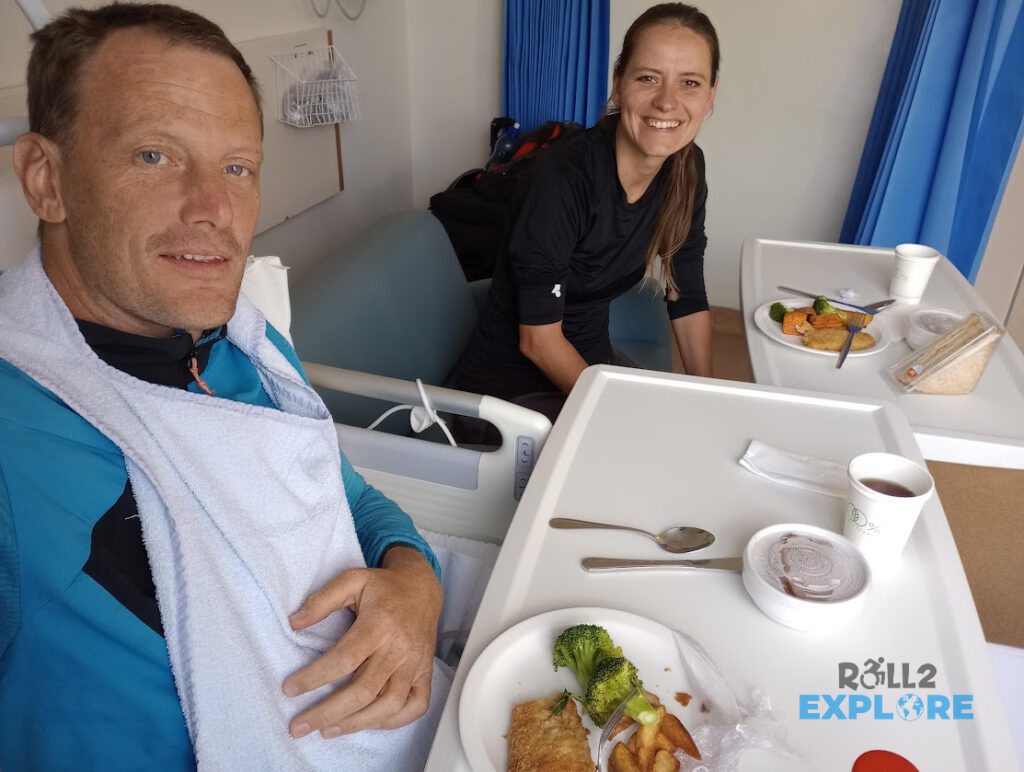
- New Zealand has high-quality universal healthcare.
- Hospitals and emergency services are wheelchair accessible.
- Universal healthcare covers emergencies for all travelers.
- Mobility aid rental and repair available in larger centers.
- Weaknesses:
- Response times slower in remote areas.
- Limited repair or rental services outside cities.
Overall Average Score: ♿♿♿♿♿♿♿♿ (8.4/10)
New Zealand ranks as a solidly accessible destination for wheelchair travelers. While rugged natural landscapes can pose challenges, strong disability policies, urban accessibility, and welcoming attitudes make it a rewarding place to explore. From stargazing in dark sky reserves to rolling along accessible national park trails, New Zealand offers both adventure and inclusion.
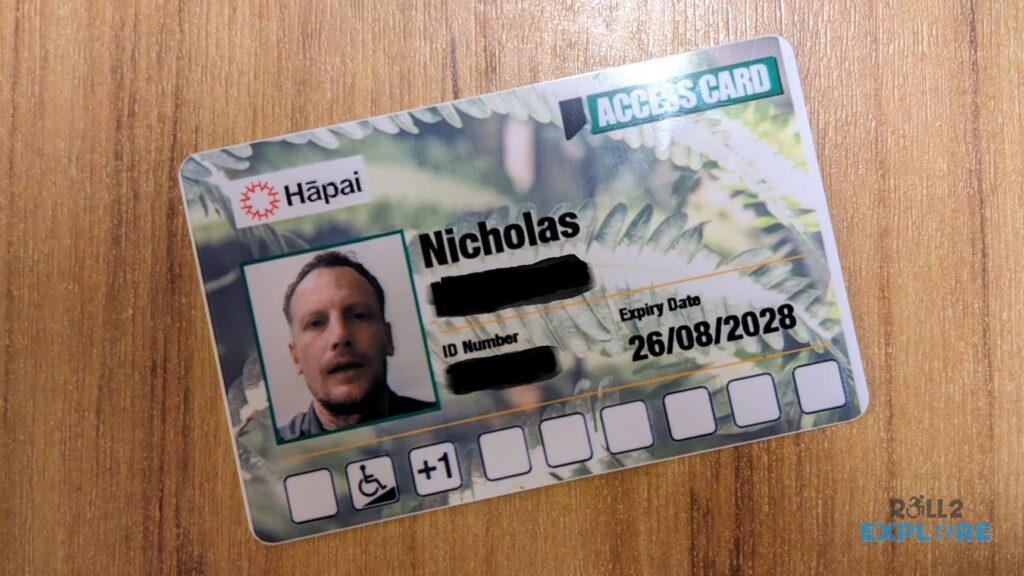
Hāpai Access Card in New Zealand – All You Need to Know
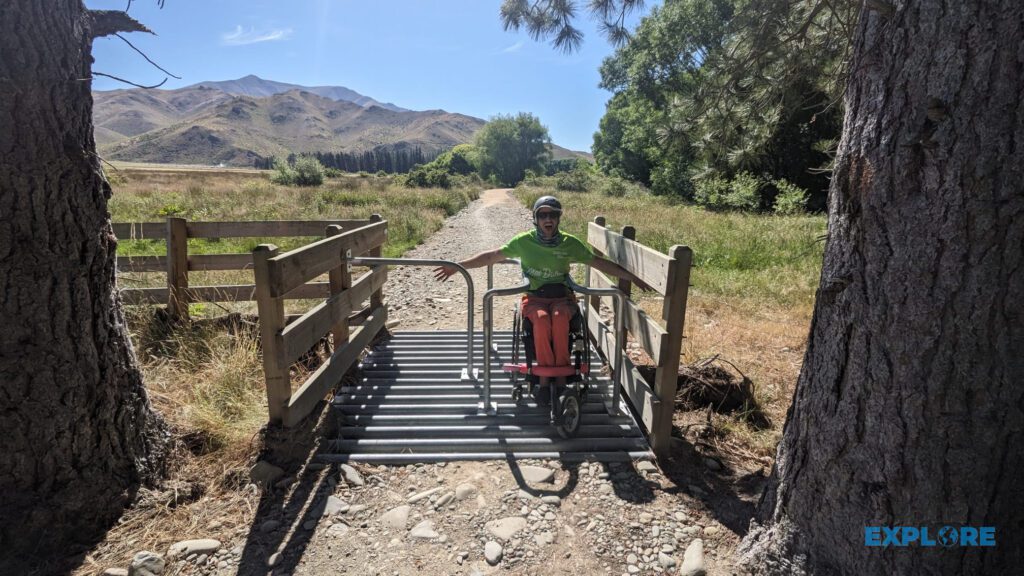
Exploring New Zealand’s Great Rides with a Wheelchair

Top Accessible Activities in Christchurch for Disabled Visitors
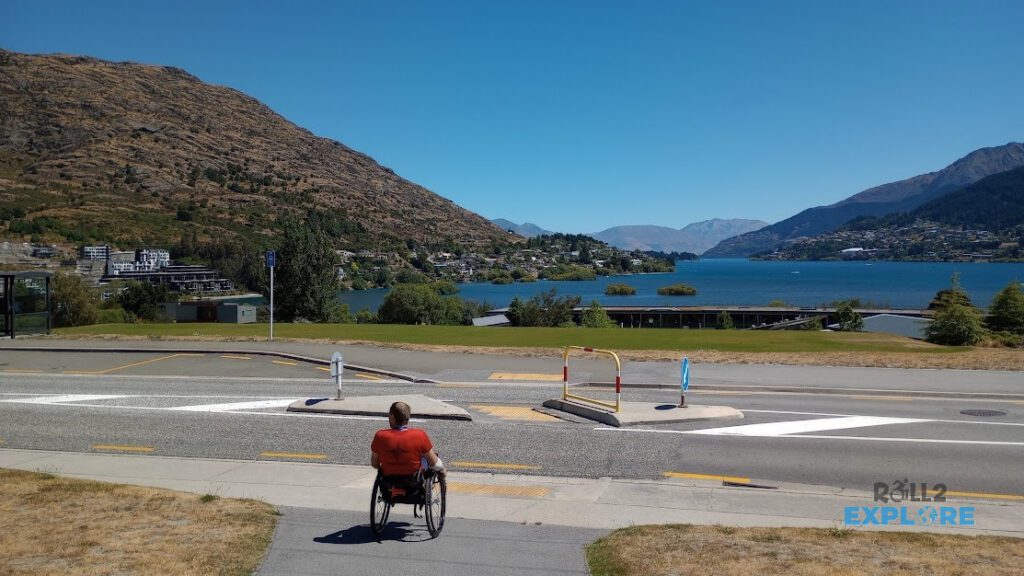
Queenstown with Orbus: A Disabled Traveler’s Perspective